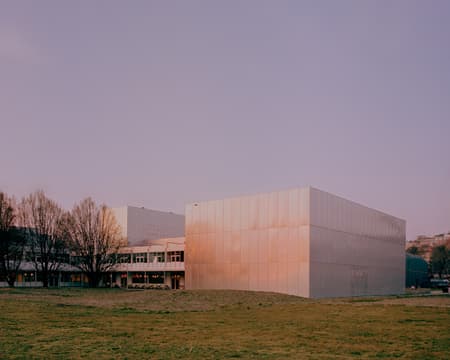
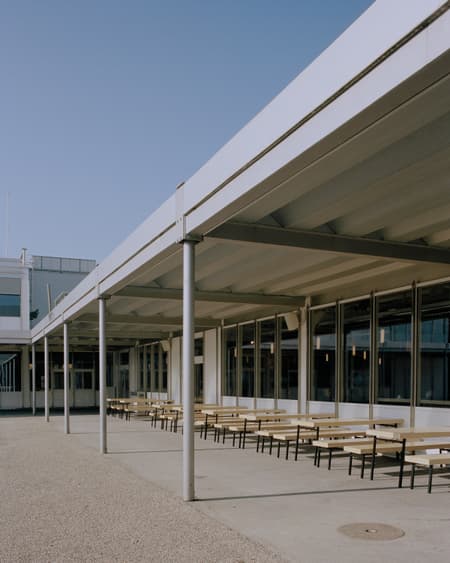
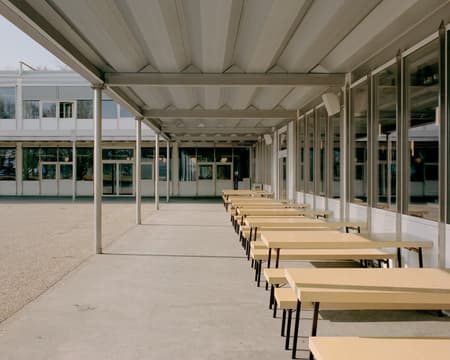
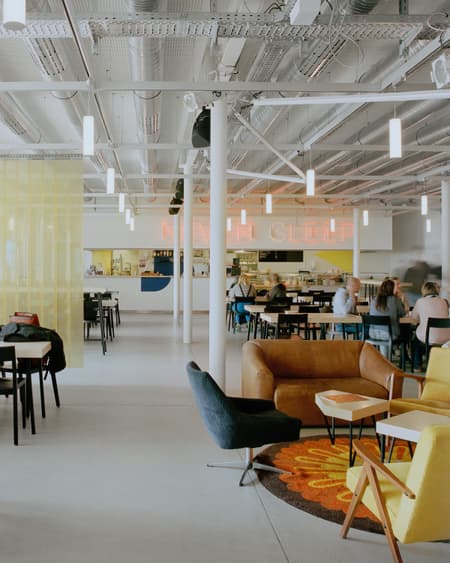
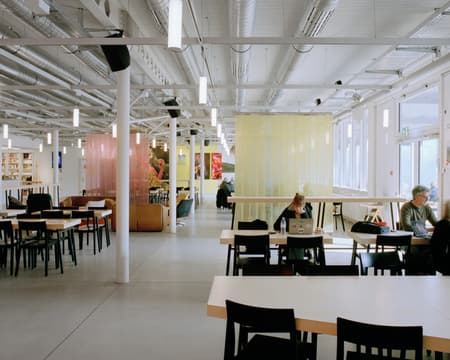
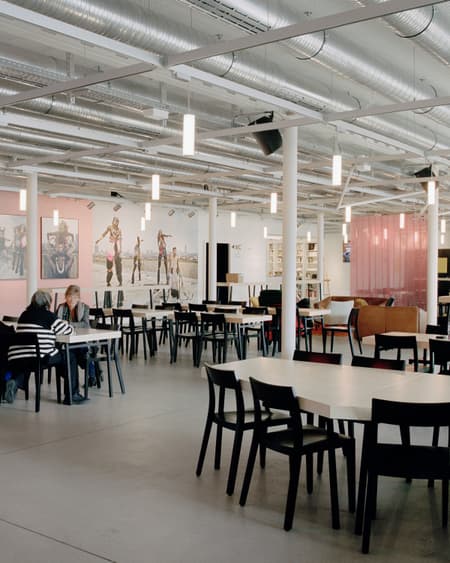
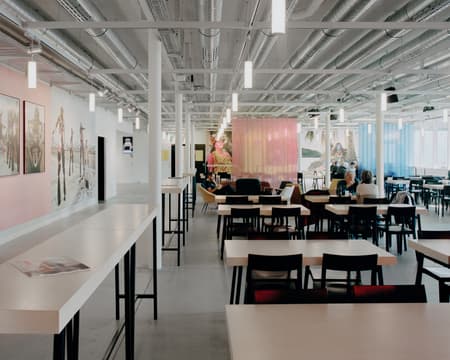
The design of a cultural space is not limited to its function: an immersive experience must be offered, adapted to the uses and evolution of the venue. Designed by Max Bill for Expo 64, the Théâtre de Vidy has been undergoing renovation since 2020 to ensure its long-term viability and strengthen its role as an open and adaptable cultural platform. Within this framework, the mandate for the design of the foyer and La Kantina was entrusted to BARAKI, with particular attention paid to flexibility, sustainability, and inclusivity.
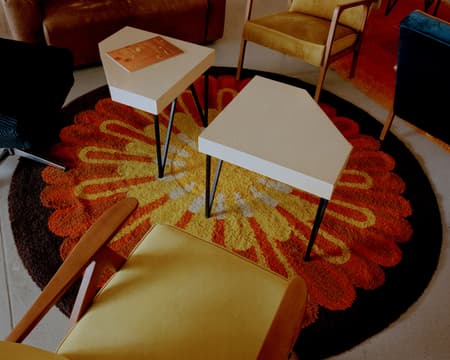
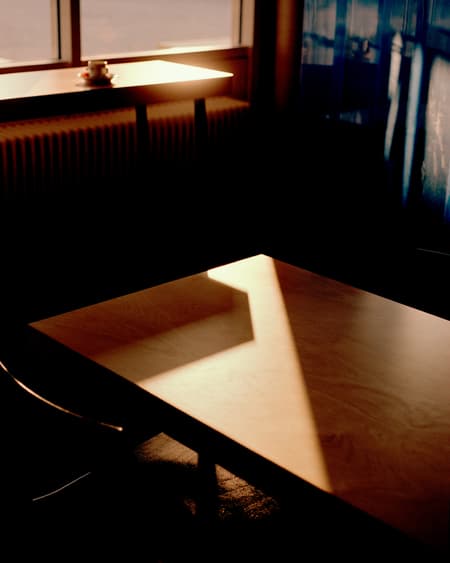
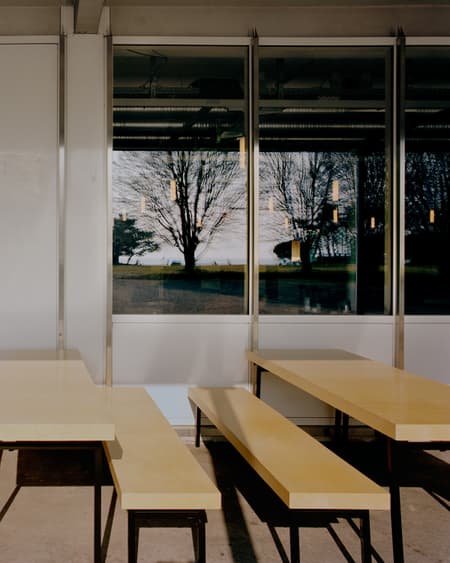
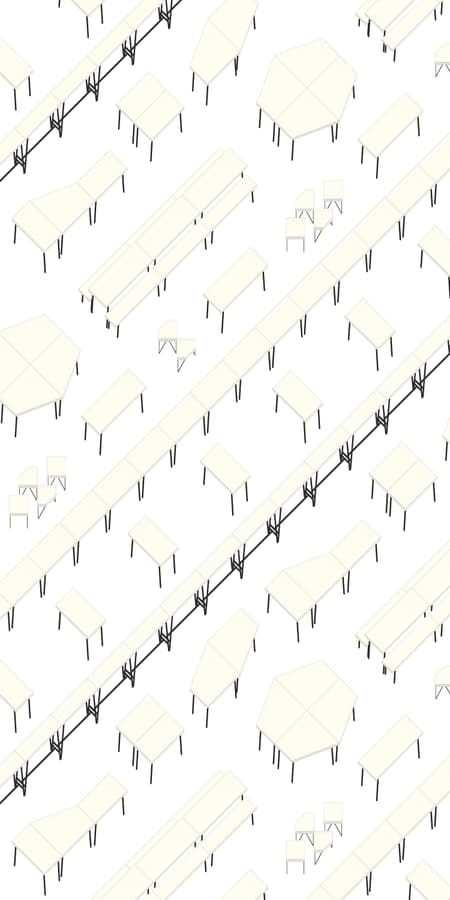
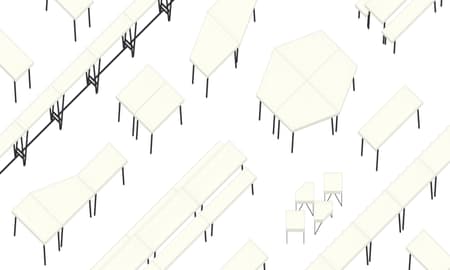
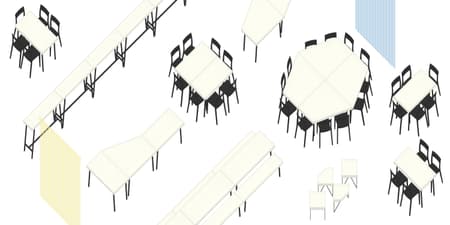
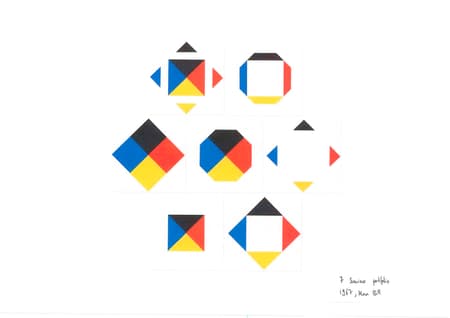
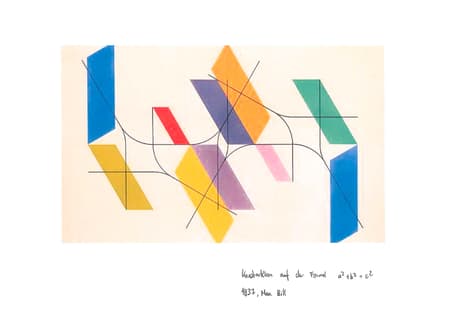
Inspired by Max Bill's graphic work, modular furniture was manufactured in the theater's scenography workshops, allowing for different configurations adapted to users' needs, while guaranteeing local production and artisanal craftsmanship. The scenography was conceived to play with light and transparency, offering a functional and evolving setting, capable of hosting both social gatherings and a variety of cultural events.
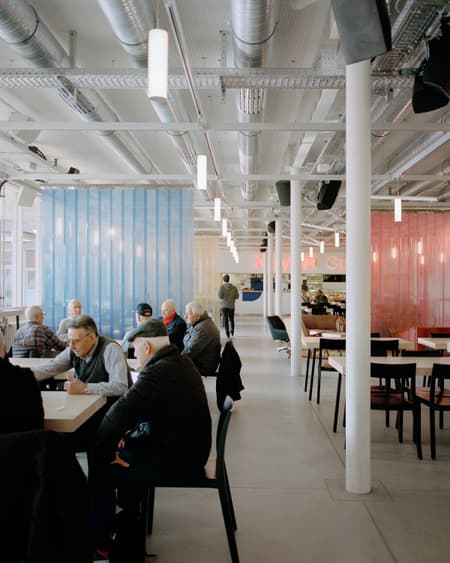
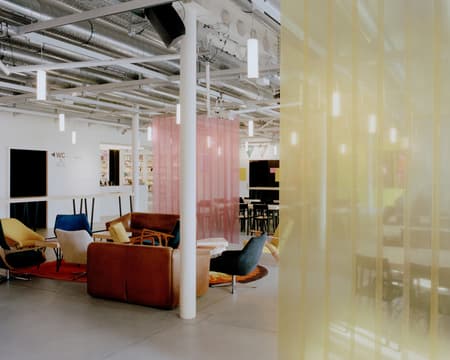
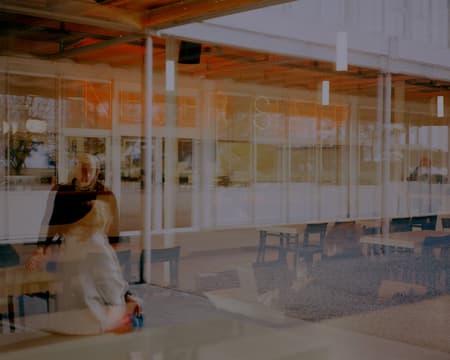
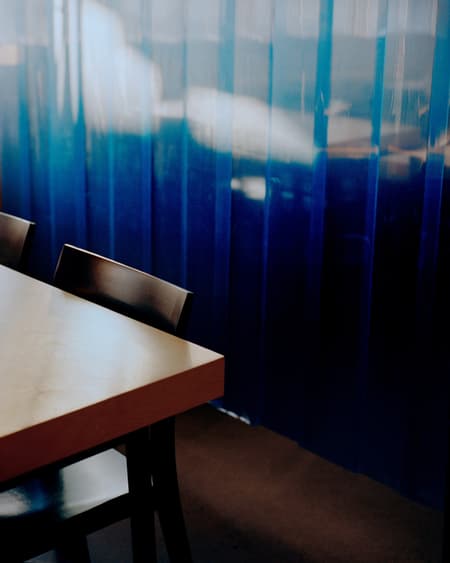
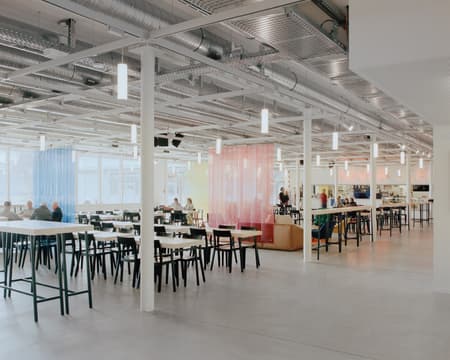
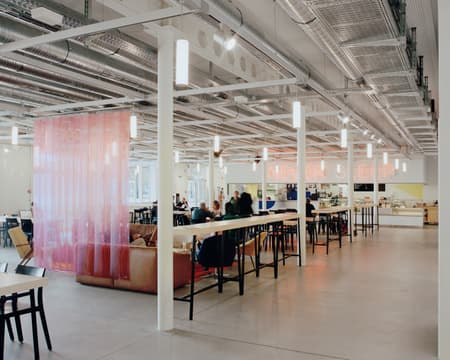
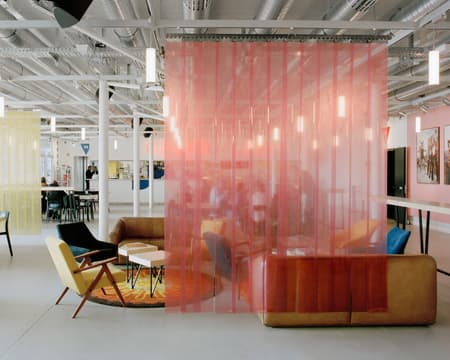
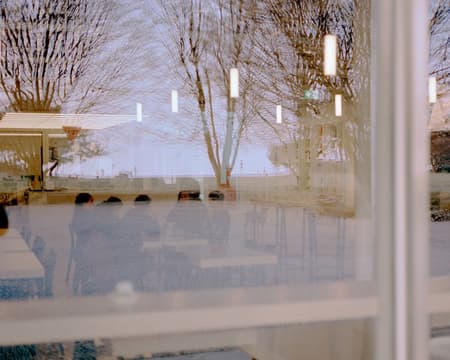
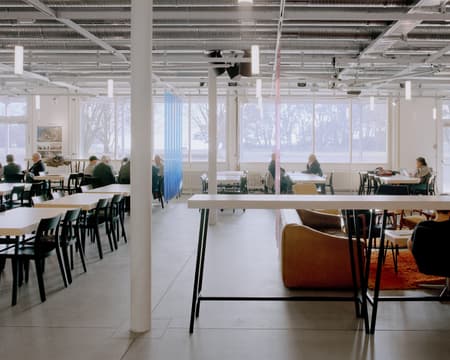
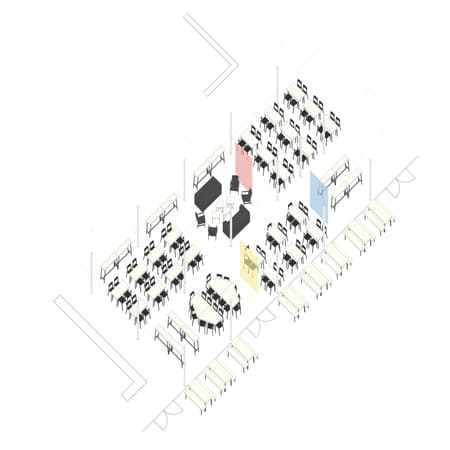
The hall's layout was designed to optimize the user experience by allowing the space to be adapted to different uses. Three colored PVC curtains were installed to divide the volume into distinct zones, creating separate atmospheres while maintaining a seamless flow with the existing architecture. The hall's symmetry and the regular grid of columns were highlighted by transparent materials, offering a dual interpretation of depth and structure. A play of color and light frames this large space without obstructing the view of the Alps and the lake, thus anchoring La Kantina in a constant dialogue between interior and landscape.
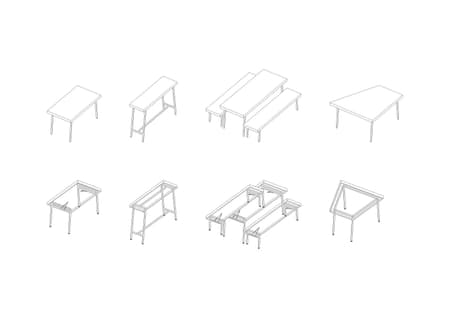
Architecture shapes spaces that are inscribed in time and context, revealing the relationships between structure, use, and perception. Here, it explores a territory often overlooked: that of furniture as a direct extension of architecture. Conceived as a scenographic tool, the furniture is neither accessory nor decoration. It articulates uses, enabling the transformation of a space by responding to a multitude of practical, sensory, and collective needs. Balancing robustness, mobility, and aesthetics, the object becomes a support for appropriation, simultaneously a discreet infrastructure and a central player in daily life. The geometric interplay of forms is freely inspired by the work of Max Bill, where structural rigor engages in a dialogue with great freedom of composition.
Developed specifically for the KANTINA at the Théâtre de Vidy, this furniture meets specifications that are as demanding as they are stimulating: to accommodate daily meals as well as standing receptions, to offer multiple configurations for school workshops, card games, or informal discussions, and to reliably support the weight of a dancing body. Designed in close collaboration with the operator's constraints and the capabilities of the Vidy workshops, the tables come in two heights, nest freely, stack efficiently, and allow for the inclusion of a wheelchair in every configuration. Their clean, geometric, and assertive design gives them an elegant presence, far removed from mere temporary furniture. Built to last, repairable, or replicable, these pieces embody a thoughtful, inventive, and adaptable approach to the design of shared spaces.