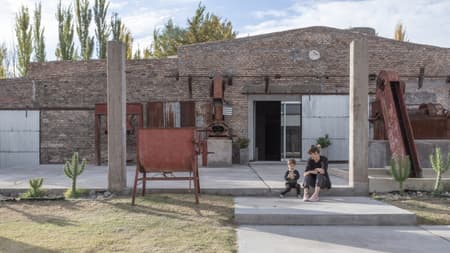
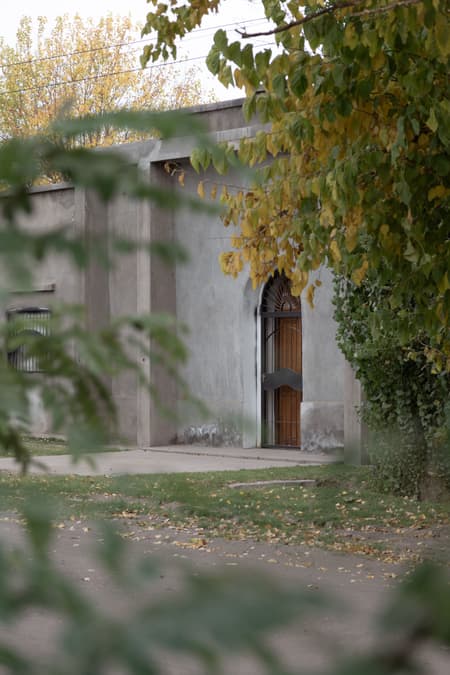
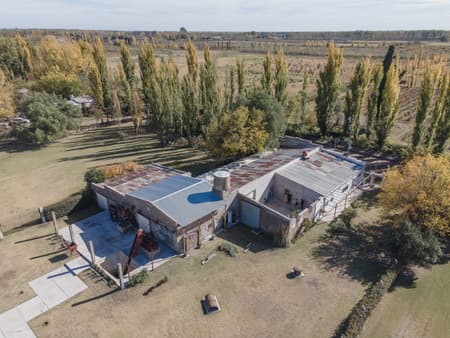
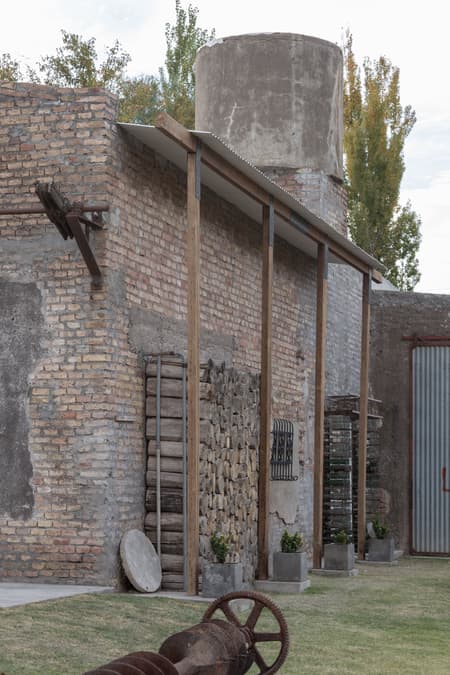
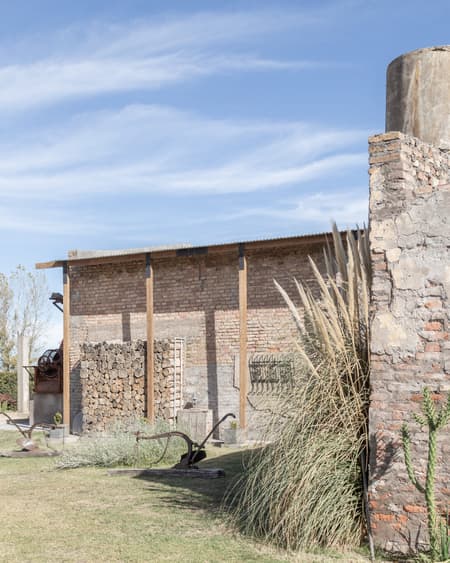
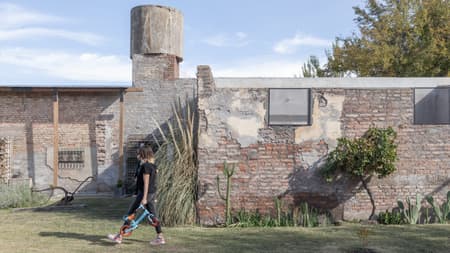
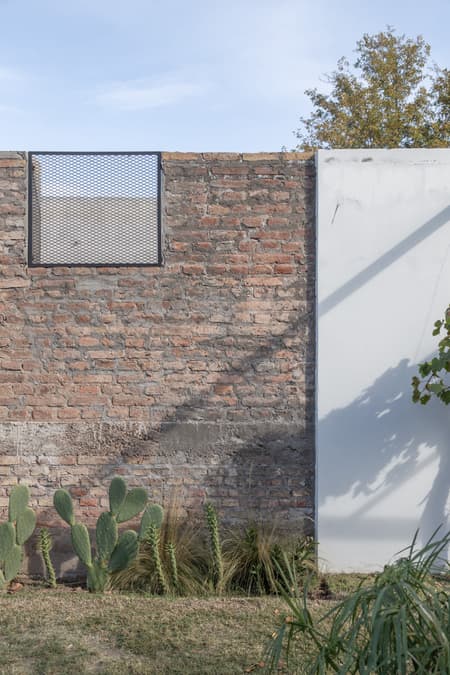
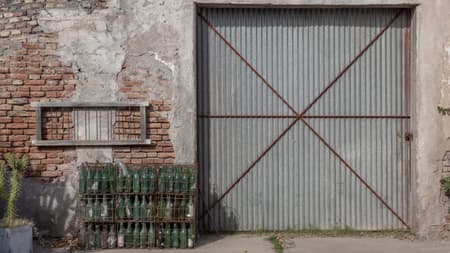
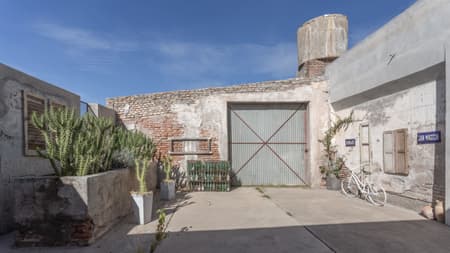
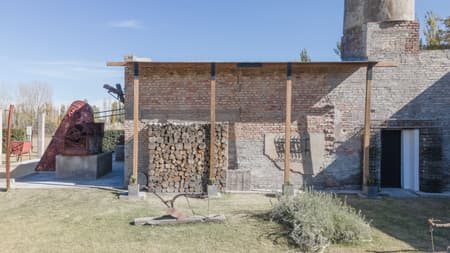
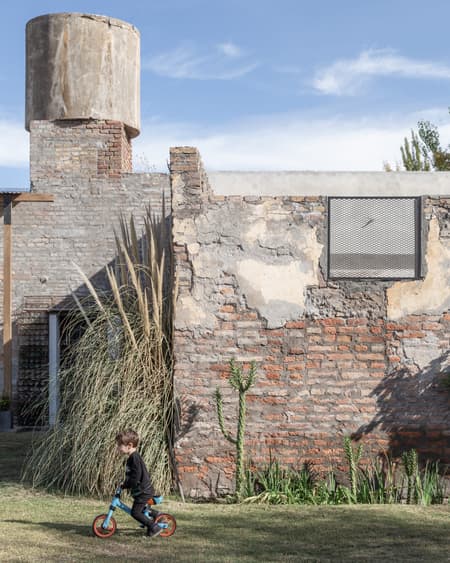
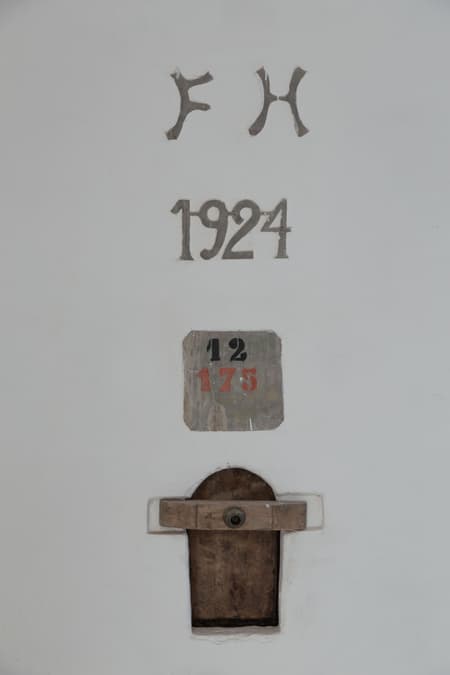
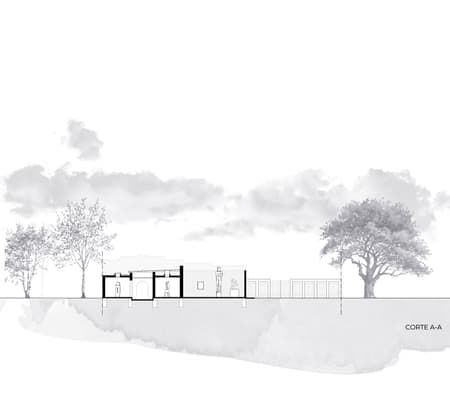
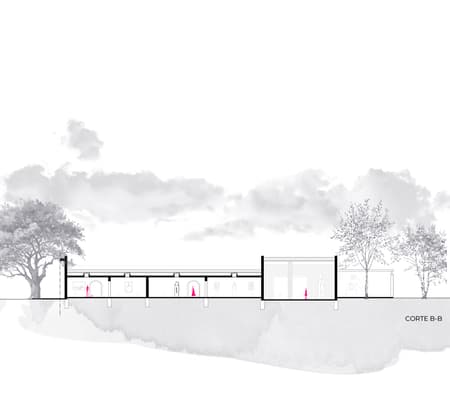
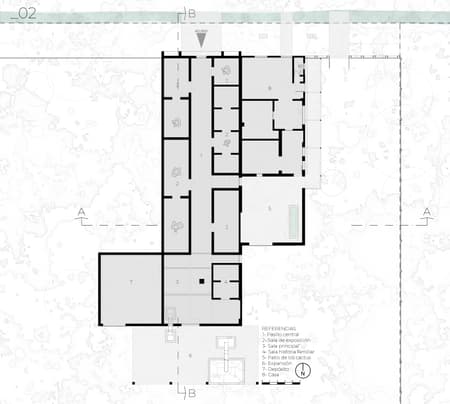
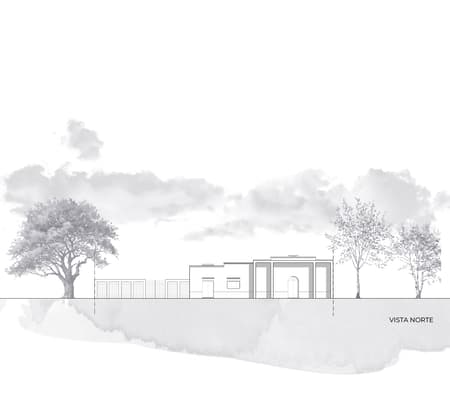
In General Alvear, Mendoza, an old winery stands, whose origins date back to 1924, when its first vats held the Hidalgo family’s wine. However, by the late 1970s, after being abandoned, the passage of time and lack of maintenance left the building virtually in ruins. In 2015, four decades later, a descendant of the family, endowed with artistic and cultural vision, acquired the structure with the intention of transforming it into his atelier, personal museum, and exhibition space.
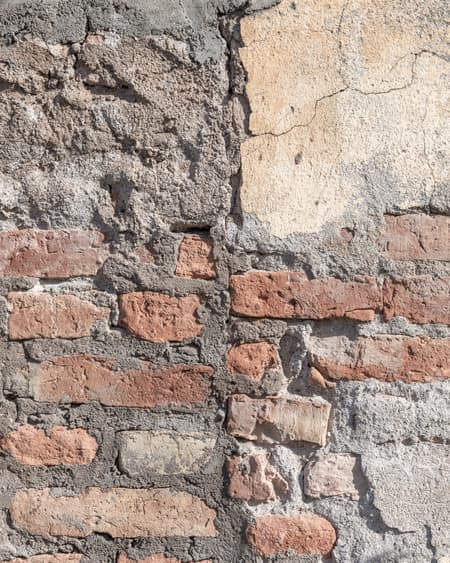
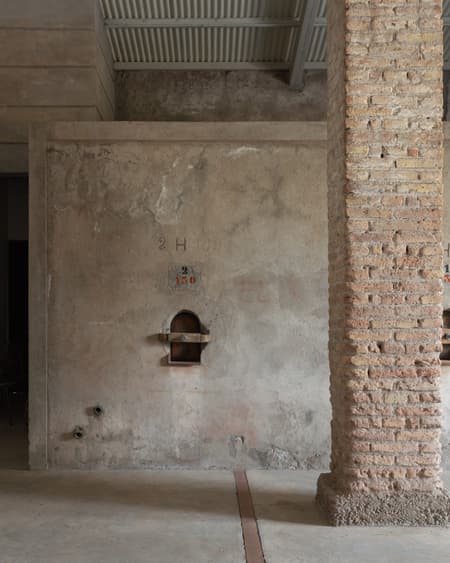
This restoration project was guided by two primary objectives. First, to preserve the building’s intrinsic identity—its original essence. This challenge was addressed through what we have termed “projectual acupuncture,” a practice that emphasizes precise and delicate interventions to resolve structural and constructive issues while, above all, keeping the morphology and communicative character of the work alive.
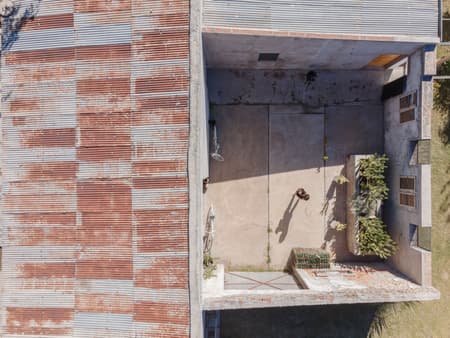
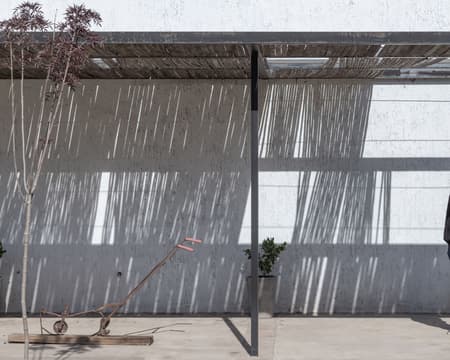
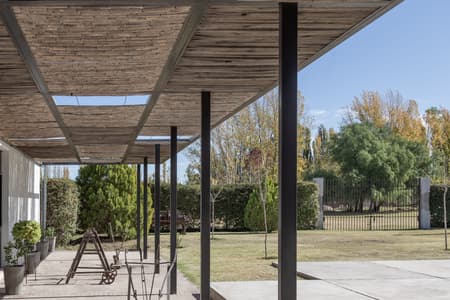
The new roof, for example, was conceived as a structure independent from the original one, allowing both to coexist in harmony without diminishing the building’s original character. The finishes, carefully executed, present clean and clearly distinguishable junctions between old and new, thus preserving the stylistic integrity of the construction.
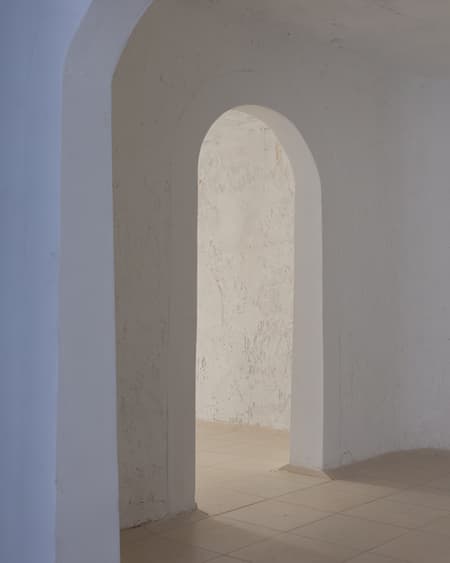
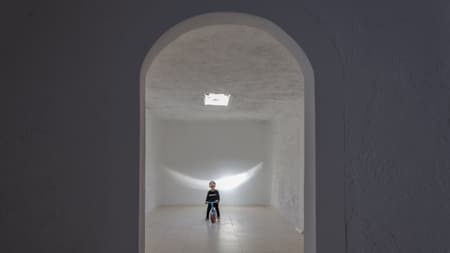
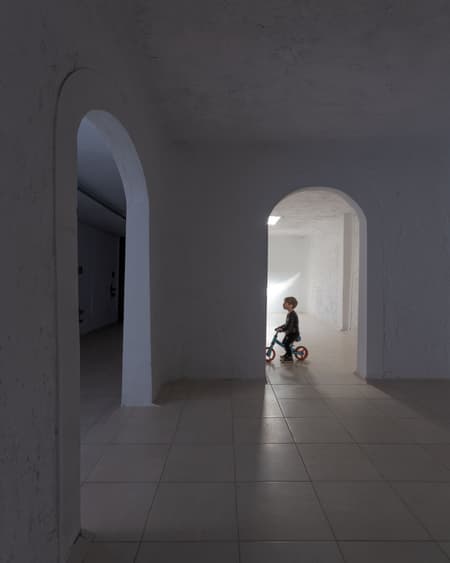
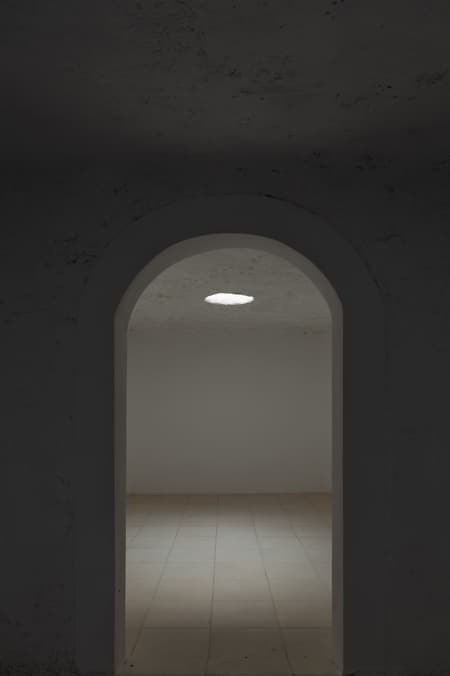
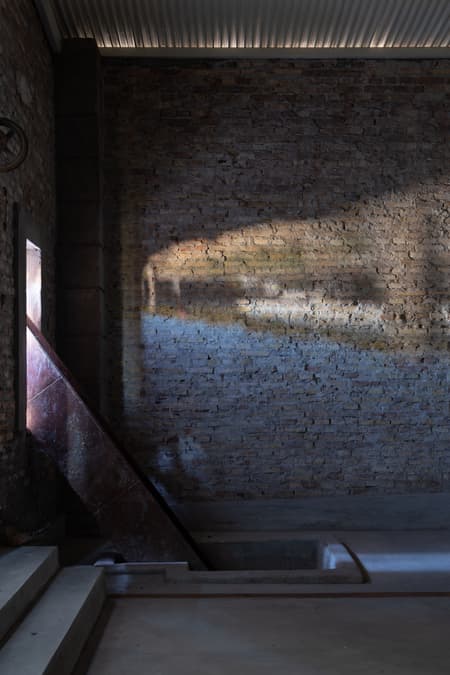
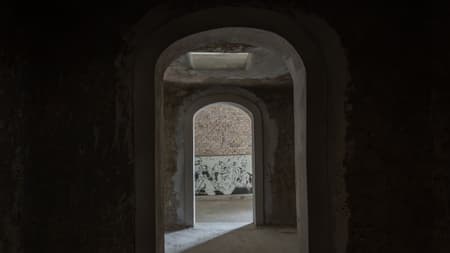
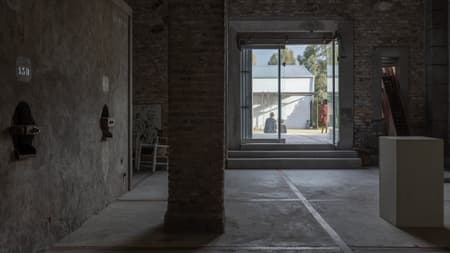
The second objective focused on the exploration of light as an additional compositional element, capable of creating dramatic atmospheres in the different spaces. Existing openings were utilized and new ones were created in order to enhance the building’s identity.
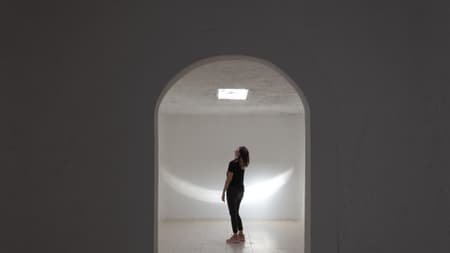
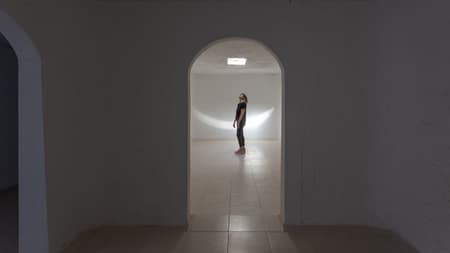
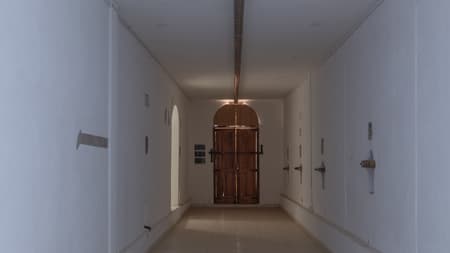
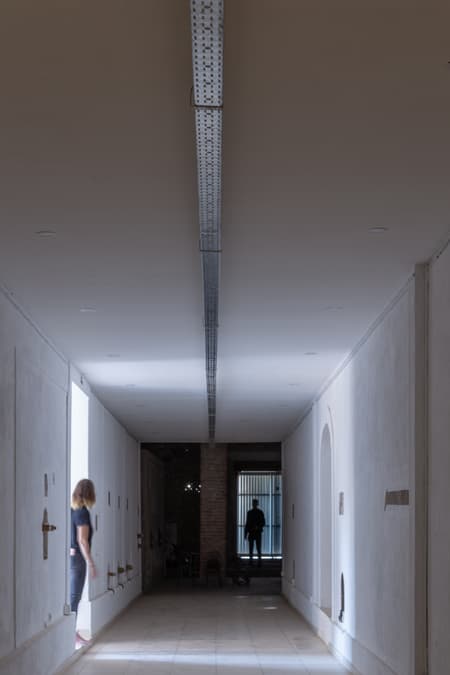
The result is a building that not only houses works of art but becomes a work of art in itself. Openings were strategically carved from the corridor into the interior of the vats, inviting visitors to enter a space that is normally concealed.
The vats still retain aromatic traces of the wine once stored there, allowing art and scent to merge into a multisensory experience. Moreover, the upper perforation of the vats was transformed into a natural skylight, generating focused light that changes throughout the day, providing a spatial dynamism that interacts with the artwork and enriches the visitor’s experience.
It is worth noting that this restoration did not follow a conventional project development process; rather, the design evolved simultaneously with the construction work. This immersive approach required actions to be studied and analyzed at different times of the day, ensuring a comprehensive reflection on the impact of the interventions on the original structure.
This restoration exemplifies how architecture can revitalize heritage, preserve the essence of the past, and at the same time give life to new experiences and expressions—all through careful and respectful intervention upon what already exists. It reaffirms the architect’s role as a reflective agent in the construction and conditioning of space.