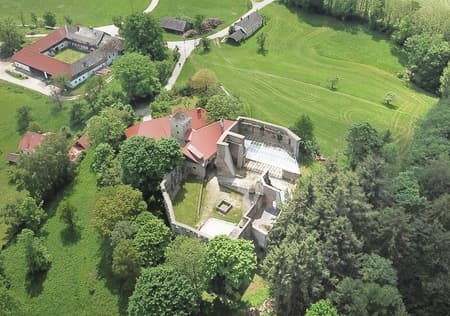
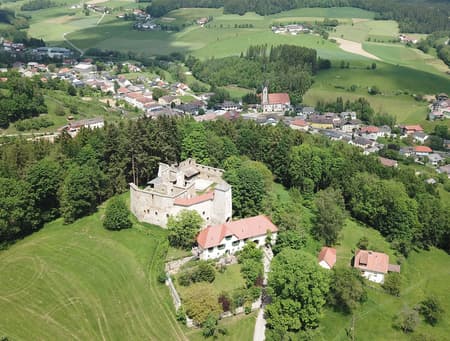
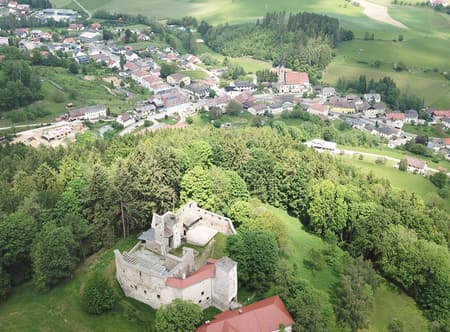
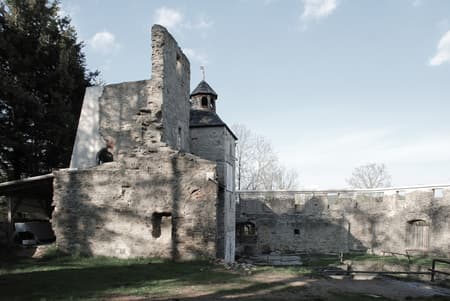
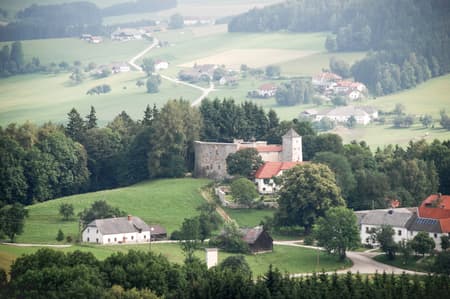
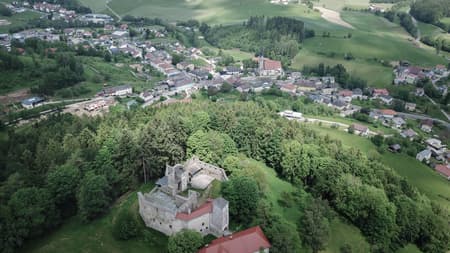
A Culture of Repair The project Reichenau Castle Ruin – Restoration Against Oblivion addresses the long-term safeguarding, further development, and cultural reactivation of a medieval castle complex in the Mühlkreis region of Upper Austria. The construction history of the castle dates back to the years 1310–1315. Over the centuries, the site underwent continuous transformation: extensions, alterations, destruction caused by fires and historical events, as well as frequent changes of ownership shaped a layered and irregular structure. This ongoing transformation came to an end only in the 20th century, when the castle was abandoned in 1932 and left to progressive decay.
Roofs collapsed, walls lost their stability, and water and frost caused lasting damage to the masonry. It was not until 2004 that a consciously long-term revitalisation process began, bringing the complex out of its state of abandonment. Tp3 Architekten took on the restoration through a phased approach, aiming to secure the historic fabric without relinquishing the character of the ruin, while at the same time enabling contemporary cultural and public use.
The starting point for the design was an in-depth engagement with the history of the site. Research in the regional archives, building-historical investigations, interviews with witnesses, and conversations with descendants of former users formed the basis for a deep understanding of the complex. This process also led Tp3 Architekten to publish a book documenting the site’s history. The knowledge gained directly informed the design decisions and resulted in an approach that understands restoration not as the reconstruction of an idealised state, but as a continuation of building on a structure with visible layers of time.
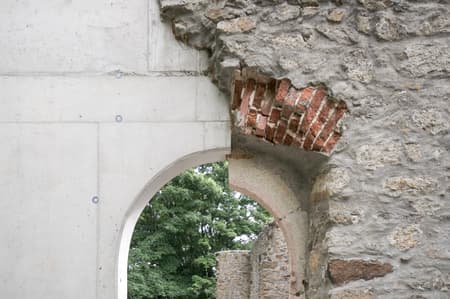
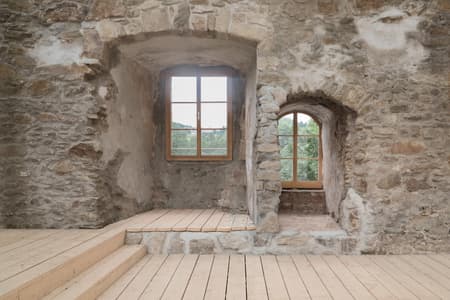
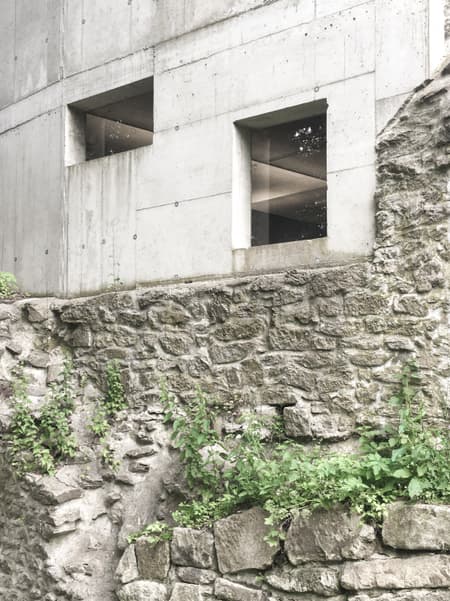
The central principle of the project is the preservation and legibility of the existing fabric. Historic substance is retained wherever it continues to perform a structural role and convey meaning. New interventions remain deliberately legible and refrain from historicising adaptation. The ruin remains a ruin, yet gains new spatial, functional, and cultural qualities. Use is understood as a key strategy of preservation.
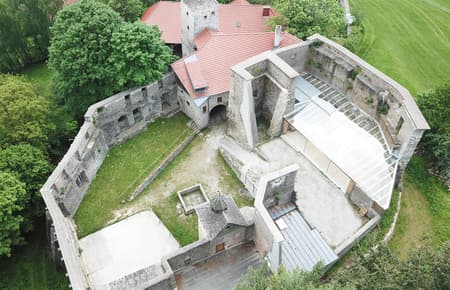
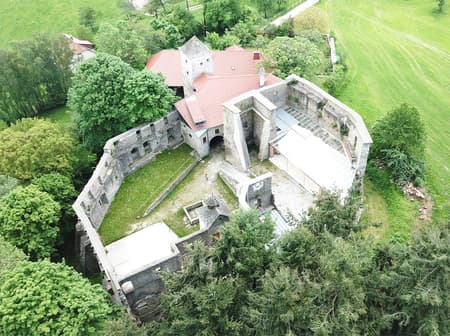
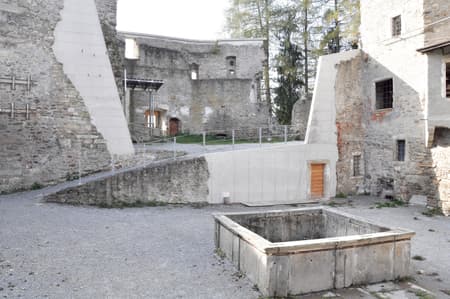
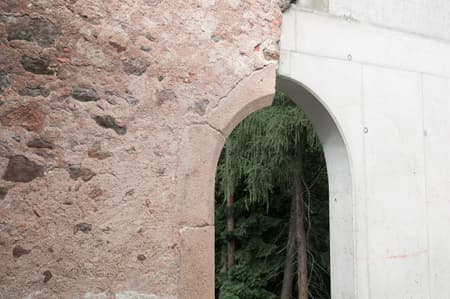
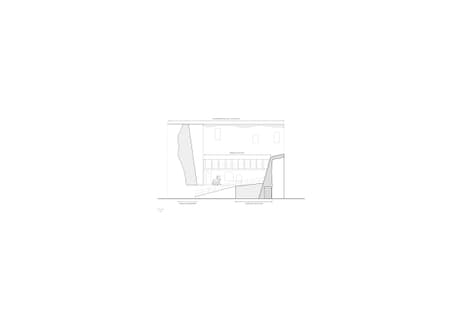
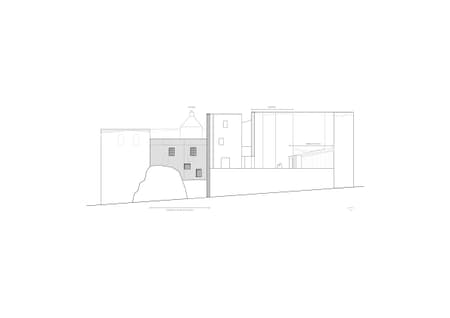
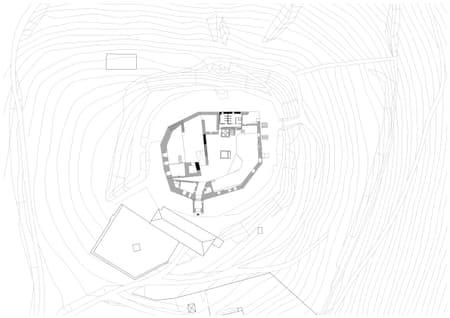
The initial focus of the construction measures was the structural stabilisation of severely damaged masonry. Particularly affected was the south-east wing with its freestanding ring wall. To prevent further loss of fabric, a continuous in-situ concrete ring beam was installed along the wall crowns. This element fulfils several functions simultaneously: it stabilises the existing masonry, protects the exposed crowns from penetrating rainwater, and serves as a structural support for a temporary grandstand canopy as part of the theatre and cultural programme.
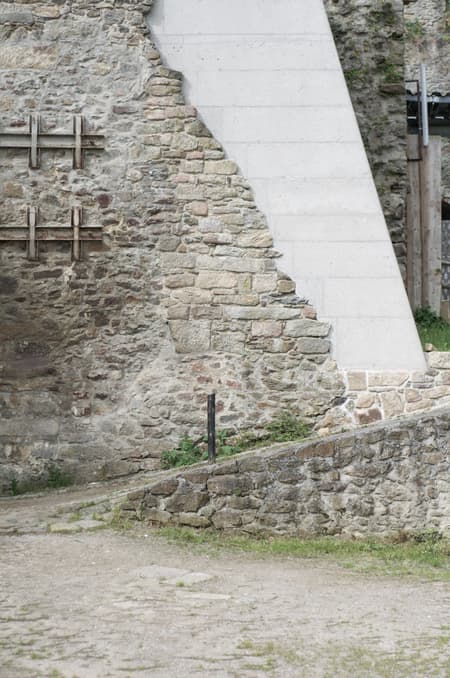
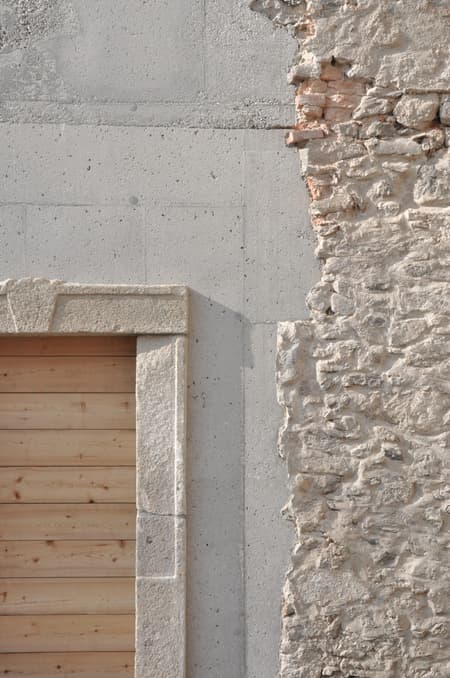
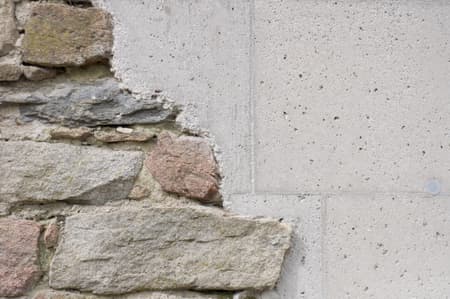
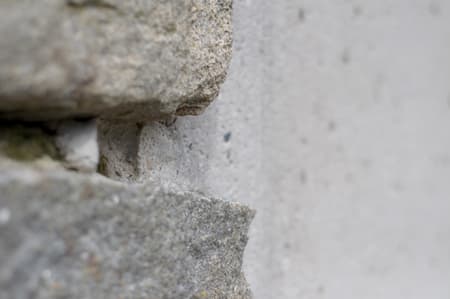
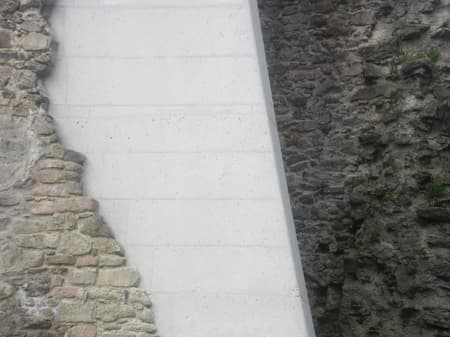
The keep (bergfried), which had long been closed for safety reasons, was also stabilised. Its severely damaged upper termination was given a new solid wall head made of in-situ concrete. Sloped concrete caps stabilise loose stone layers and permanently seal the historic masonry. The formwork was adapted to the irregular stone courses, and the concrete was subsequently sandblasted. This results in a surface that ages alongside the historic fabric without imitating it. Horizontal construction joints remain visible, documenting the step-by-step execution. At all junctions, silicone or foaming joint materials were consistently avoided; only stone, lime-cement plaster, and concrete were used.
The use of concrete does not follow a formal agenda but is structurally justified. No special concrete mixes or bespoke recipes were required; decisive factors are craftsmanship and a conscious handling of the material. Earlier repair attempts using unsuitable cement mortars had caused internal stresses and cracking, further damaging the masonry—these cement patches were removed. Concrete is used only where it is structurally necessary, durable over time, and acceptable from a conservation perspective.
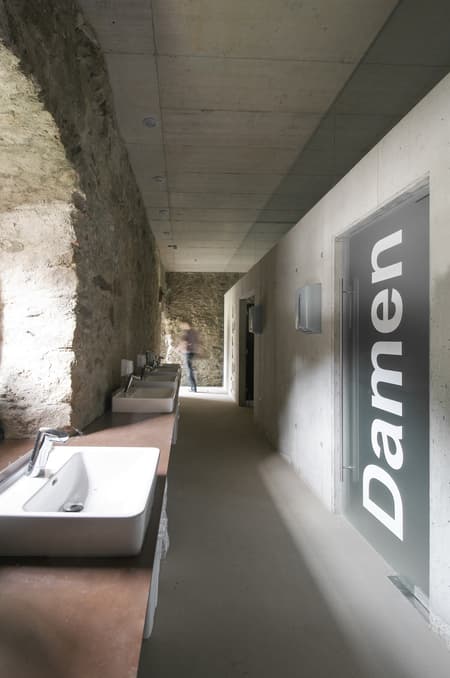
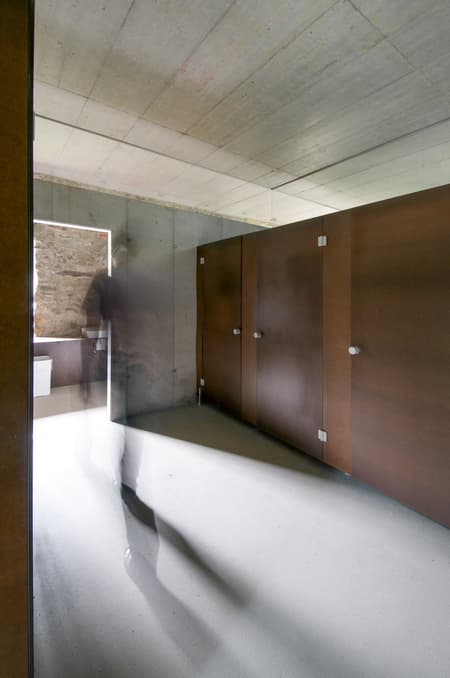
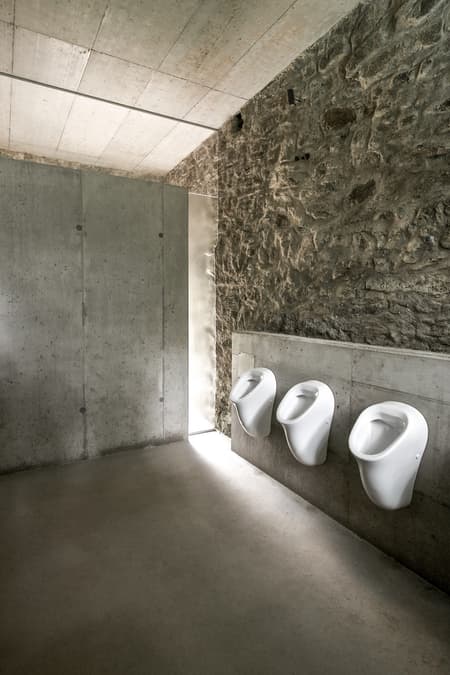
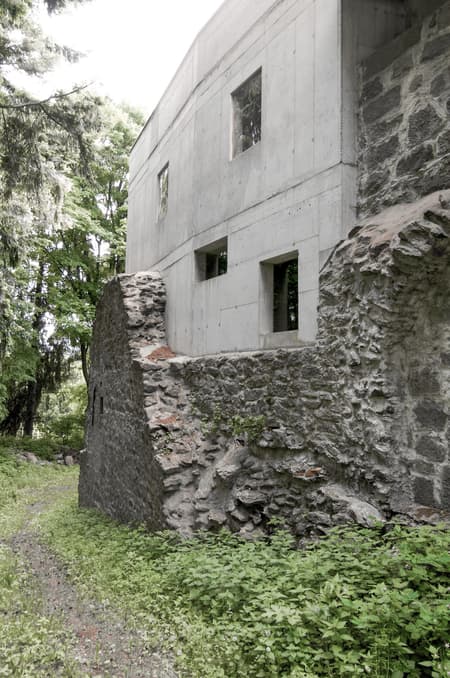
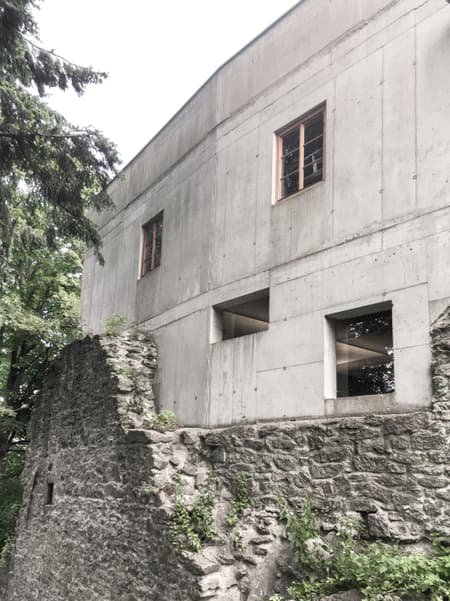
In parallel with securing the historic fabric, contemporary infrastructure was created to enable sustainable use of the site. New sanitary facilities were inserted as a compact reinforced-concrete structure between existing walls. The building is barrier-free, clearly organised in functional terms, and deliberately modern in its design. It plays a space-defining role within the ensemble, connects structurally with the existing fabric, and simultaneously establishes a new level. Its flat roof is used as a terrace, enhancing the quality of stay within the ruin.
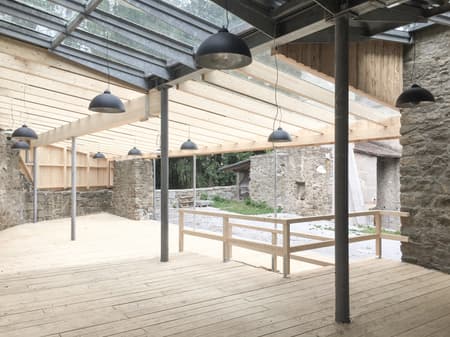
The ensemble is complemented by a lightweight pavilion made of timber, steel, and glass, which serves as weather protection during events. Concrete, timber, and steel together form a robust and functional system that complements the historic fabric without overpowering it. Here, too, the distinction between old substance and new addition remains clearly recognisable and legible.
An essential aspect of the project is the social dimension of the restoration. For a long time, the relationship between the local population and the castle was ambivalent, shaped by historical compulsory labour obligations and later by a loss of significance. Through the structural restoration and the intensive historical research, not only was the castle repaired, but the relationship of the residents of Reichenau to their long “forgotten” cultural asset was redefined. The publication resulting from this research—a 126-page book written by Tp3 Architekten—documents this process and contributes directly to financing further conservation measures through its sales.
Today, Reichenau Castle Ruin is once again a vibrant place. Theatre performances, concerts, festivals, and cultural events integrate the site into the economic and social life of the region. Preservation is not understood as a static condition, but as an ongoing process. The architectural interventions provide safety, infrastructure, and flexibility without levelling the history of the place.
The project demonstrates an integrated approach that combines conservation care, structural clarity, and cultural use. Reichenau Castle Ruin is not merely preserved—it is continually built upon, as a structure with a past, a present, and a future.