Shengsi Archipelago is located within the jurisdiction of Zhoushan City, Zhejiang Province. It is situated east of Hangzhou Bay and southeast of the Yangtze River estuary. The archipelago consists of 193 islands, including 9 inhabited islands and 184 uninhabited islands. Over the years, Zhoushan Archipelago has aimed to become an international marine vacation destination by continuously upgrading its passenger transport network and attracting a variety of dining and hotel establishments.
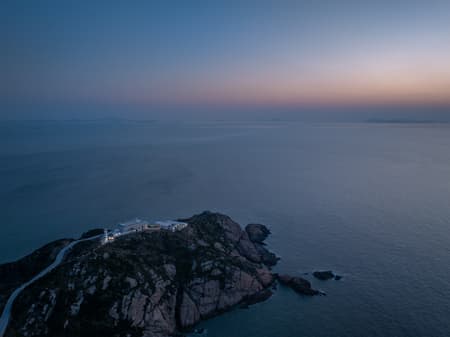
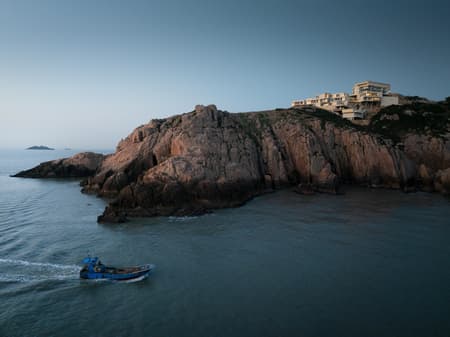
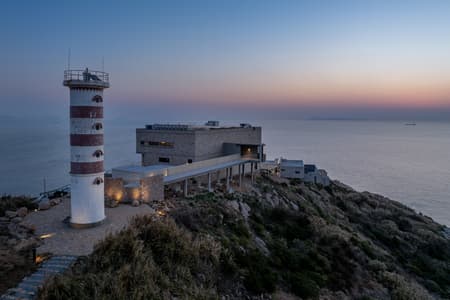
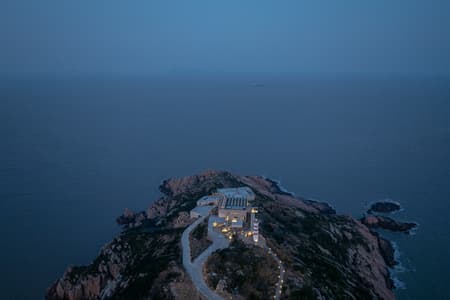
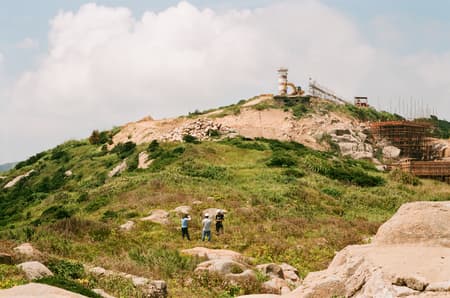
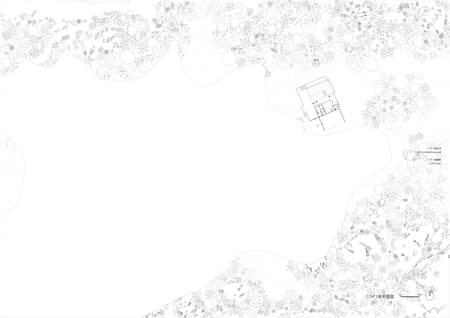
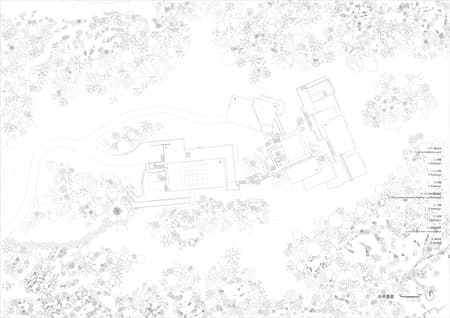
This project is located on Huanglong Island, one of the Shengsi Archipelago islands. It is only a 15-minute ferry ride from the main island of Shengsi Archipelago. Huanglong Island is named for its majestic mountains and yellow soil, which from a distance resemble a yellow dragon coiled by the sea. Compared to more well-known areas of Zhoushan Archipelago, such as Zhujiajian, Putuo Mountain, and Dongji Island, Shengsi was developed relatively late. However, because it is less commercialized, it offers a more leisurely and secluded experience, and its popularity has been gradually increasing in recent years. The hotel is located next to the old lighthouse in Dongzuitou Village, Huanglong Township, surrounded on three sides by the sea, adjacent to rock formations and the Chibo Mountain scenery, and it offers an unobstructed 270-degree sea view.
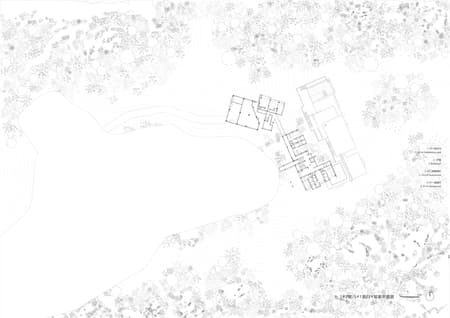
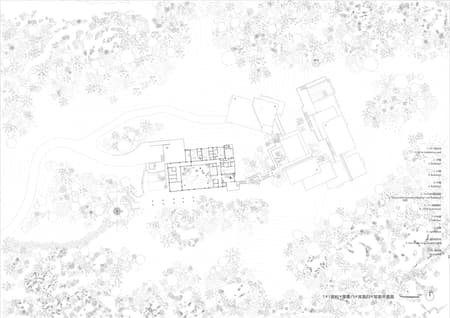
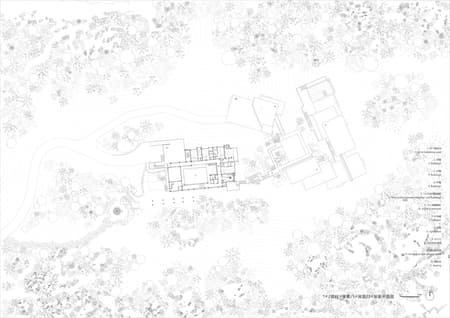
The hotel covers an area of over 4,000 square meters and took six years to complete. Inspired by the unique rocks of Huanglong Island and centered on the concept of "coexisting with nature," the building is embedded into the top of the rocky outcrops, preserving the historical traces of the lighthouse. A walkway connects the lighthouse and the hotel, creating an immersive experience akin to a maritime museum. After the completion of the civil engineering works, we were invited by Delaine to design the interior of the hotel.
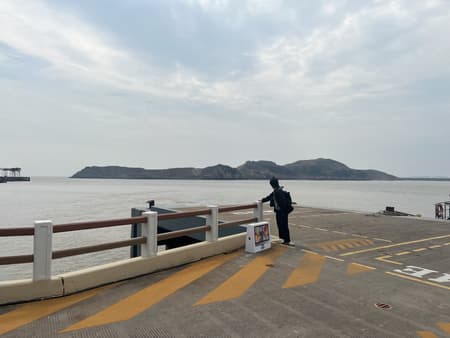
Our first visit to the site was in August 2023, and we were struck by the vast expanse of the blue sea. To reach the island, one must first take a ferry from Shenjiawan Passenger Terminal to Lizhushan Terminal on the main island of Shengsi, and then transfer to another ferry at Wulong Terminal to reach Huanglong Island. The passenger ferry is divided into two decks; tourists can enjoy an endless sea view from the deck and have an amazing experience.
Due to the island's high mountains and steep roads, flat land is scarce. Therefore, the construction of ancient houses was adapted to the terrain, with foundations cut into the mountains and buildings constructed along the slopes. The walls of the island's dwellings are built with smooth and hard granite blocks, with each block carefully stacked to form walls. In ancient times, sand and lime were used to fill the gaps between the stones, while nowadays, a mixture of cement and yellow sand is used, making the structure very sturdy. The remote location and unique transportation conditions of the island required us to carefully consider the construction techniques and materials for the entire project.
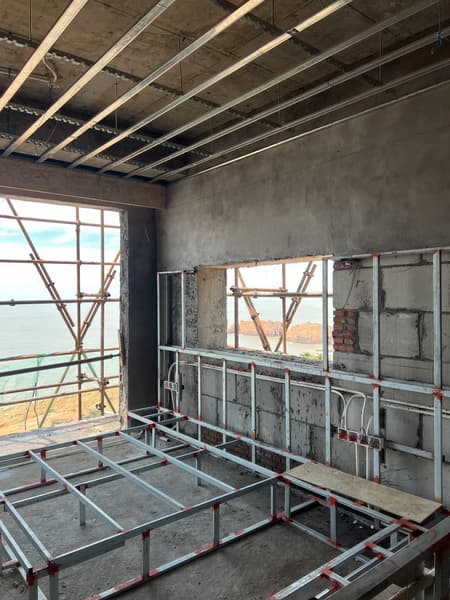
As a leading domestic brand in the boutique lodging industry, Lost Villa aims to boost the island's tourism economy through this project on Huanglong Island in Shengsi, thereby enhancing the income of local residents and creating a positive economic cycle, in line with Lost Villa's consistent ESG (Environmental, Social, and Governance) philosophy. Due to the site being located on rocky cliffs, large machinery could not be used for construction, so all materials had to be dimensionally controlled, limited to sizes and weights that could be handled by two workers. By the time we took over, the main civil structure of the project was largely completed. We needed to optimize the dimensions and proportions of the building's doors and windows and reconsider the exterior wall materials. The island's extremely humid climate and the occurrence of two super typhoons annually imposed high demands on the building's wind pressure resistance and moisture and corrosion resistance.
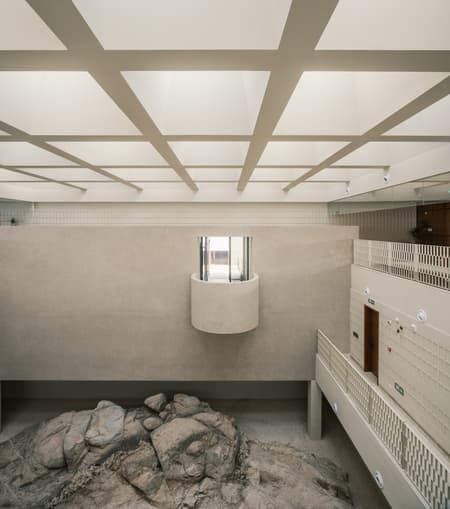
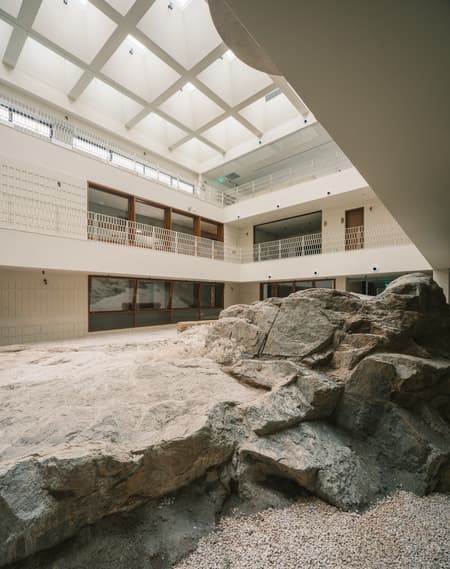
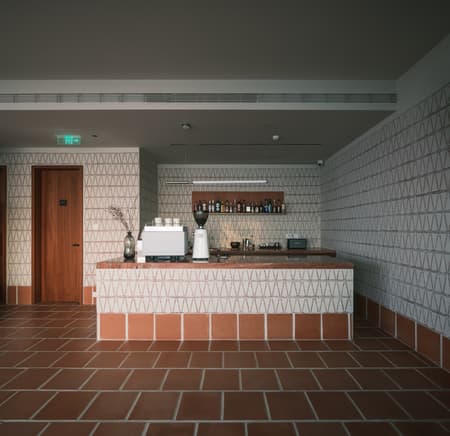
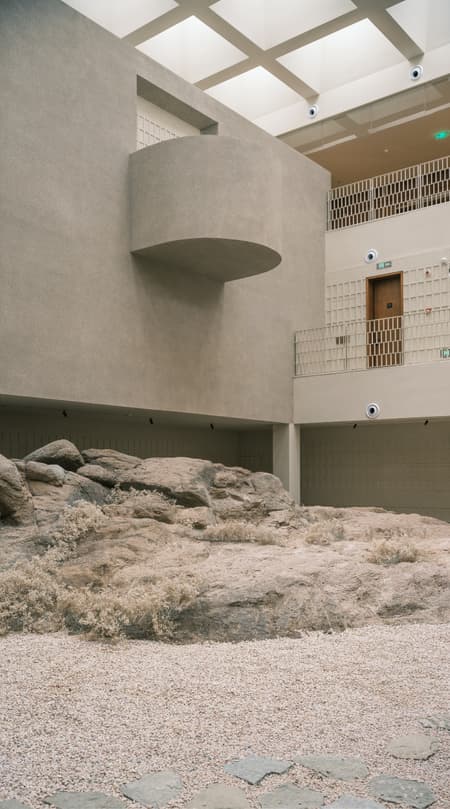
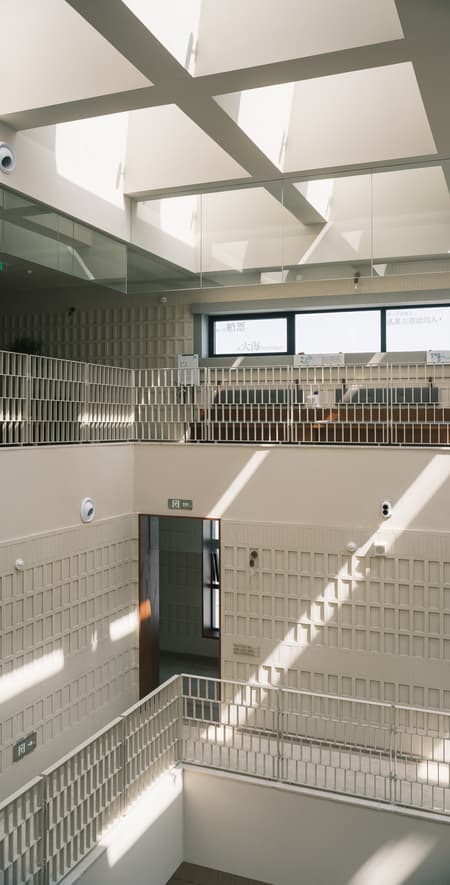
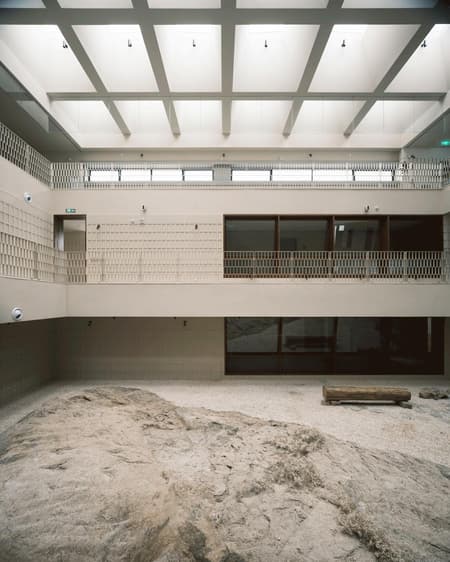
Inspired by the original stone houses and walls on the island, the metaphors within the space and materials revolve around "stone." The decorative language of the main lobby features collages and combinations of fire bricks. When guests pass by the stone houses and enter the hotel lobby, the brick textures continue the appearance of the stone walls. The use of beige textured paint on the brick surfaces contrasts with the original stone walls, highlighting the exposed rocks in the atrium. The recessed and protruding arrangement of the bricks transforms the flat patterns into three-dimensional forms, creating an interplay of light and shadow. The uniform size of the fire bricks greatly facilitates transportation and installation.
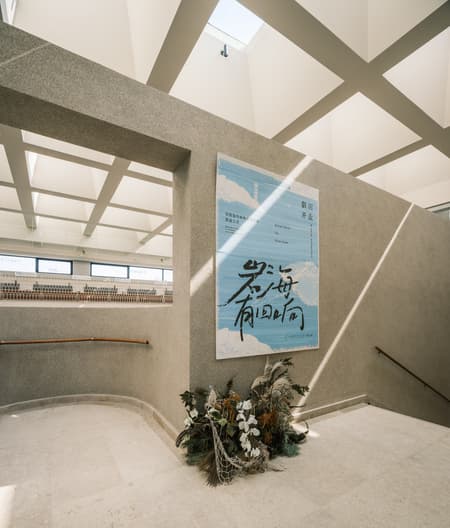
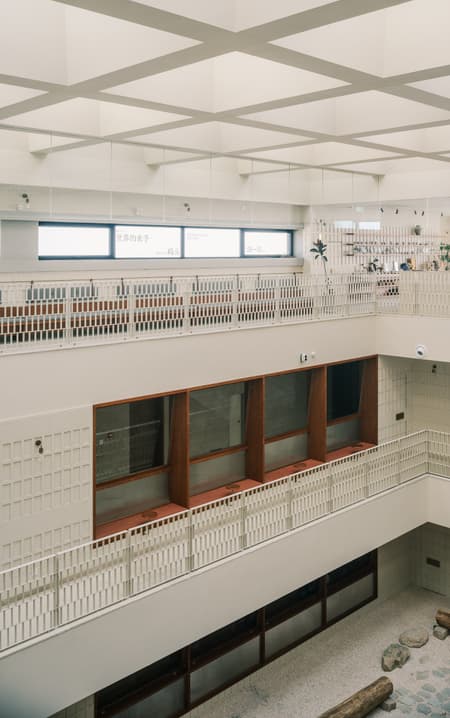
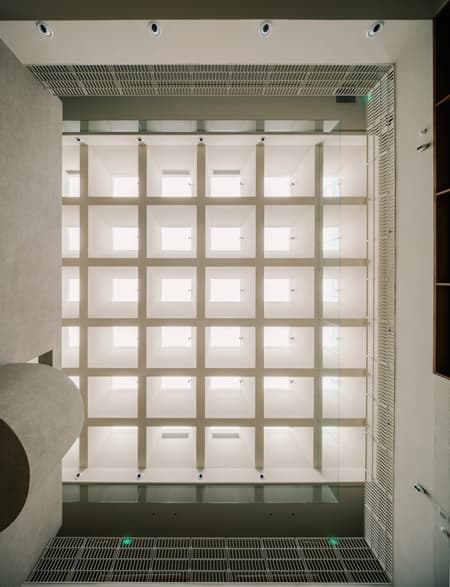
When guests enter the hotel, the first thing that catches their eye is the visually striking open space and the rocky atrium. We have leveled the gaps in the previously inaccessible rocky area, using gravel and leftover stones from the construction foundation as stepping stones, allowing guests to gradually explore the rocky area via stairs. As they transition from flat ground to rocks, the sudden openness of the space allows guests to truly perceive changes in scale and light. Inside the atrium, large-scale rocks and sunlight streaming through the open grid beams create a unique interplay of light and shadow, enabling guests to experience the island's distinctive geological features indoors, as if they were on a natural miniature island.
In the atrium's open space, we adjusted the dimensions of different surfaces to fit the brick modules, ensuring that the bricks remain uncut and used as whole pieces, providing visual continuity and coherence.
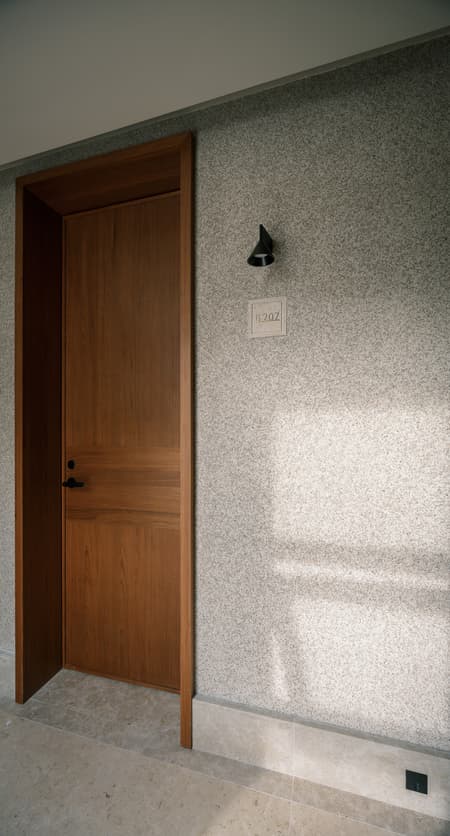
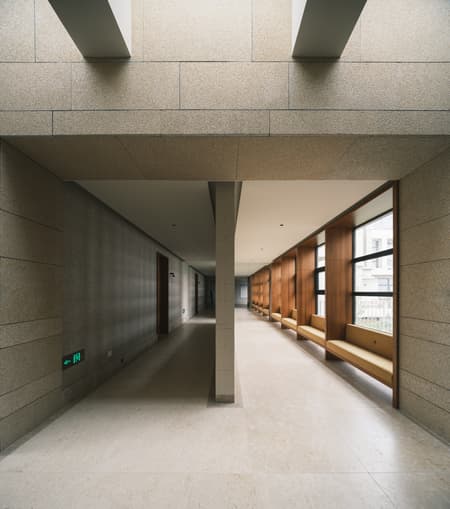
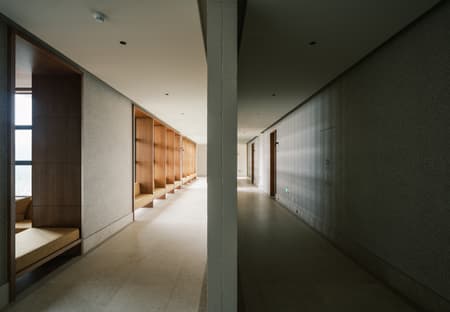
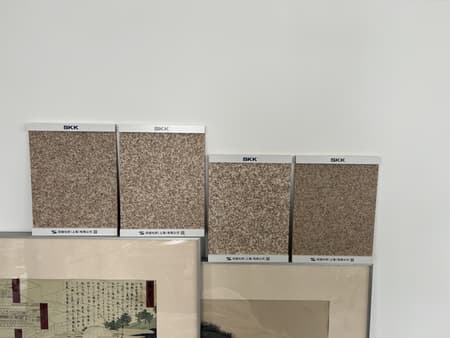
The corridor walls in the guestroom areas are coated with light coffee-colored real stone paint, contrasting with the latex paint on the ceilings.
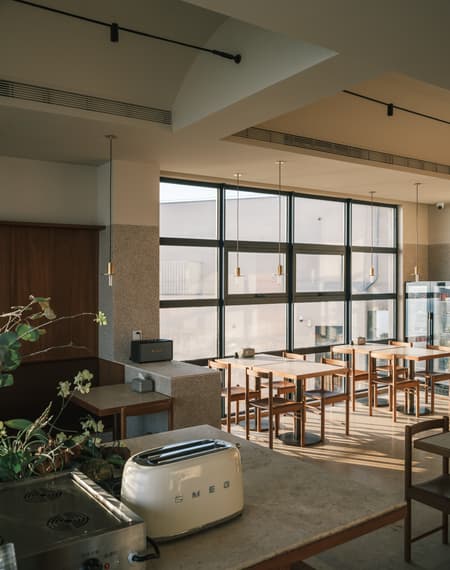
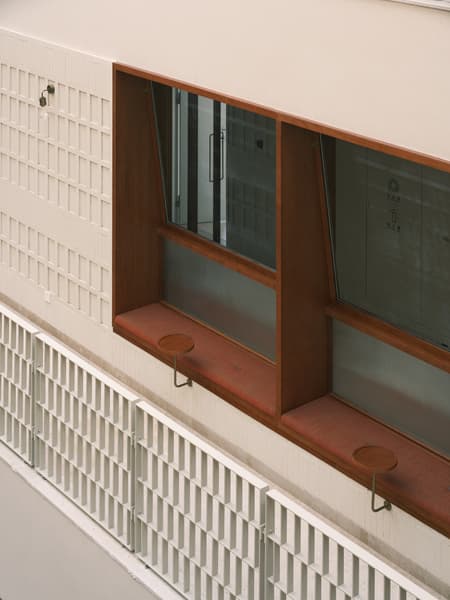
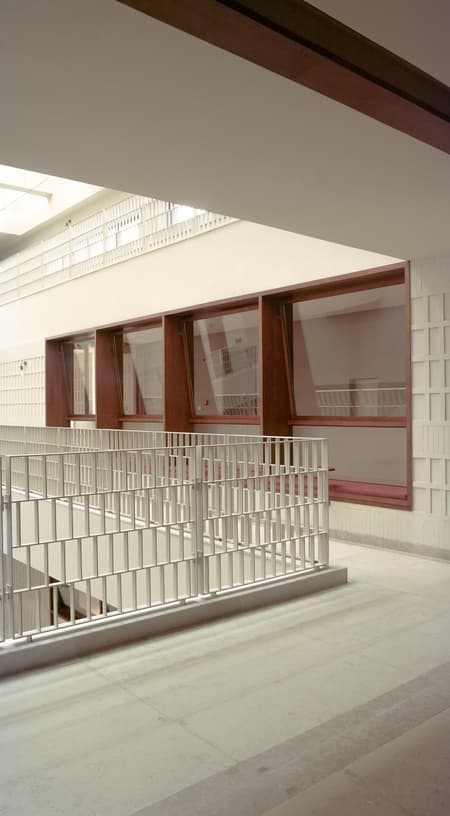
After optimization discussions with the manufacturer, we have readjusted the sizes of the doors and windows, lowered the height of the window lintels, and subdivided the large glass panels into smaller sections. This not only reduced the area of the doors and windows, thus minimizing sun exposure and the destructive impact of strong winds during typhoons on large glass surfaces, but also met the spatial requirements for the indoor air conditioning duct ceiling. During construction, the doors and windows withstood two Category 12 typhoons without any damage or leakage.
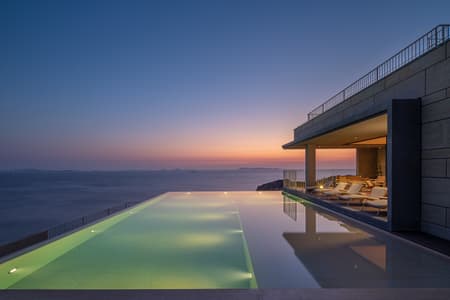
The pool, originally a single-sided infinity pool, has been adjusted to an L-shaped infinity pool, visually merging the pool with the sea.
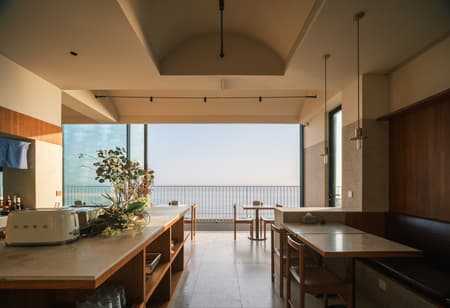
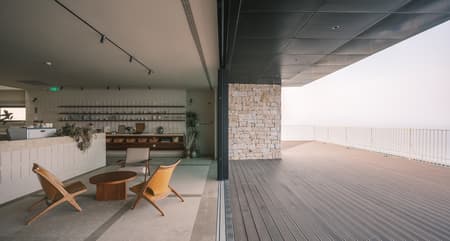
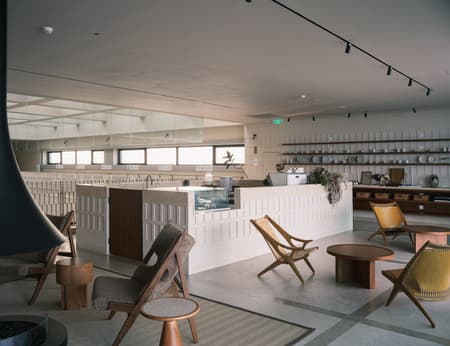
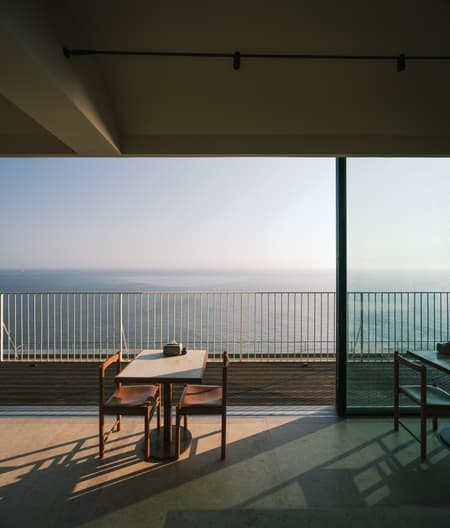
In the bar area, we opened up the previously enclosed glass curtain walls, allowing guests to face the sunset without obstruction and directly experience the warm sun slowly descending into the sea.
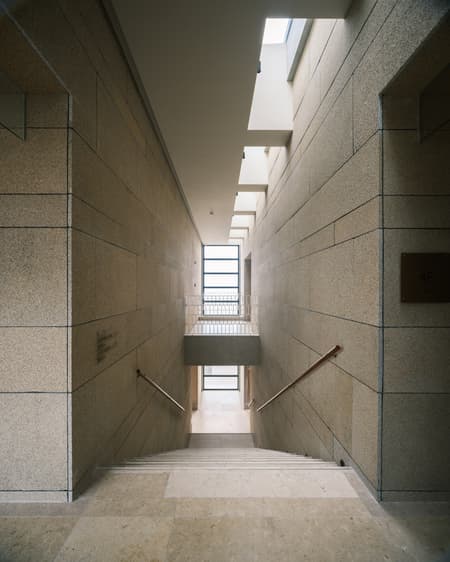
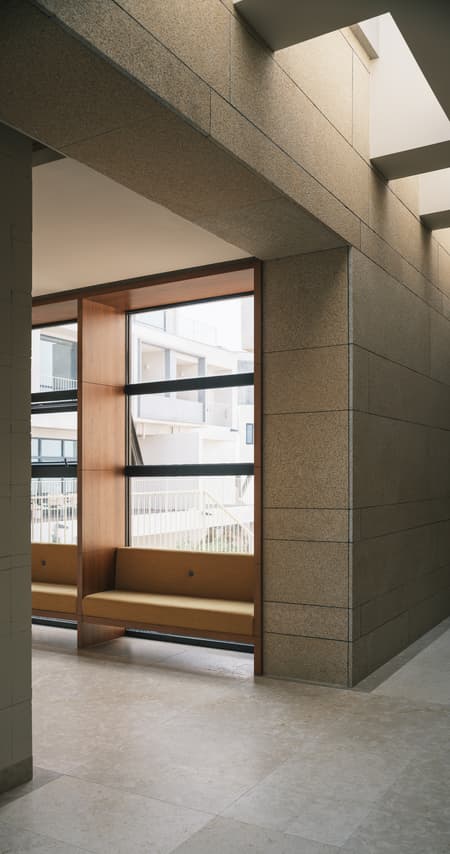
For Building 1, we chose to use small rough stone blocks measuring 20050030mm for the exterior wall material, whose natural texture echoes the rocky landscape, creating a simple and natural style. The stone walls of Buildings 2, 3, and 5, as well as the indoor public area, utilized different jointing methods with a module size of 30060015mm to visually create a large granite panel effect. Other interior and exterior walls were decorated with real stone paint that can be quickly sprayed, shortening the construction period.
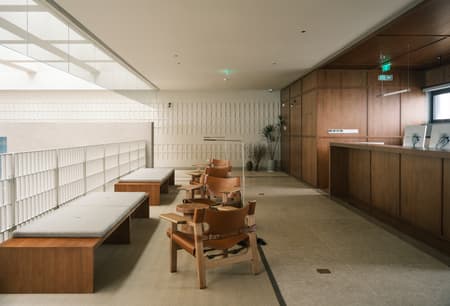
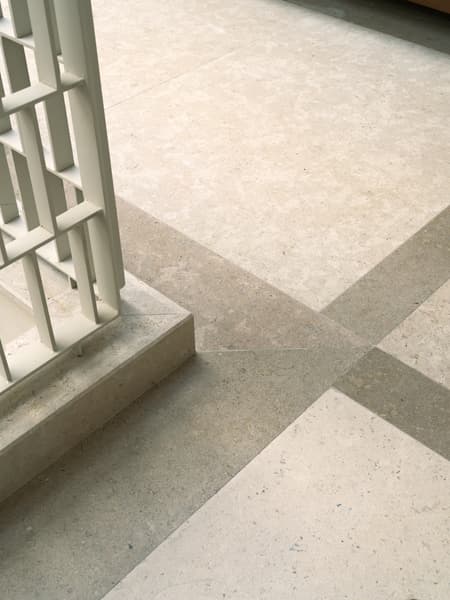
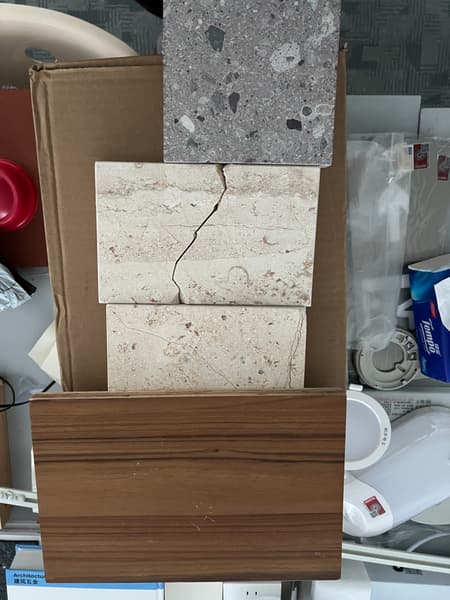
The public area floors are covered with beige natural marble, distinguishing different areas using the same color with different finishes.
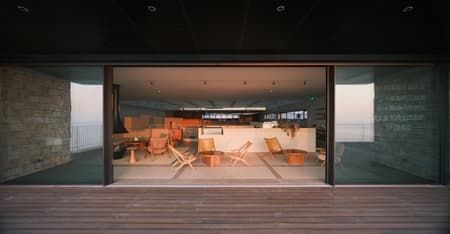
We have placed the coffee area on the eastern side of the public space. The original large fixed glass panel has been replaced with four heavy sliding doors. When opened, they blur the boundary between indoors and outdoors, allowing guests arriving on the island to face the sea directly and enjoy the warmth of the sunrise.
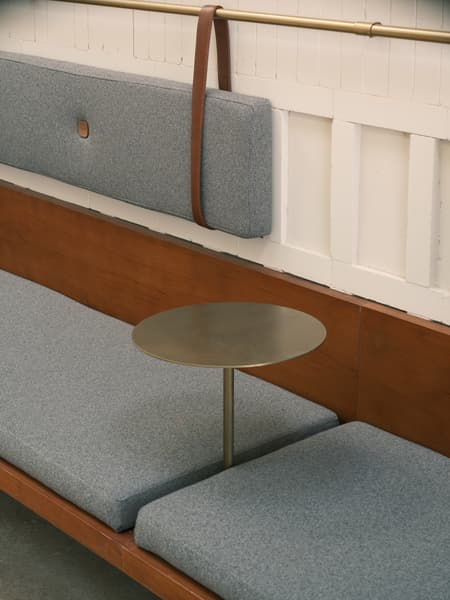
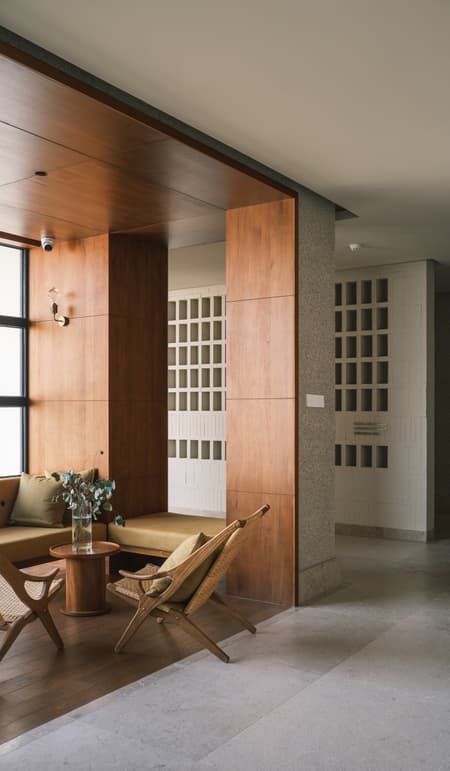
Due to the hotel’s architecture being scattered across the rocks and built along the slope, the corridors in the public areas are relatively long. After dividing the glass curtain walls, we set up window-side seating along the corridors of each building, according to the segmentation of the curtain wall. This allows guests to stop and rest while roaming the hotel, enjoying the view outside the windows along the way.
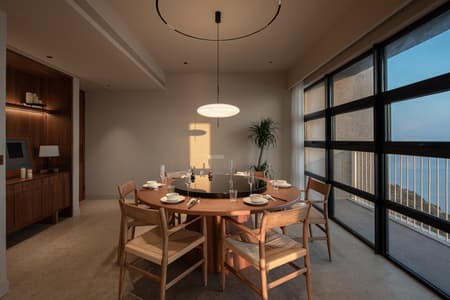
In the restaurant area, we have recessed the facade boundaries of the private dining rooms to form independent balconies, where guests can step out to enjoy the expansive sea views while dining.
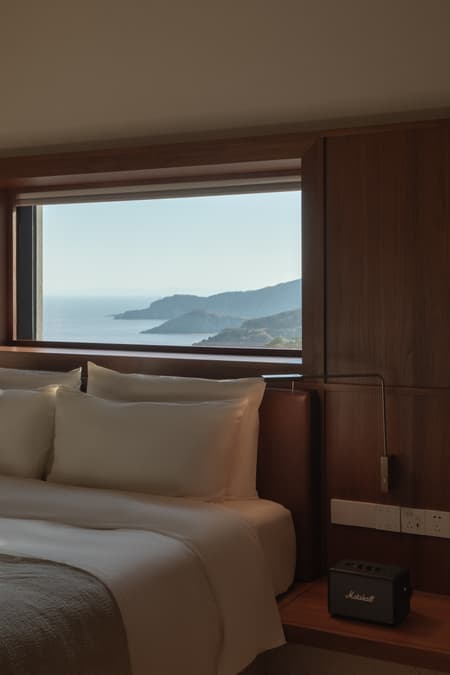
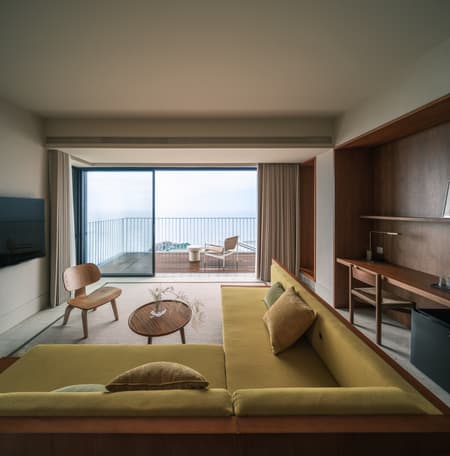
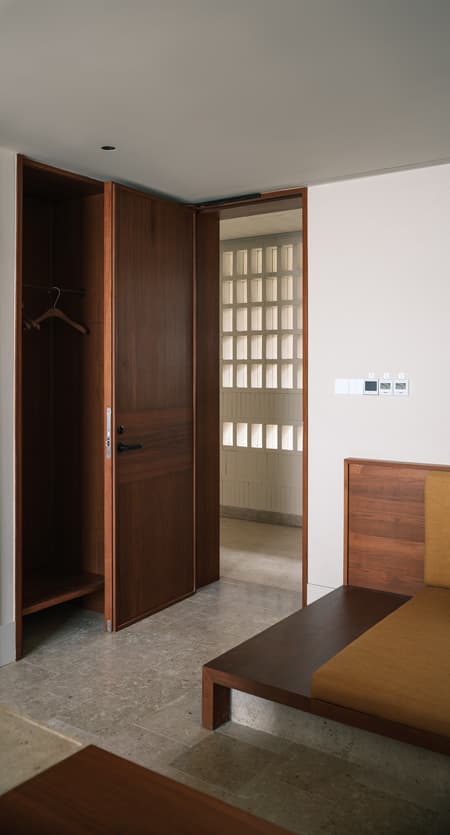
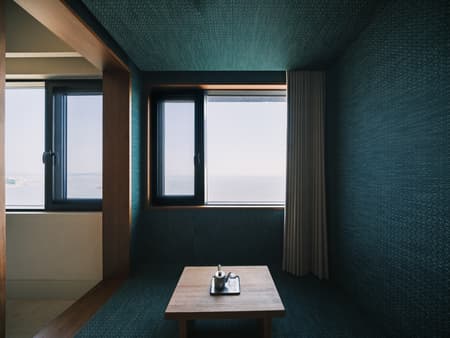
We designed two styles of guest rooms to offer guests diverse experiences. In Building 3's guest rooms and the pool bar area, we selected orange clay bricks and orange hollow clay bricks as the primary decorative materials. The hollow bricks on the walls are treated so that after filling the joints with conventional white mortar, the brick surfaces are gently sanded to reveal a subtle appearance.
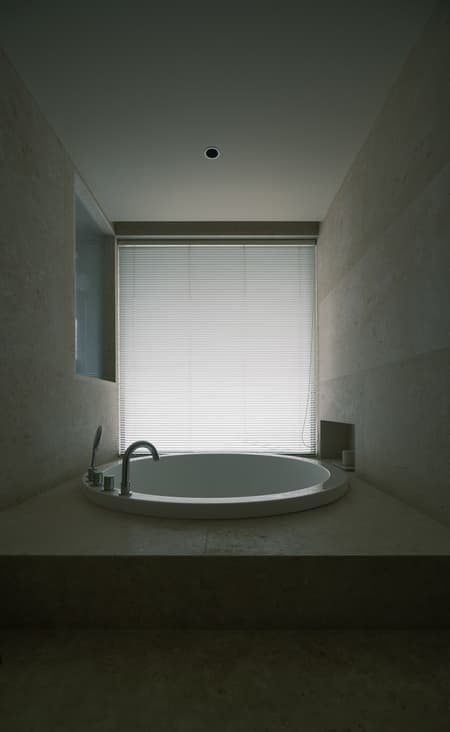
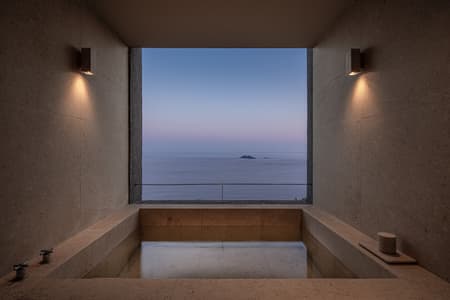
We transformed the originally enclosed indoor bathroom soaking area into a semi-outdoor soaking pool, recessing the building's doors and windows to the shower area. This allows guests to directly face the sea and feel the sea breeze when entering the soaking pool.
To enhance guests' experience of Huanglong Island's natural scenery, we opened up the originally enclosed bathrooms and designed the soaking tubs as semi-outdoor gray spaces. This design eliminates the obstruction of glass, solving the issues of transporting large glass panels and the inability to hoist them onto the rocks. In these nature-integrated soaking tubs, guests can enjoy comprehensive spa services and indulge in island cuisine.
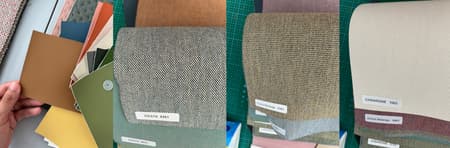
As one of the largest resort hotels on the island, we have provided ample public and private spaces, utilizing a rich variety of materials. Through different colors, textures, and craftsmanship, we have defined the spatial attributes. Elements like lattice clay bricks, hollow bricks, and granite cleverly pay tribute to the history and culture of the fishing village, blending the island's history with contemporary charm. Natural materials such as clay bricks, sandstone, real stone paint, and teak wood veneer are used throughout the project, from the lobby atrium and guest rooms to the soft furnishings. These materials not only imbue the spaces with a natural and rustic texture but also complement the surrounding environment, further showcasing the harmonious coexistence of the project and the island's nature.
In recent years, Shengsi County has focused on its core positioning as the "Yangtze River Delta Island Leisure Tourism Resort Destination," building a differentiated and sustainable tourism development system based on ecological protection, cultural empowerment, and holistic linkage. It has become an international tourist island. We hope that every guest who visits the island can have a wonderful time, slowing down to experience the unique scenery of the island's fishing village.