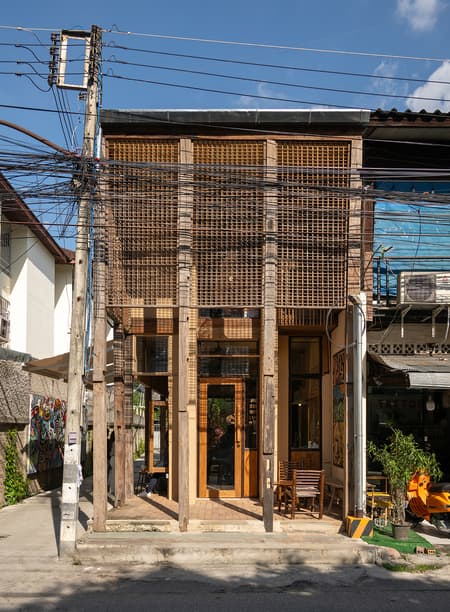
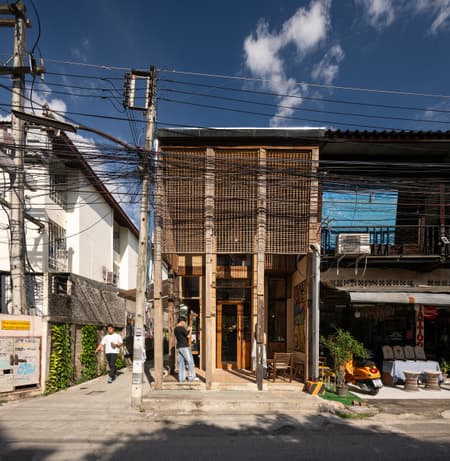
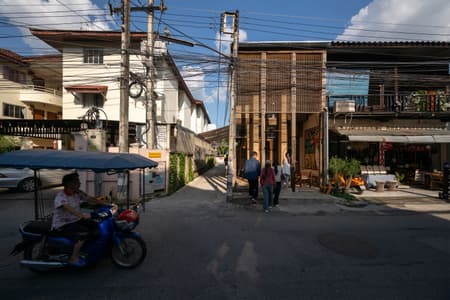
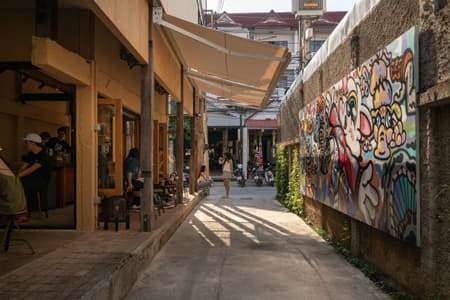
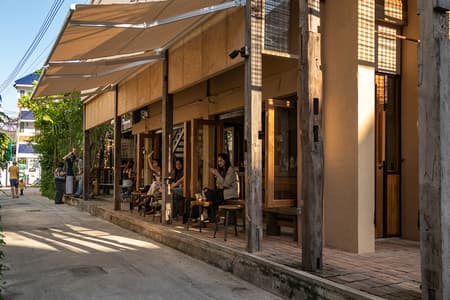
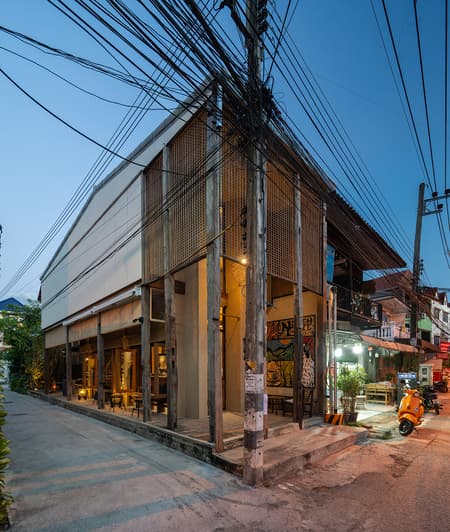
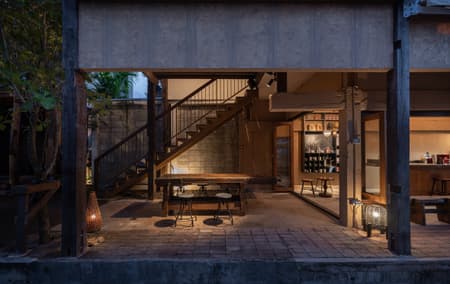
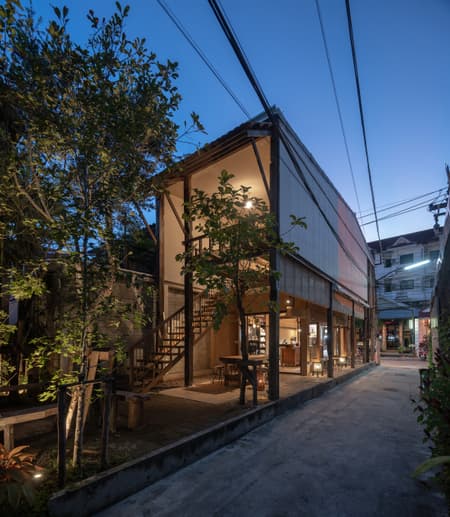
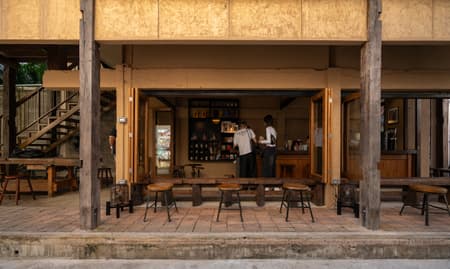
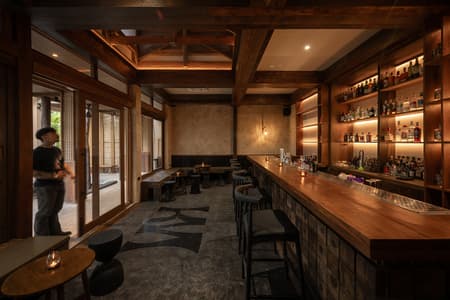
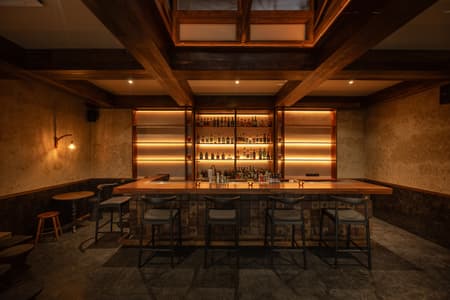
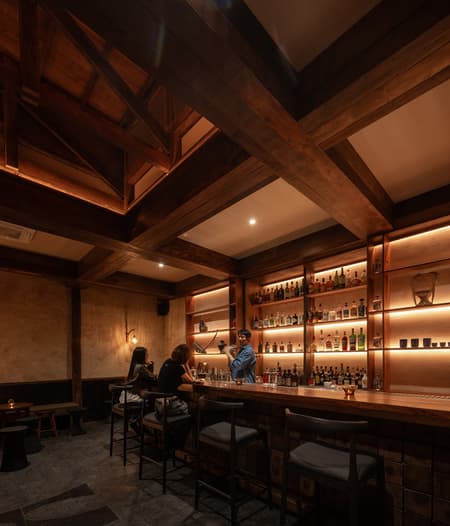
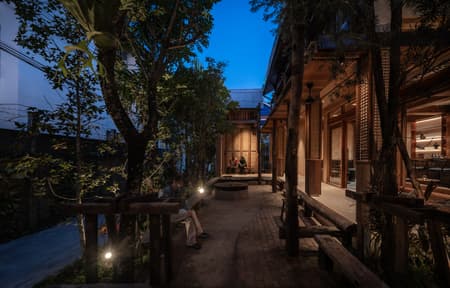
While public space in Thailand is still mostly shaped by private entrepreneurs rather than by urban planning or local government. Northgate Spirit is a creative extension project from the North Gate Jazz Co-op, a street-jazz venue that has been part of Chiang Mai’s old town for over 19 years. Located on Ratchapakinai Road within the inner moat, the space takes into account the creation of a commercial area that can connect with and support public spaces accessible to all. This resulted in a multi-functional space combining a coffee shop, garden, and bar.
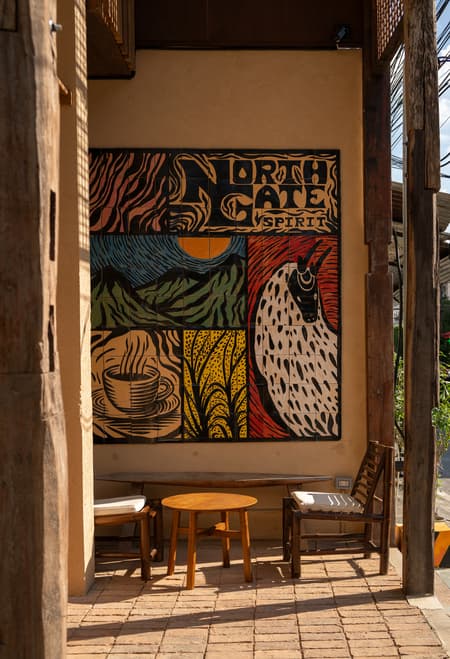
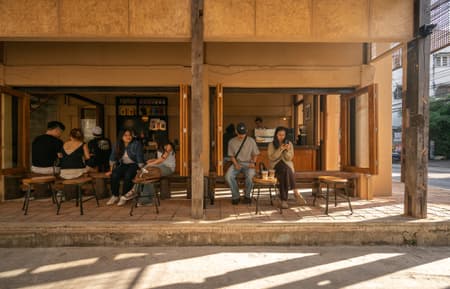
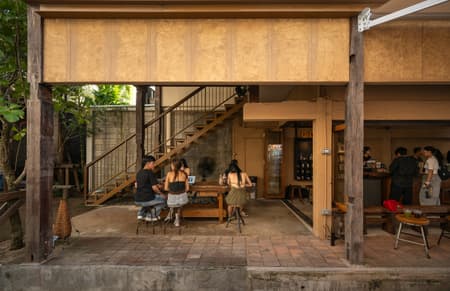
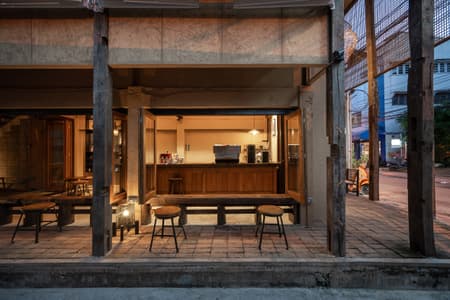
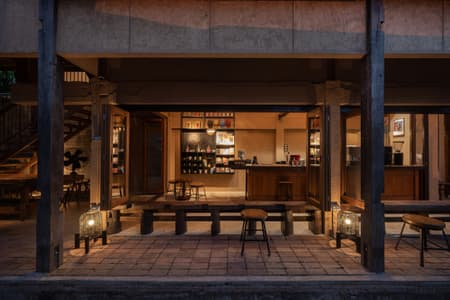
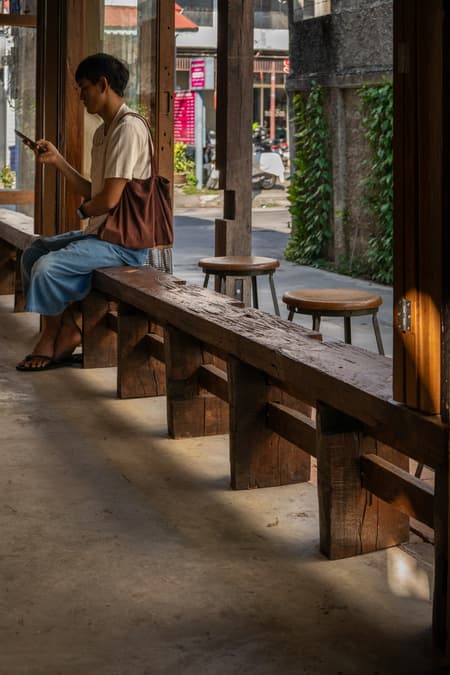
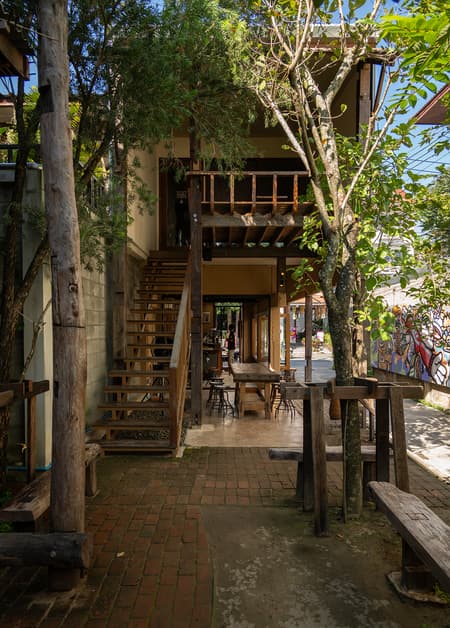
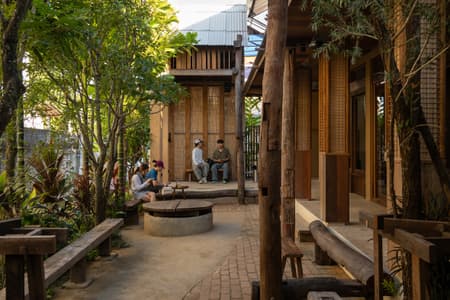
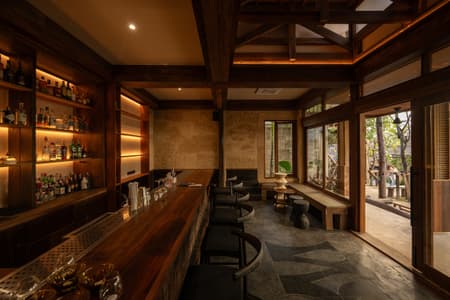
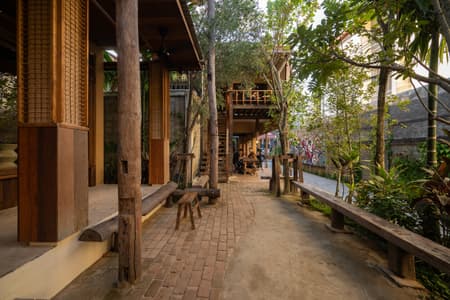
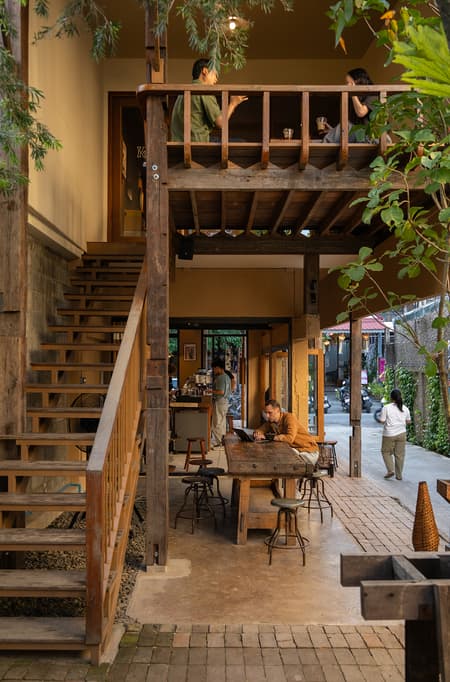
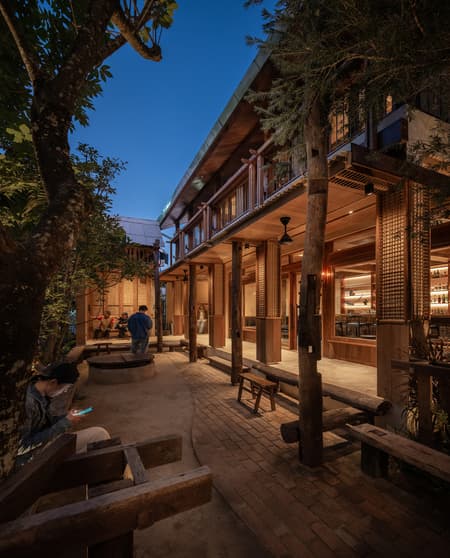
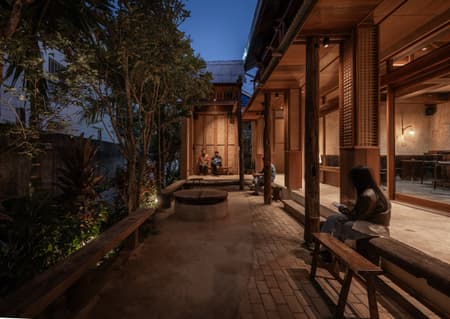
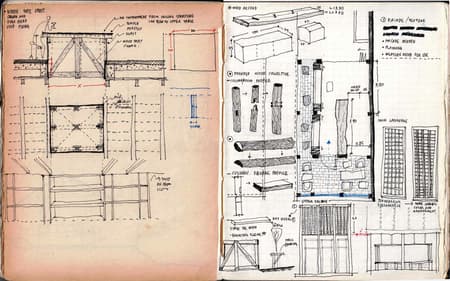
An old shop-house with close solid walls was renovated and re-sequenced from street to interior. The café faces from the main road with a narrow lane runs inward until reach a 4.3 m wide community garden and then to the bar, which opens at night. The design incorporates open side facades of cafe, transforming the walls into furniture within the shop to create connection and expand the scale of the small alley. The interior space of the coffee bar flows seamlessly through the architectural plane of the wall and the street, becoming one with it. The lane is animated with local graffiti and handmade ceramic drain covers by neighborhood artists, installed with owner support and community permission. Even a 15 cm planting strip along a wall was planted as a pledge by the operators to care for the street and the neighborhood.
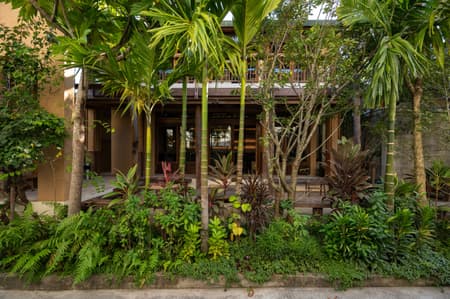
The garden, only 4.30 meters wide, is designed without fences, unlike the typical building types found in commercial or residential areas in the old city. Due to the high value of the land, people usually try to utilize it as much as possible. However, this community garden utilizes legally mandated green spaces and setbacks to create a garden that takes up more than half of the land area of the land. This creates a pocket garden that the public, clients, and the community can enjoy. In addition to connecting commercial functions, it also hosts civil society events, political campaigns, and free music in the garden, becoming a landmark and residence for jazz and ethnic musicians who travel from around the world.
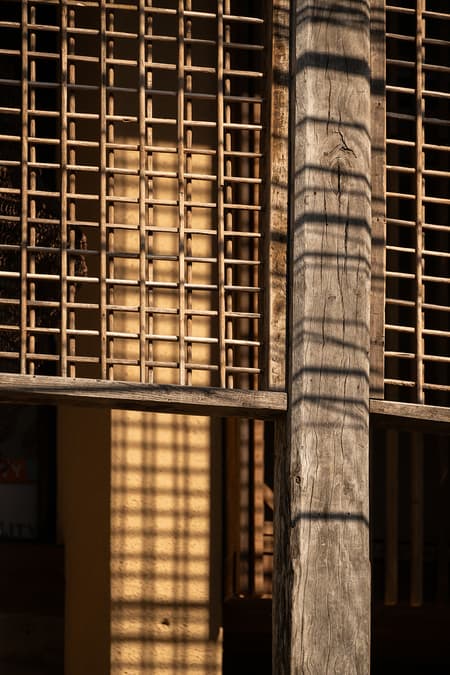
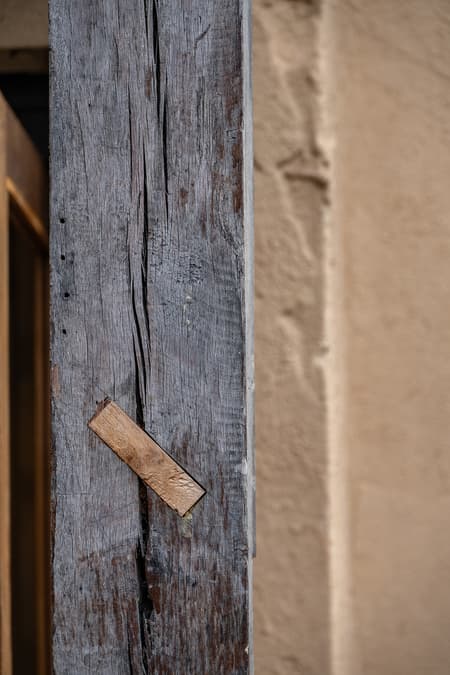
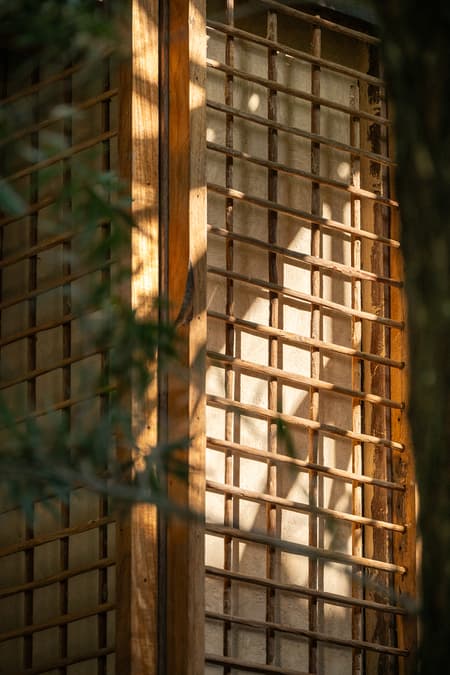
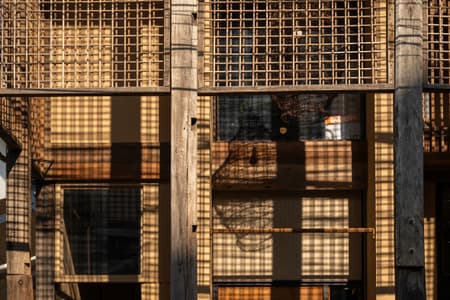
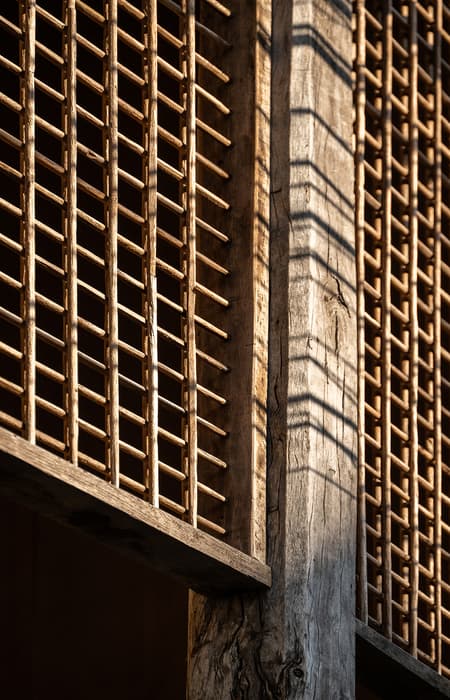
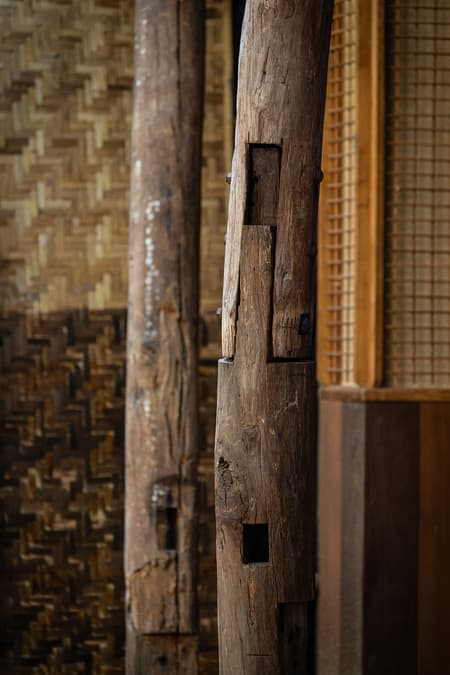
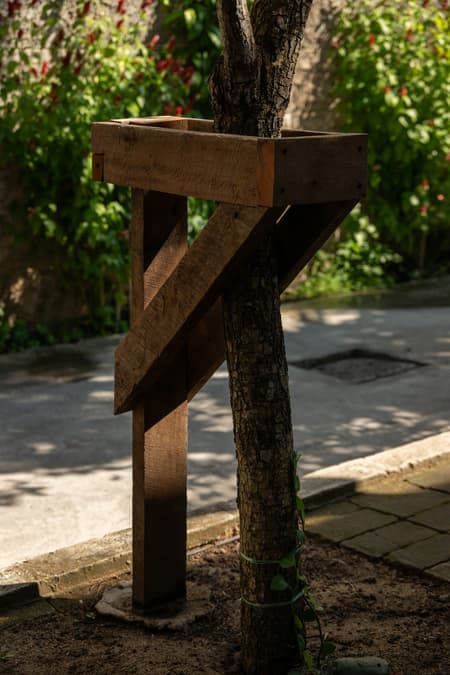
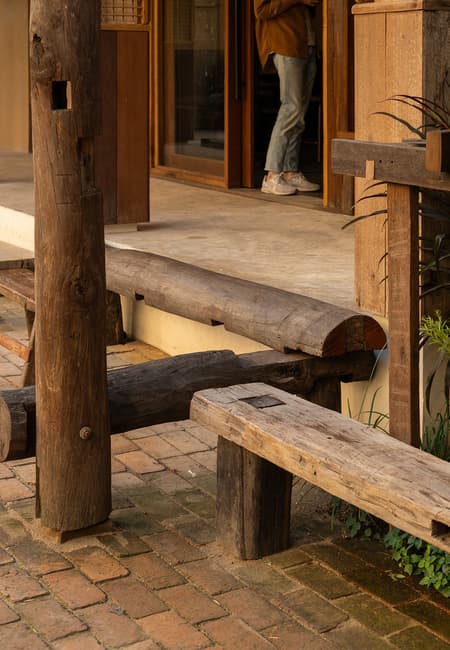
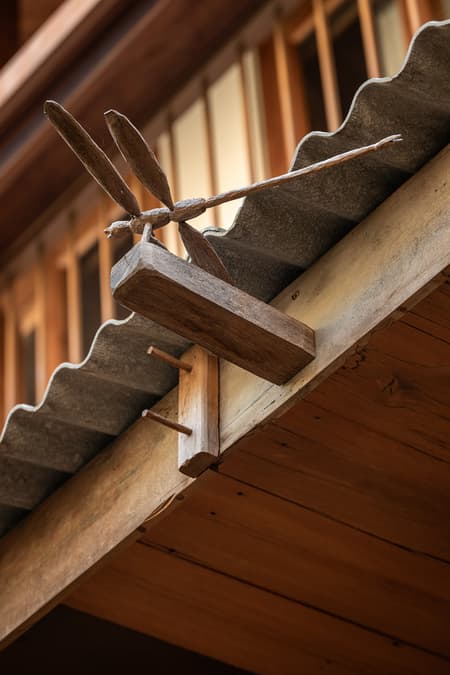
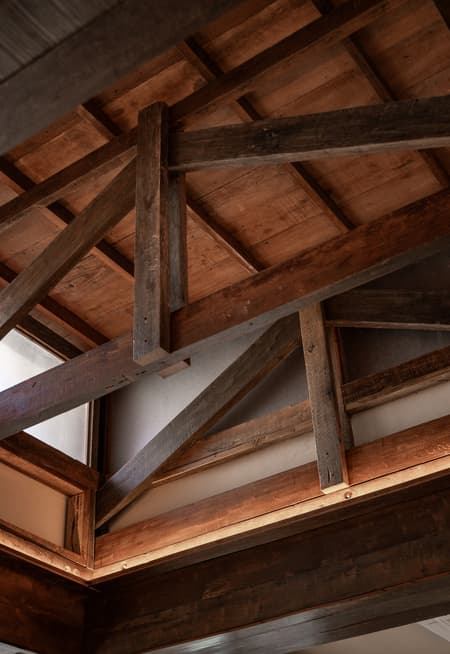
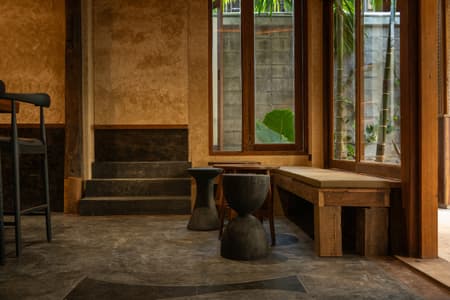
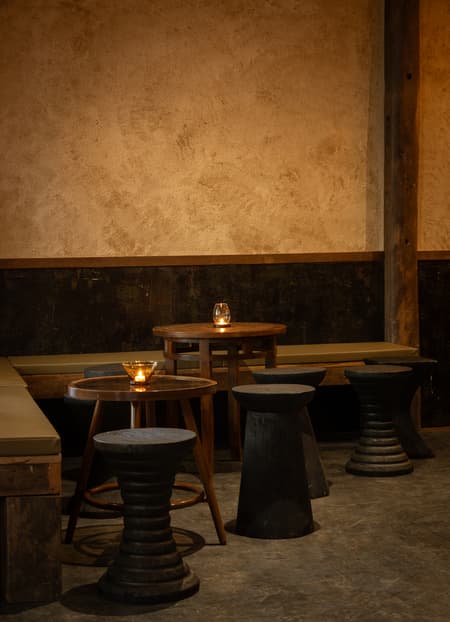
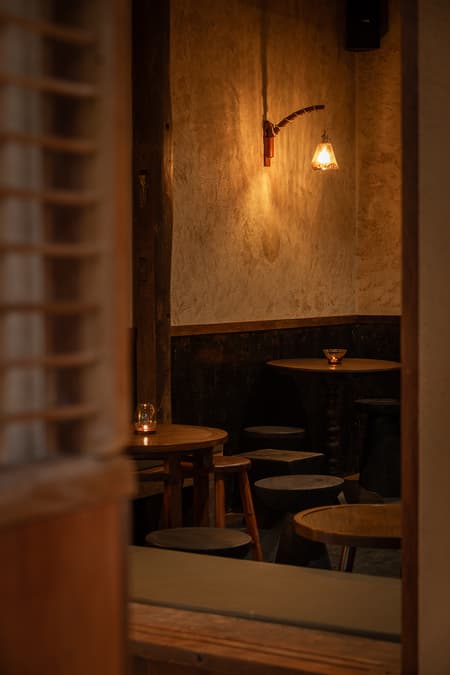
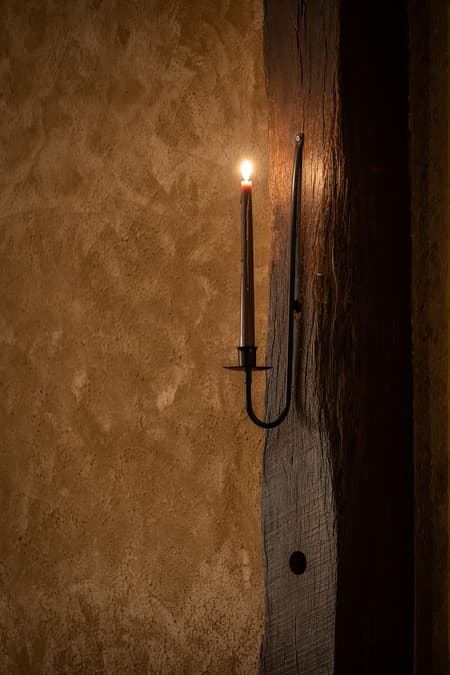
Over 70% of the construction uses reclaimed wood collected by the owner. Large pieces of wood profile are used with minimal processing, resulting in visible wood grain of varying sizes. Smaller planks are cut and shaped to create handcrafted woven wall coverings, a collaborative effort by the community staff. The finished woodwork is not a neat and polished finish, but rather a result of the collaborative work of the owner, architect, carpenter, and staff. When combined, it creates a folk craft language full of playfulness and dynamism. The trees planted in the project are native species on the earthen ground that permeable water. Hardscape is use of local hand brick lay simple on the ground. Even the support beams are made from leftover construction scraps. Other materials used include colors and plastering techniques previously found in temples in northern Thailand. Today, North Gate Spirit remains a free public space open for community activities, actively run by local entrepreneurs who truly understand the city's context.