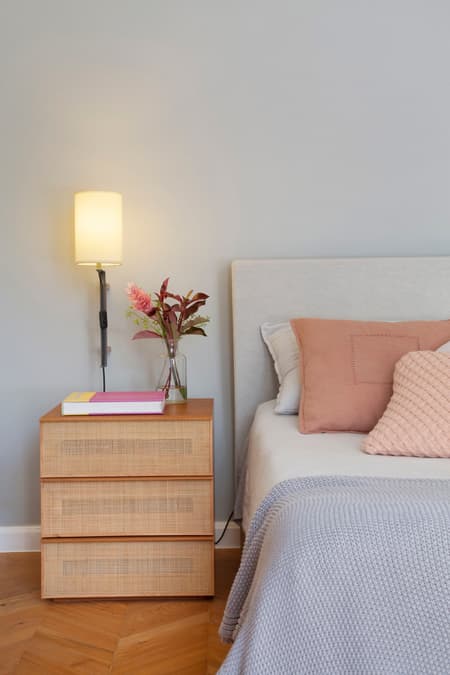
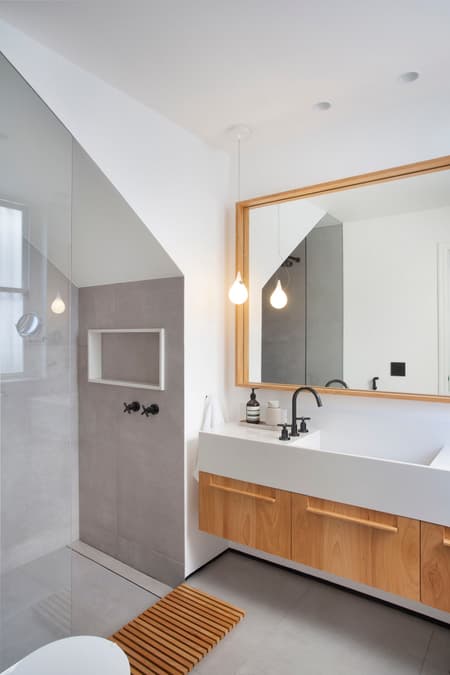
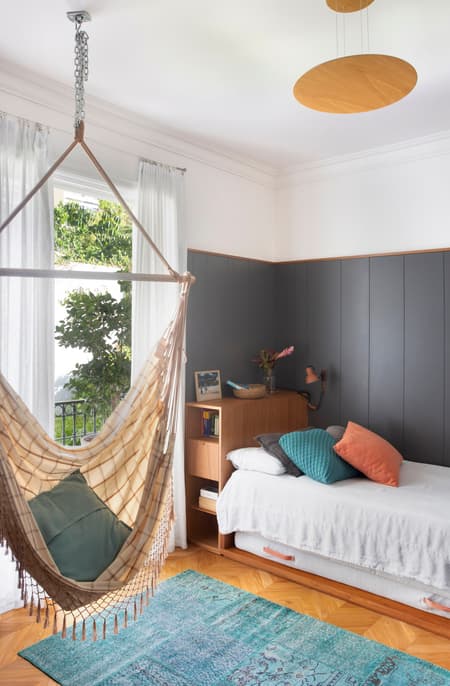
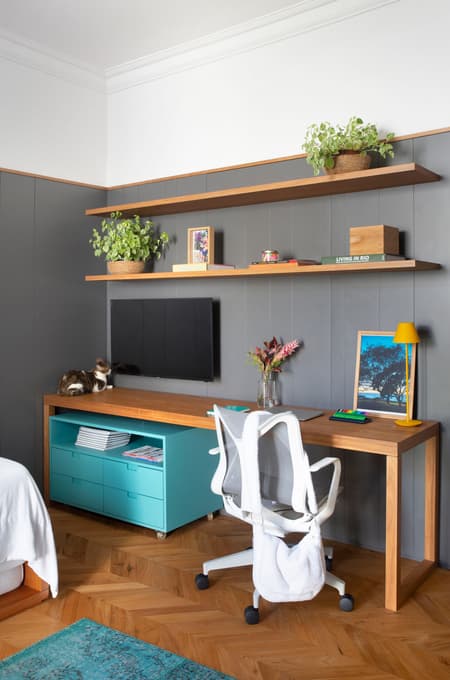
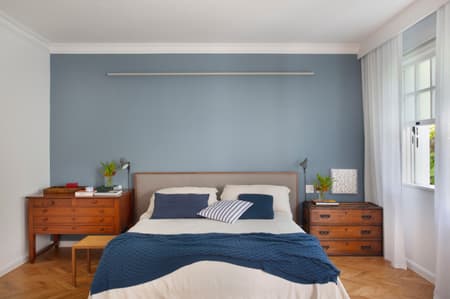
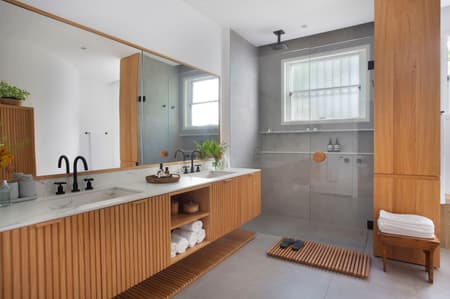
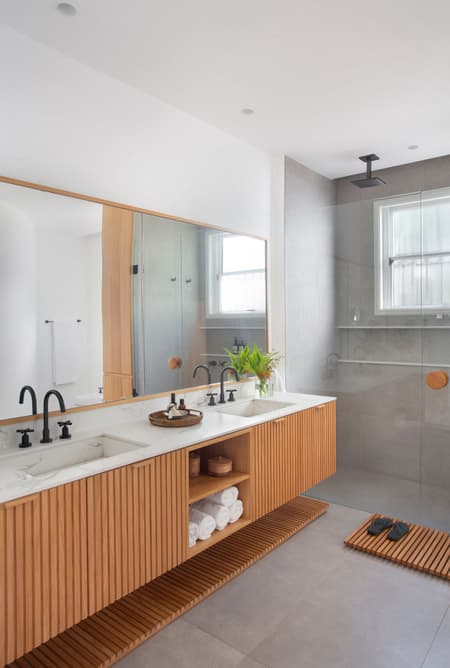
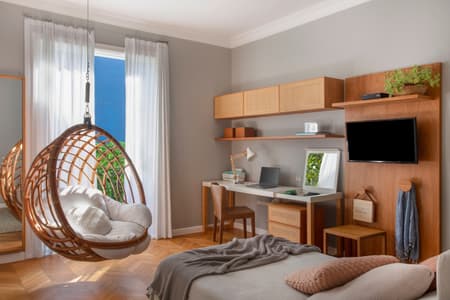
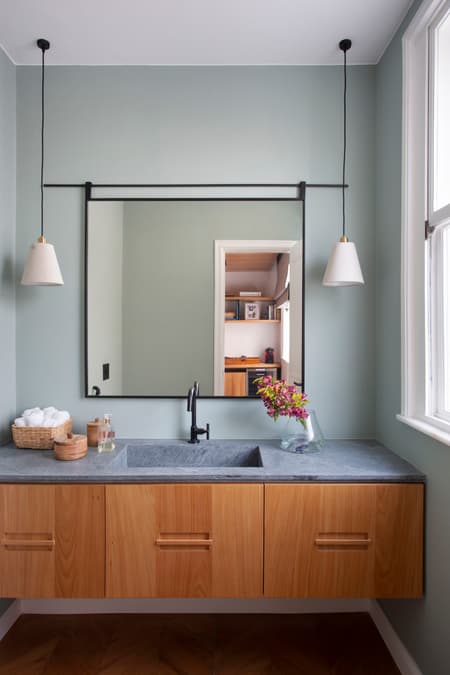
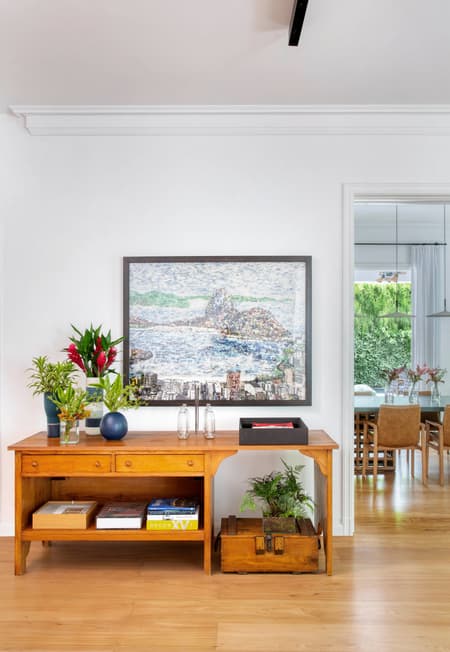
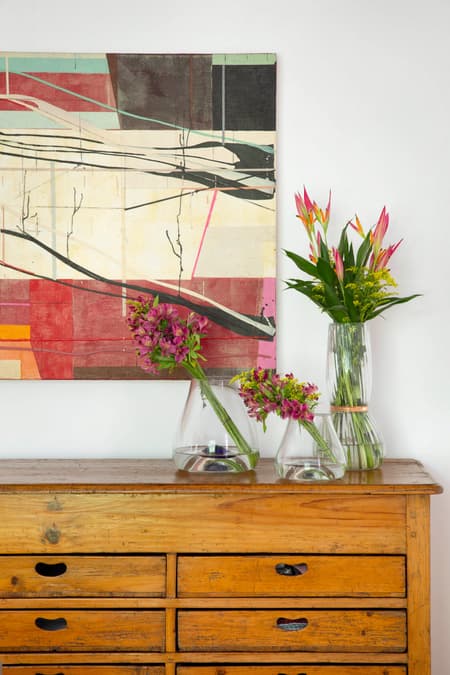
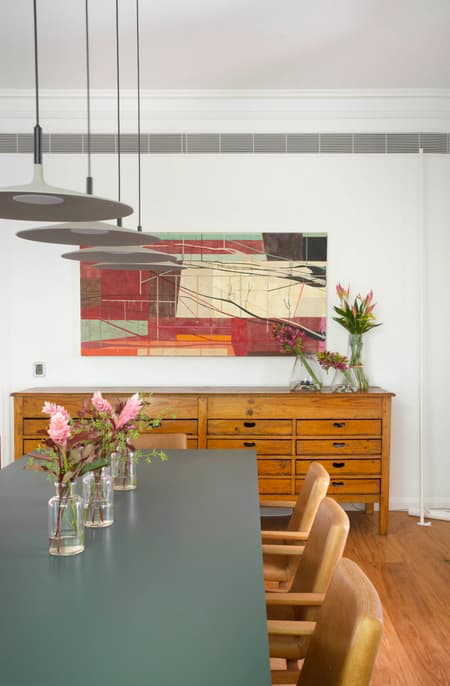
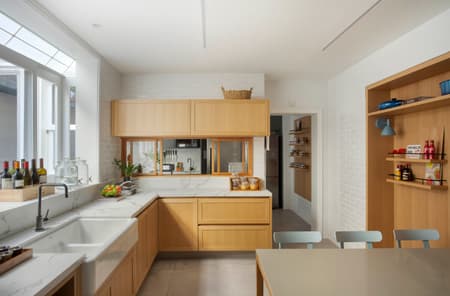
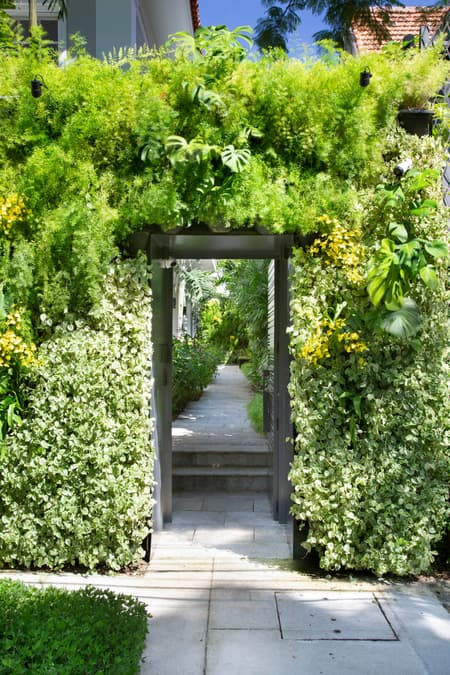
Located in Leblon, in Rio de Janeiro’s South Zone, Casa Codajás offers 7,955 square feet (739 square meters) of built area and was renovated and decorated by architects Adriana Valle and Patricia Carvalho, of the firm @migsarquitetura. The project is based on the idea of updating an existing structure without erasing the strength of its original architecture.
It follows a clear direction: preserve what still works—structurally, spatially, and materially—and intervene only where contemporary living demands change. At a time when unnecessary demolitions no longer make sense, the design embraces adaptation, continuity, and long-term use—an approach that has just been recognized with the 2026 iF Design Award, one of the most prestigious international design honors, in the Residential Interiors category, with a ceremony scheduled for April 27 in Berlin.
The house was designed for a couple in their 50s, each with two children—all between 15 and 22 years old—as well as the family dog, calling for generous, integrated, and versatile spaces to accommodate a dynamic routine.
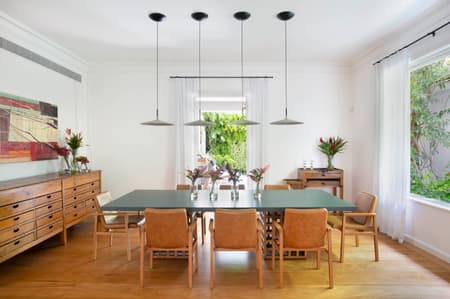
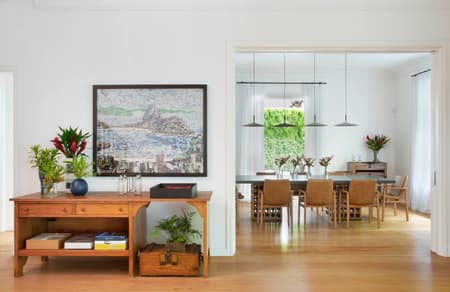
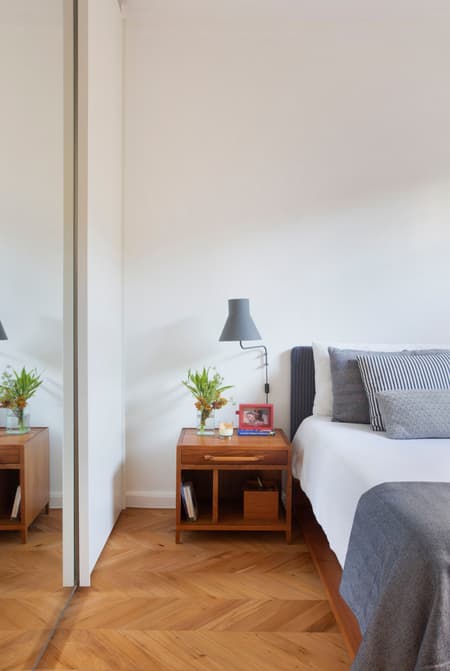
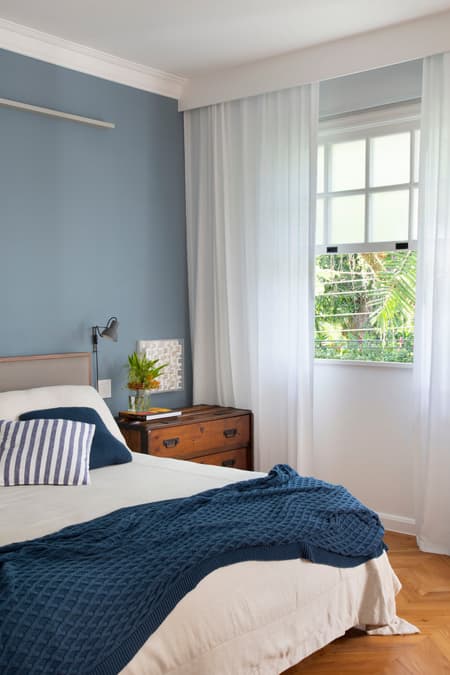
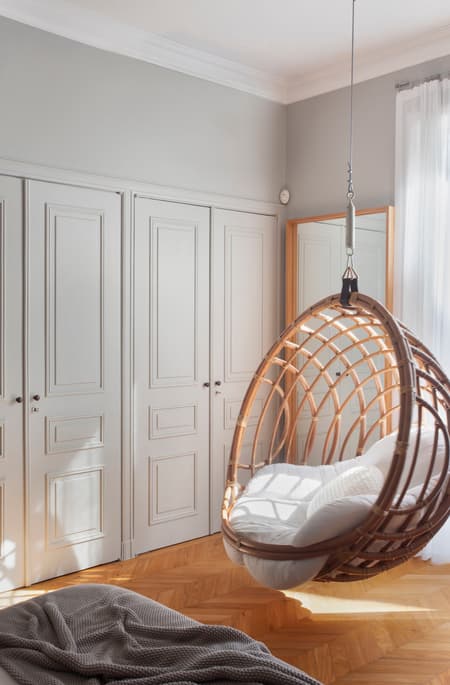
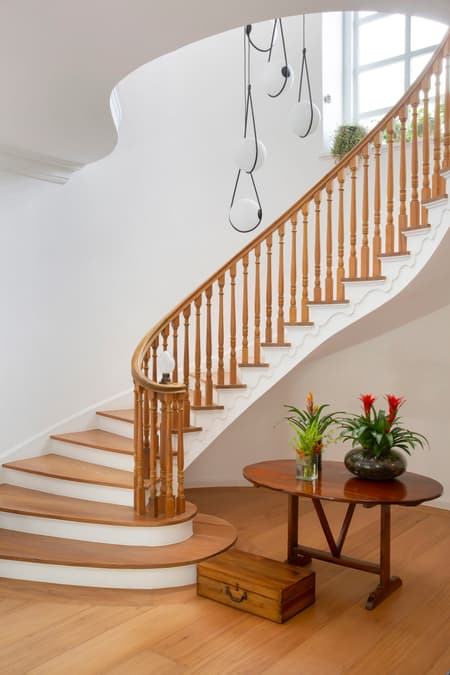
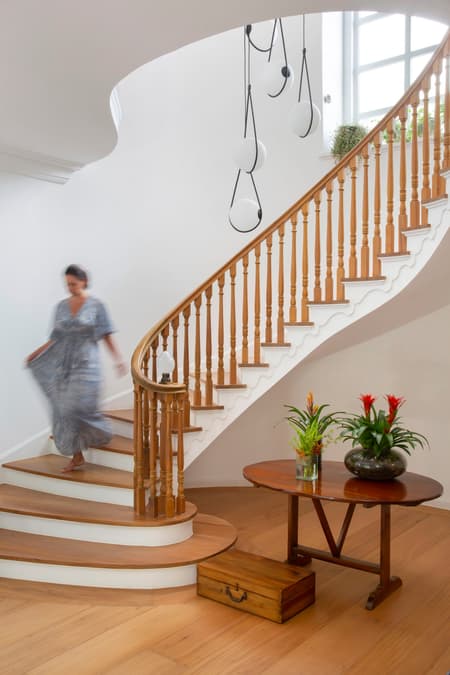
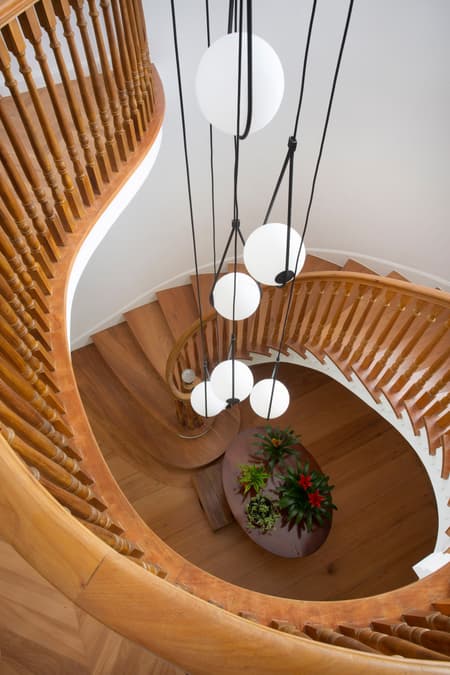
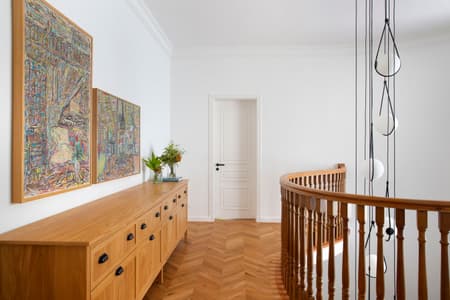
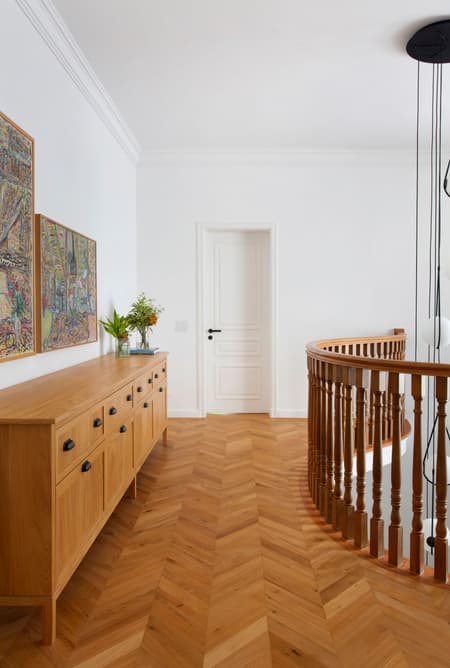
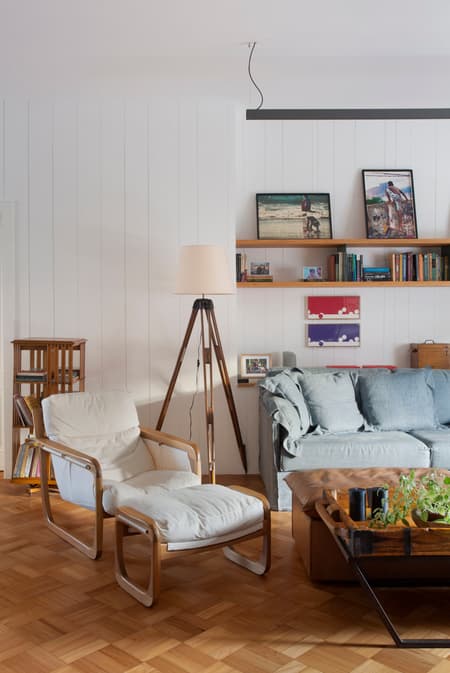
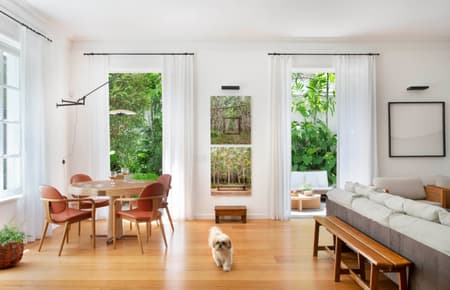
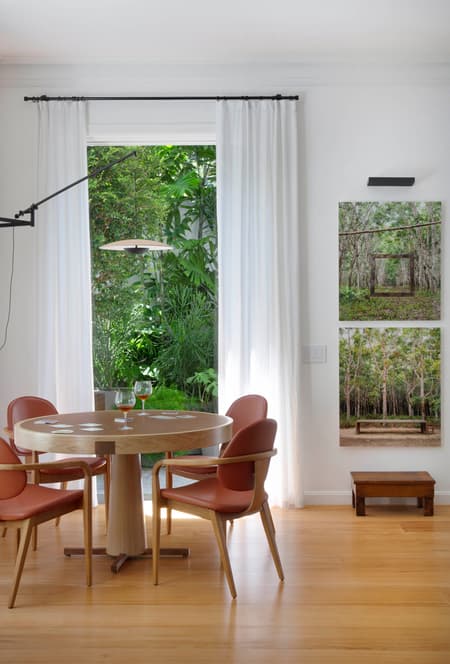
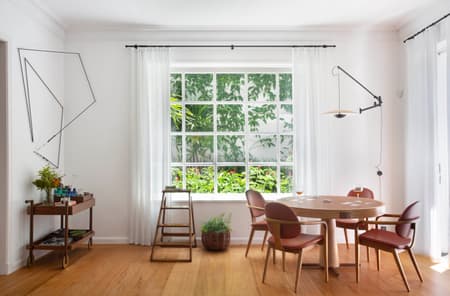
Elements such as large doors and windows, the sculptural staircase, high ceilings, and the original solid peroba-do-campo wood flooring were preserved and serve as the foundation of the home. They ensure ample natural light, cross ventilation, and thermal comfort—not only from an aesthetic standpoint, but also in terms of performance.
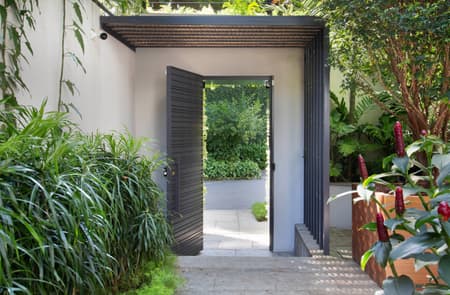
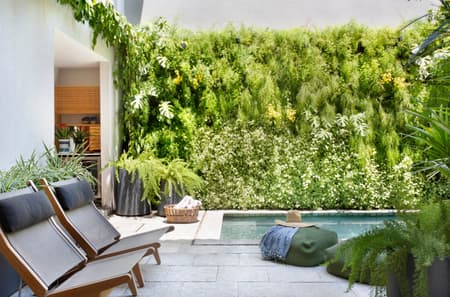
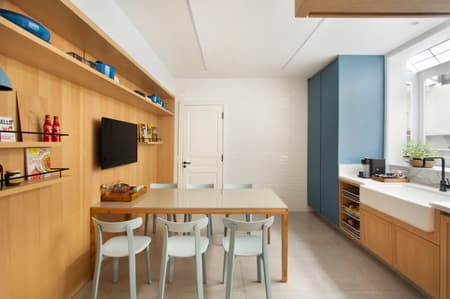
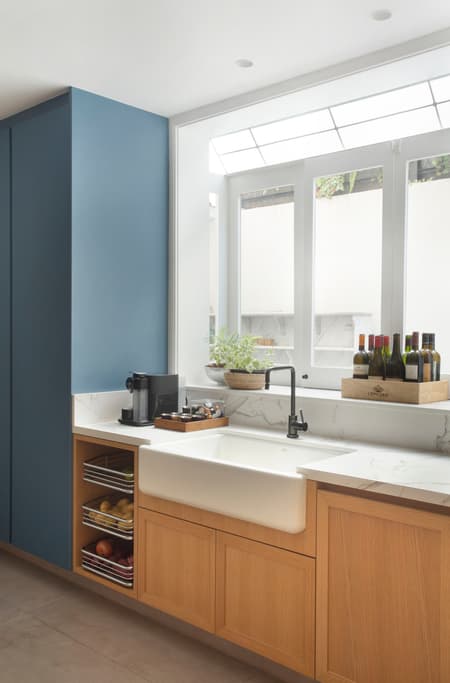
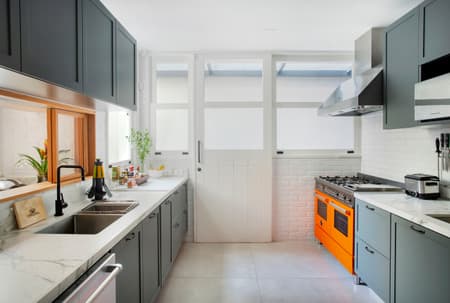
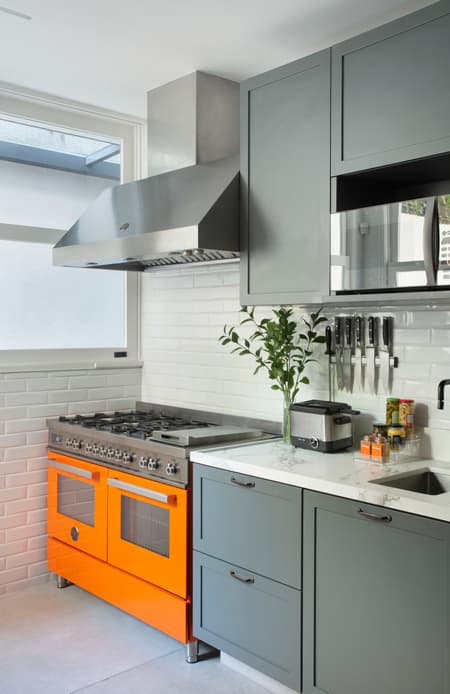
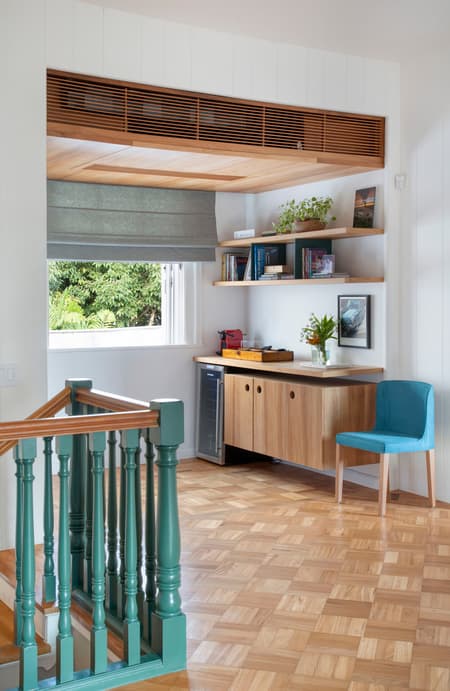
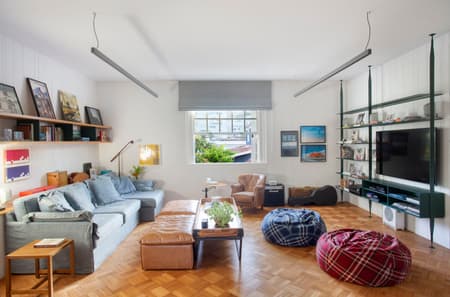
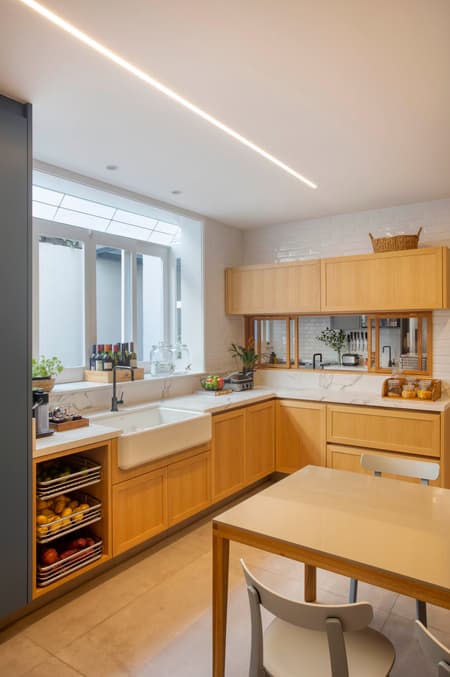
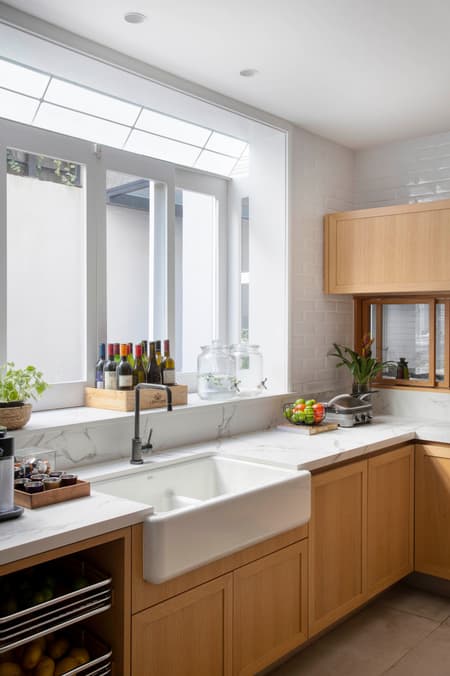
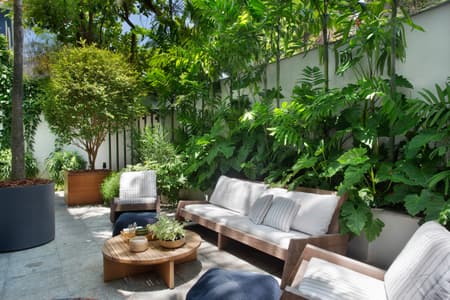
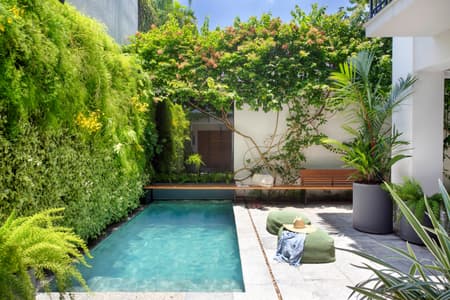
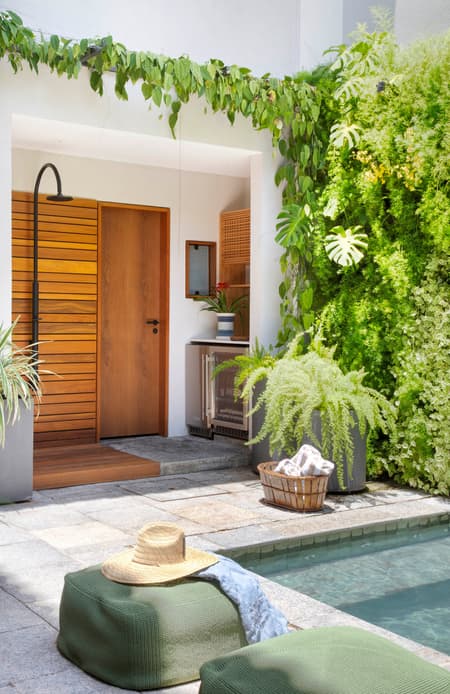
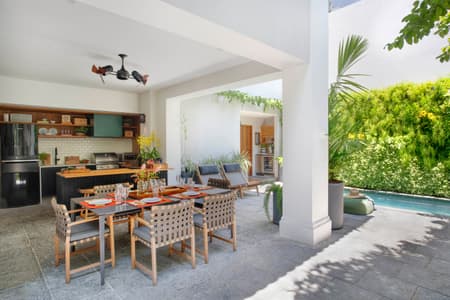
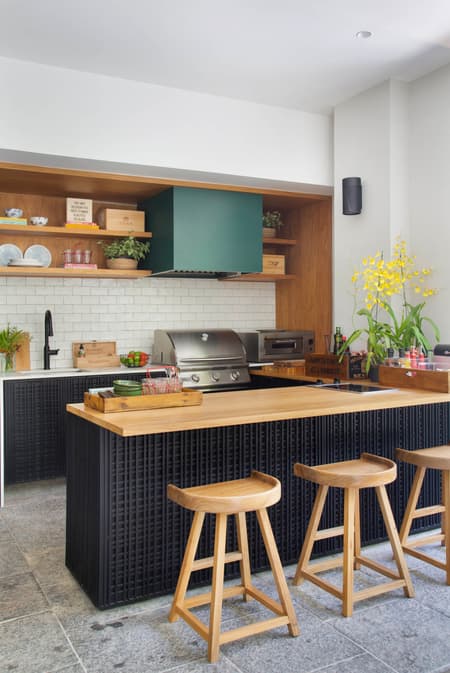
The proposal strengthens the connection between indoors and outdoors, improves circulation, and assigns new uses to previously underutilized areas, in line with the family’s current lifestyle. Spaces that were once overlooked are brought to life. The former veranda becomes a social area integrated with the pool, featuring a barbecue and pizza oven. The kitchen, once more utilitarian, now serves as the center of everyday gatherings. The attic is transformed into a living and game room, furnished with pieces repurposed from the family’s previous home.
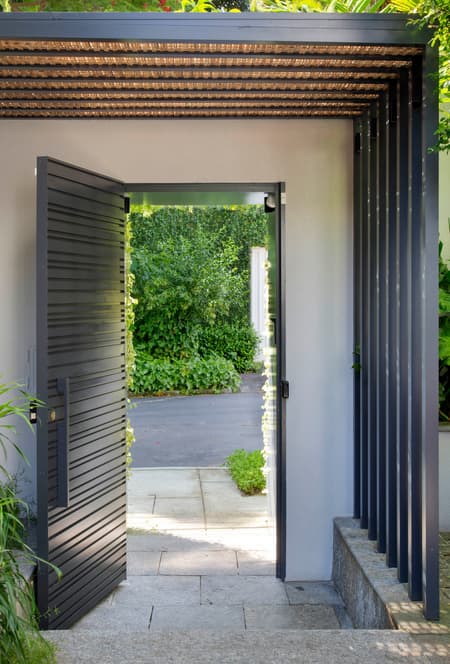
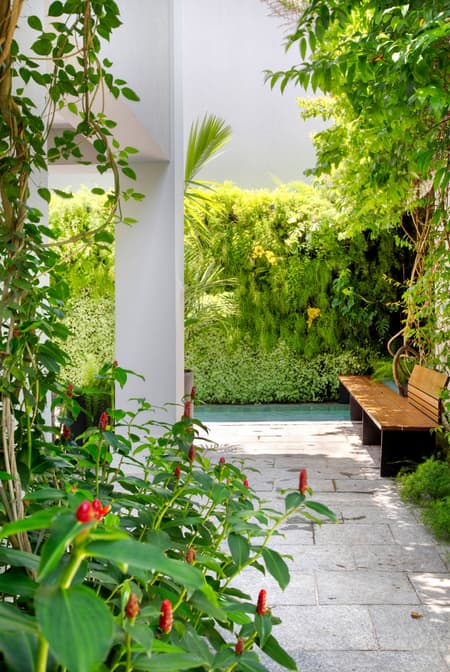
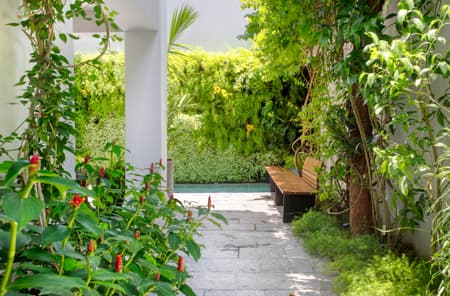
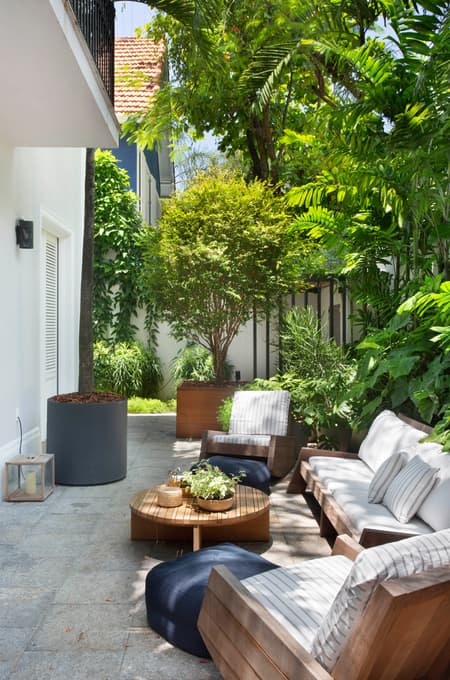
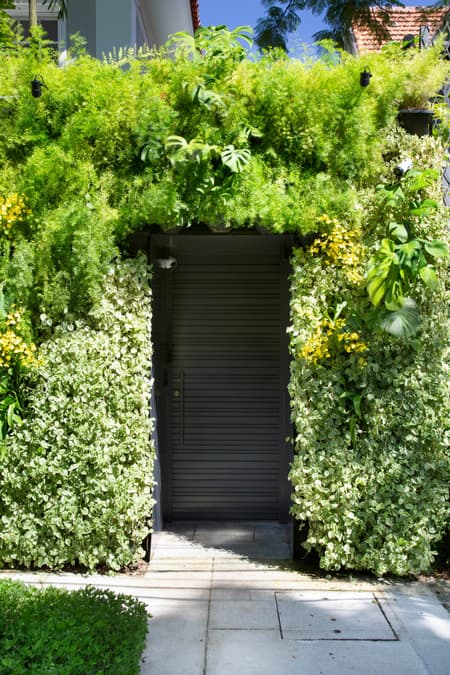
Material choices also play an important role. Outdoors, the raw colonial granite flooring was preserved and now shares space with the pool’s hijau stone, creating an interesting contrast between old and new. In the landscaping, tropical species better suited to the climate were selected, with more natural growth and lower maintenance. Irrigation uses rainwater, closing a more sustainable cycle.
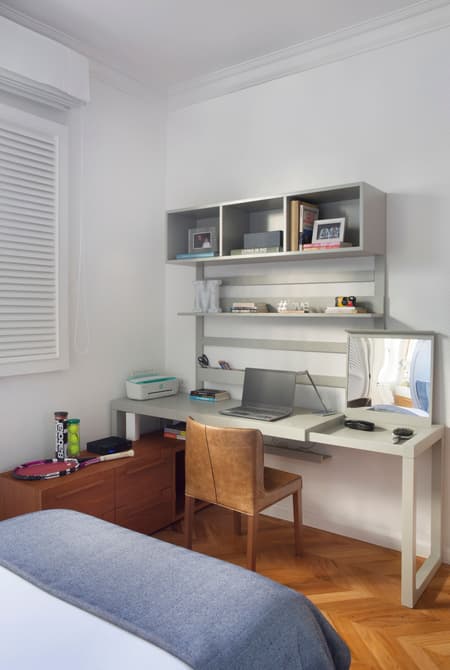
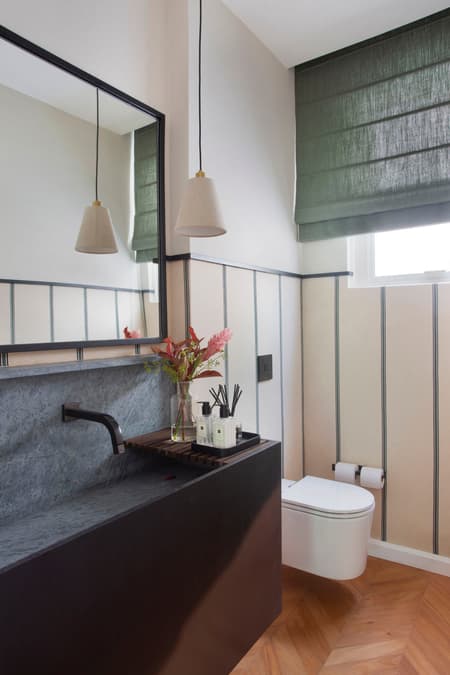
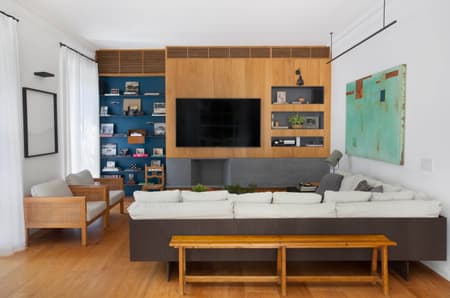
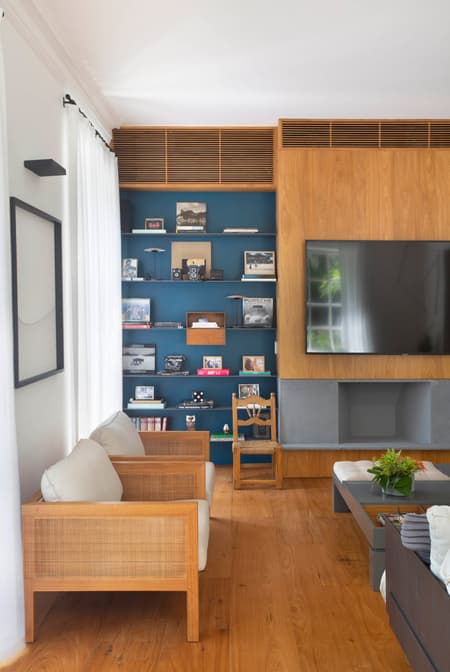
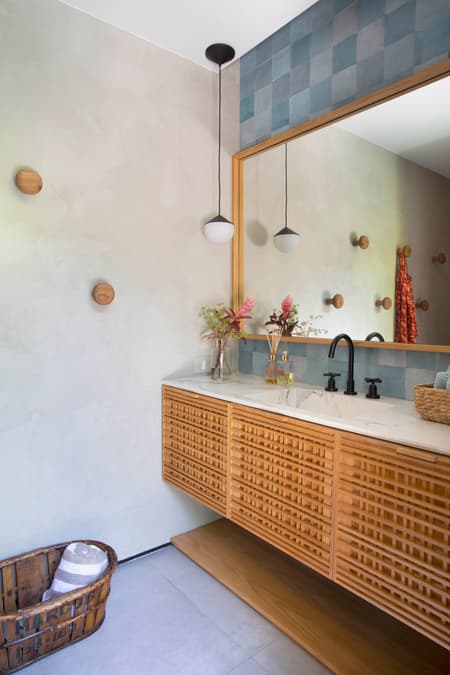
Custom-designed millwork organizes the spaces and engages with the original architecture without competing with it. A key aspect was the reuse of elements from the clients’ previous home: structures were dismantled, transported, and reassembled with minimal adaptations, avoiding waste and new production.
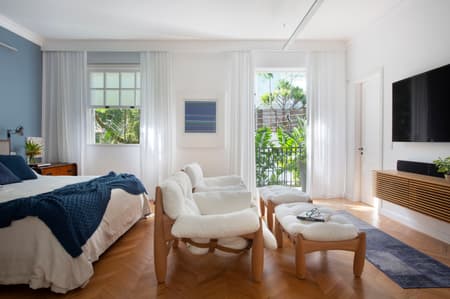
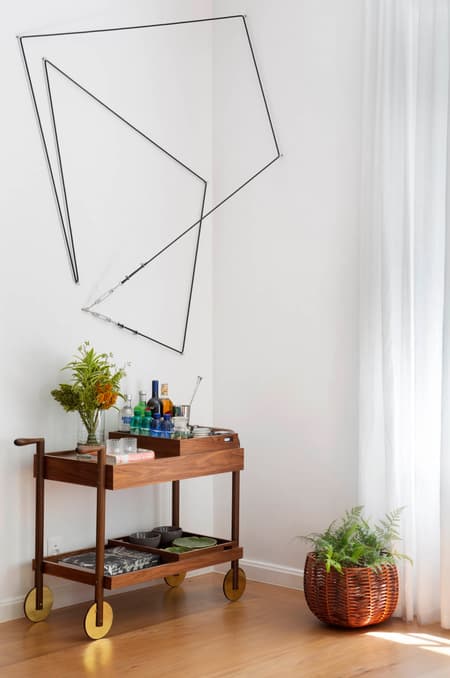
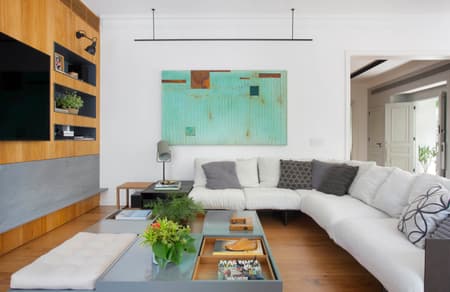
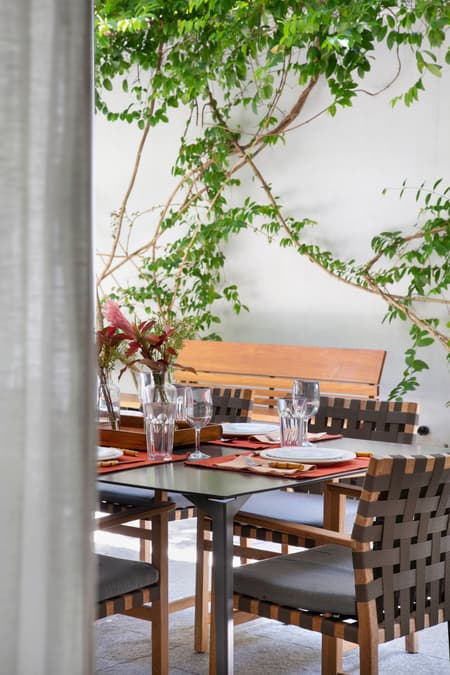
The furniture selection highlights Brazilian design, featuring pieces by leading designers alongside vintage items sourced from the Arnaldo Danemberg antiques gallery. Among them are the Astúrias armchairs by Carlos Motta; the Omar and Orquídea chairs by Rejane Carvalho Leite; the Dado game table by Dado Castello Branco; the Cosme Velho armchairs and Cubo Libre dining table by Claudia Moreira Salles; the Matriz sofa and Gio dining chairs by Jader Almeida; the Rosá coffee table and tea cart by Maria Cândida Machado; the Pitu chaise with ottoman by Aristeu Pires; and the iconic Mole armchairs with ottomans by Sergio Rodrigues.
The lighting design carefully balances natural light with low-consumption solutions, applied with precision. Throughout the project, the same logic prevails: rather than demolishing to rebuild, the focus was on adapting, adding, and extending the lifespan of materials. Casa Codajás proposes a contemporary way of living—more attentive to real use, memory, and environmental responsibility—resulting in an architecture that is current, efficient, and long-lasting.