

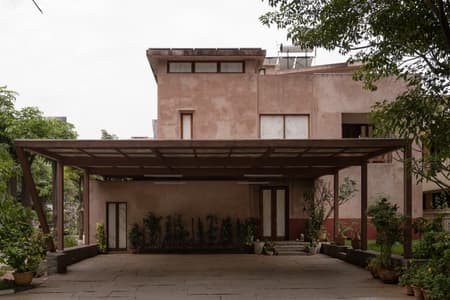
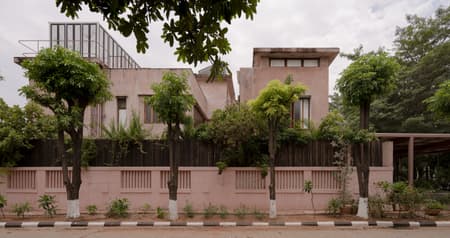
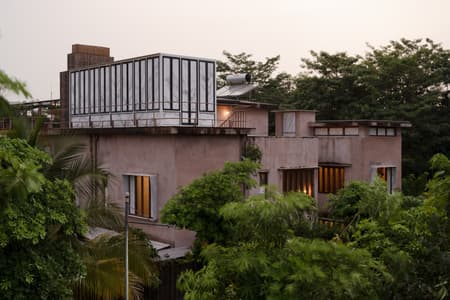
Mayalogili is the adaptive reuse of a conventional developer-built family home within one of Hyderabad's many gated communities. Designed for a family with agrarian roots, the project explores how architecture can reconnect contemporary domestic life to the landscapes, materials, and cultural practices from which it emerges.
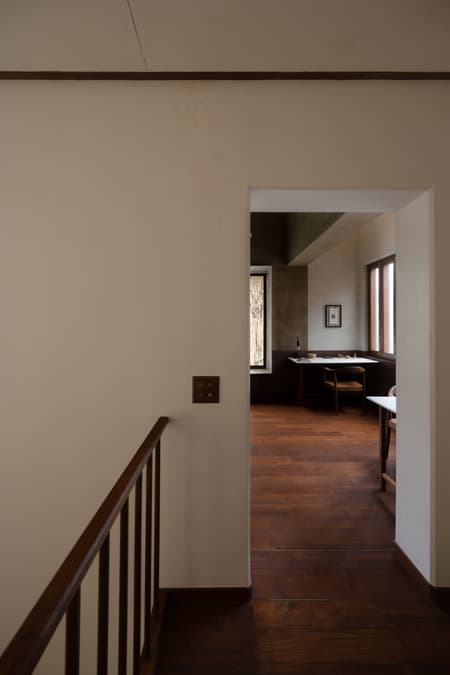
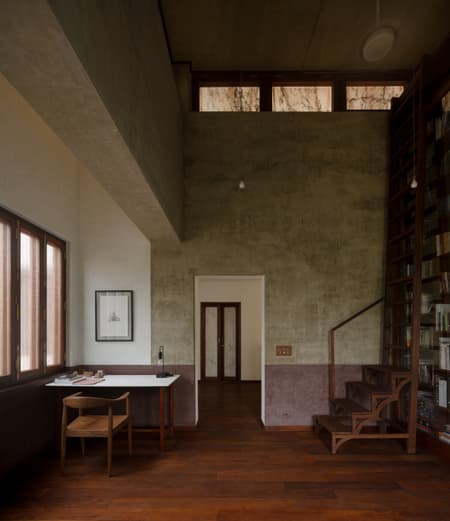
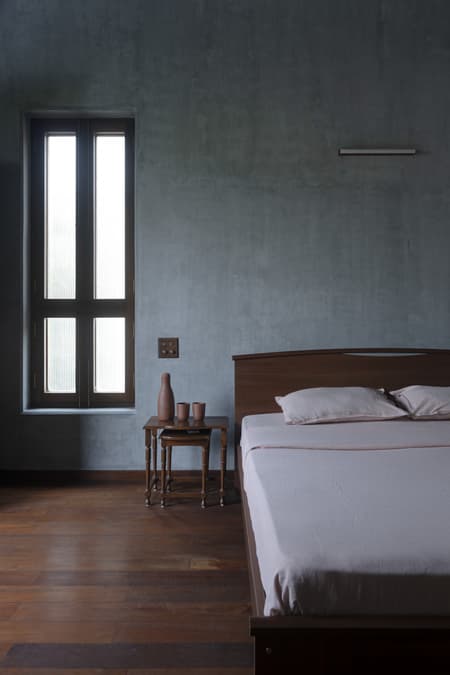
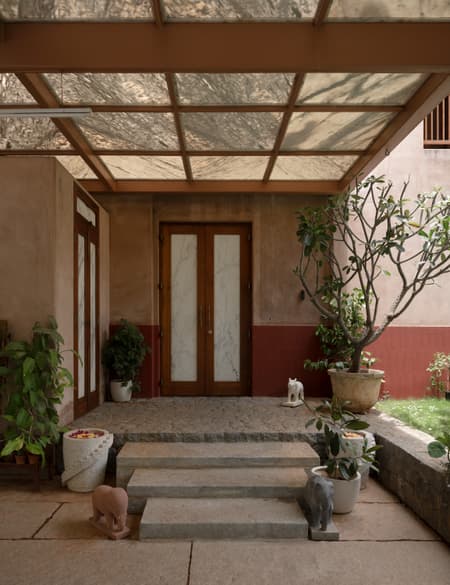
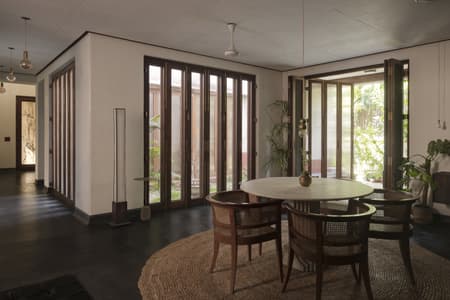
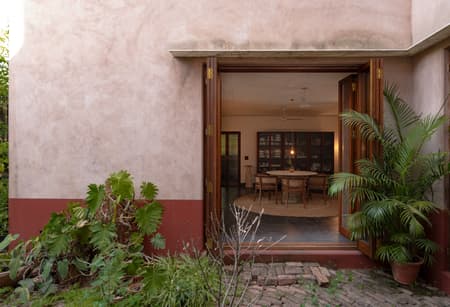
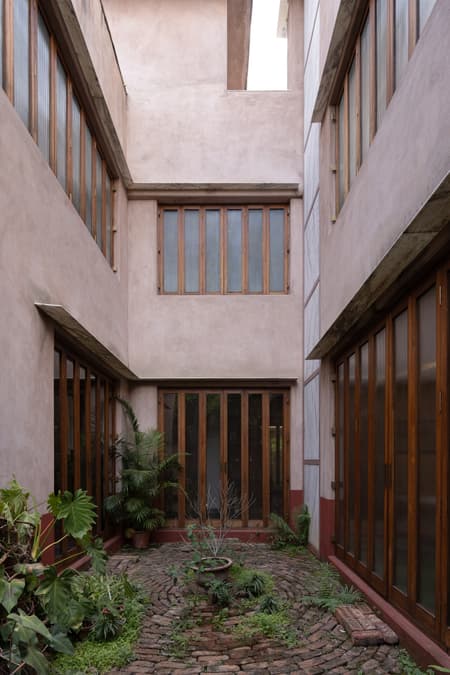
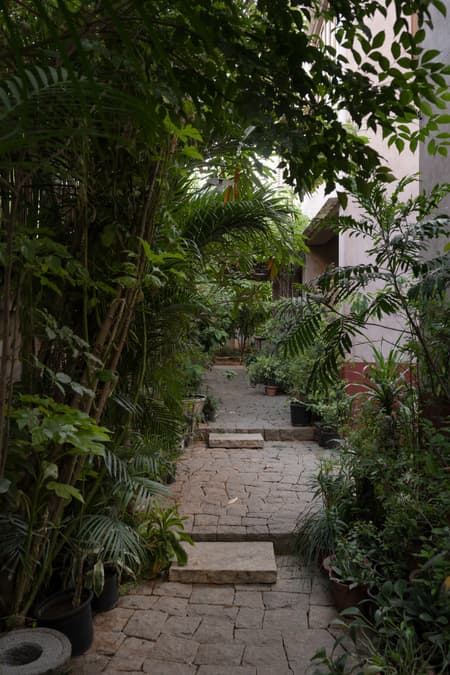
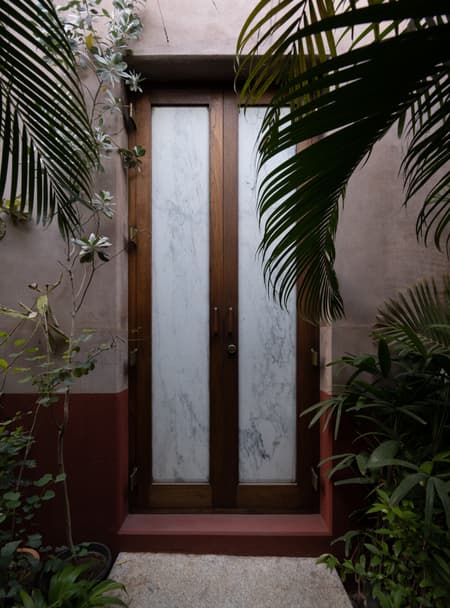
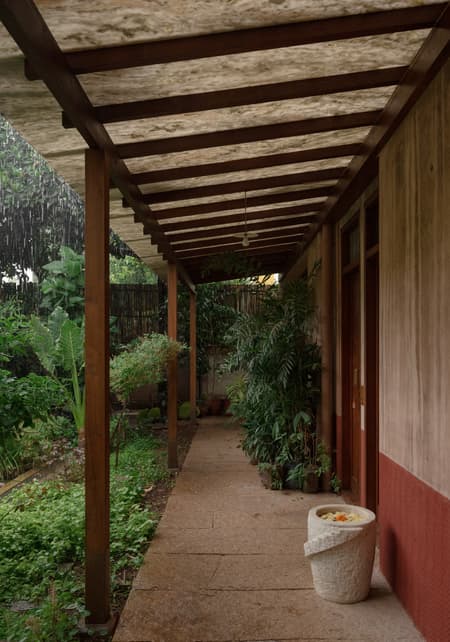
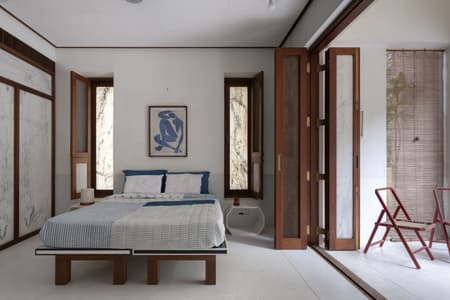
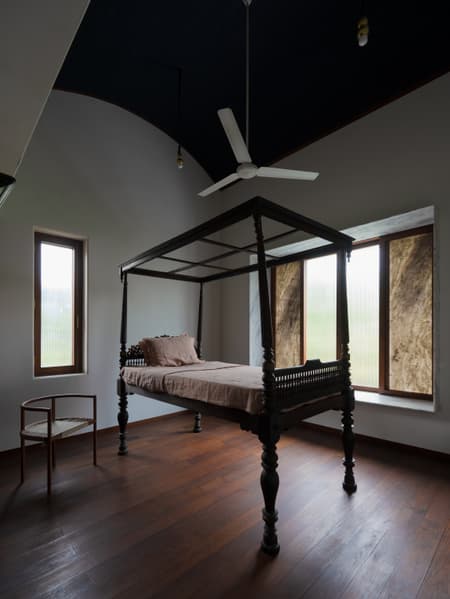
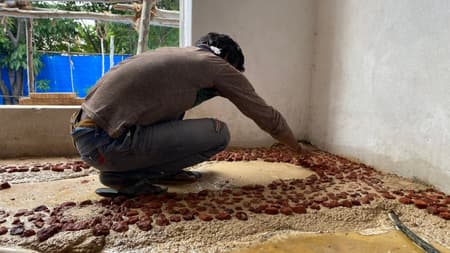
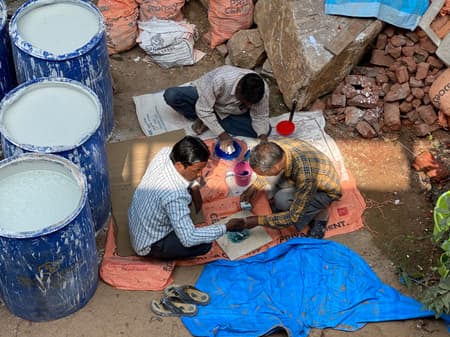
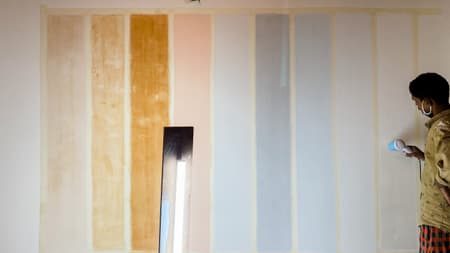
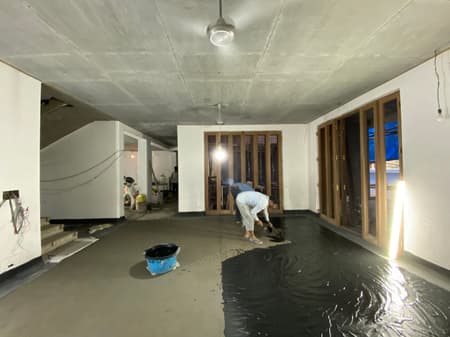
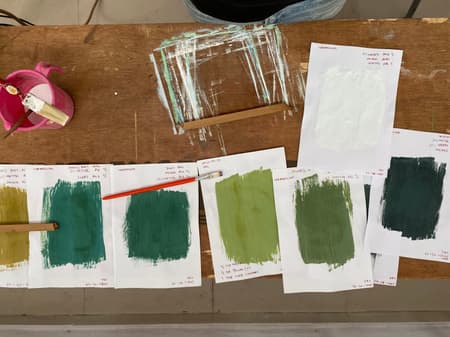
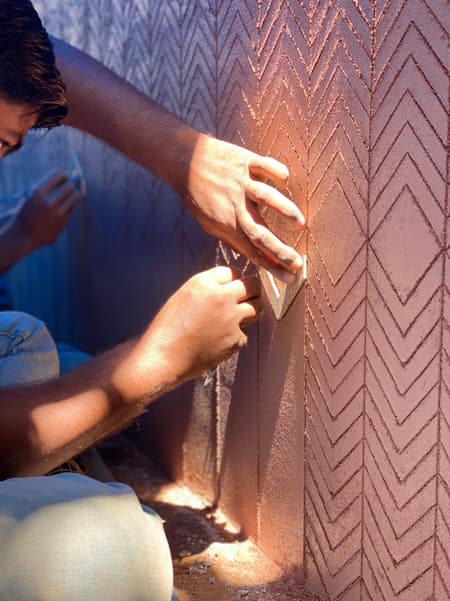
Developed by maqam, the house is conceived as a series of material translations that transform an ordinary suburban structure into a spatial narrative rooted in place. Rather than relying on imported finishes, many of the project's surfaces were developed from the site itself. The red-brown plaster coating the house is produced from brick and marble dust generated during demolition and construction, while soil and plant matter from the plot were incorporated into interior finishes. The resulting palette is not applied to the architecture but extracted from the ground on which it stands.
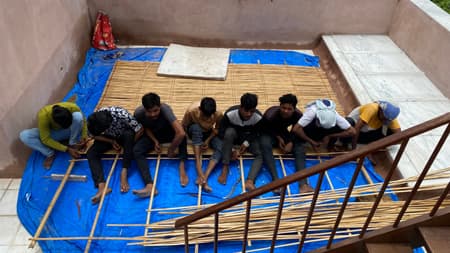
The project's approach to sustainability emerges from a belief that circularity is not a contemporary invention but a principle long embedded within Indian social, cultural, and architectural traditions. Resourcefulness, material reuse, and closed-loop systems have historically shaped the way buildings were made, maintained, and inhabited. Mayalogili seeks to reinterpret these inherited practices through a contemporary architectural language, bridging vernacular knowledge with present-day concerns around ecology, material stewardship, and domestic life.
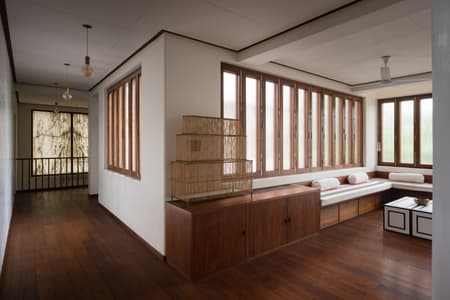
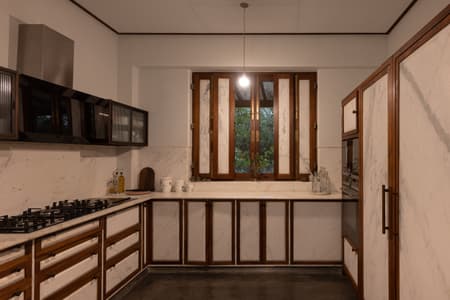
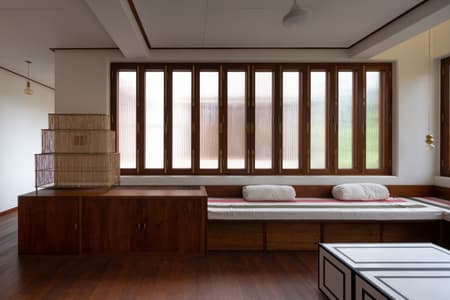
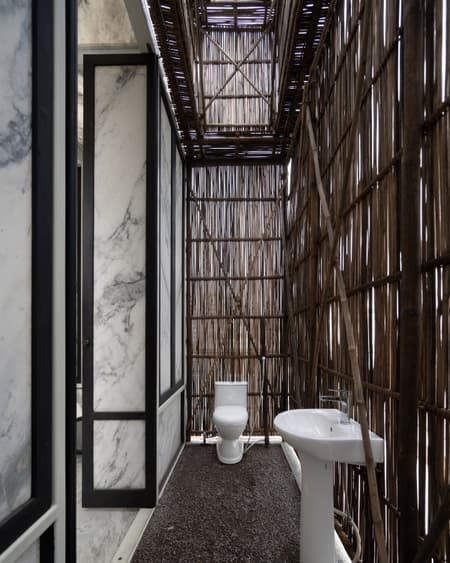
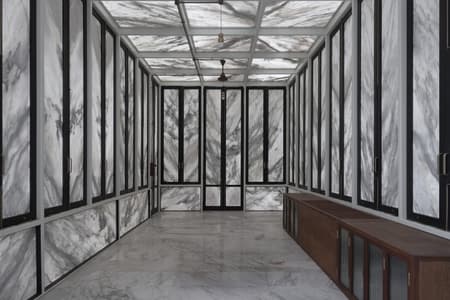
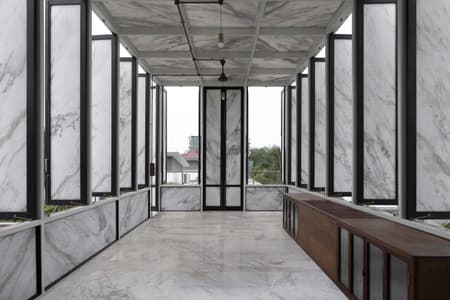
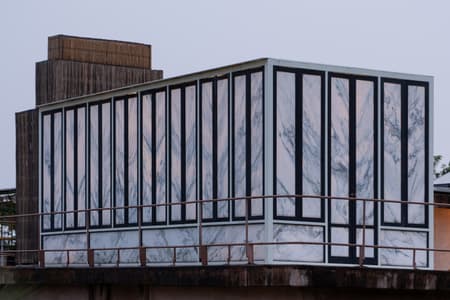
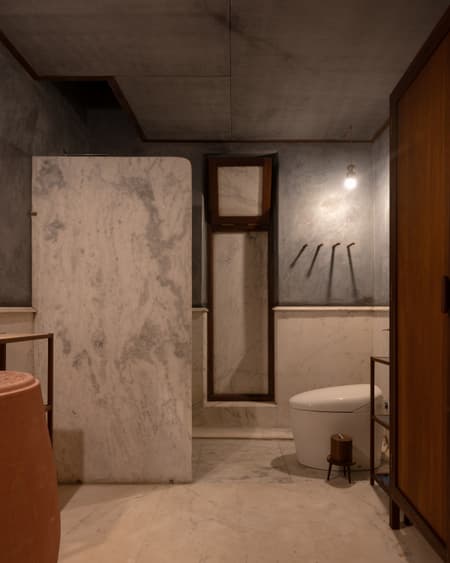
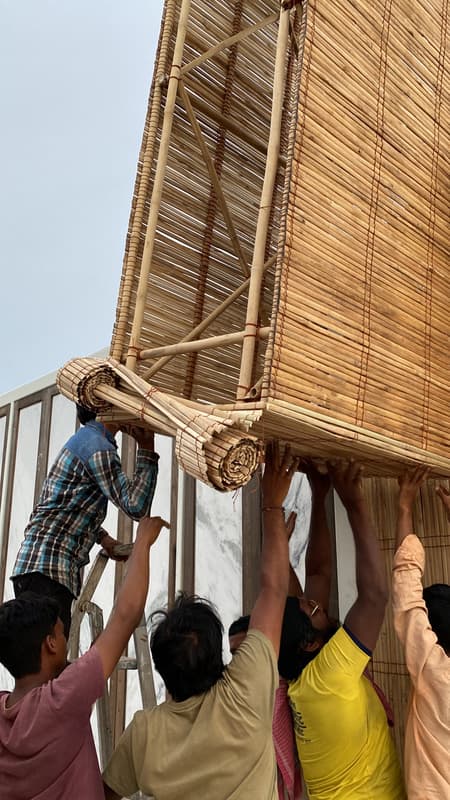
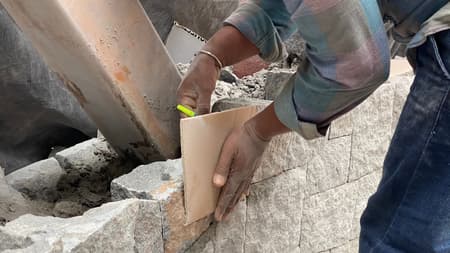
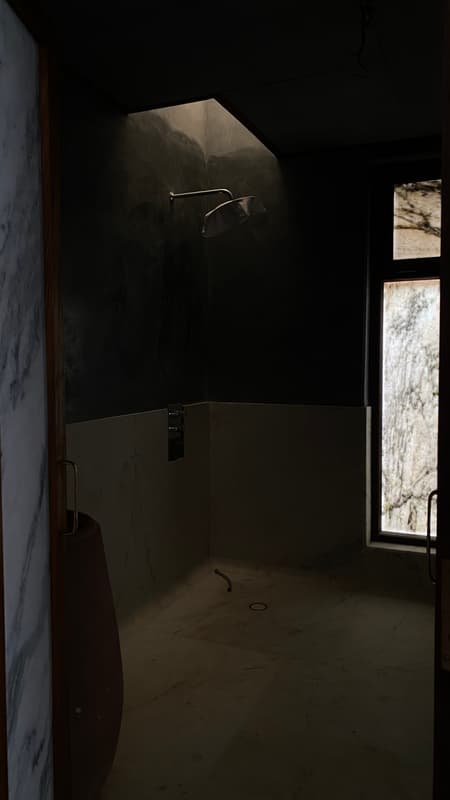
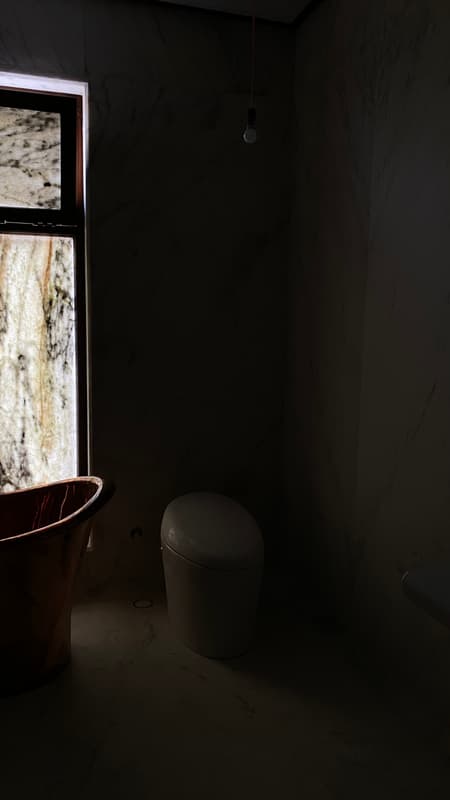
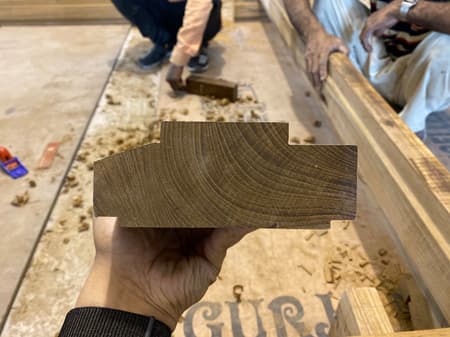
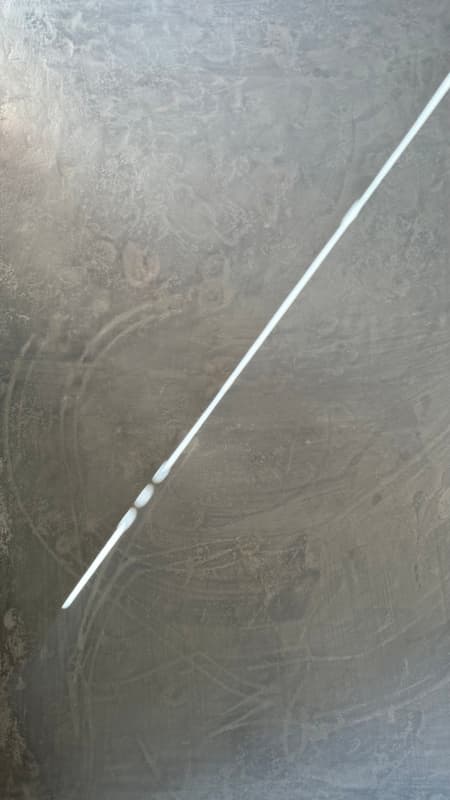
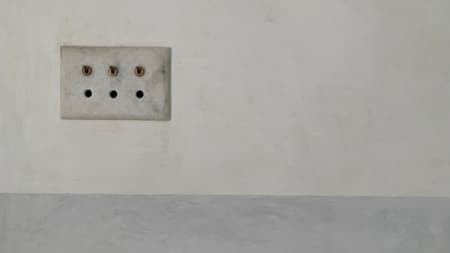
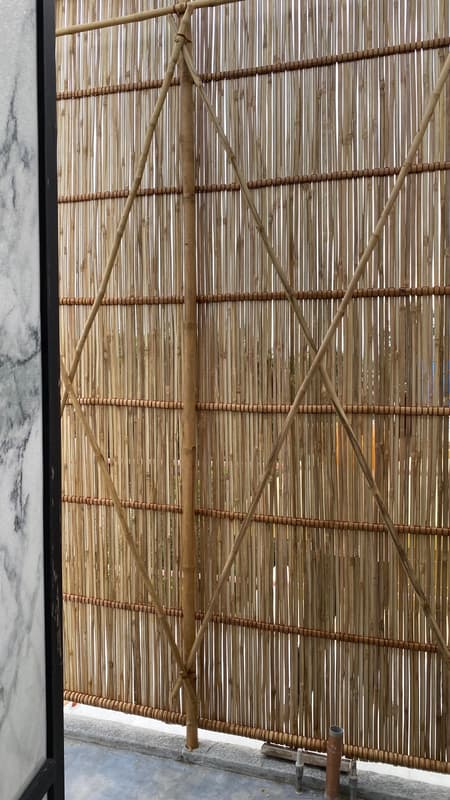
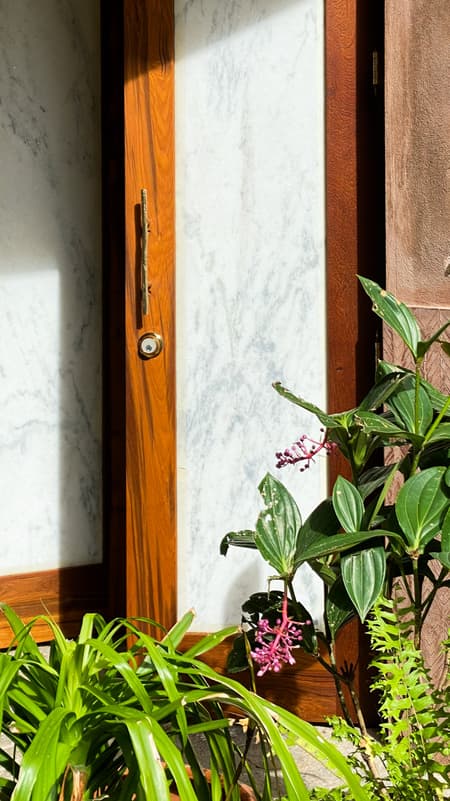
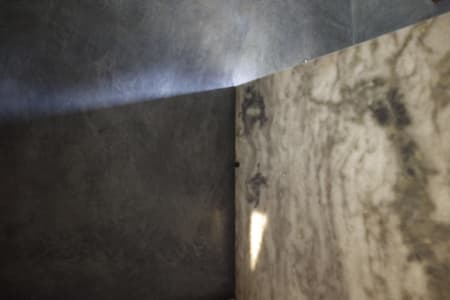
Throughout the house, existing elements are reworked through careful acts of transformation. Familiar materials are approached with a spirit of inquiry: marble is beveled to alter its depth and luminosity, mineral finishes are layered to create surfaces that feel simultaneously weathered and contemporary, and custom objects emerge from observations of Hyderabad's industrial and vernacular landscapes. References to ancestral homes, local building traditions, urban infrastructures, and distant craft practices coexist without hierarchy, producing spaces that feel both rooted and open to exchange.
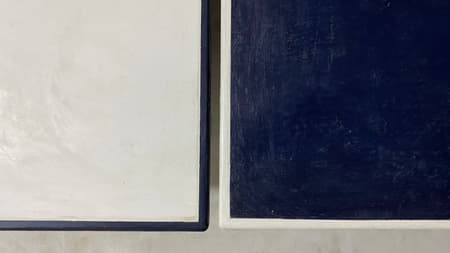
Custom furniture and objects extend this material language. A series of cocktail tables, inspired by post-industrial forms observed on the streets of Hyderabad, are wrapped in washi paper and finished with brick powder over lime-washed surfaces, creating tactile contrasts that invite both visual and physical engagement. These pieces operate as continuations of the architectural project rather than independent objects.
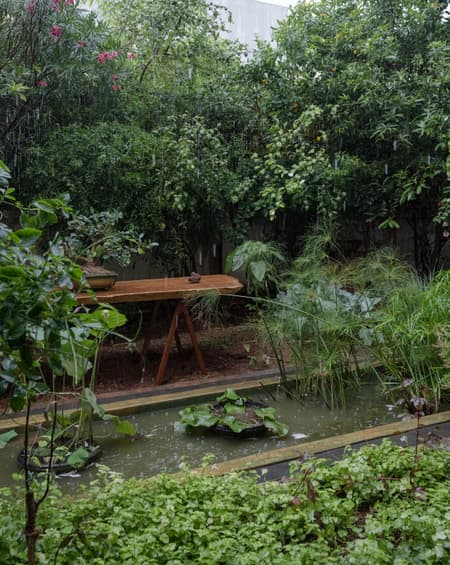
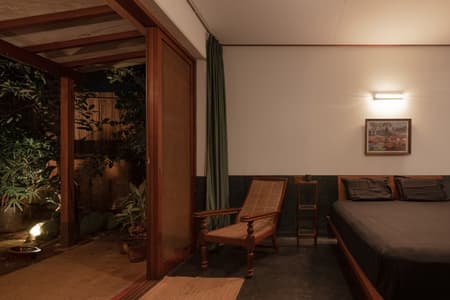
The name itself reflects the project's central idea. Maya, derived from the Sanskrit root mā—to measure and give form—and logili, the Telugu word for a house's inner courtyard, together suggest a space where ideas become matter. Mayalogili becomes both a physical home and a threshold through which a family reconnects with a landscape and material culture that had gradually receded from everyday life.
Rather than preserving the past or reproducing it nostalgically, Mayalogili explores how inherited knowledge can be transformed into contemporary architectural expression. The project positions architecture as a medium through which stories, materials, and ways of making continue to evolve, carrying the memory of a place into new forms.

.jpg?w=450&q=75&dpl=dpl_76Rq87wxQwFvSi96M2iBpo5TN6QL)
.jpg?w=450&q=75&dpl=dpl_76Rq87wxQwFvSi96M2iBpo5TN6QL)
.jpg?w=450&q=75&dpl=dpl_76Rq87wxQwFvSi96M2iBpo5TN6QL)
.jpg?w=450&q=75&dpl=dpl_76Rq87wxQwFvSi96M2iBpo5TN6QL)
.jpg?w=450&q=75&dpl=dpl_76Rq87wxQwFvSi96M2iBpo5TN6QL)