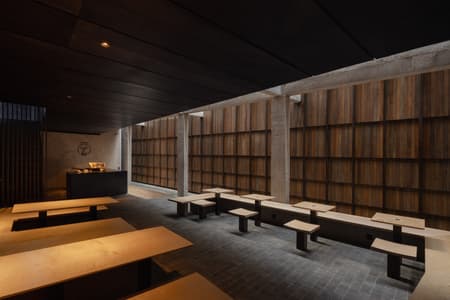
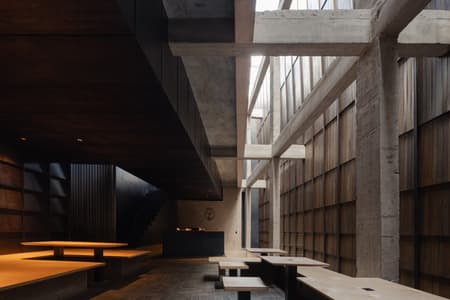
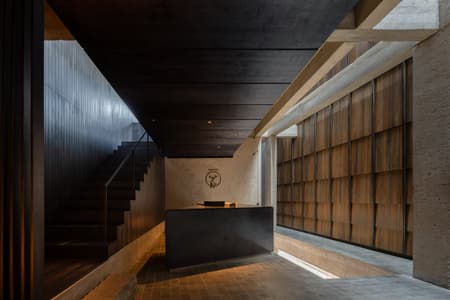
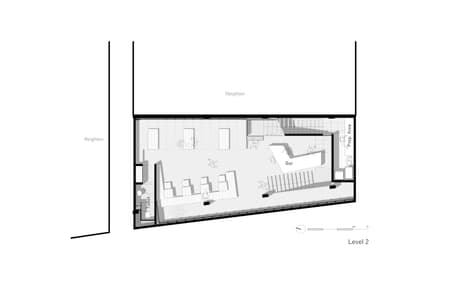
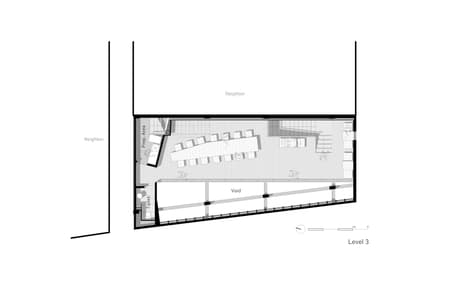
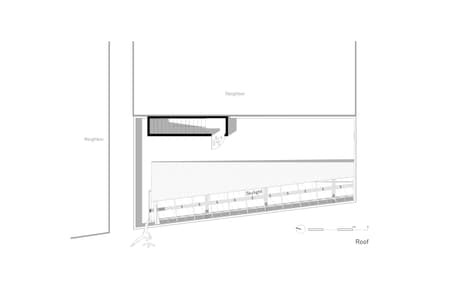
The renovation of the ITSUMO dessert shop in Batam began with a collaborative spirit, aiming to challenge local architectural norms. This site holds special significance as the client's first store, transforming not just a retail space but also architectural perceptions within its "ordinary" ruko (shop-house) development context.
This renewed ITSUMO was driven by the client's strong vision for a bold statement where her brand originated. A primary inspiration was seeking a design language utterly distinct from Batam's existing architecture. As an industrial hub and free trade zone in the Riau Islands of Indonesia, Batam's commercial architecture typically prioritizes rapid, utilitarian ruko over nuanced design. This context spurred the client's yearning for an exceptional architectural experience in an "ordinary" area. Further, as the original architect of her first store, this iteration was deeply personal, a form of self-expression entrusted to the design team. This trust, while liberating, carried the responsibility to translate her vision into a tangible space.
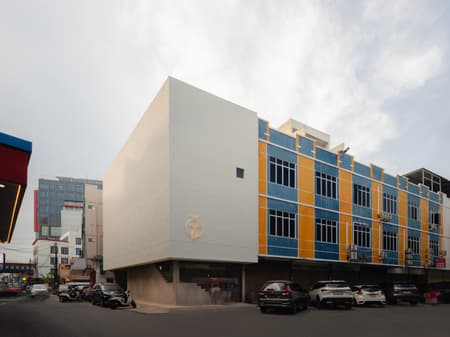
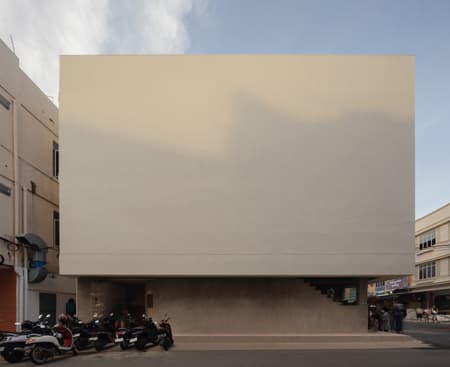
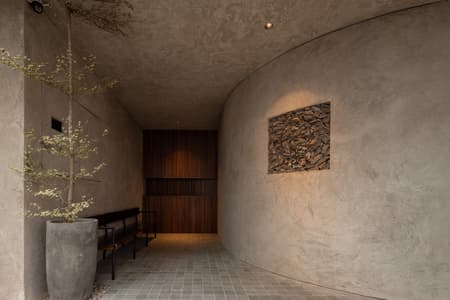
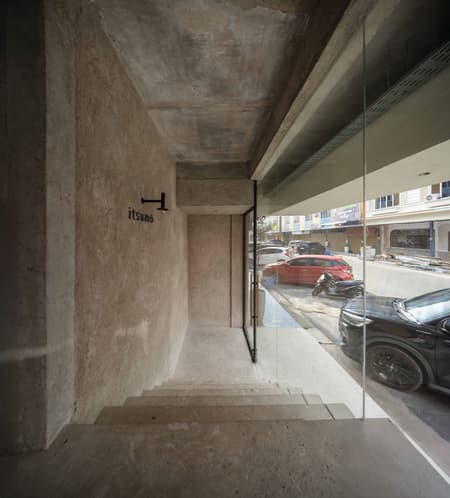
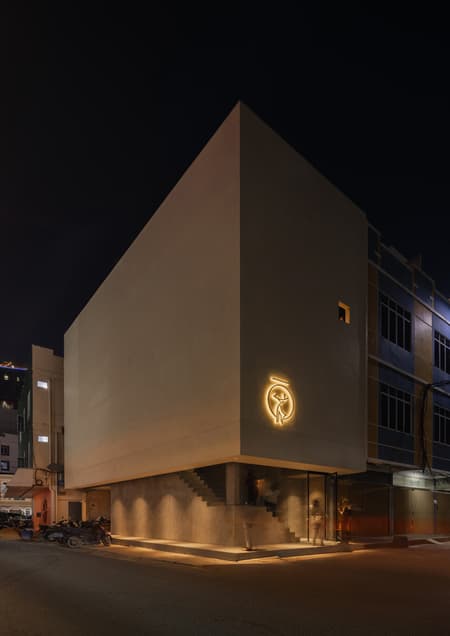
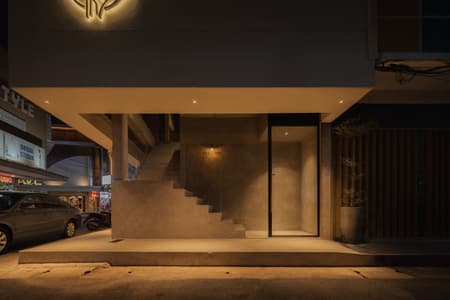
In Batam's bustling environment of vibrant, often artificial materials, the design team aimed for the antithesis: a quiet, slow, subtle experience grounded in natural materials. This manifested in a striking white minimalist facade, starkly contrasting colorful neighbors and hinting at the serenity within. This deliberate juxtaposition challenges preconceived notions of what is possible here.
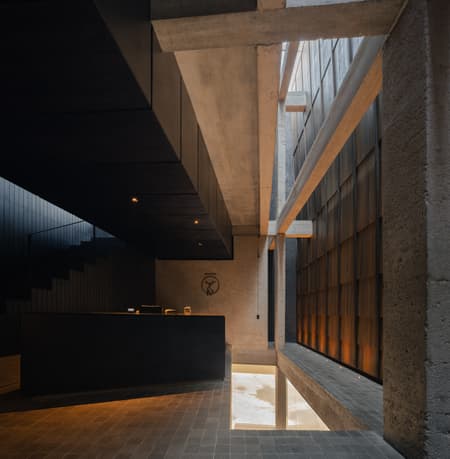
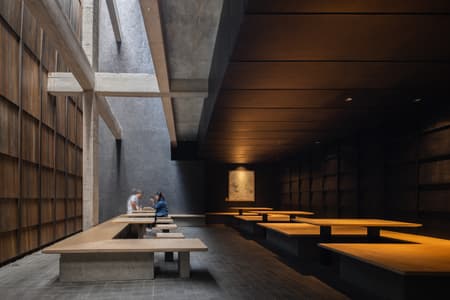
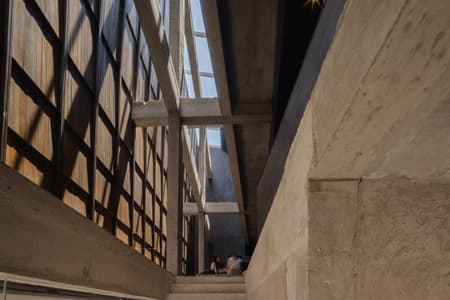
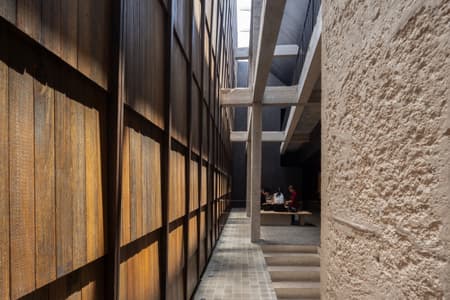
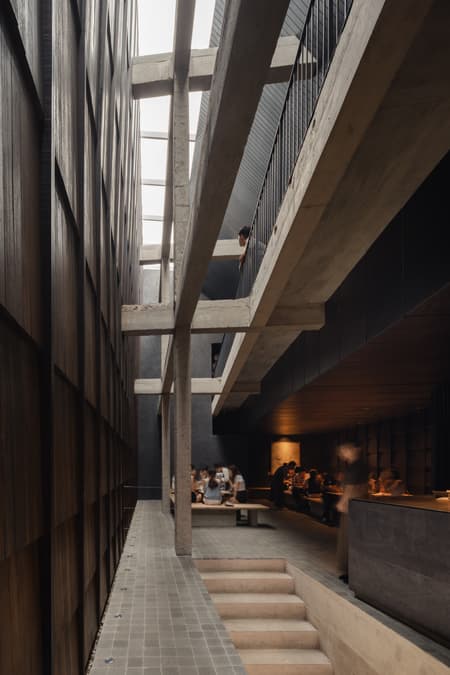
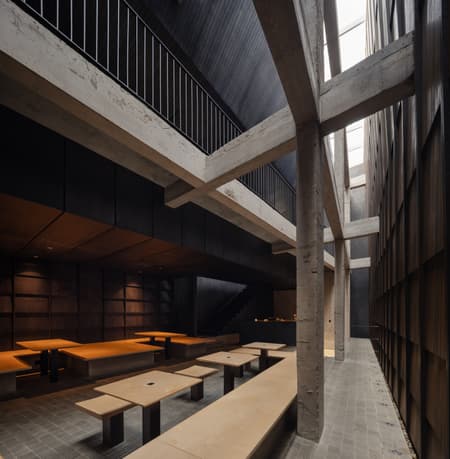
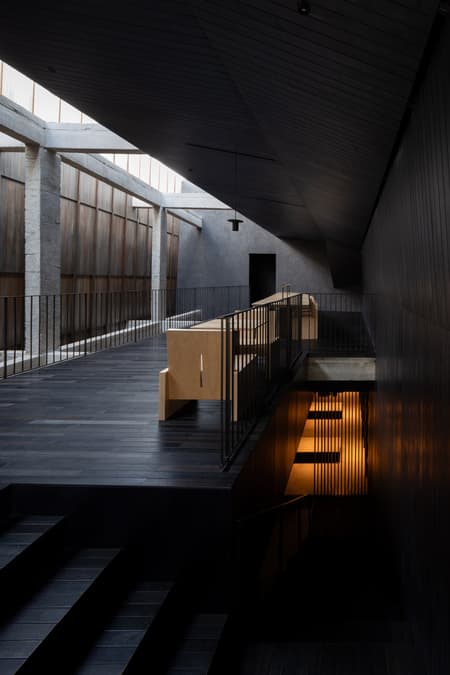
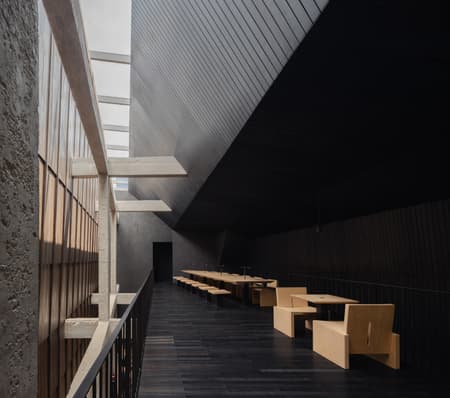
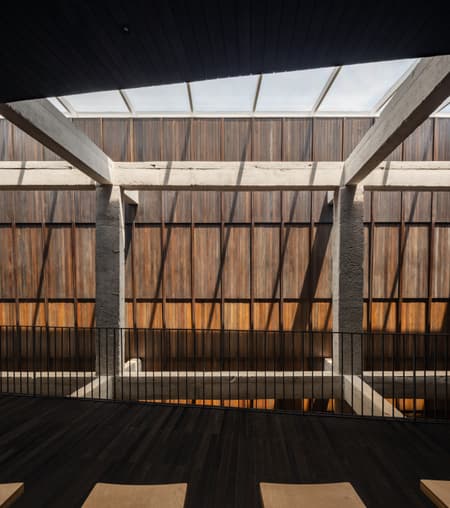
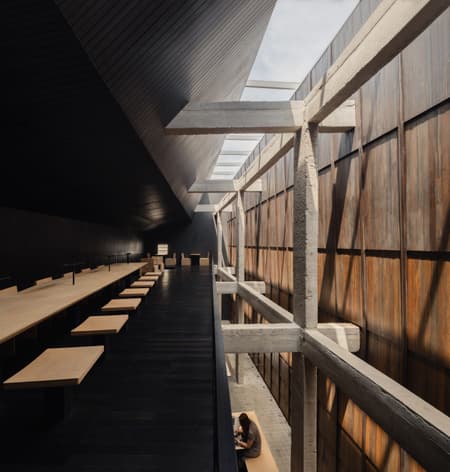
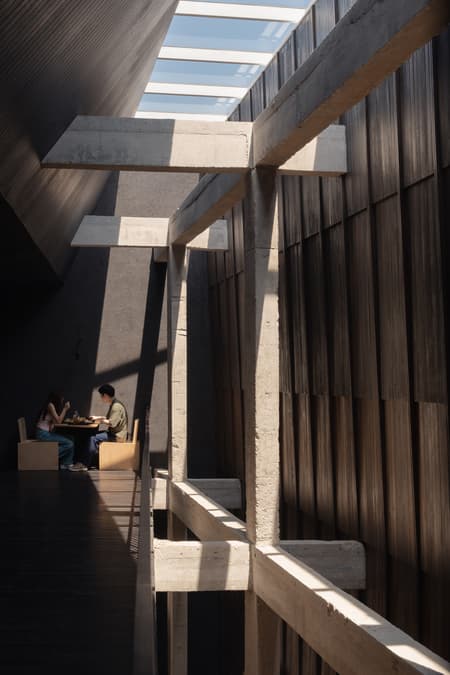
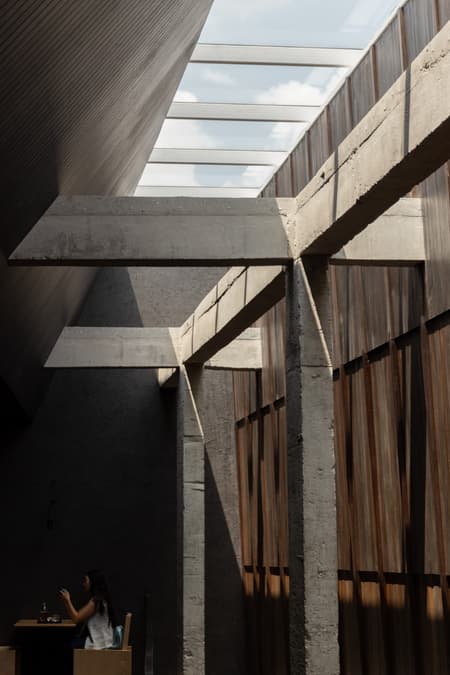
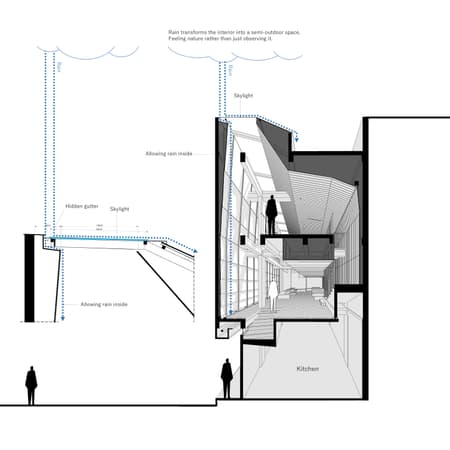
Another core design driver was creating a distinct identity for each ITSUMO location. While the Bali store embraced fluid, red voluptuousness, the Batam brief rejected curves for stricter, sharper geometry—an intentional contrast. This monochromatic preference, extending to black, drew inspiration from avant-garde Japanese fashion, where layering textures and shapes within a single color palette creates depth and harmony. The solemn ritual of tea and sweet consumption at ITSUMO also demanded an honoring architectural backdrop. Lastly, the client's deep connection to rain became a pivotal element, leading to the innovative courtyard design allowing natural light and even rainfall to permeate the interior.
Translating these inspirations into reality presented unique challenges. First, how to create a statement architecture that stood apart yet contributed to the area's energy. The solution lay in a delicate balance: employing minimalist forms and a restrained facade treatment, yet imbuing it with soft textures and meticulous craftsmanship. This allowed the building to assert its presence as a "quiet statement," harmonizing with the neighborhood without mimicking it.
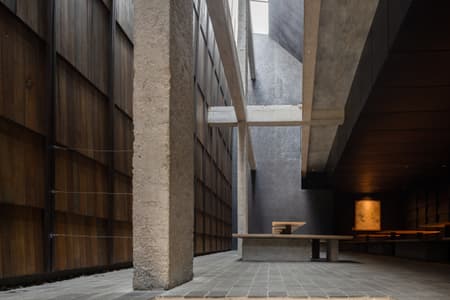
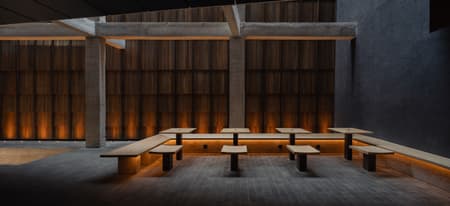
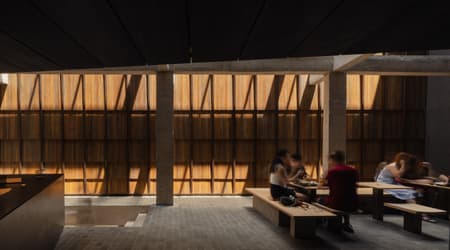
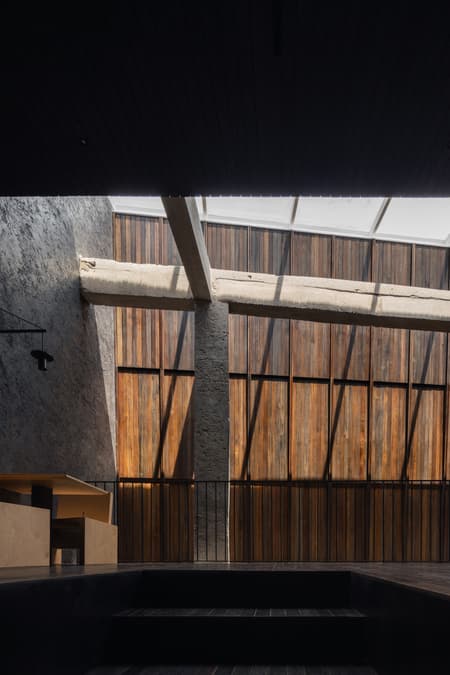
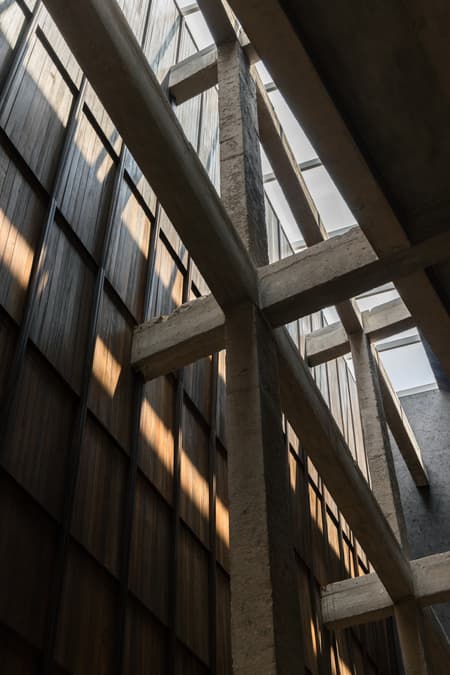
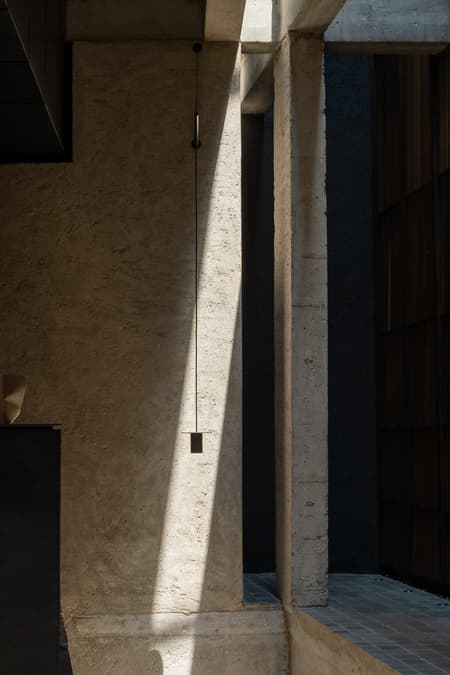
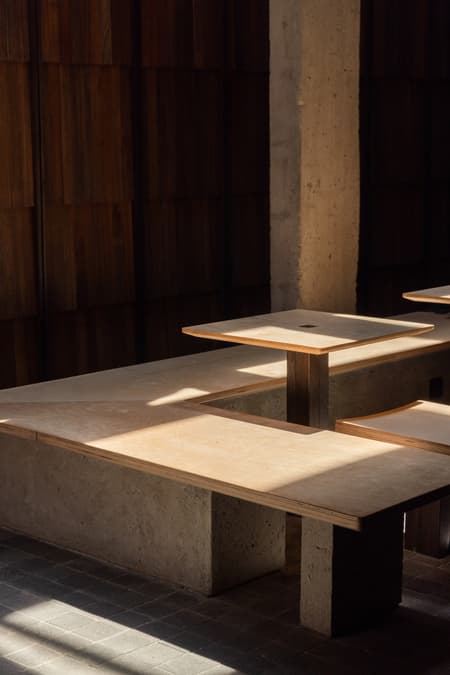
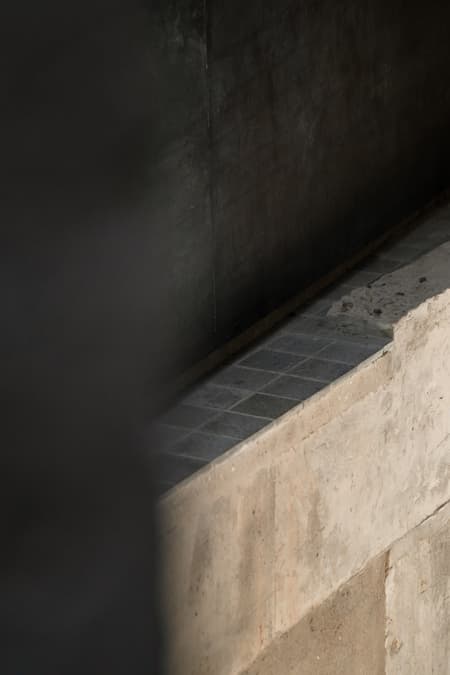
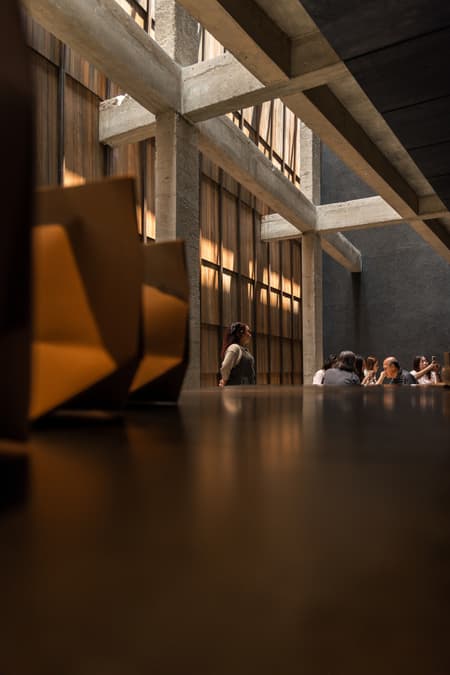
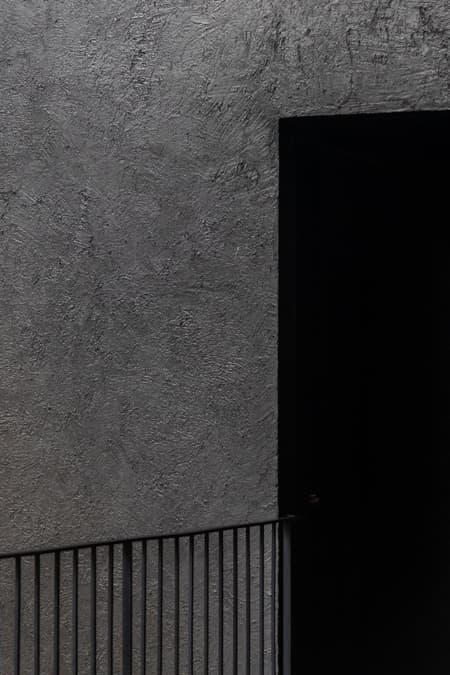
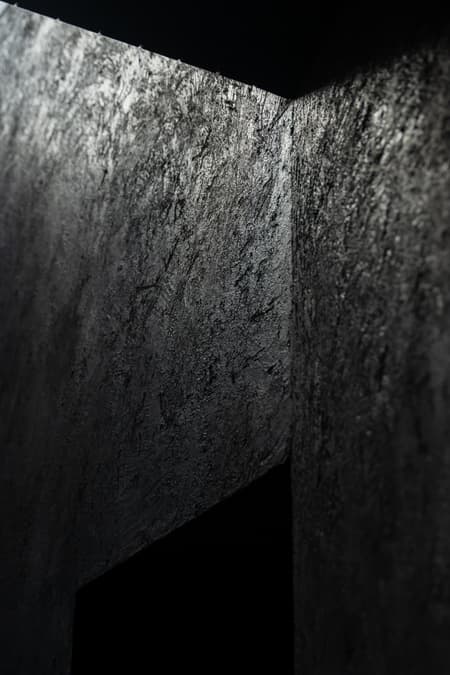
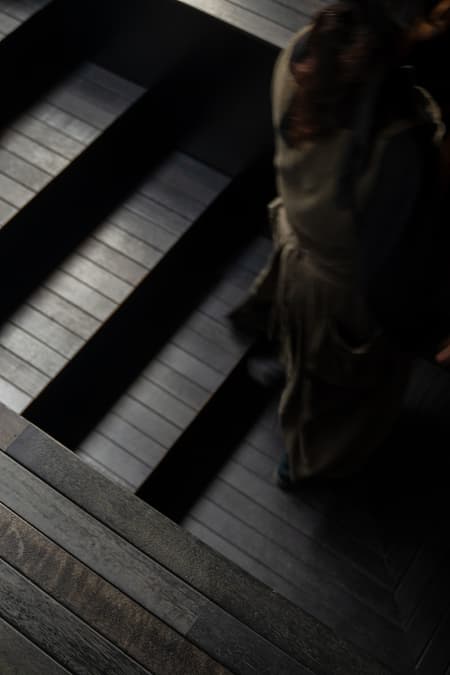
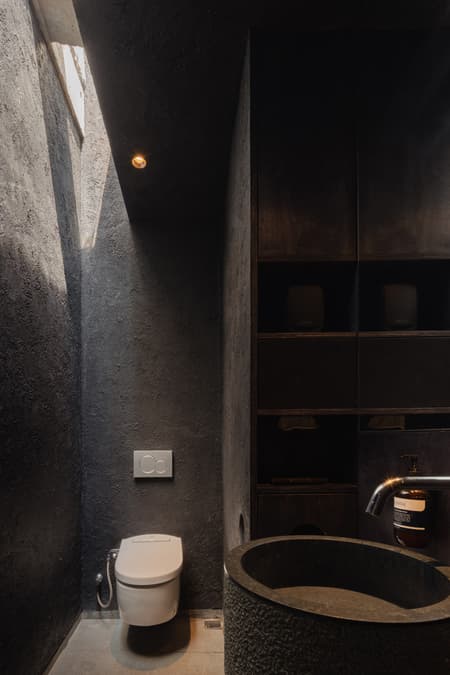
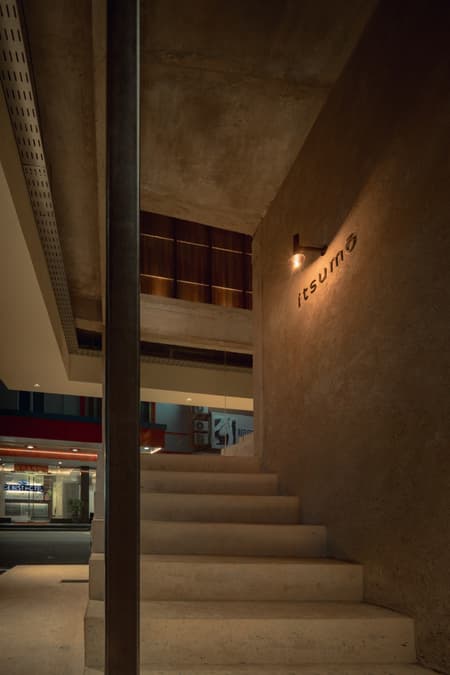
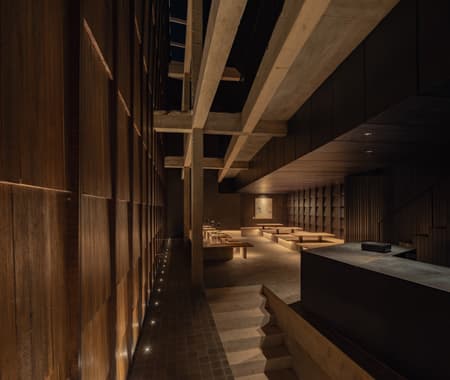
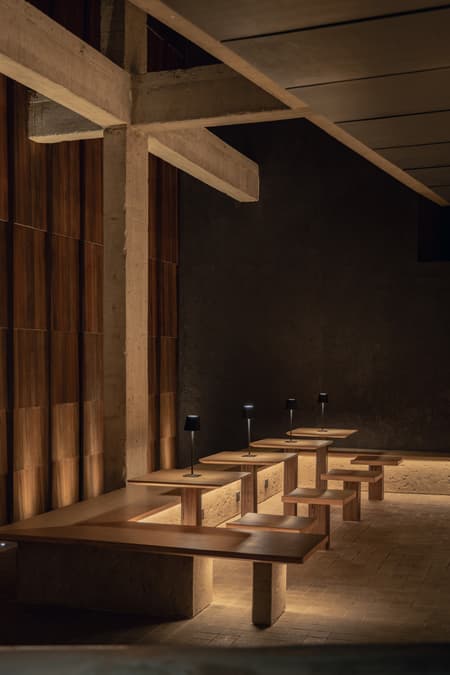
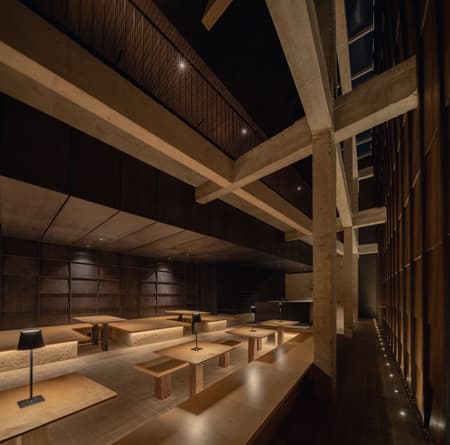
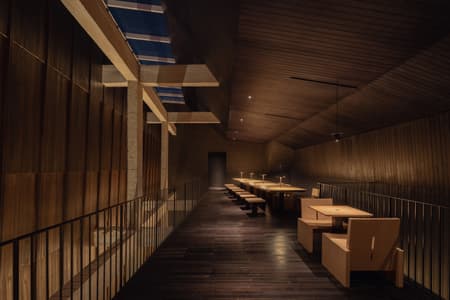
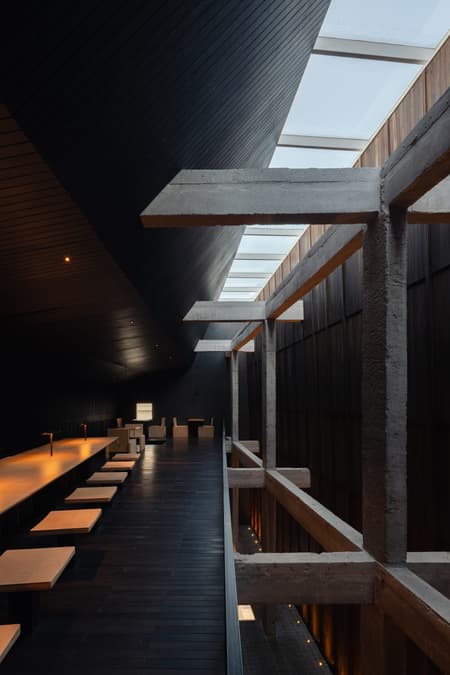
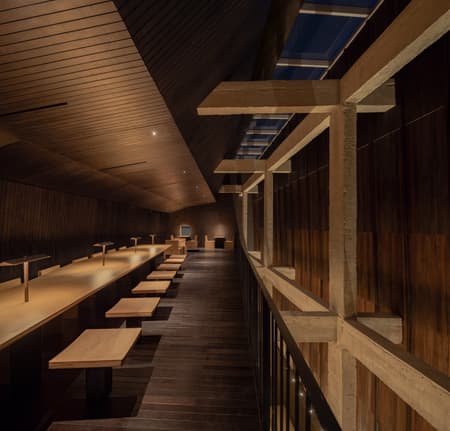
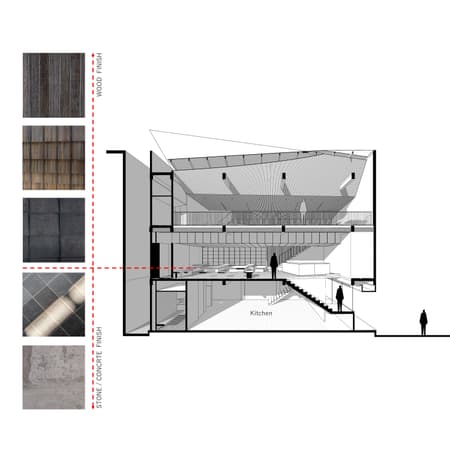
A significant hurdle was creating a predominantly black interior without it feeling somber or like a "nightclub." Inspired by avant-garde black fashion, the design team extensively researched naturally black or stainable materials, exploring textures from stone to metal to wood. The final palette achieved harmony by juxtaposing the natural gray of existing concrete with various shades of black and brown wood, gray stone, and black steel, creating depth and visual interest within the monochromatic scheme.
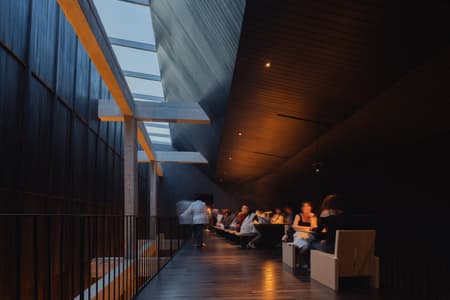
Perhaps the most poetic challenge was the client's desire to "bring the rain in." Defying conventional architectural wisdom, the team developed a clever system of hidden rain gutters between the facade wall and skylight. This allows controlled rainwater dripping into the courtyard during storms and functions as natural ventilation. A second hidden gutter at floor level then directs the water out. This innovative solution beautifully merges the client's personal connection to rain with functional requirements.
The unusual dynamic of complete client trust presented its own unique challenge. Accustomed to navigating constraints, the design team found themselves in the rare position of artistic freedom. This necessitated a shift in their internal process, becoming their own critics and guides, constantly evaluating and defining a successful outcome. It was a profound exercise in translating a client's essence into architectural form through their own artistic lens.
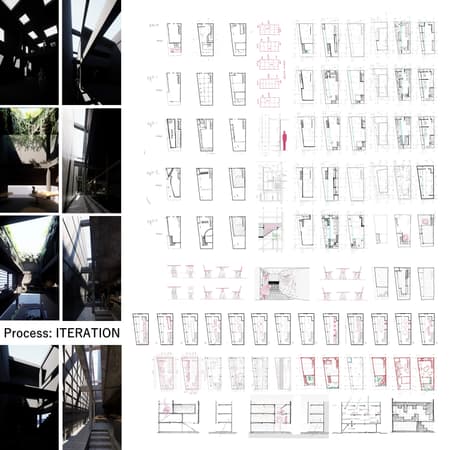
Ultimately, the ITSUMO project was defined by two key elements: communication and iteration. Consistent, honest dialogue between architects, client, and contractor proved crucial in navigating complexities and ensuring a cohesive vision. An iterative design process, involving numerous options for every detail, was vital in achieving the desired aesthetic and functional outcomes. The dedication of craftsmen at Room Studio in producing countless samples to refine the interplay of light, material, and color saturation underscores the commitment to achieving the exact desired feeling.
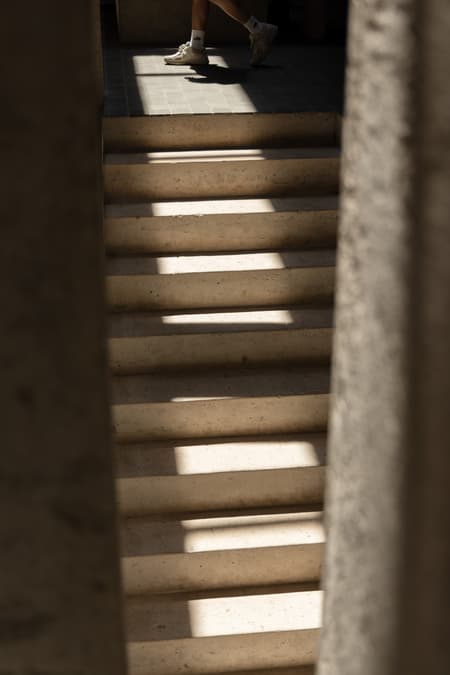
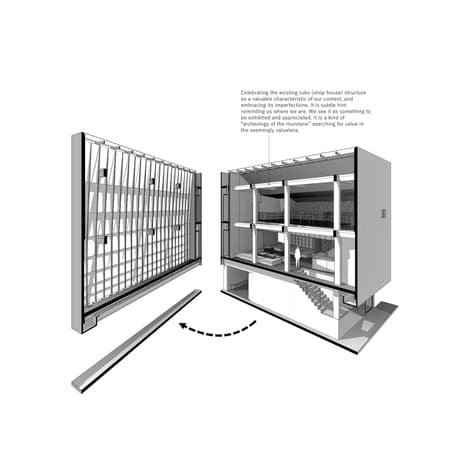
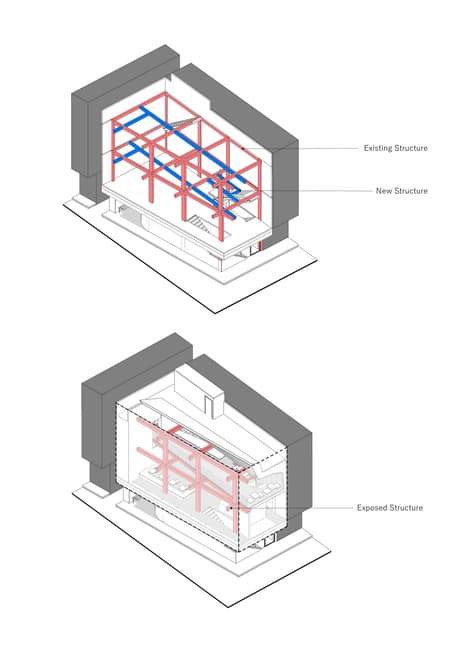
Reflecting on the journey, the architects gained profound insights. They reaffirmed architecture's truly collaborative nature, recognizing open communication and shared vision. They also discovered a newfound appreciation for existing site conditions, choosing to expose and celebrate the building's original structure rather than concealing it.
In essence, ITSUMO stands as a powerful statement: meaningful architecture transcends location. The architects frequently encountered the sentiment, "Why put so much effort into Batam?" This question is rooted in Batam's identity as a pragmatic, efficiency-driven city where architectural investment typically favors function over artistic expression. Their response, embodied in the final design, is that every place deserves thoughtful, innovative design capable of inspiring and pushing boundaries.
ITSUMO is not just a store; it is a catalyst, a testament to evolving perspectives that challenges assumptions and demonstrates the transformative power of architecture, regardless of its geographical context. The project undoubtedly reshaped the architects' approach, highlighting the profound impact of trust, the beauty of embracing constraints creatively, and the enduring value of genuine collaboration in realizing a shared vision. The unexpected discoveries and the journey of navigating complete freedom fostered significant growth, solidifying their belief in architecture's power to elevate the ordinary and inspire new possibilities.