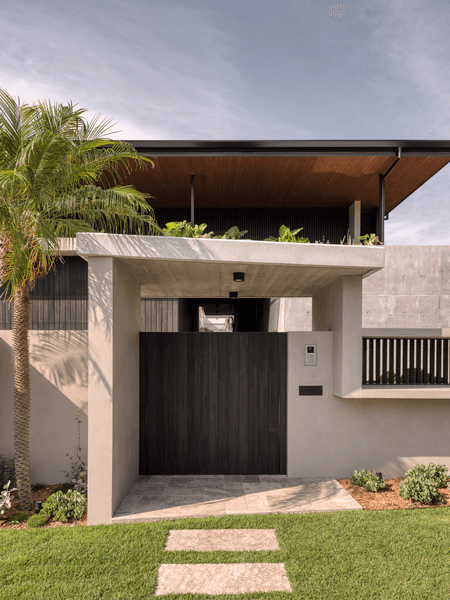
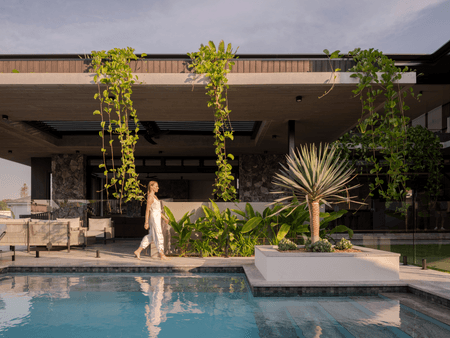
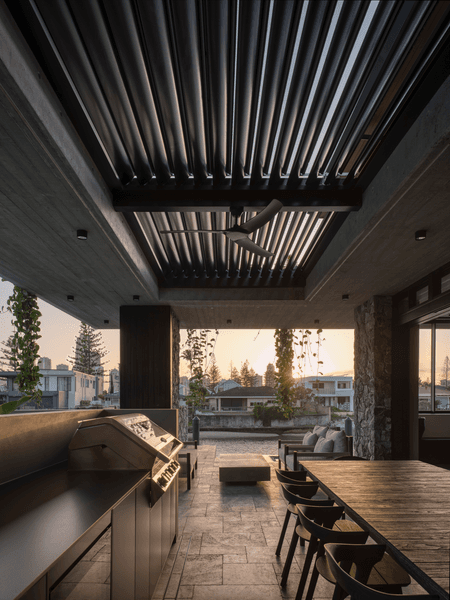
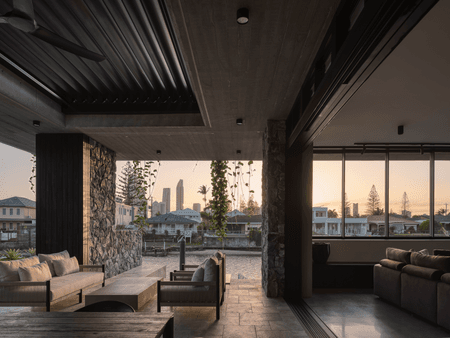
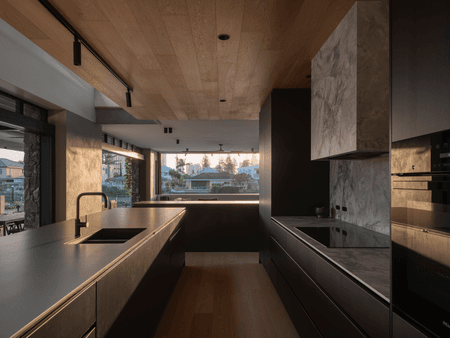
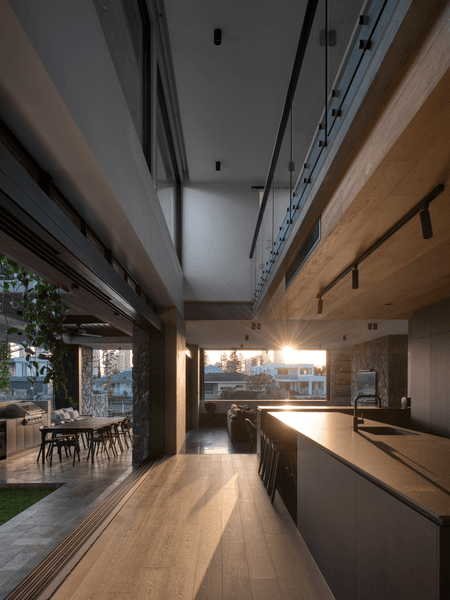
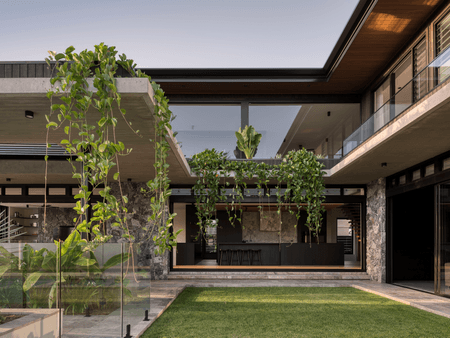
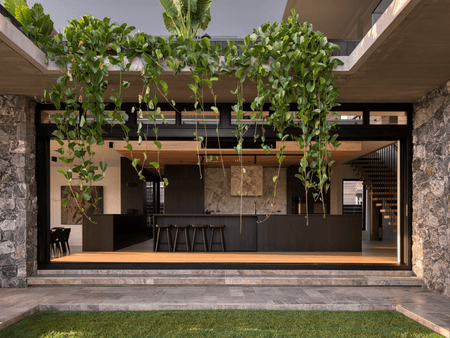
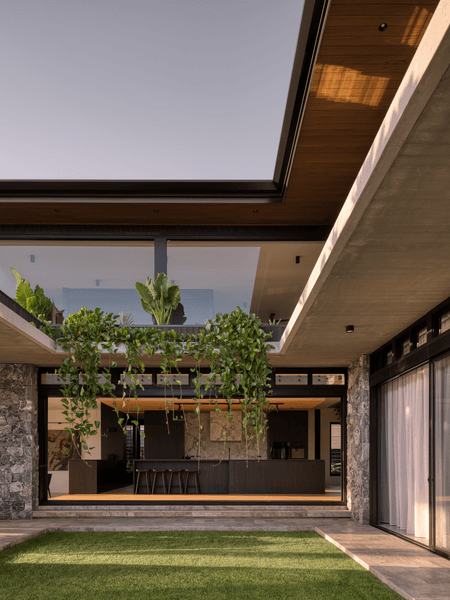
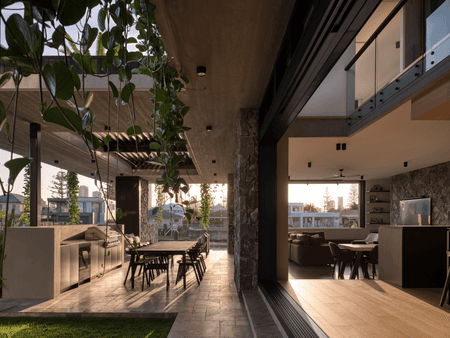
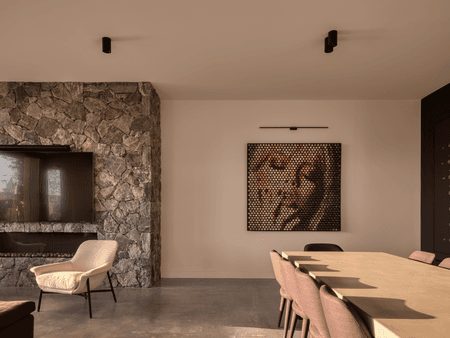
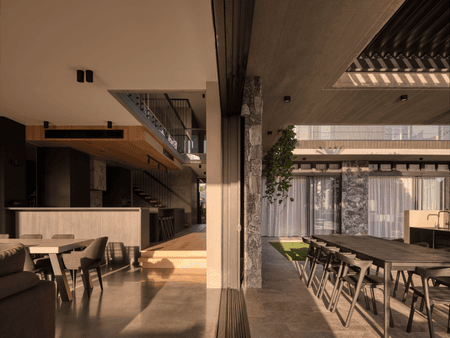
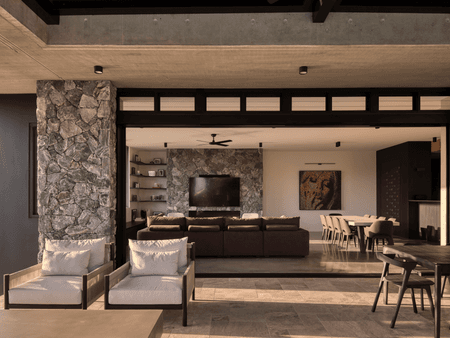
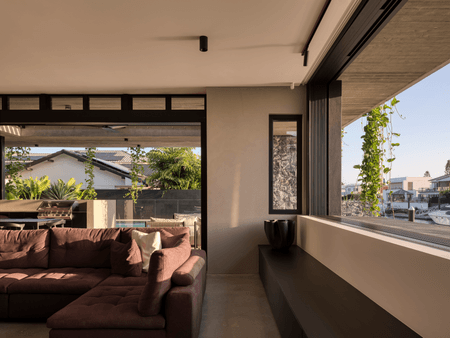
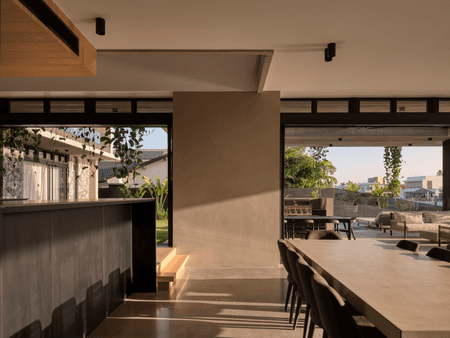
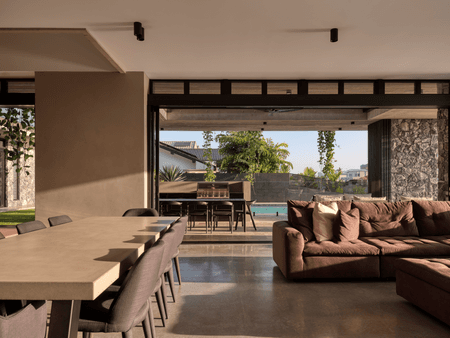
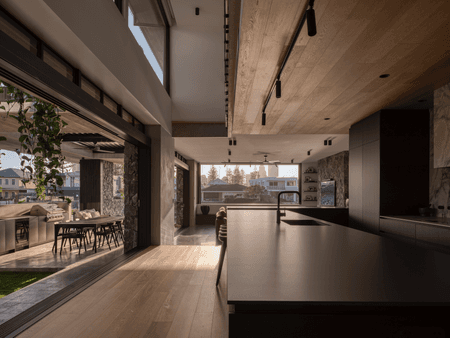
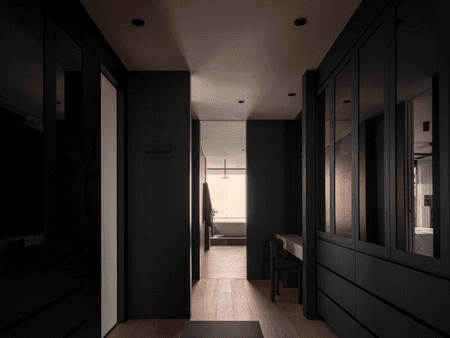
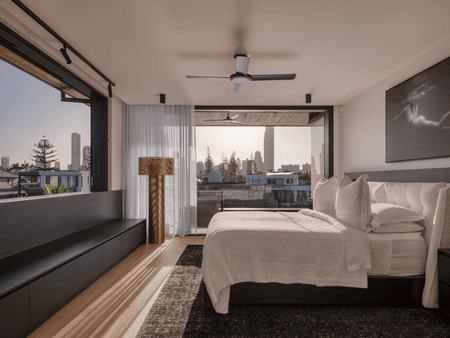
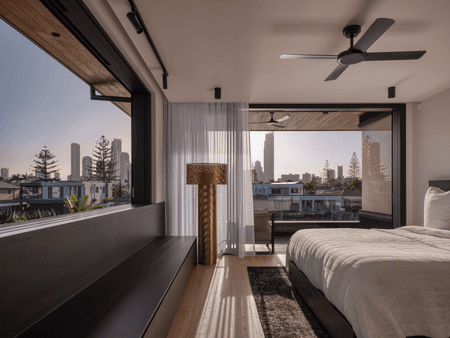
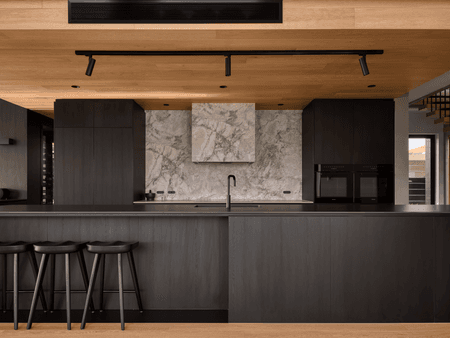
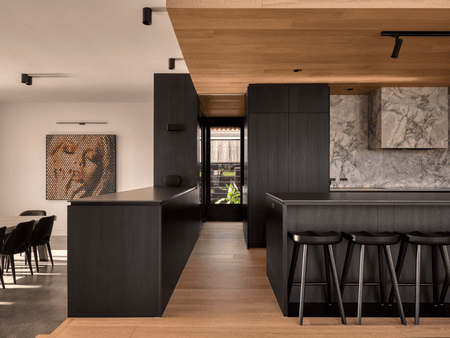
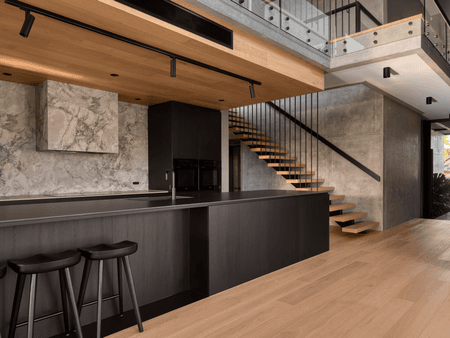
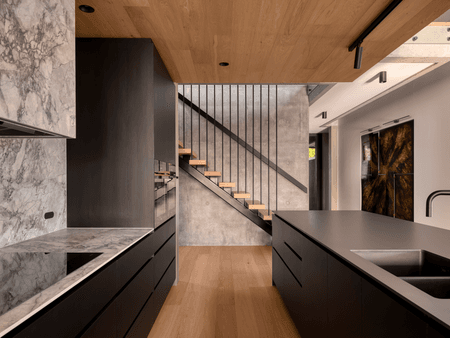
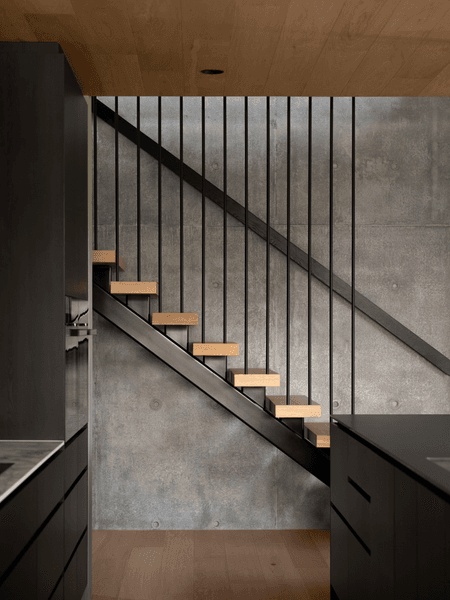
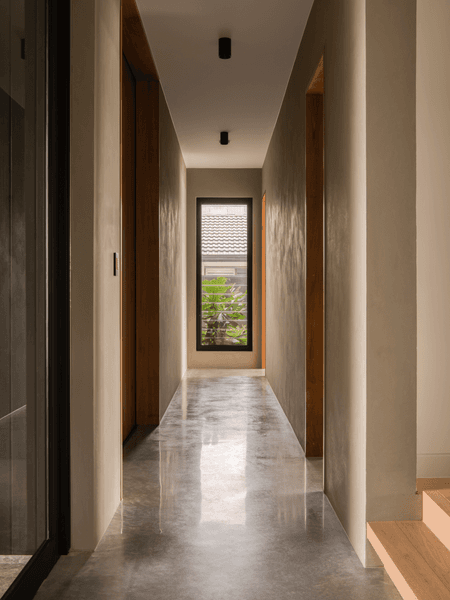
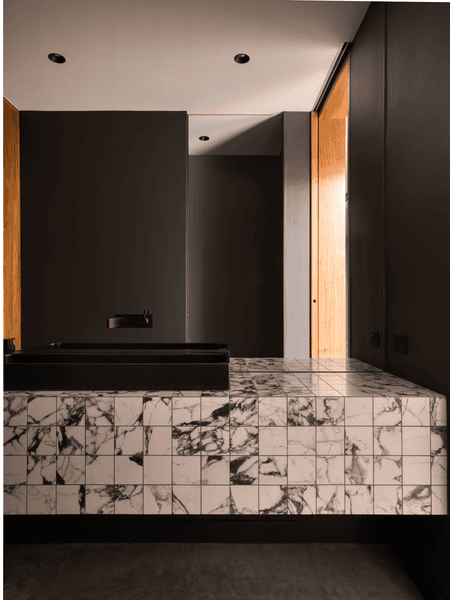
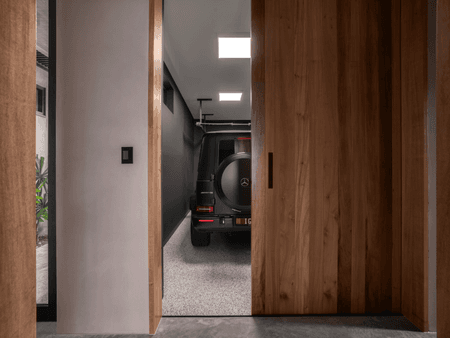
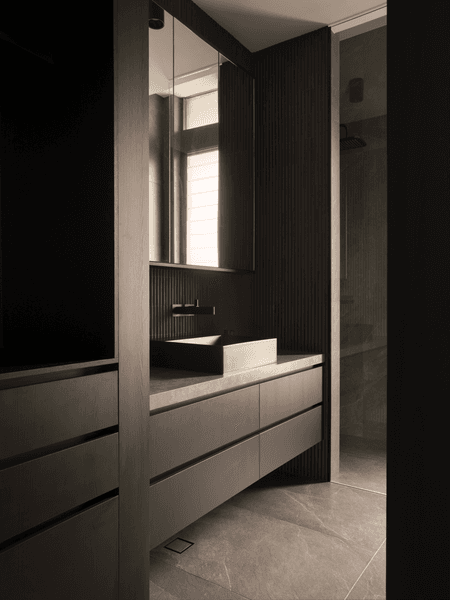
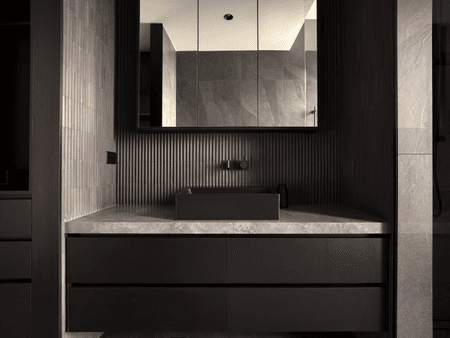
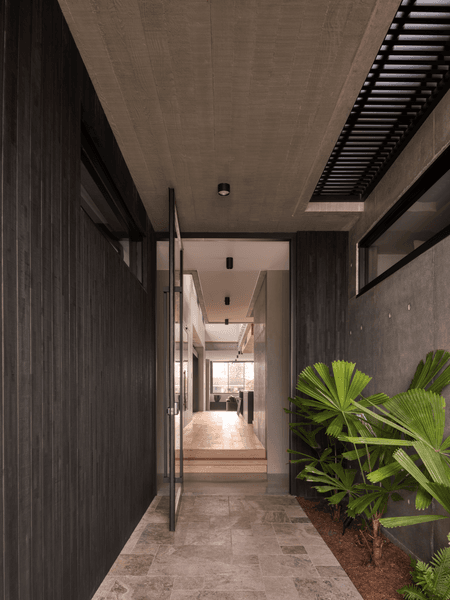
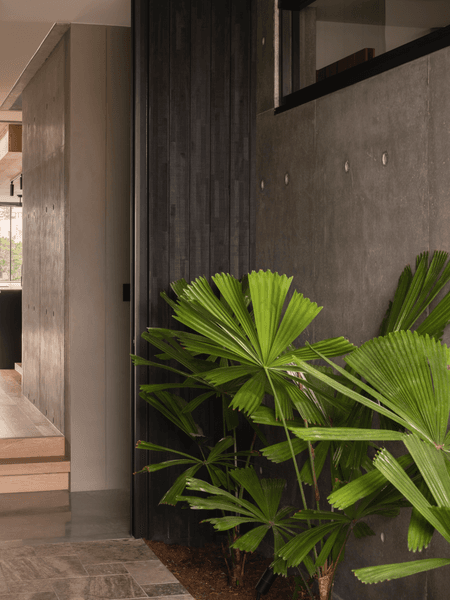
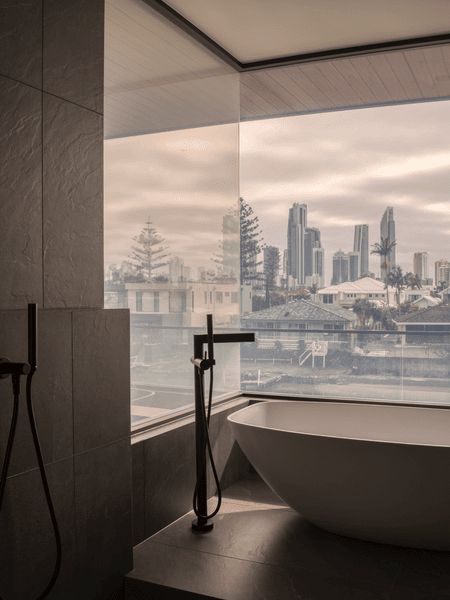
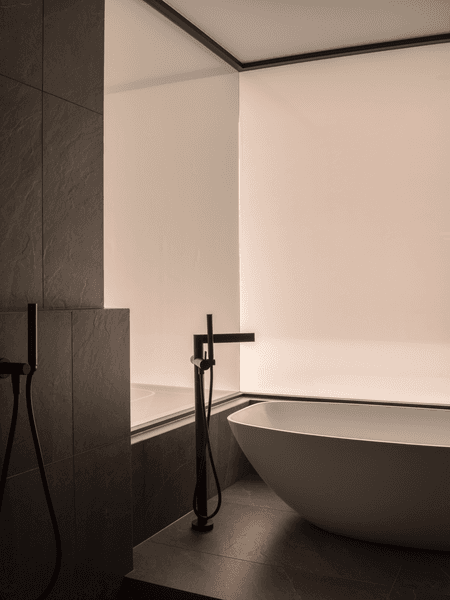
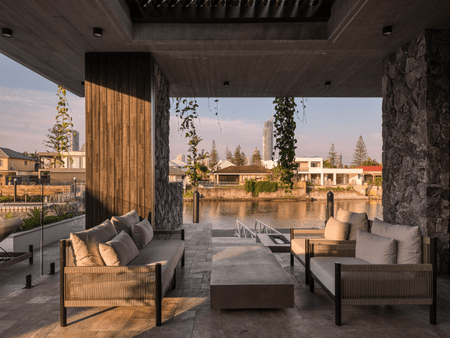
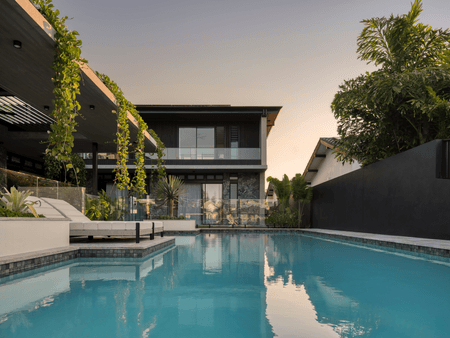
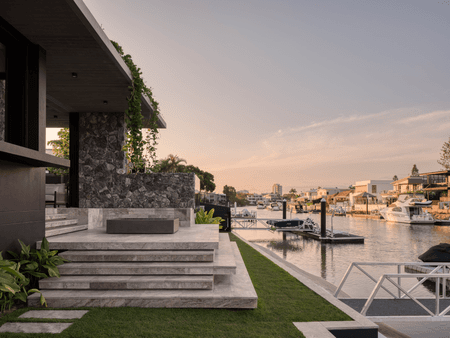
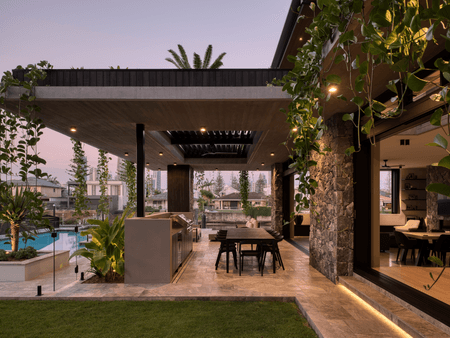
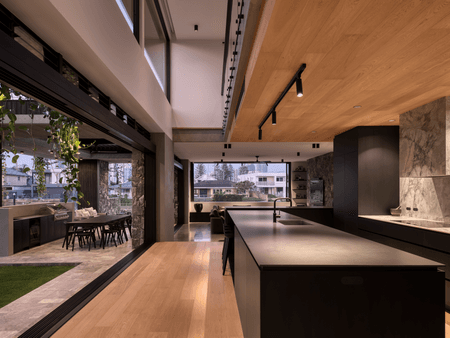
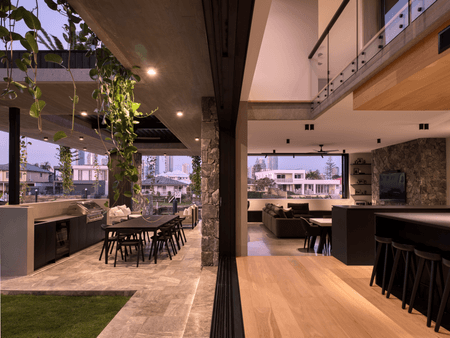
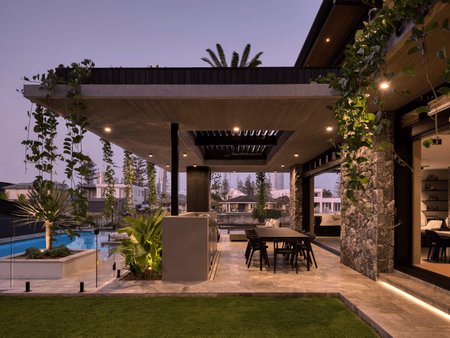
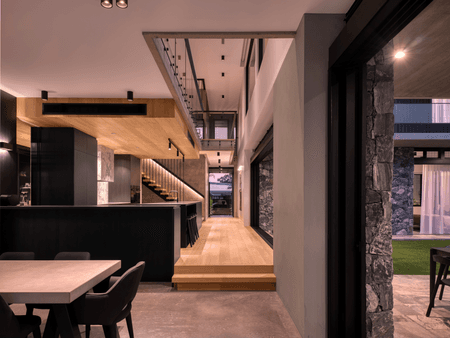
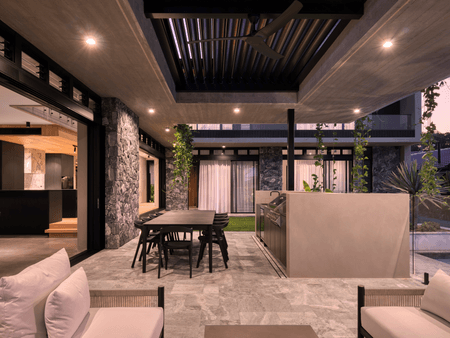
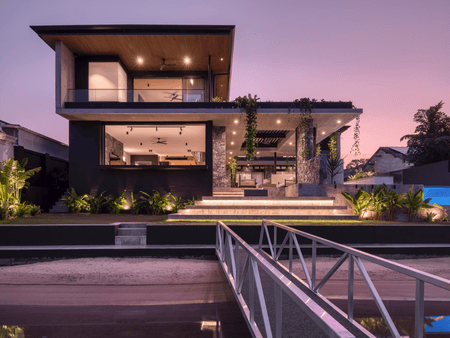
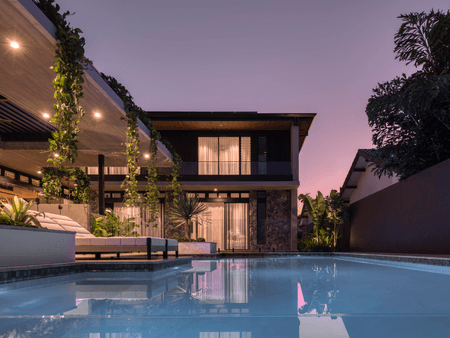
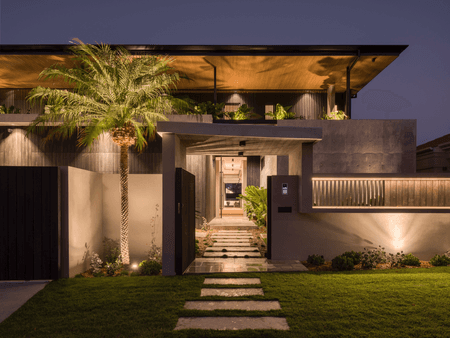
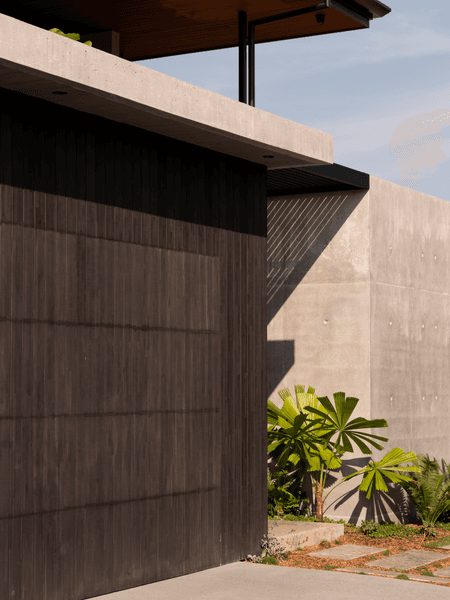
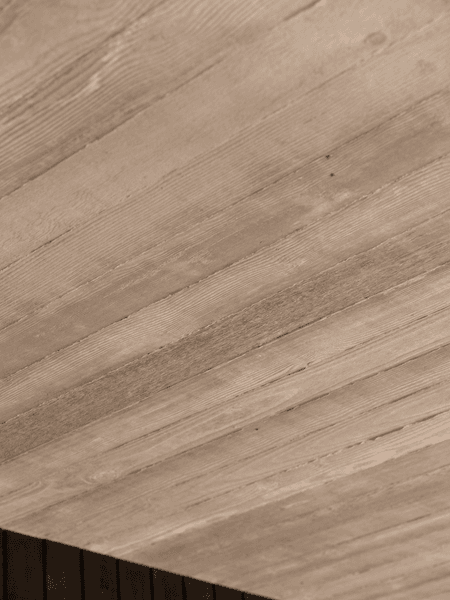
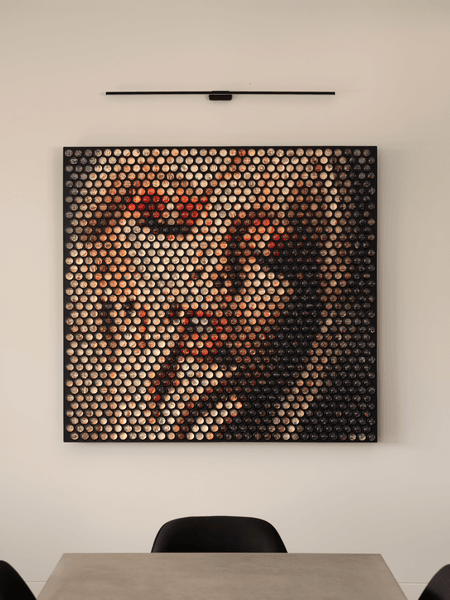
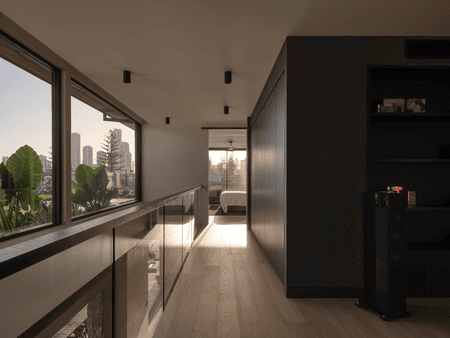
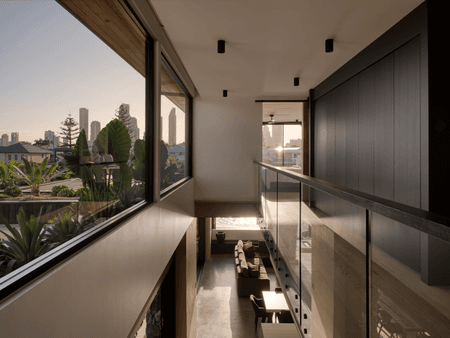
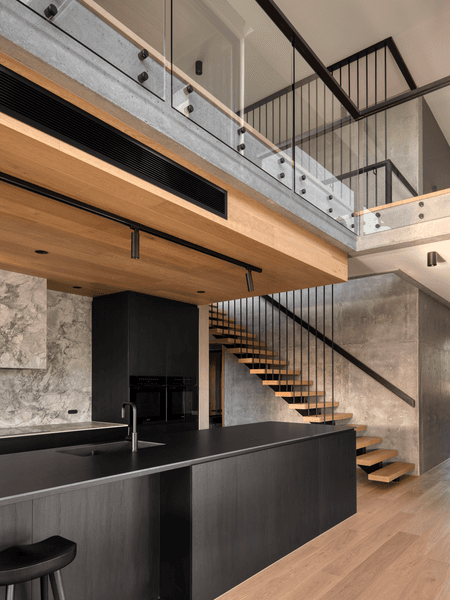
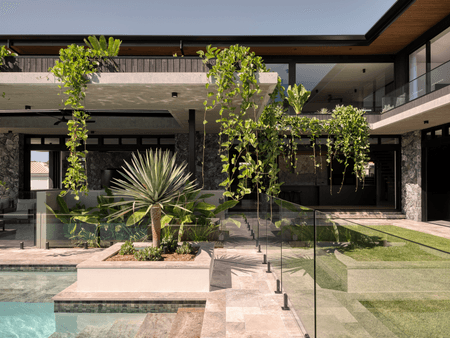
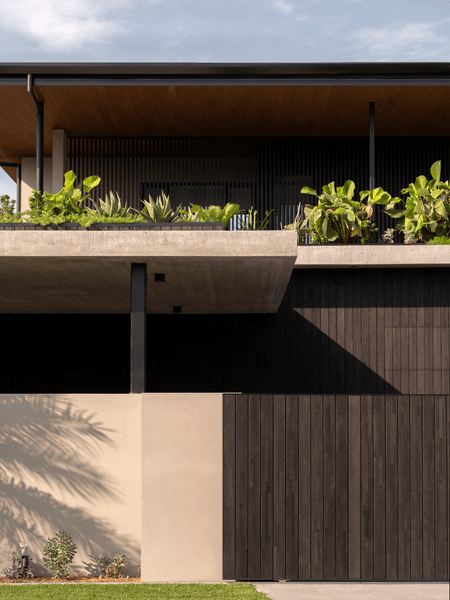
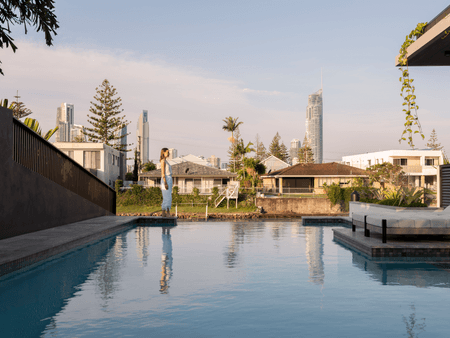
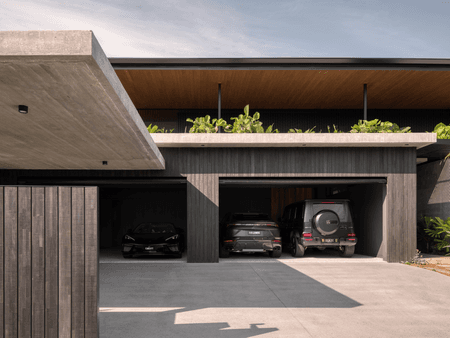
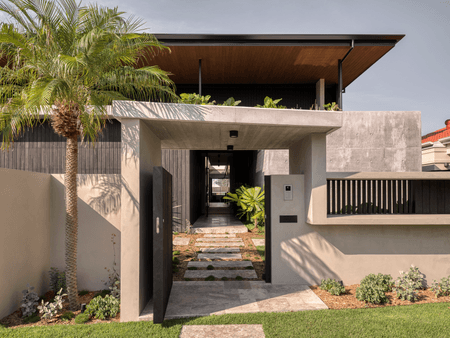
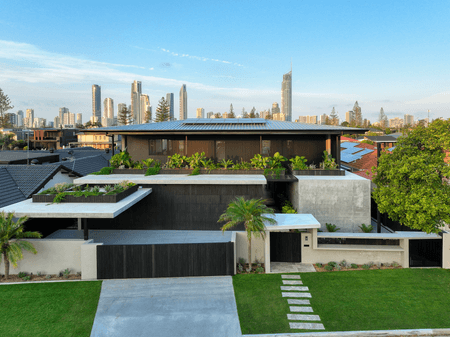
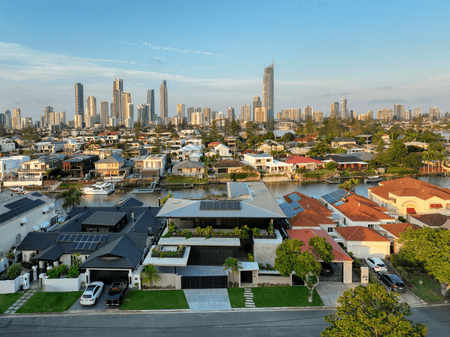
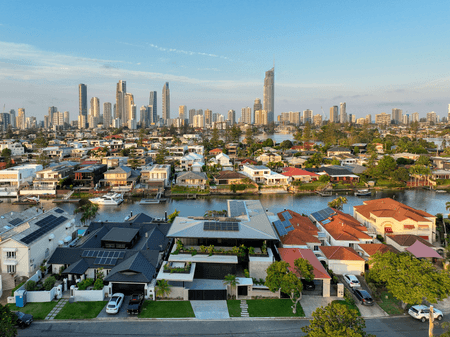
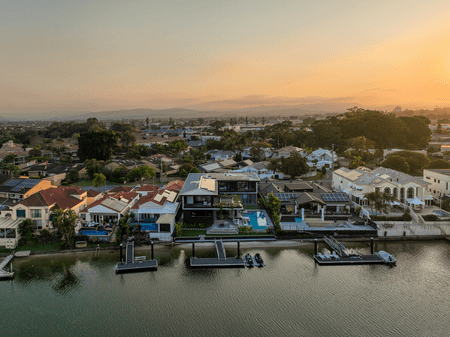
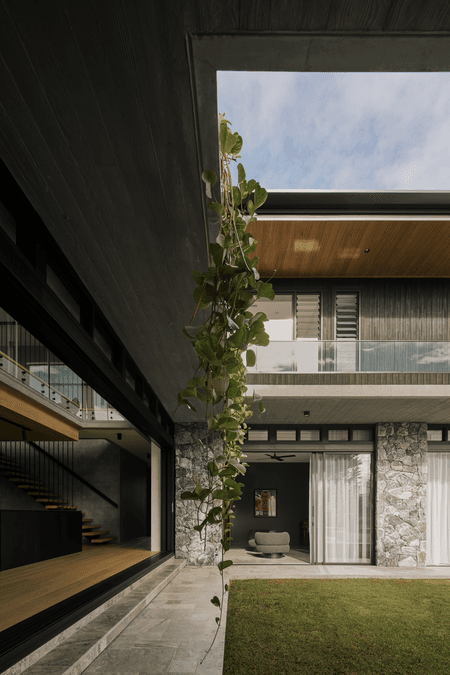
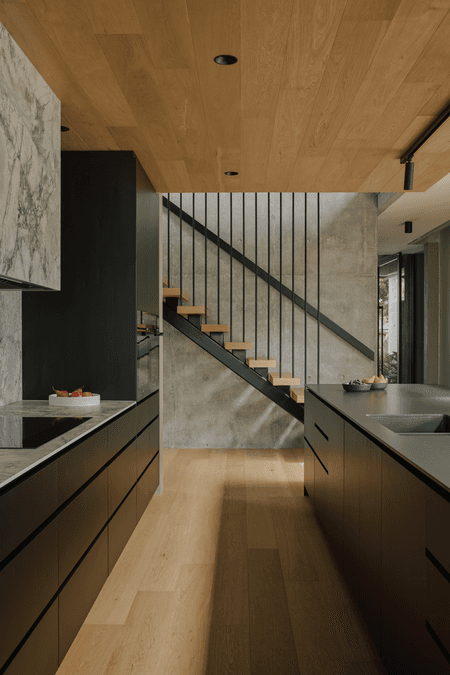
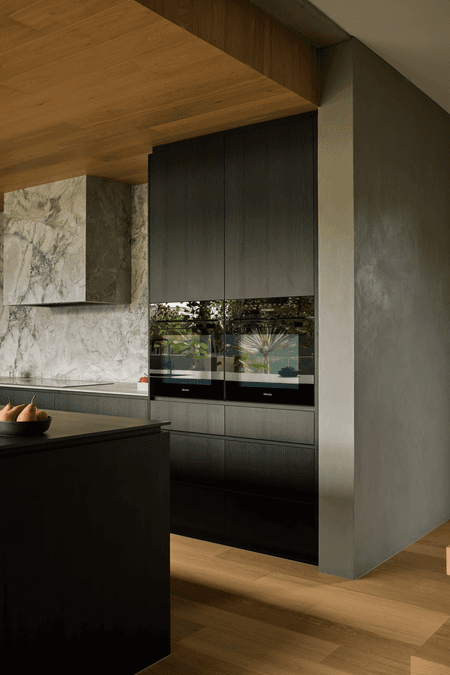
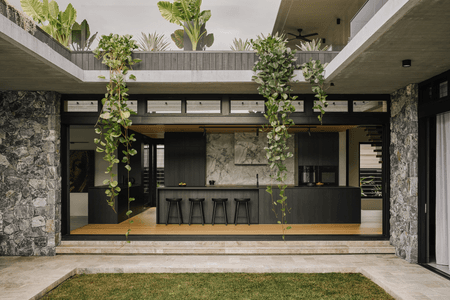
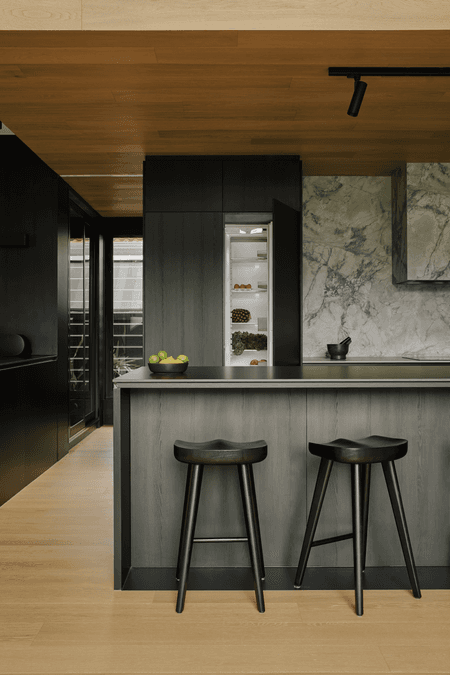
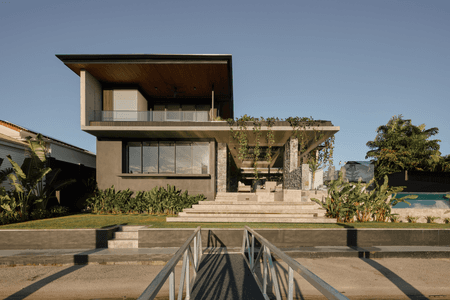
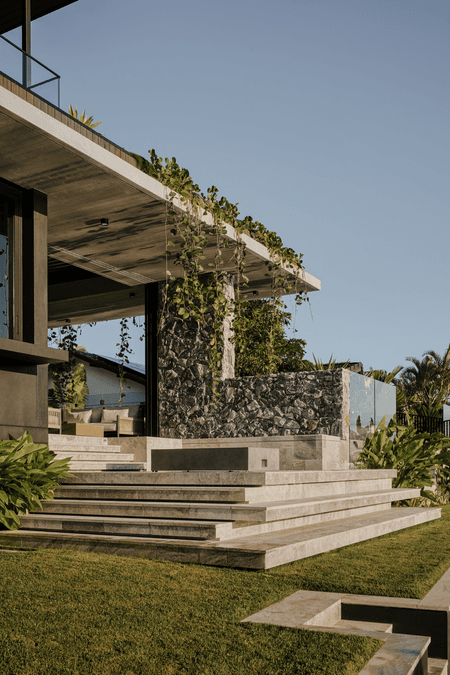
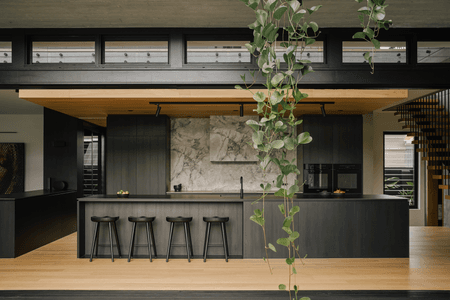
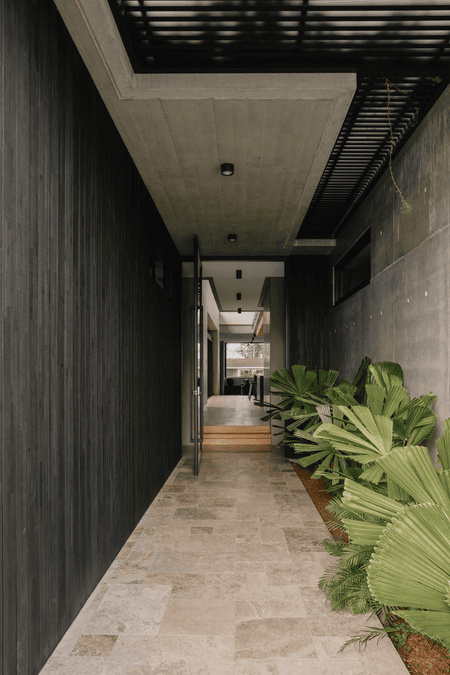
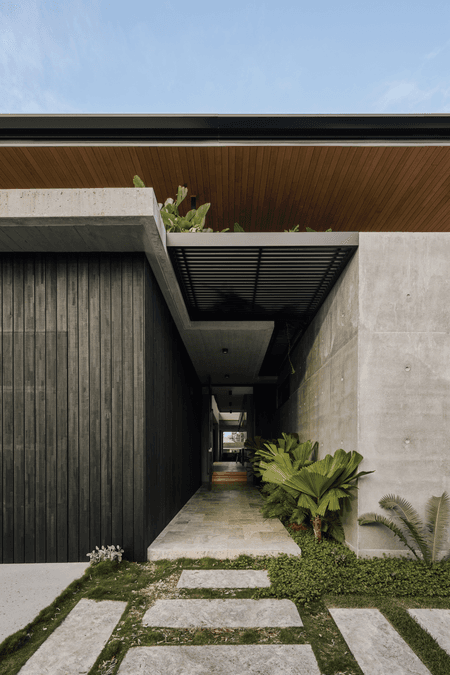
Vespa Project is an innovative dwelling that seamlessly integrates contemporary design with its natural surroundings, fostering a deep connection between built form and environment. A subtropical retreat blending raw concrete, contrasting black details, and warm timber, the architectural vision is rooted in biophilic principles, emphasising natural light, ventilation, and materiality that harmonises with the landscape. Lush greenery and abundant daylight infuse the space with a sense of tranquillity, softening the industrial-inspired aesthetic. At its core, Vespa Project is a responsive, adaptable home—designed to meet the evolving needs of its occupants while serving as a sanctuary that blurs the boundaries between built form and its intensified subtropical setting.
Although a private residence, Vespa contributes to the broader architectural discourse through its sustainable innovations. Passive design strategies reduce energy consumption, while considered materials and collaborations with artisans support cultural sustainability and reinforces regional identity. The landscape design enhances local biodiversity, reinforcing ecological value within the neighborhood.
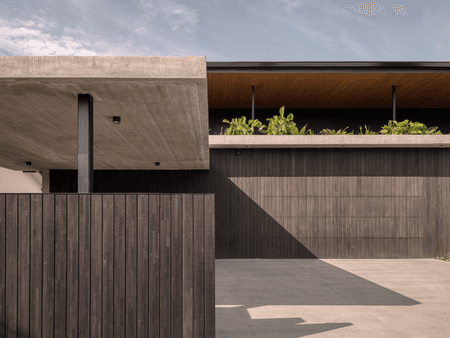
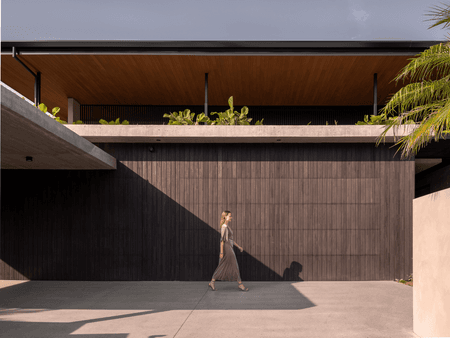
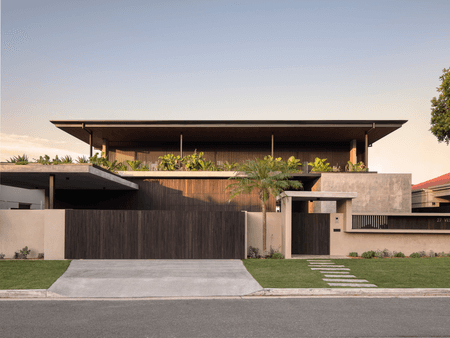
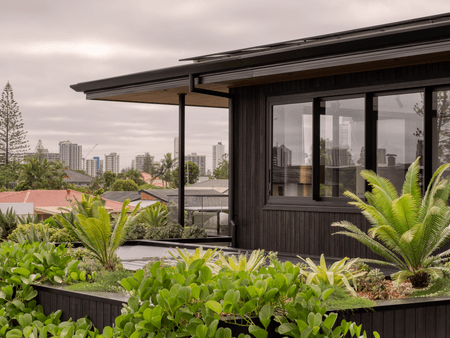
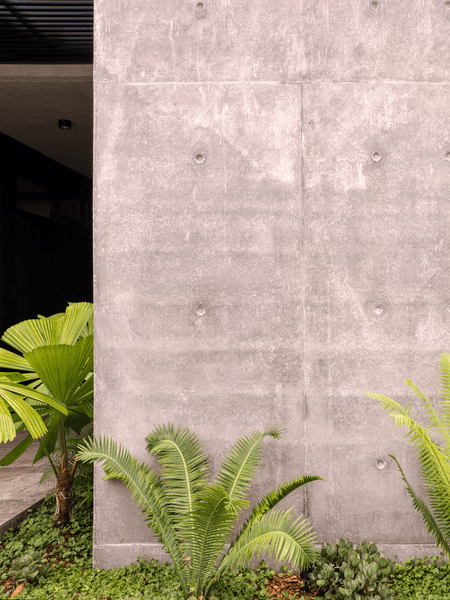
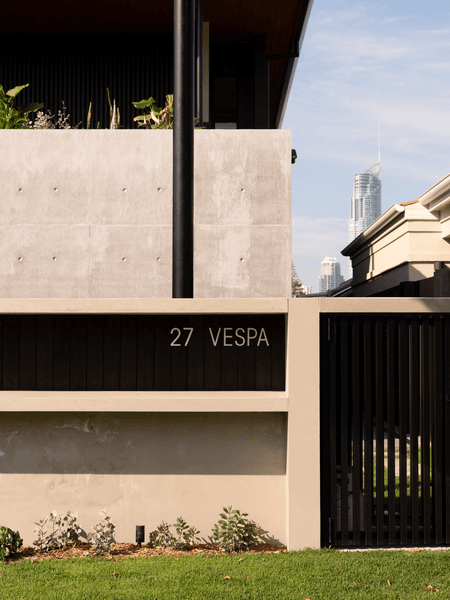
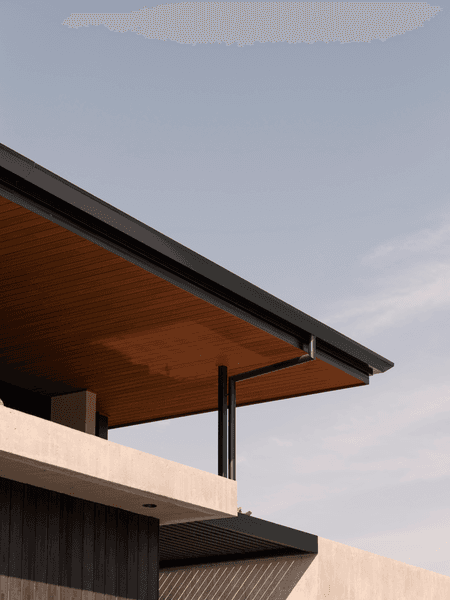
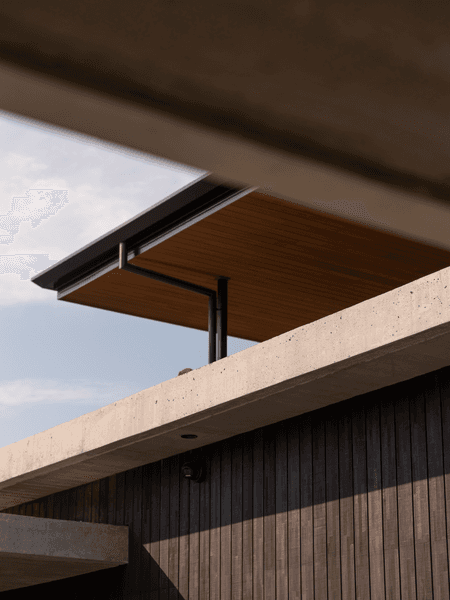
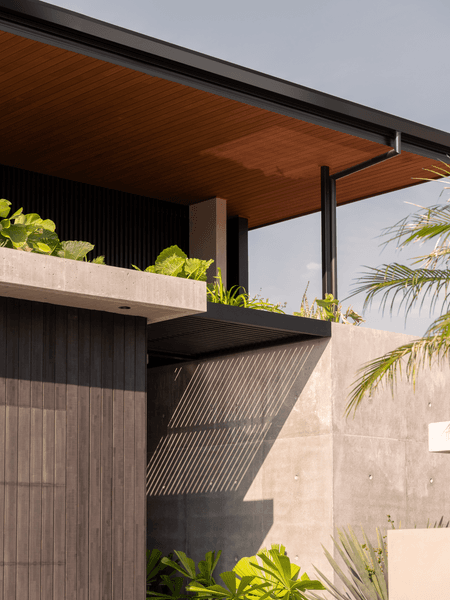
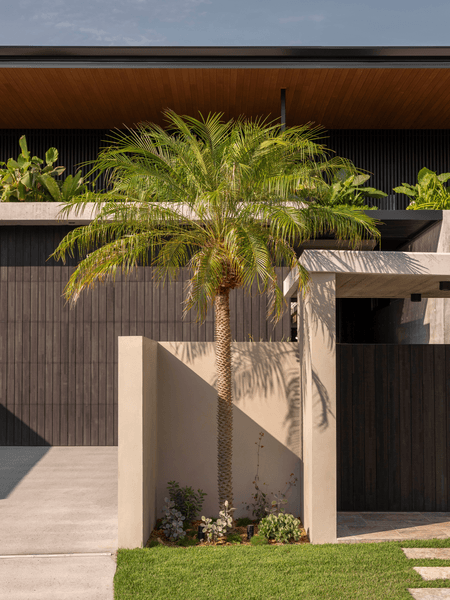
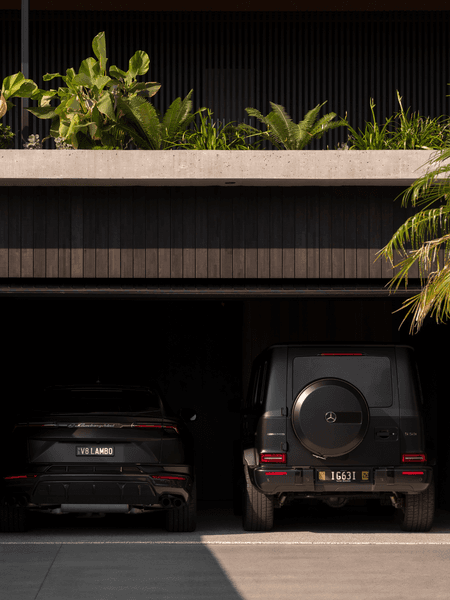
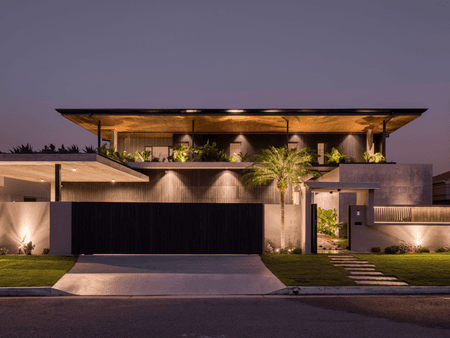
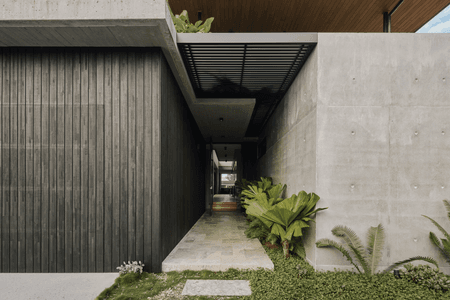
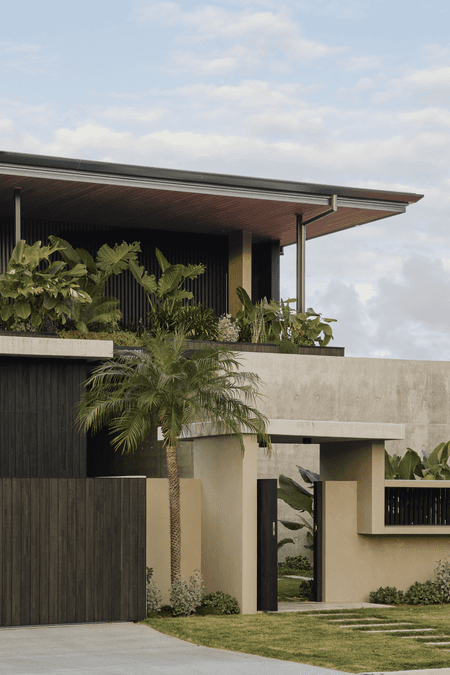
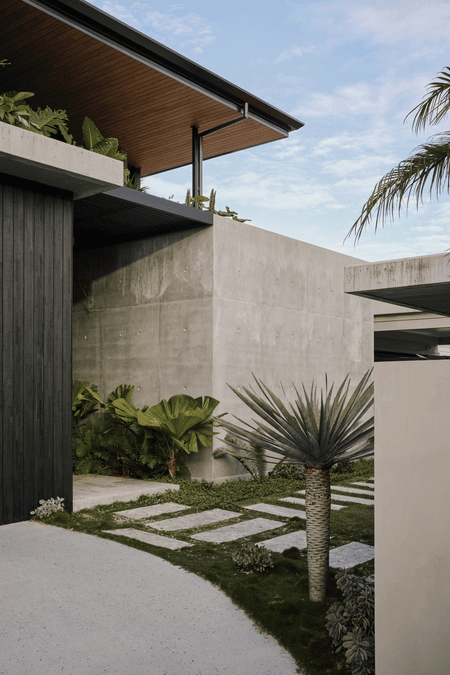
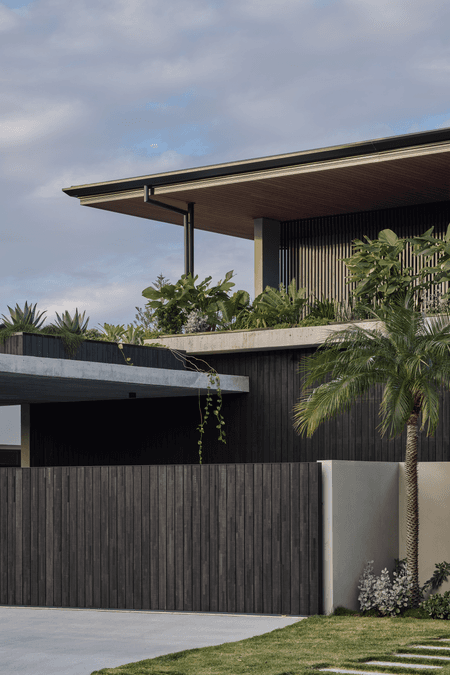
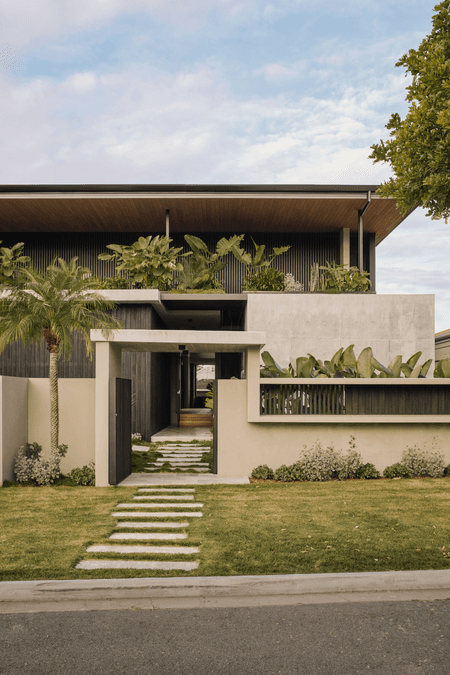
The Western streetfront facade was designed as a monolithic form to create privacy beyond and shelter from the harsh afternoon sun. The orientation maximises passive solar gain while deep overhangs and secondary facades regulate temperature and airflow. A pure subtropical roof form hovers above providing shelter, with battening and lush rooftop gardens adding a further layer of environmental protection. This approach ensures that the house blends effortlessly into its surroundings while offering a dynamic engagement with changing light and seasonal variations.
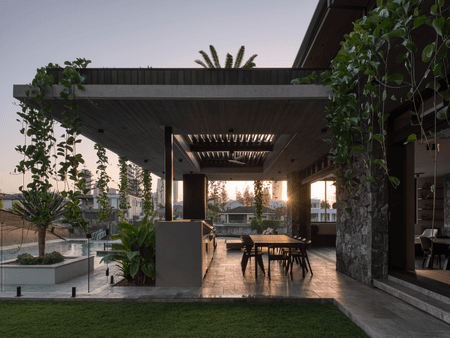
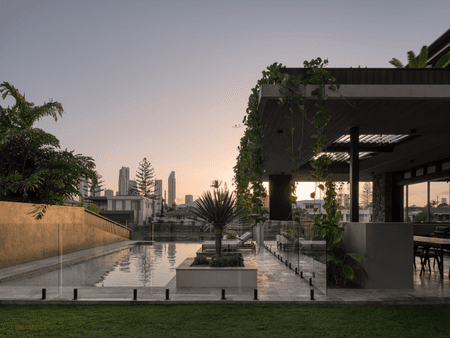
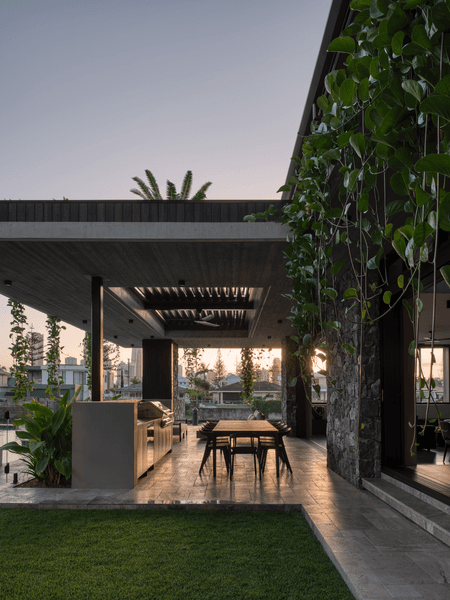
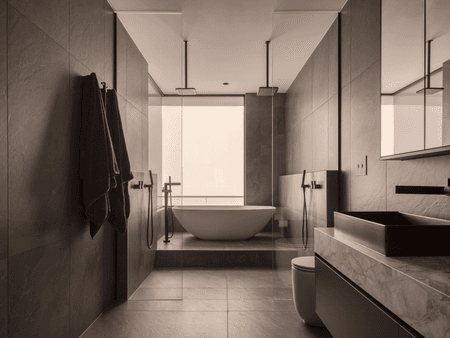
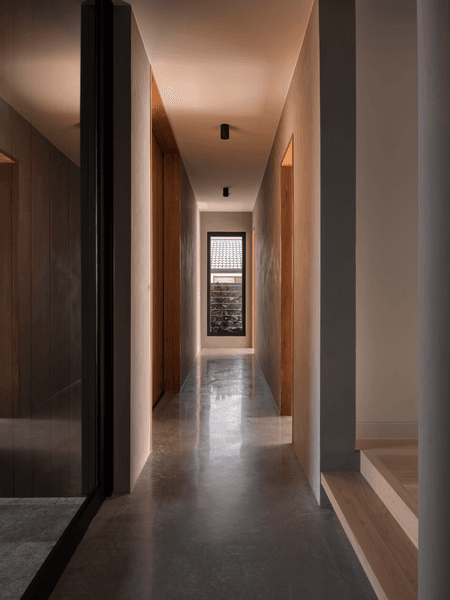
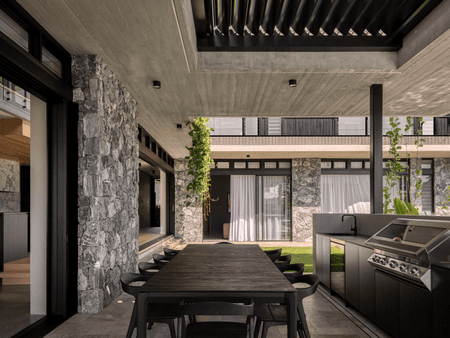
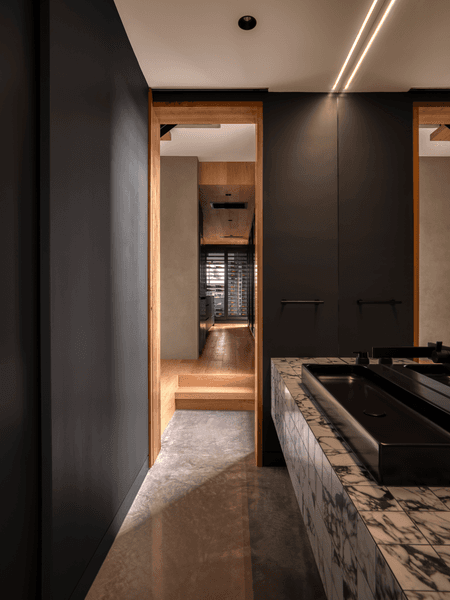
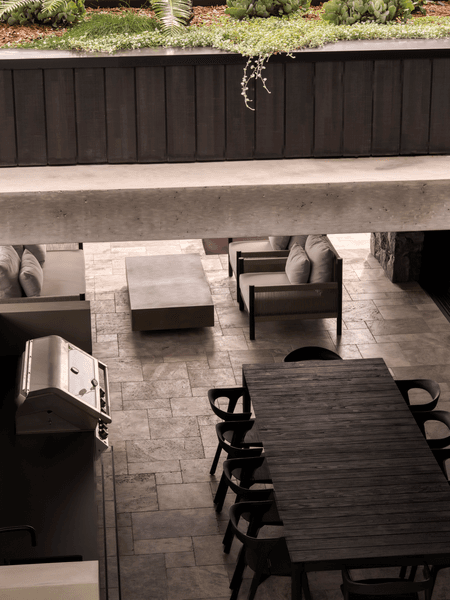
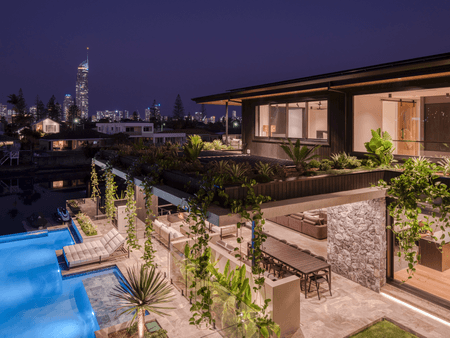
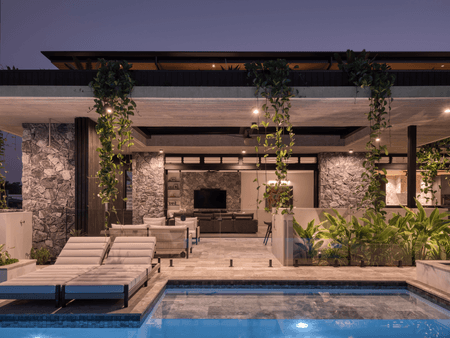
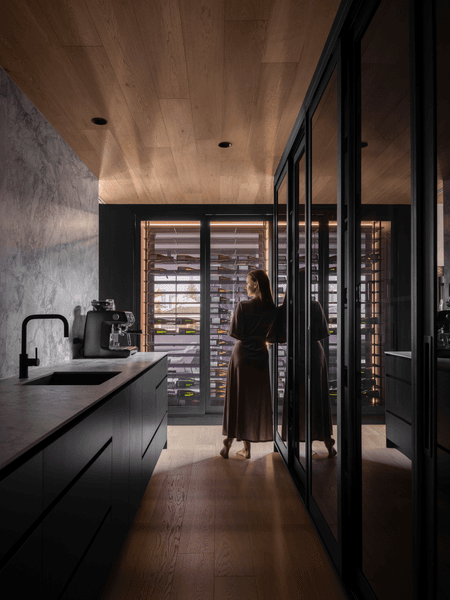
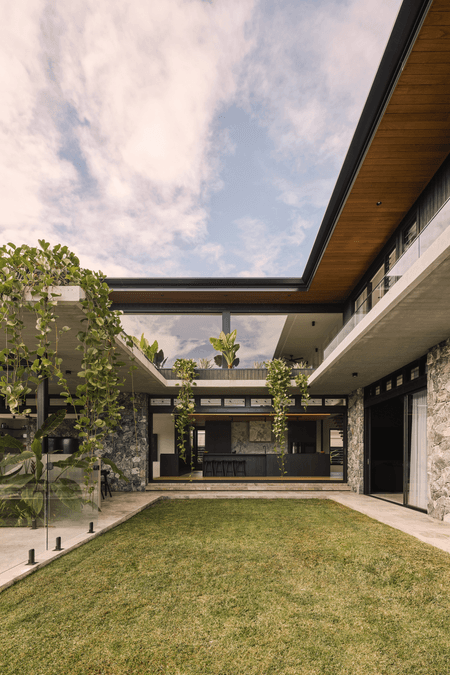
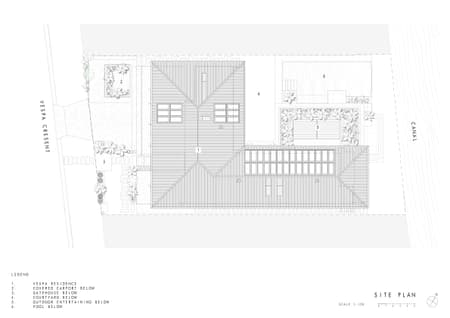
Subtropical living is designed to occupy the edges, connecting seamlessly with the landscape. The layout is organised around a central courtyard, which acts as a microclimate regulator and communal hub. Public and private zones are thoughtfully delineated, offering flexibility for evolving family dynamics. Private internal spaces are intentionally designed to contrast, offering serene retreats that balance the open, outward-facing aspects of the home.
The success of Vespa is the result of a collaborative approach. Structural engineers optimised the building framework for efficiency and resilience. Landscape architects designed a regenerative garden that complements the natural environment. The Interior Design curated a tactile, warm material palette that enhances the sensory experience of the home. This integrated approach ensured a holistic outcome.
Durable materials like raw concrete and timber, ensure longevity with minimal maintenance. Integrated renewable energy systems, including solar power and passive cooling, reduce operational costs over time. This sustainable approach enhances long-term cost-effectiveness.
Passive heating and cooling, energy-efficient glazing, water-sensitive landscaping, and photovoltaic energy generation significantly reduce the home’s carbon footprint. The lush greenery incorporated into the architecture enhances air quality, provides shading, and reduces urban heat island effects.
The design of Vespa responds to the client’s aspirations for a home that is both functional and inspiring. Through careful spatial planning, material selection, and environmental considerations, the project delivers a home that is comfortable, flexible, and deeply connected to its surroundings. The residence fosters well-being, productivity, and relaxation, serving not just as a shelter but as a sanctuary that enriches the daily lives of its occupants.
As a family of four, Vespa Project enhances our daily lives by seamlessly blending functionality with tranquility. The open, nature-connected design fosters a relaxed atmosphere for living and entertaining, while private retreats offer serenity. Expansive glazing and courtyard spaces encourage our children to engage with nature, promoting play and learning. Thoughtful zoning allows for flexible work-from-home spaces without compromising family interaction. Passive design ensures year-round comfort, reducing reliance on artificial cooling. The home’s integration with lush landscaping and natural materials creates a sanctuary that nurtures well-being, creativity, and togetherness—perfectly aligning with our evolving needs and lifestyle.
Vespa Project is a striking subtropical retreat that masterfully balances privacy, openness, and connection to nature. Designed as a sanctuary for a young family, the residence blends raw concrete, dark timber, and lush greenery to create an industrial-inspired yet warm living environment. A monolithic western facade shields the home from the afternoon sun, while a floating subtropical roof and cascading gardens provide additional protection and visual softness. The design seamlessly integrates indoor and outdoor spaces, natural light & ventilation, fostering effortless subtropical living which is designed to occupy the edges, connecting seamlessly with the landscape. Private internal spaces are intentionally designed to contrast, offering serene retreats that balance the open, outward-facing aspects of the home. At its core, Vespa Project is a responsive, adaptable home—designed to meet the evolving needs of its occupants while serving as a sanctuary that blurs the boundaries between built form and its intensified subtropical setting.