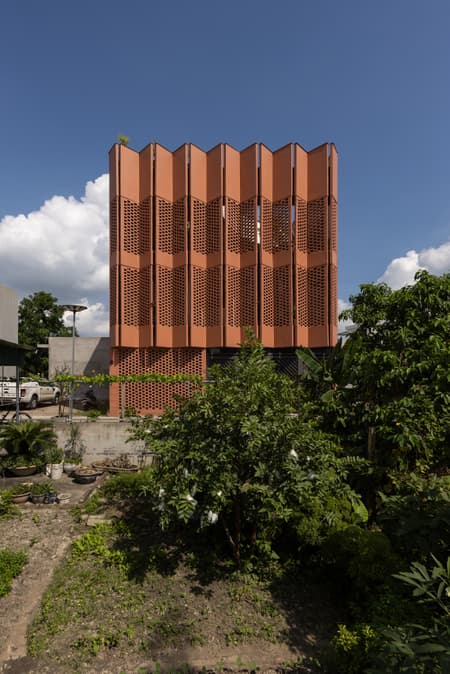
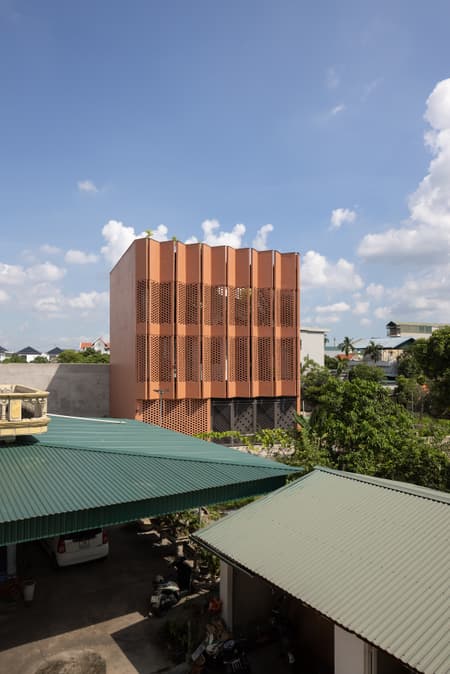
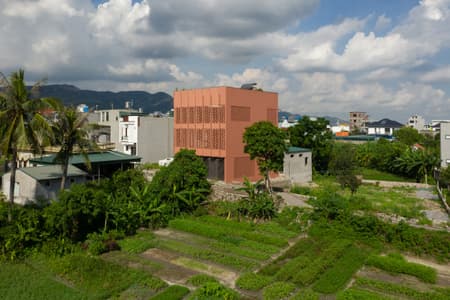
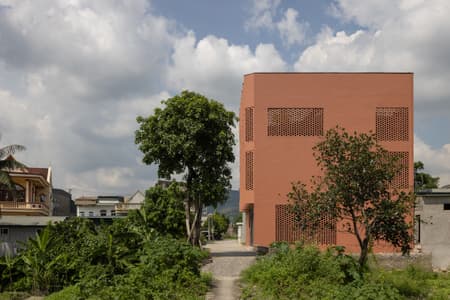
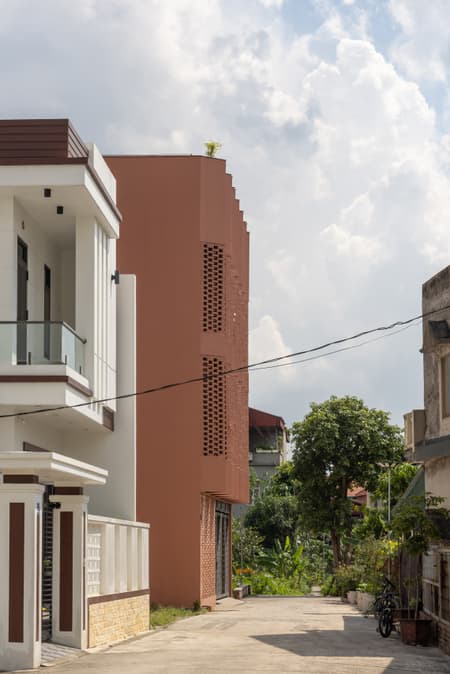
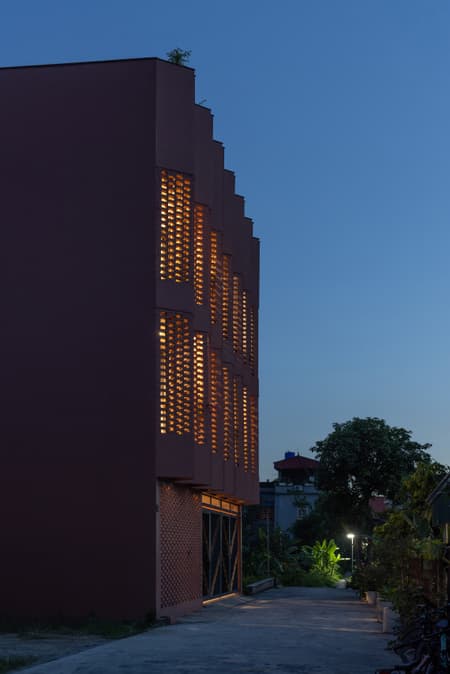
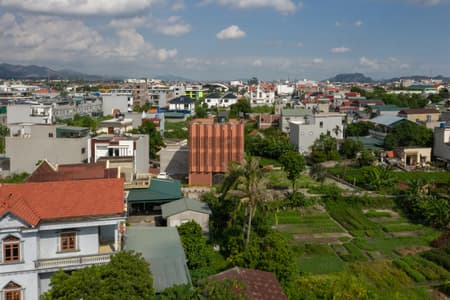
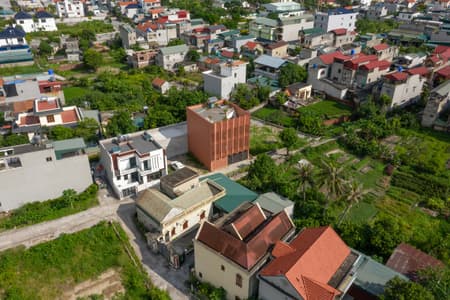
Located adjacent to a new urban area in Mao Khe town, the construction site lies within a square plot surrounded by long-established agricultural fields owned by multiple local households.
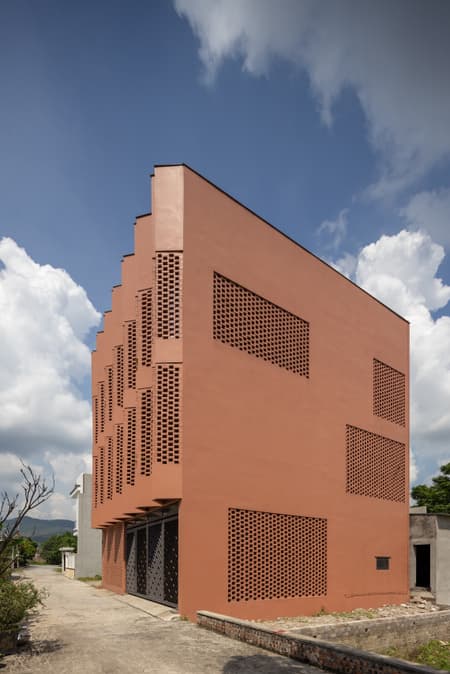
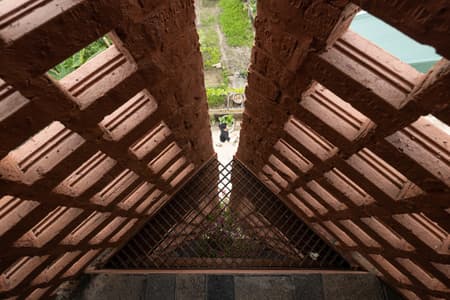
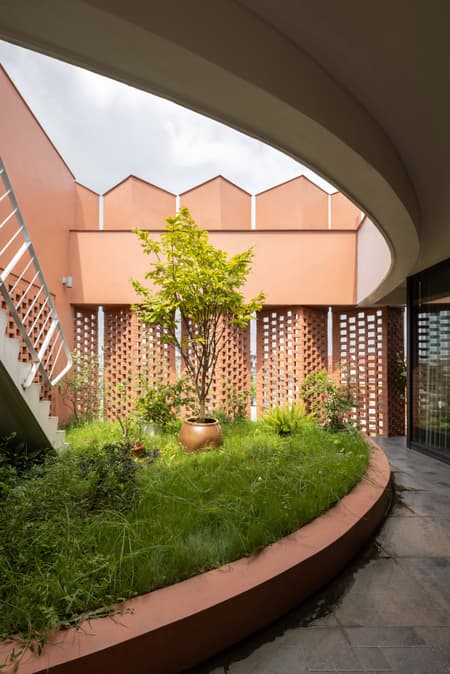
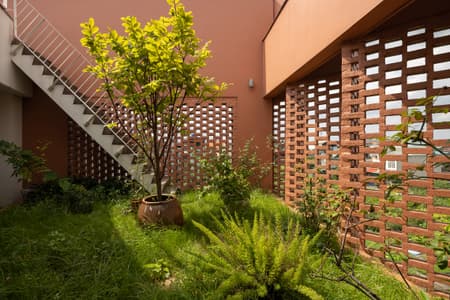
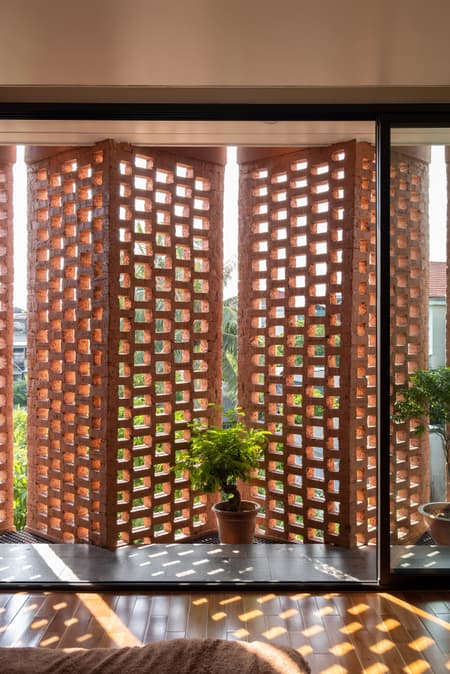
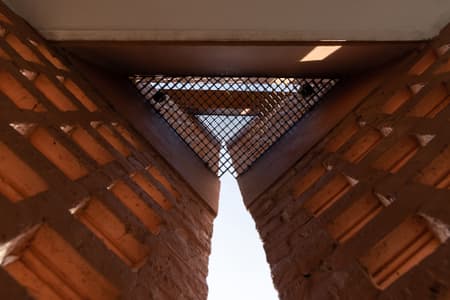
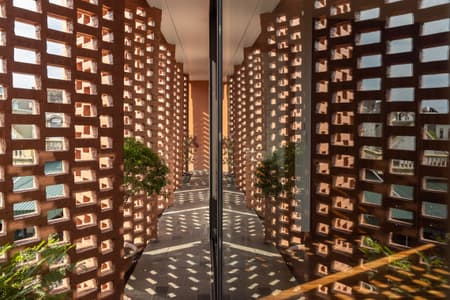
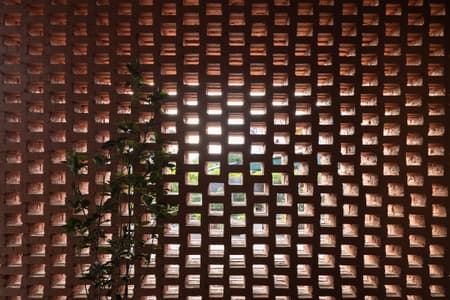
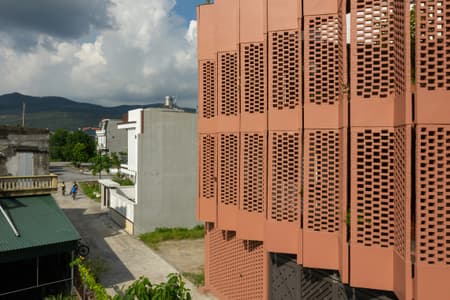
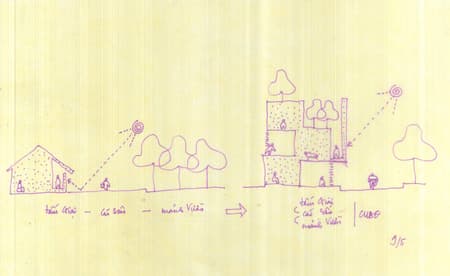
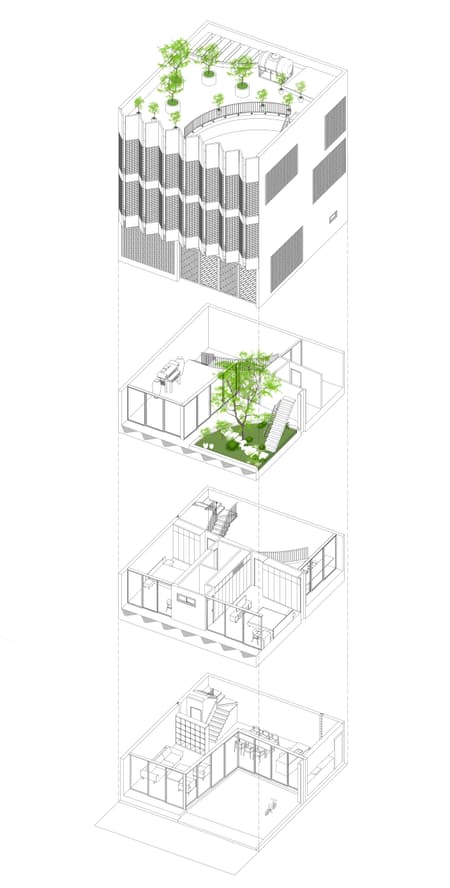
The house is named CUBE (Creative Usage of Bricks & Earth) and takes its identity from both its geometric form and inherent meaning where Earth and brick are not merely treated as “materials” but embody the crystallization of Vietnam’s geographical conditions, traditional craftsmanship, and climate-responsive adaptation. Conceptually, the project can be seen as a typical modular accommodation unit comprising three interrelated elements but designed and realized in a vertical, alternate pattern: the perforated brick screen as a transitional climate filter, the courtyard as a void for multiple functions, and the earth-based garden.
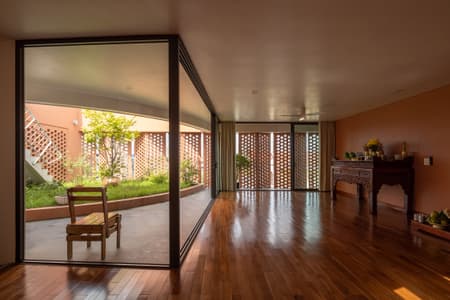
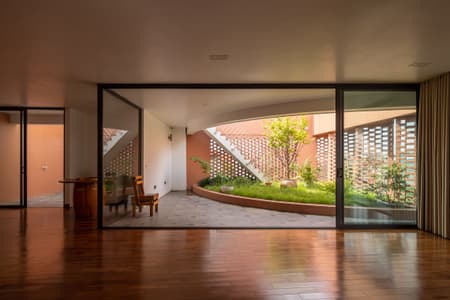
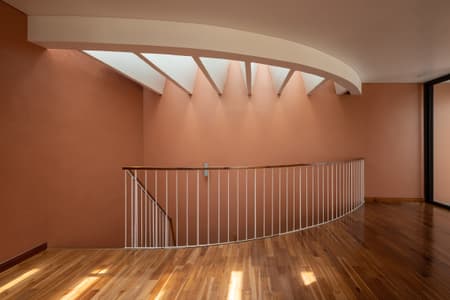
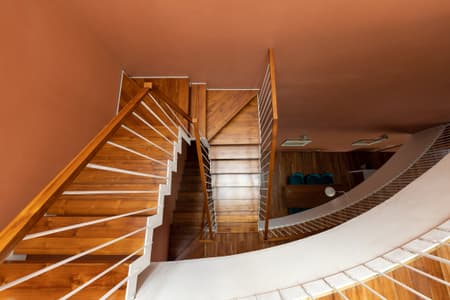
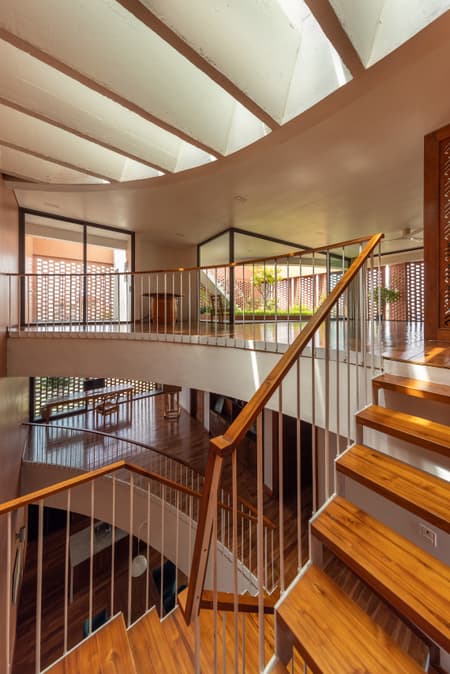
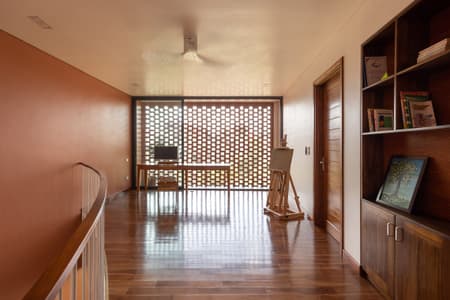
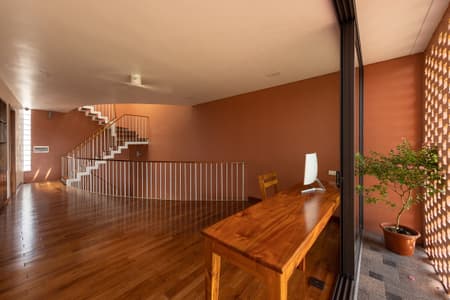
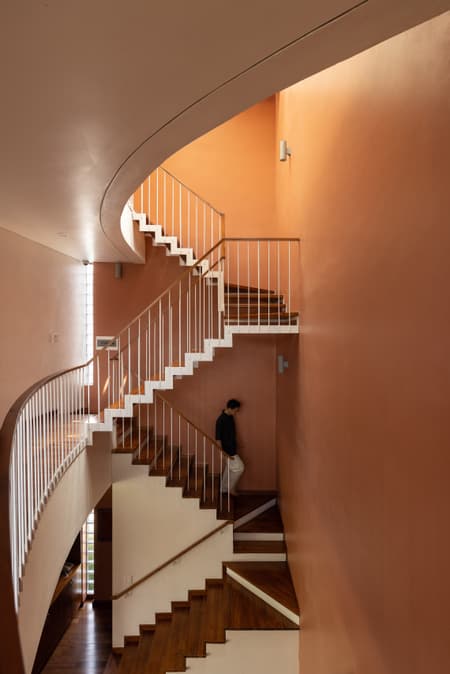
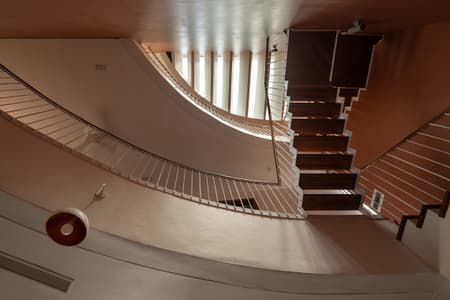
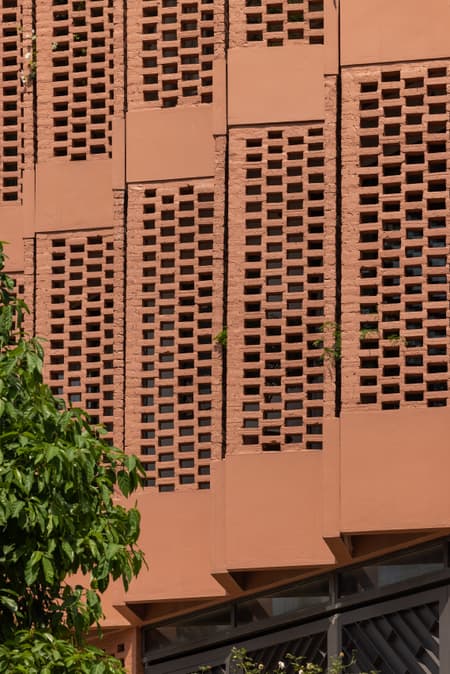
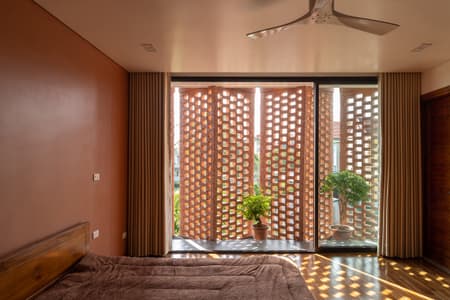
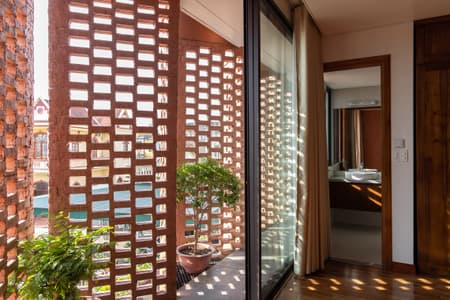
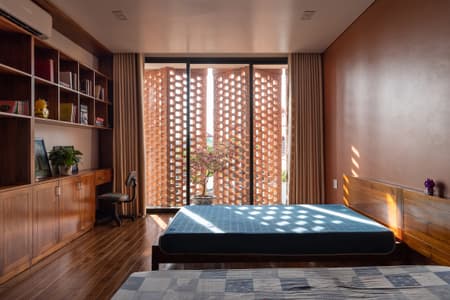
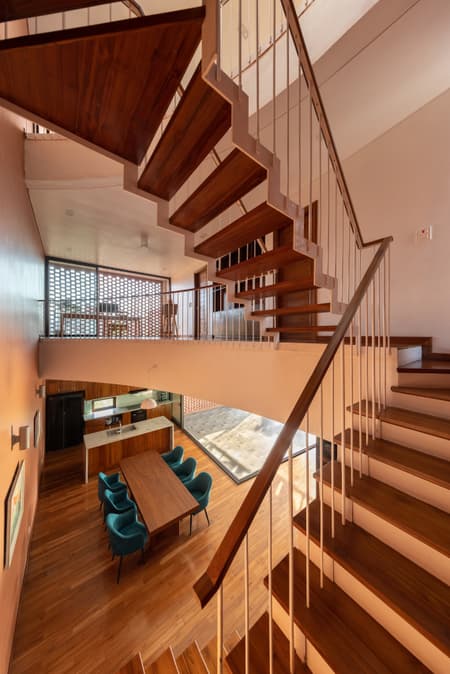
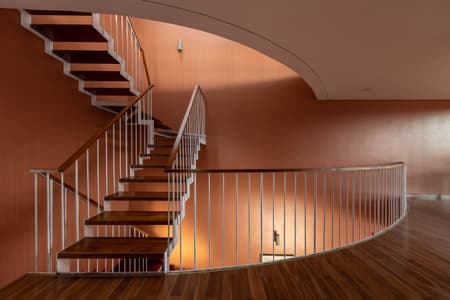
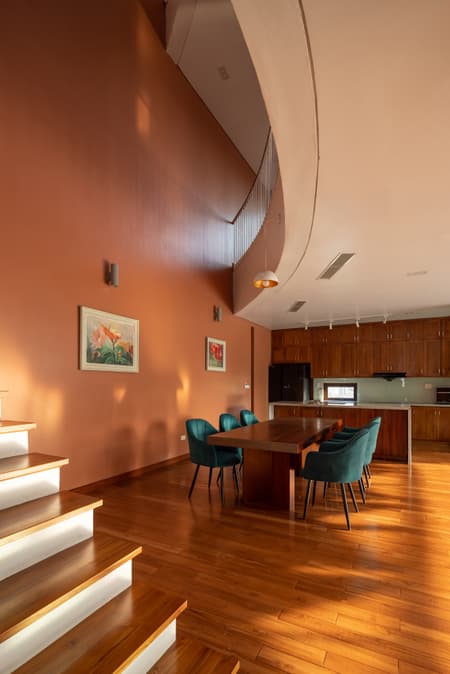
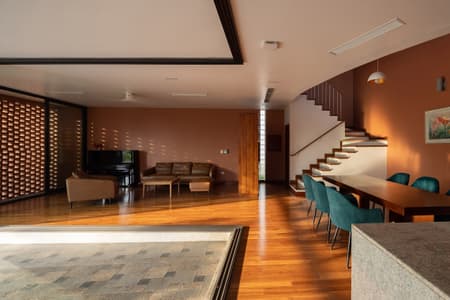
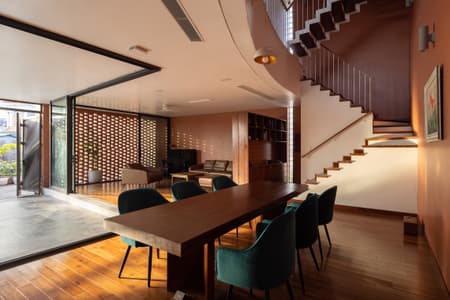
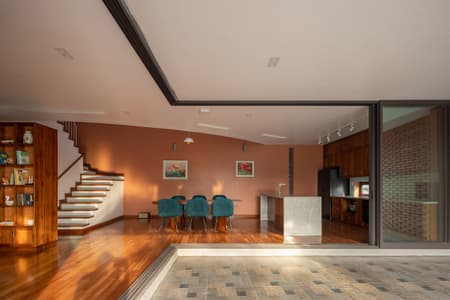
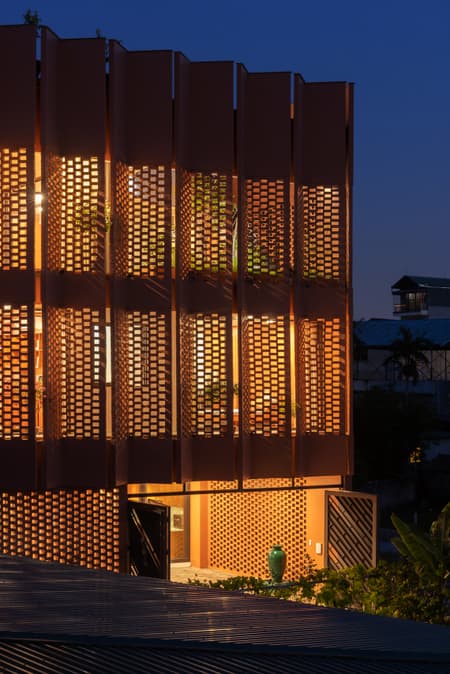
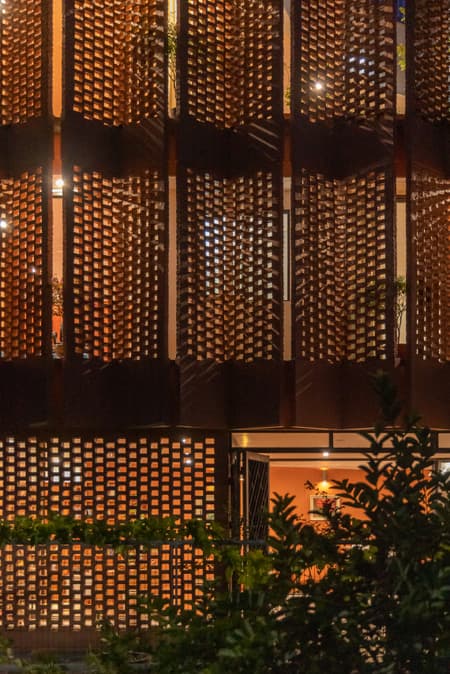
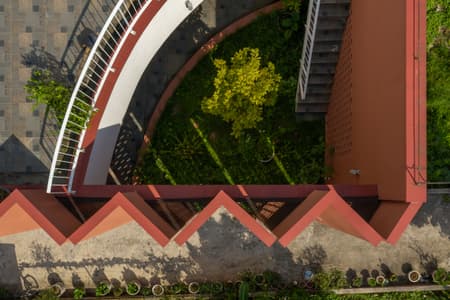
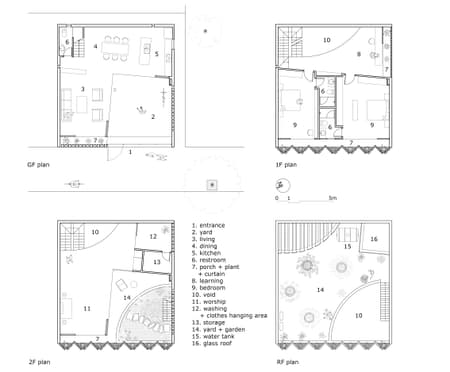
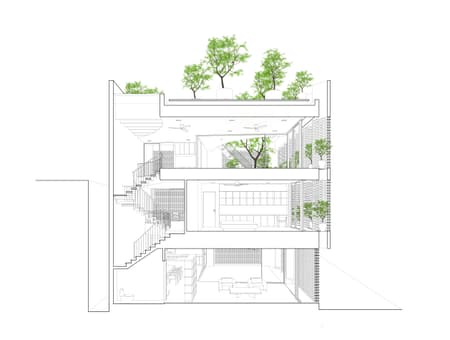
The bamboo screen, courtyard, and earth-based garden are defining features of traditional Vietnamese housing. In this three-story residence, they are however developed and recreated. The exterior envelope is structured into three layers - perforated brick wall, a ventilated air gap, and sliding doors, which enable the architecture to respond effectively to the monsoon tropical climate. The interior features a sequence of voids flexibly arranged and connects private spaces with the remaining areas of the house.
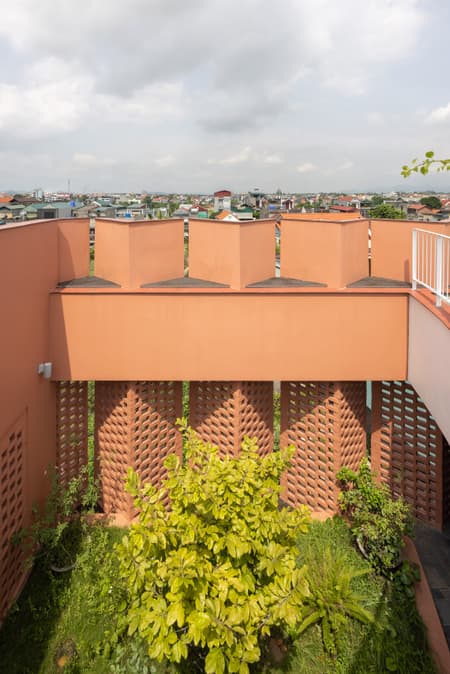
Courtyards are incorporated on all levels to support daily living. The rooftop yard is spacious for drying laundry, outdoor dining, and can readily transform into a mobile garden with vegetables and fruits grown in plastic trays and foam boxes. It interconnects with the fixed garden on the third level and with multifunctional courtyards on the lower levels.
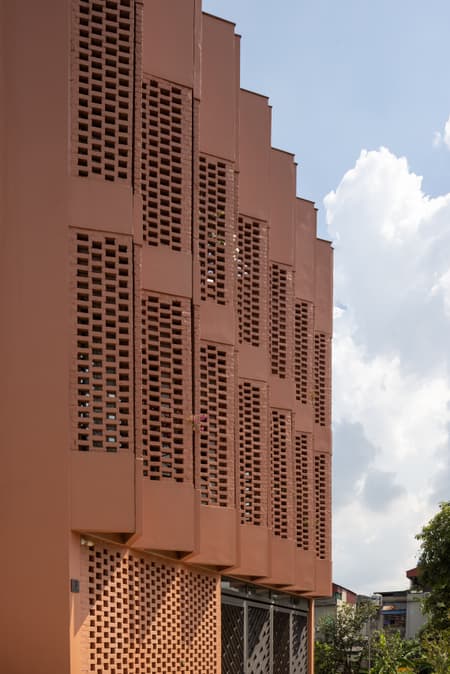
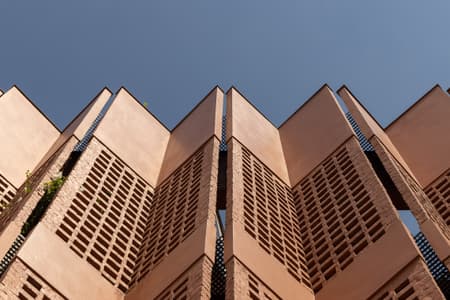
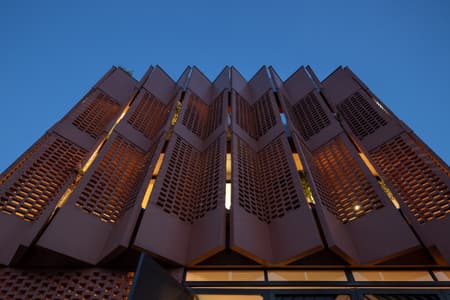
Along the verandas are flower pots placed alternately to help regulate air and light already filtered through the perforated brick screen before entering the interior. The front brick screen is articulated in a folded, dynamic composition - a reminiscent of a swarm of butterflies landing to feed on nectar but readily to take flight at the slightest disturbance.
In the future, more houses of this manner may grow into new village-like settlements: high-density yet not compressed, maintaining an open, cool environment; cohesive yet diverse, so as not to devolve into “subdivided villages” as in urban developments.