El Paredón Buena Vista sits on one of Guatemala's most sensitive stretches of coastline. The client wanted a fully functional beach club — restaurant, kitchen, bar, and event spaces — without compromising what made the location worth developing in the first place. That tension between programmatic ambition and environmental stewardship shaped every decision made by Gris | Estudio de Diseño + Arquitectura.
Design Intent and Concept
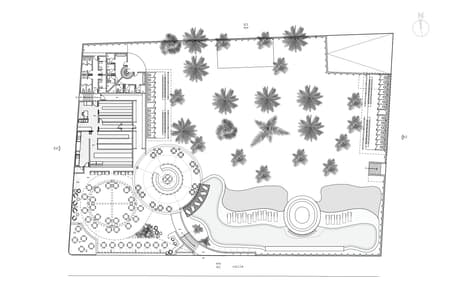
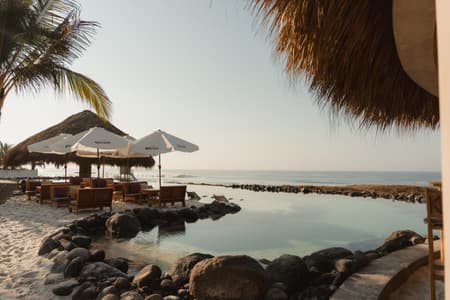
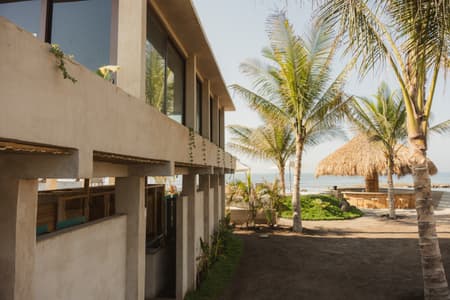
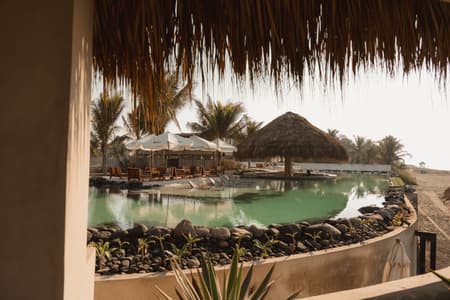
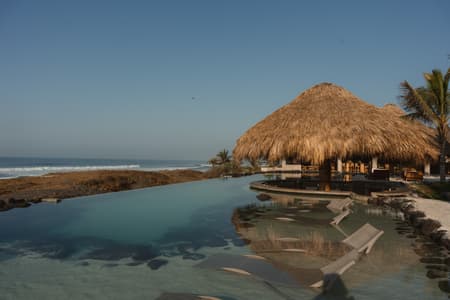
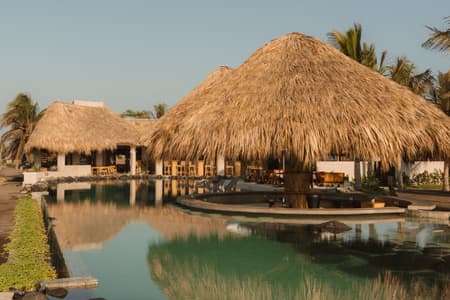
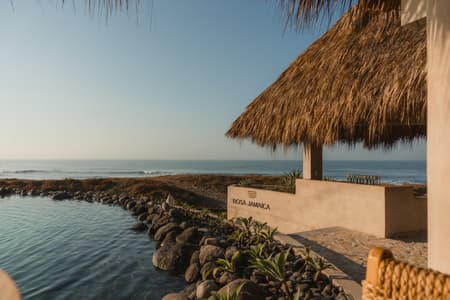
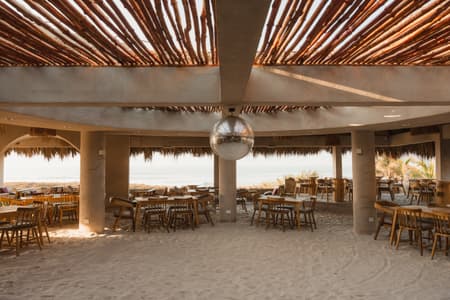
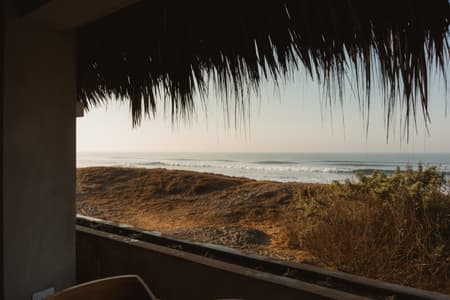
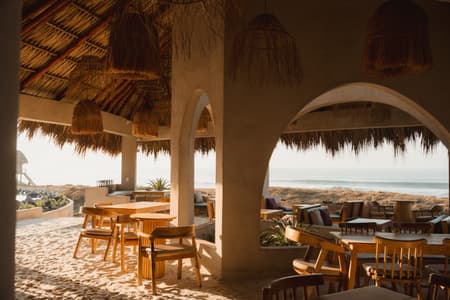
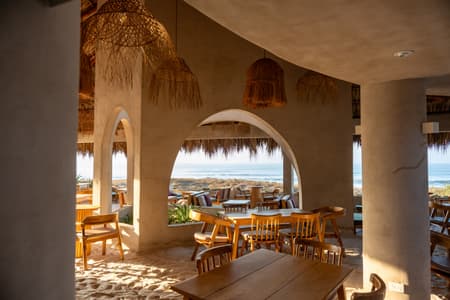
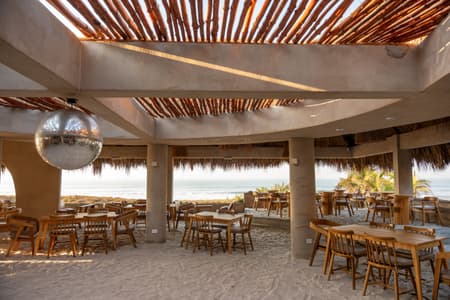
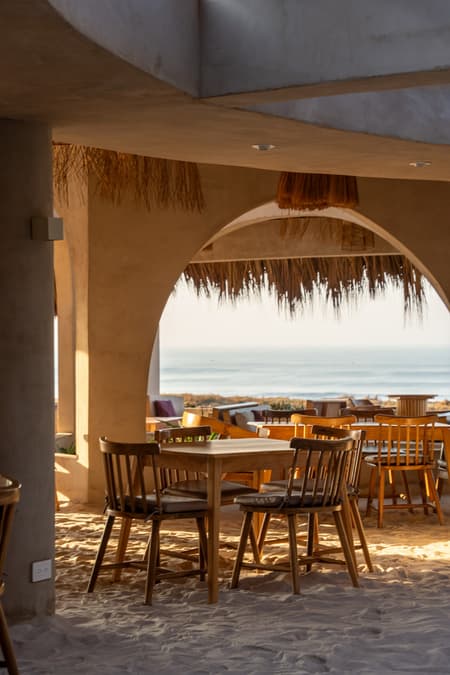
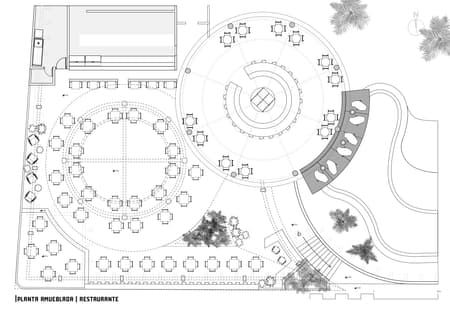
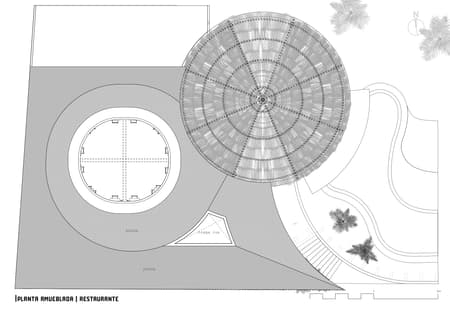
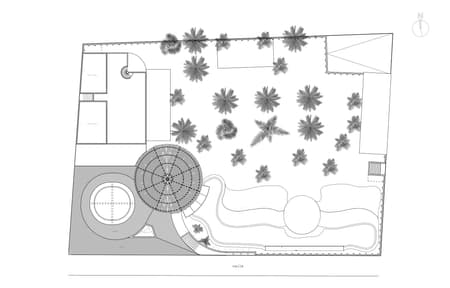
The design breaks the full program into a series of interconnected pavilions distributed across a 2,000 m² site, allowing the coastal landscape to remain legible and present throughout the complex. Rather than imposing a single architectural object on the shoreline, the project dissolves into the environment — each volume oriented to capture prevailing breezes and frame specific views toward the Pacific.
Spatial Organisation
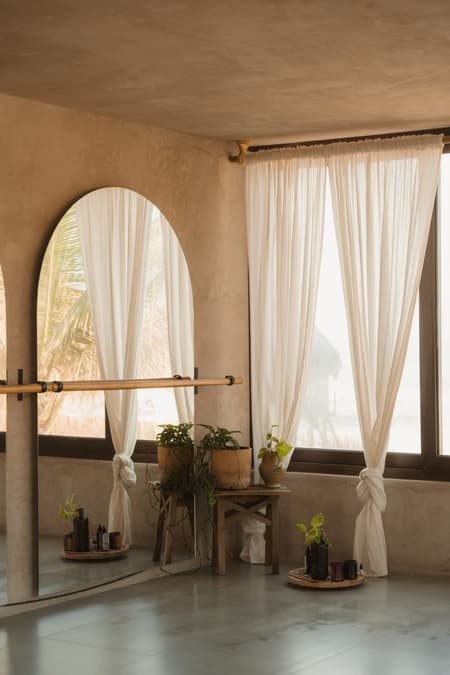
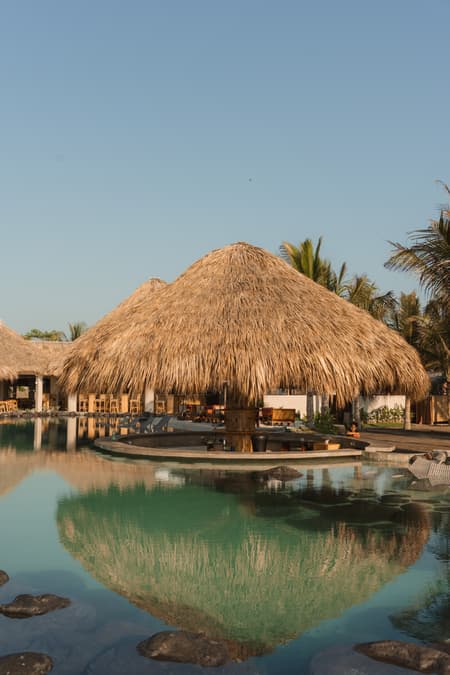
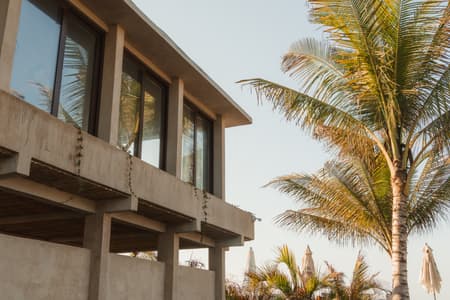
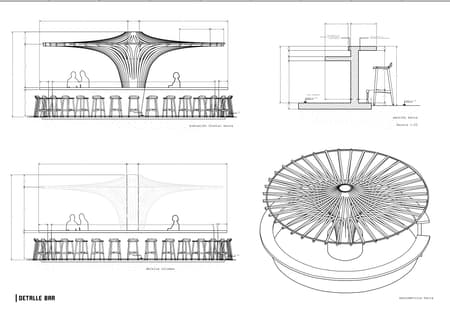
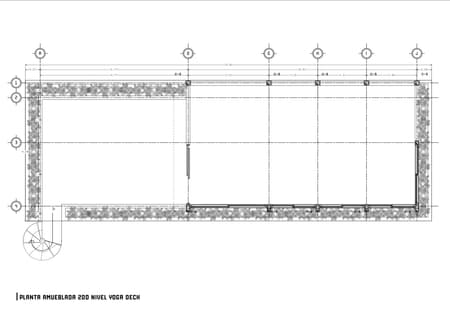
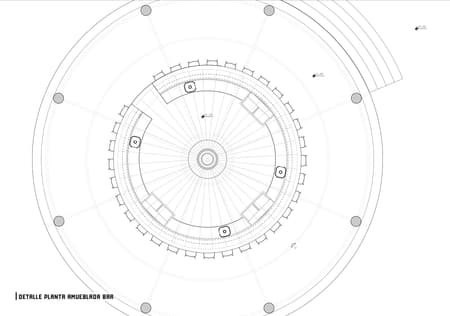
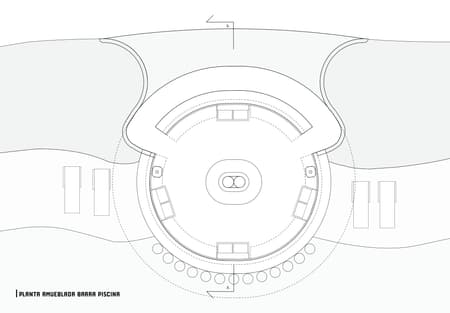
The 1,750 m² built area is organised across two levels. The ground floor accommodates the main restaurant, bar, professional kitchen, pool bar, and locker facilities as the primary public zone. The second level provides additional programmatic space and elevated views. The yoga studio is deliberately separated from the active social areas, ensuring simultaneous uses without acoustic or visual conflict.
Material and Construction Approach
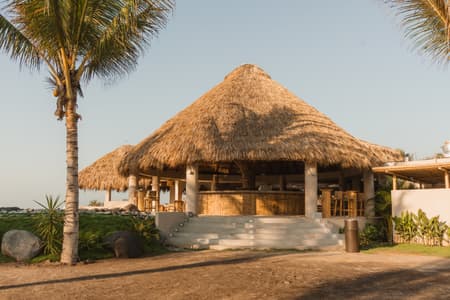
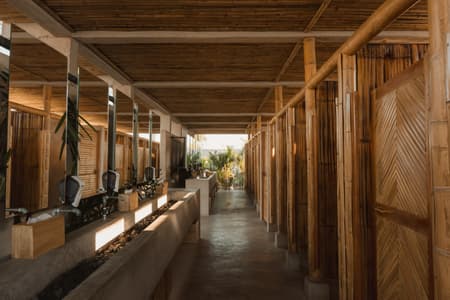
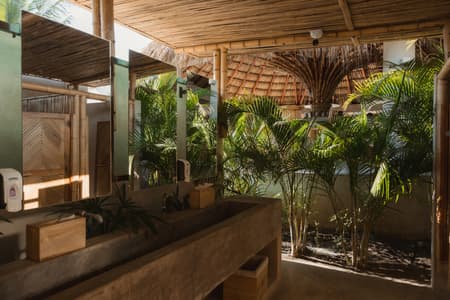
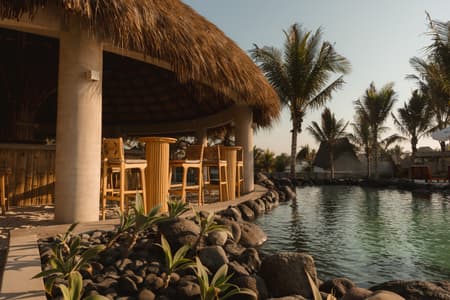
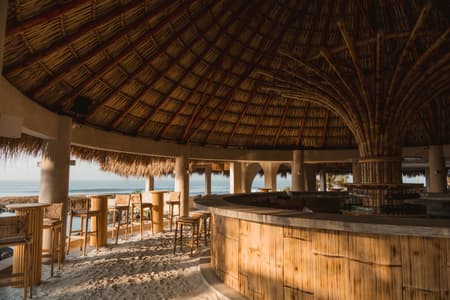
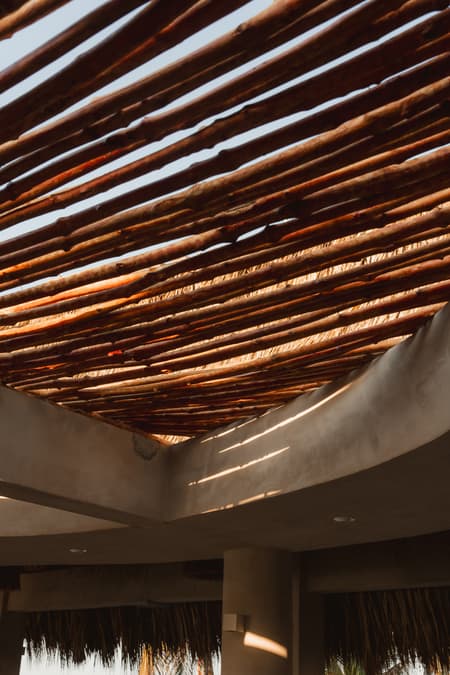
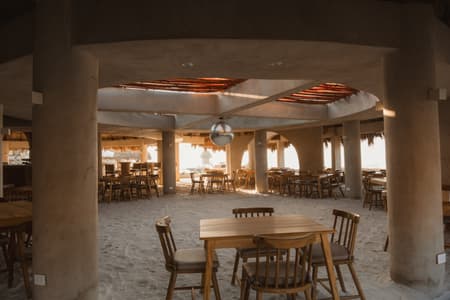
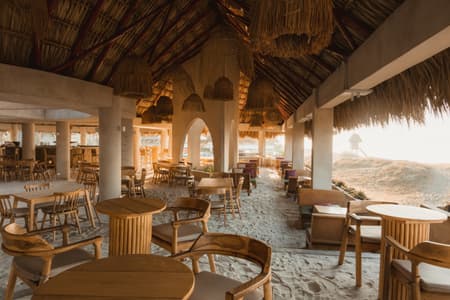
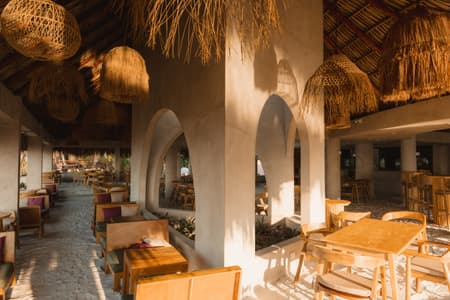
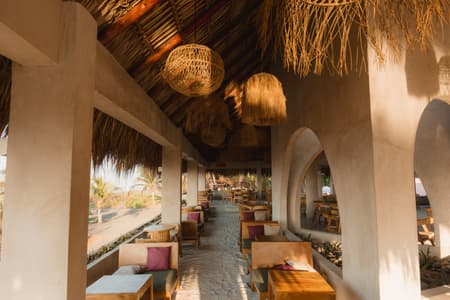
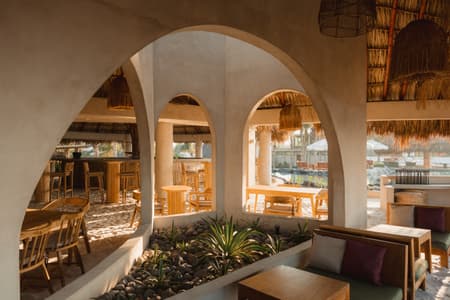
The material palette responds directly to the tropical coastal climate. Natural timber, exposed concrete, and locally sourced materials recur throughout the project, producing an environment that is refined yet deeply rooted in its geographic context. Construction was executed by Ecosys Guatemala under the direct architectural oversight of lead architect Diego García-Salas.
Key Challenges and Solutions
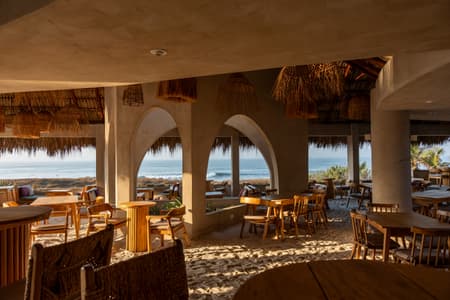
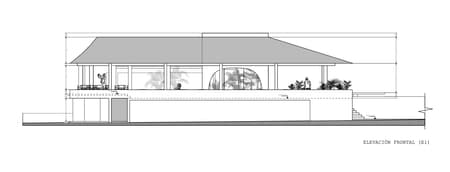
Building on ecologically sensitive coastline demanded a careful negotiation between commercial program and environmental responsibility. The architectural strategy prioritises natural ventilation, open structural bays, and elevated floor planes that minimise ground disturbance and allow the landscape to flow beneath and around the built elements. The result is a destination that amplifies rather than erases its relationship to the shoreline.
Sustainability and Technical Highlights
The project employs passive climate strategies throughout — cross-ventilation, shaded circulation, and deep roof overhangs — reducing the reliance on mechanical systems in a high-humidity coastal environment. The low-impact siting and material choices reflect a broader commitment by the studio to architecture that is legible as part of its landscape, not imposed upon it.



.jpg?w=450&q=75&dpl=dpl_76Rq87wxQwFvSi96M2iBpo5TN6QL)
.jpg?w=450&q=75&dpl=dpl_76Rq87wxQwFvSi96M2iBpo5TN6QL)
.jpg?w=450&q=75&dpl=dpl_76Rq87wxQwFvSi96M2iBpo5TN6QL)
.jpg?w=450&q=75&dpl=dpl_76Rq87wxQwFvSi96M2iBpo5TN6QL)
.jpg?w=450&q=75&dpl=dpl_76Rq87wxQwFvSi96M2iBpo5TN6QL)
.jpg?w=450&q=75&dpl=dpl_76Rq87wxQwFvSi96M2iBpo5TN6QL)