This is how Giulio Piovene in his "journey to Italy" defines Pescara. It’s a linear city, without a real centre, born from the confluence of the people of Abruzzo, who moved from the mountains towards the coast in search of work and better living conditions. A dream that is very similar to the American one.
With its offer of services, it’s a city that has been able to attract capital, people, activities and in the space of a few years has become the economic hub of Abruzzo and the middle Adriatic coast. Pescara is a very young city, it’s less than a hundred years old, it was founded in 1927, but it was in the post-war period that it grew at a dizzying pace. Post-war Pescara, birthplace of Ennio Flaiano, is a place of strong contrasts:
it is the city of the "calves", idle boys who spent their time in the clubs of the seaside city, but at the same time it’s the industrious city of a thriving and young entrepreneurship that is taking on national and international dimensions.
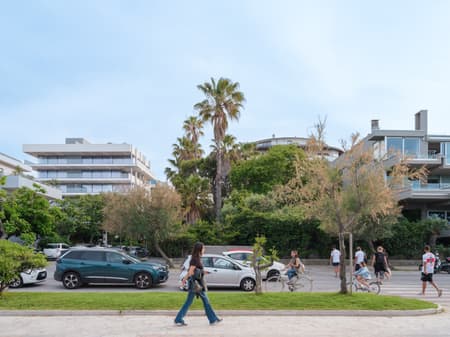
The project is located in a portion of the urban fabric that effectively narrates this tumultuous growth; it is a neighborhood strongly marked by some admirable examples of post-war architecture in the city of Pescara. On the north side there is the "round" building built in 1965 and designed by the architect Luigi Aligi.
Also on the north side, adjacent to the "round" building, stands a building facing the sea characterized by an exposed reinforced concrete structure with strong overhangs; the work, dated 1977, is by the roman architect Francesco Berarducci.
On the west side, at the intersection between Via Regina Elena and Via De Amicis we find another building from the sixties, built in 1964 based on a design by the architect Enrico Summonte.
The building is a hybrid and anarchic par excellence, architectural typology, that has built entire pieces of the urban fabric of our cities.
This type of building has for a long time been associated exclusively with building speculation operations, even though the history of Italian architecture has given us masterful examples: works by some of the best Italian architects of the post-war period are: Luigi Moretti, Amedeo Luccichenti, Vincenzo Monaco , Gio Ponti, Angelo Mangiarotti and Bruno Morassutti, just to name a few
It's not a "palazzo" (it does not have the size of a palace, and above all it doesn’t have urban role), but it is not even a small single/two-family building (a detached house). It is a hybrid building (one more key step), a deformation that has undermined the consolidated relationship between building typology and urban morphology typical of the historic city. The city with these new architectural "devices" has generated very strong lacerations in the urban fabric; if on the one hand the architectural volume was at the center of the design attention, on the other, the design of the empty space (the public/collective space) was unable to provide corresponding responses with the change of its identity.
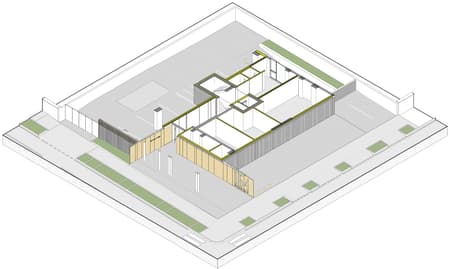
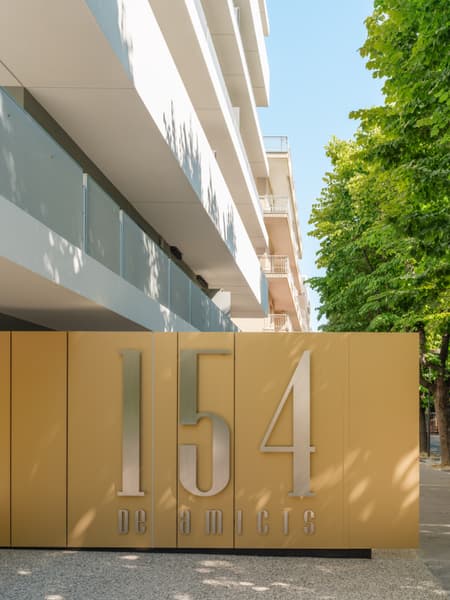
The proposed intervention fits into this context by taking up the prevailing alignments on Via De Amicis and Via Regina Elena, establishing continuity with the urban fabric.
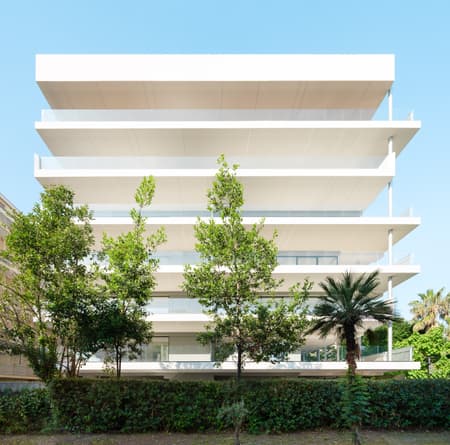
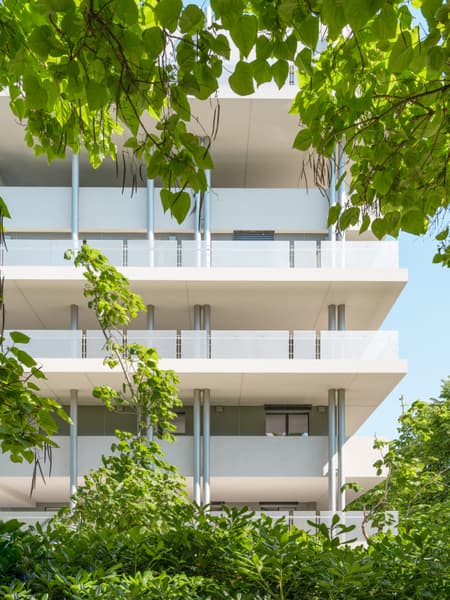
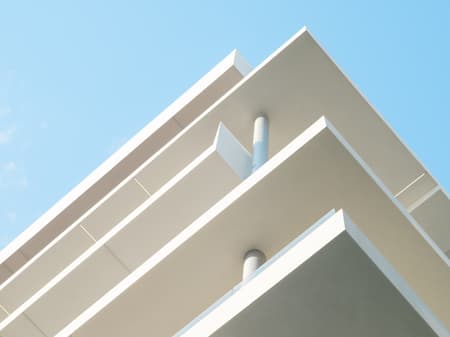
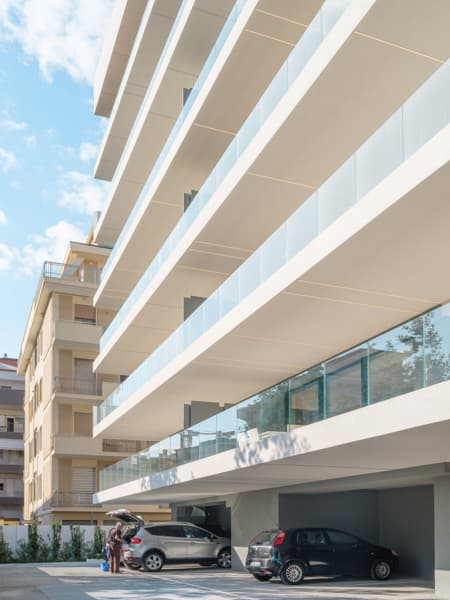
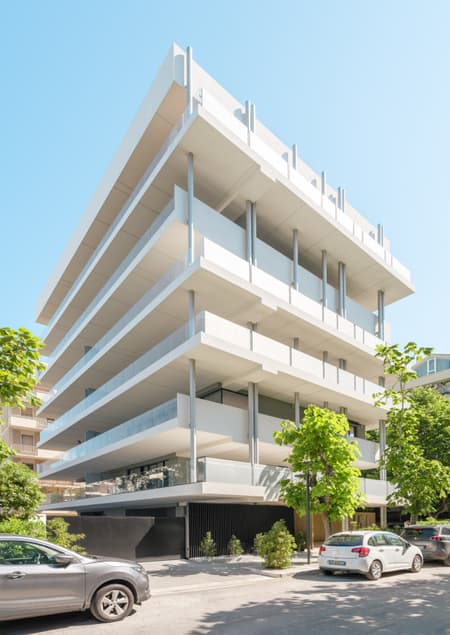
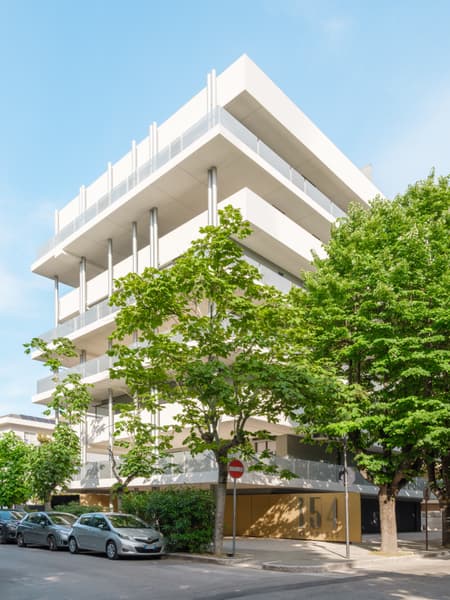
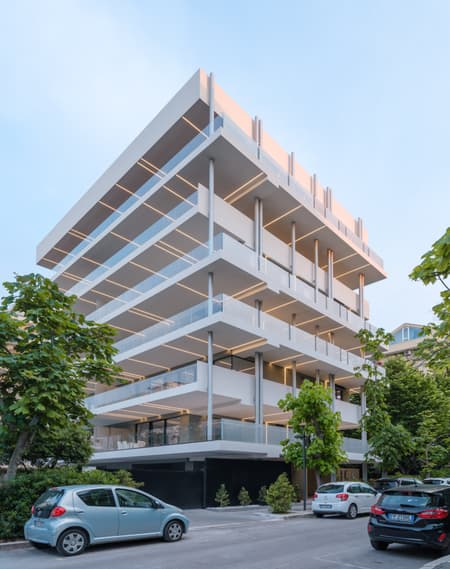
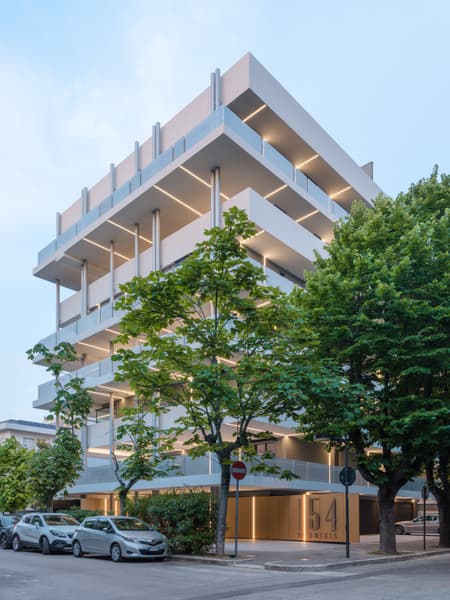
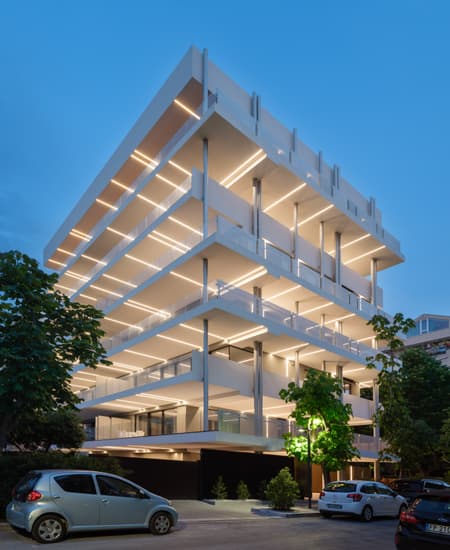
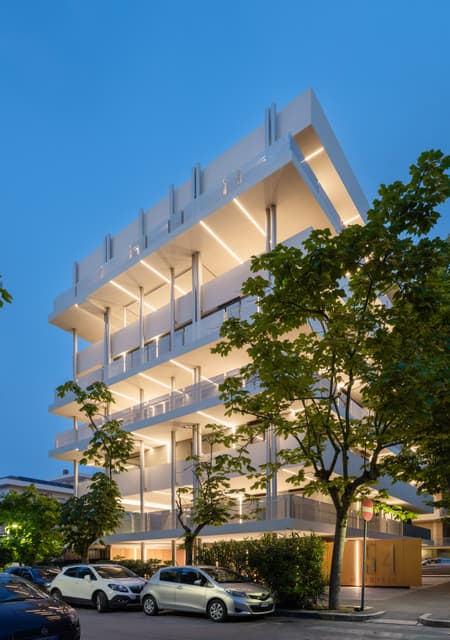
The theme is to imagine a series of overlapping villas. A building, with a relatively small layout, surrounded by terraces/gardens with very pronounced overhangs.
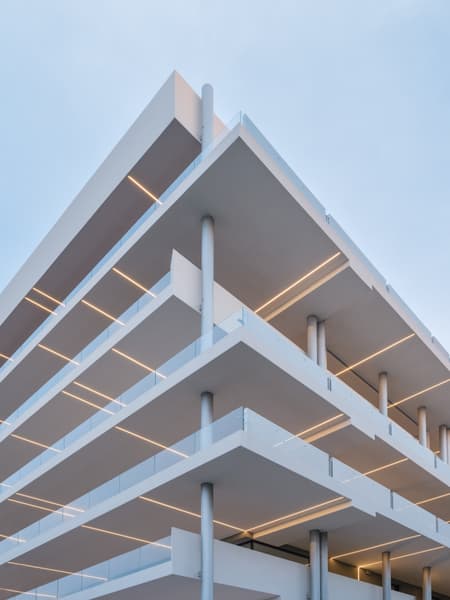
The overlapping of the floors, marked by the overhangs of the terraces, is emphasized on the corner between Via De Amicis/Via R.Elena, where the terraces/garden open up to seek glimpses of the landscape between the sea and the mountains.
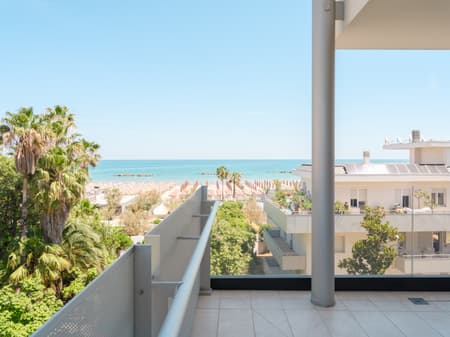
The project idea is to reinterpret the block typology of the “palazzina”, introducing a logic distribution polarized by the invention of an unexpected view of the sea. DeAmicis154 is not a seafront building, but it’s located in the second row. This seemingly critical aspect informed the building's typological development; Like a plant seeking the sun, orients itself towards this piece of the Adriatic landscape, rising above the facing building.
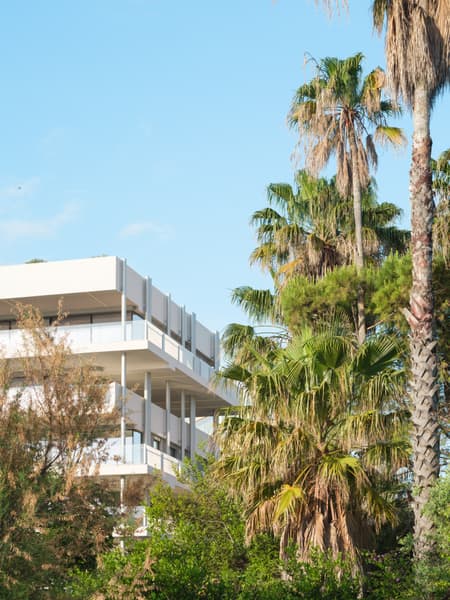
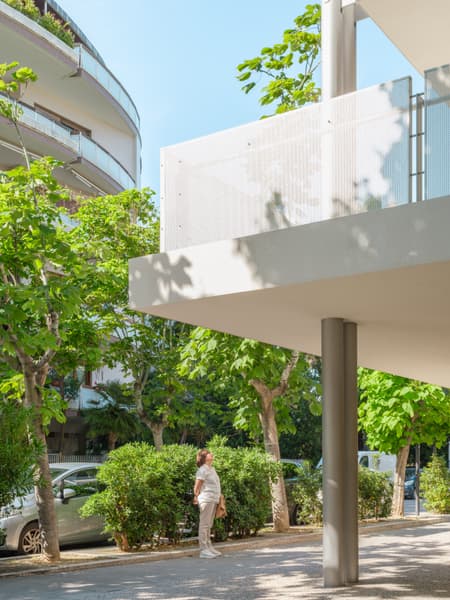
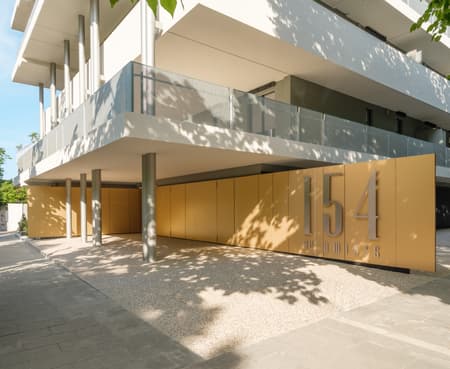
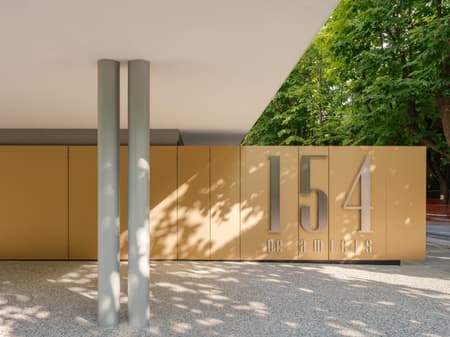
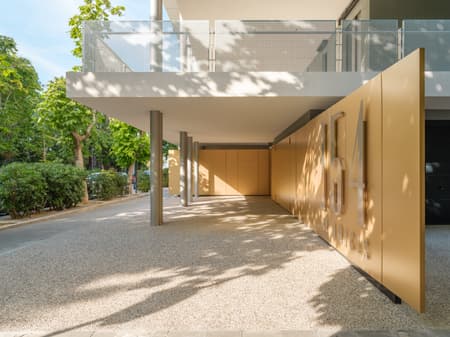
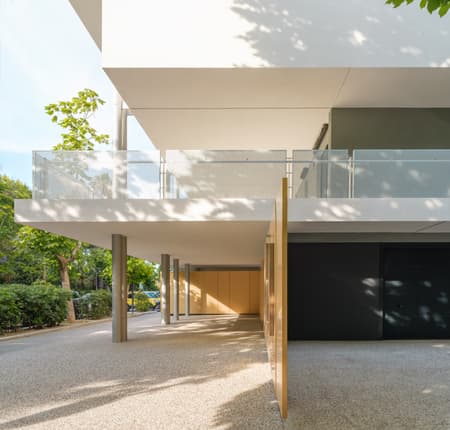
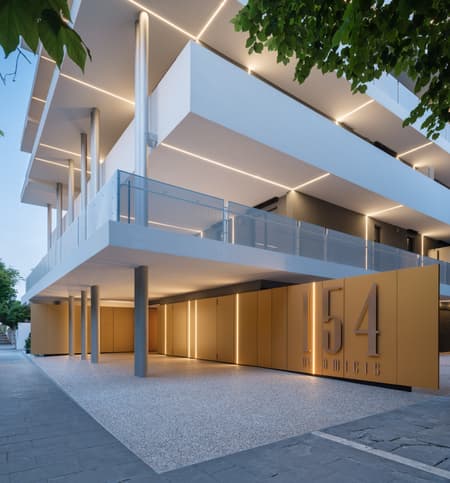
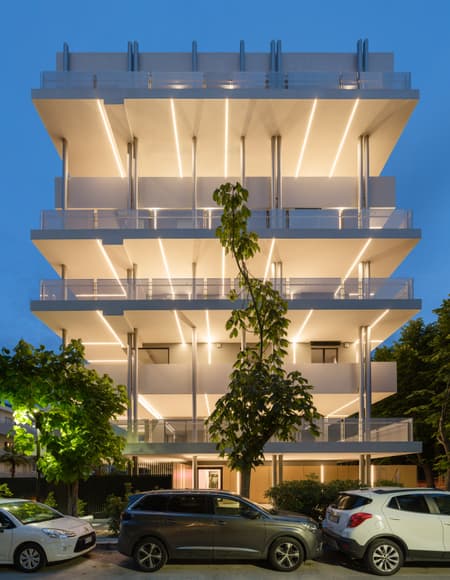
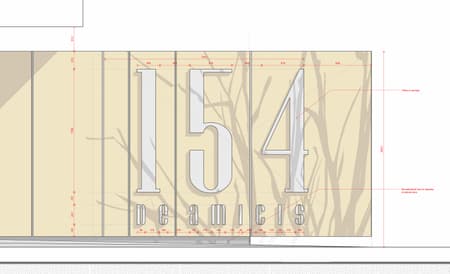
The eastern view presents itself as a clear section on the landscape with cantilevered floors, like a sort of urban “trabocco”. The white of the wall masses and floors is accompanied by the metallic gray of the parapets and the metal pillars on Via De Amicis, They’re slender pillars that like the trunks of long-limbed trees flank the building.
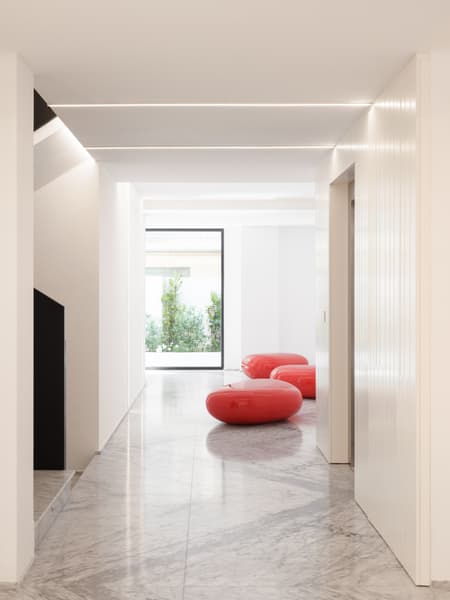
The organization of the spaces follows an "egg strategy”: The central nucleus (apartments) is entirely surrounded by an open space of variable dimensions (the albumen) which constitute an open circular crown, an internal/external space which connotes an "Adriatic" lifestyle.
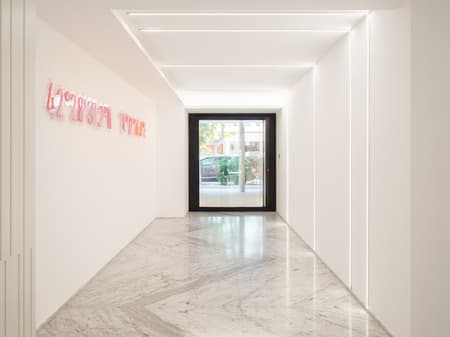
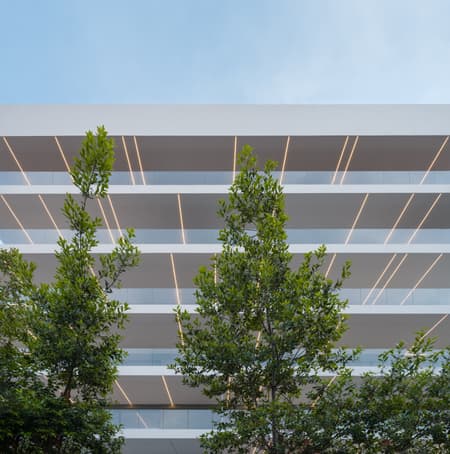
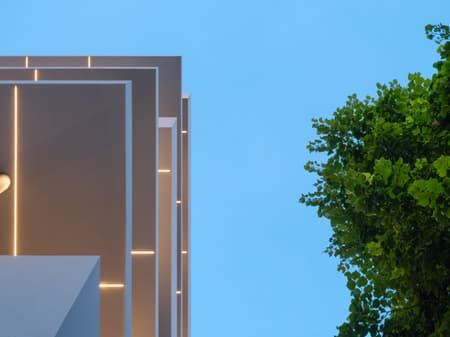
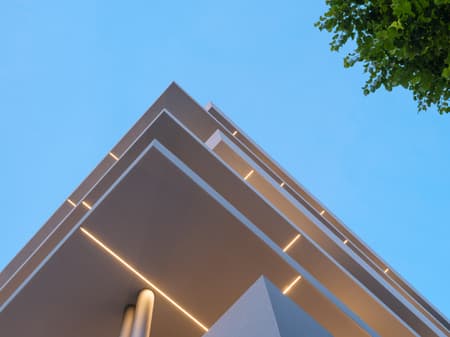
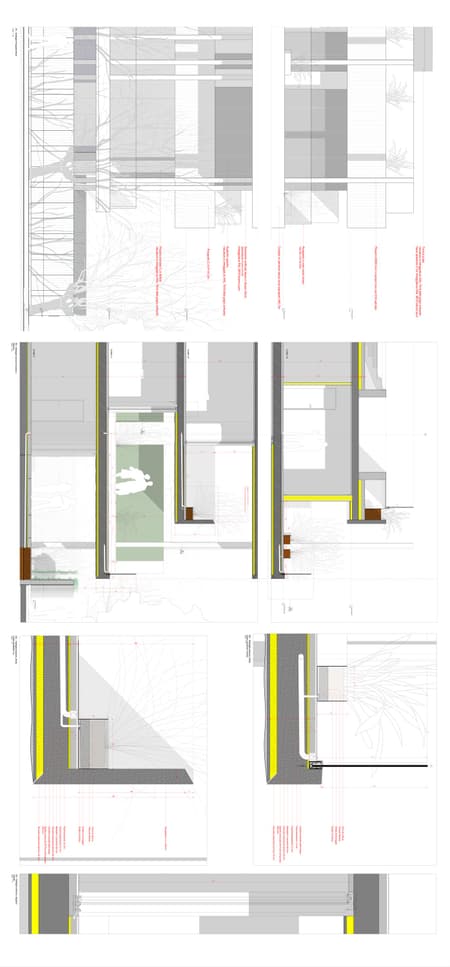
The project is a light project: _daylight: the masses of the floors with staggered overhangs, the extradosed pillars (in the main façade on via De Amicis) and the presence of thick vegetation on the perimeter of the lot, draw a continuously changing pattern of shadows of their own and of shadows brought and projected onto the 'building. _night light: at night the luminous ribs of the floors draw a web of lines on overlapping floors. Just as in the architecture of the Adriatic coast which at night transforms into flashy "fireflies", the building wears a luminescent evening dress.
“La Presentosa” The project of the lights is inspired by the "Presentosa", an Abruzzo jewel of eighteenth-century origin, in which a series of gold filaments converge in the central part of a star-shaped pendant. The Presentosa, known for Gabriele D’'Annunzio's description in the "Il trionfo della morte": “She wore two heavy gold hoops in her ears and on her chest the Presentosa: a large filigree star with two hearts in the middle”, this jewel was often received by young women as a promise of eternal love.
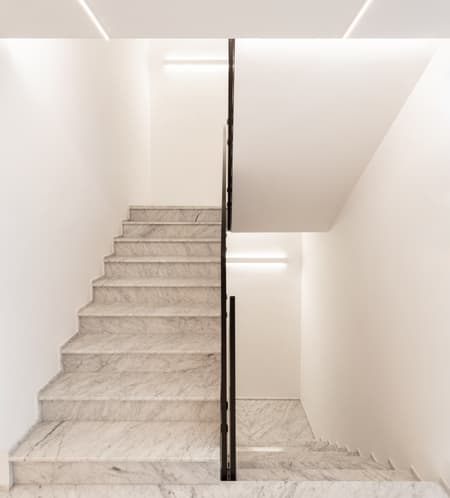
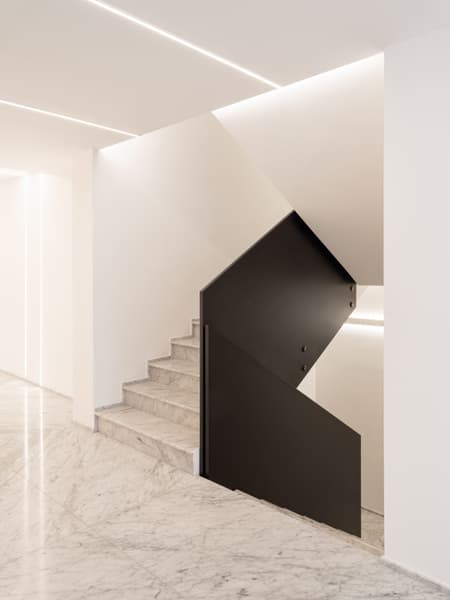
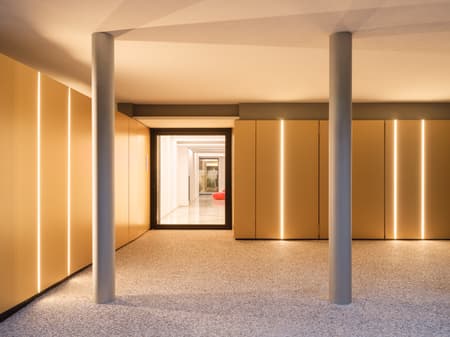
The intrados of the overhanging floors is marked by a series of luminous lines that follow, on the various floors, a modular step that overturns the entire perimeter. The idea is to obtain a ray of luminous filaments converging towards the center of the building, as in the “Presentosa” jewel. The design of the angles and the way in which the light changes geometry, as in a kaleidoscope, occurs through reversal and projection even on the vertical wall. It’s a compositional device which amplifies perception of light as in a game of mirrors.


.jpg?w=450&q=75&dpl=dpl_76Rq87wxQwFvSi96M2iBpo5TN6QL)
.jpg?w=450&q=75&dpl=dpl_76Rq87wxQwFvSi96M2iBpo5TN6QL)