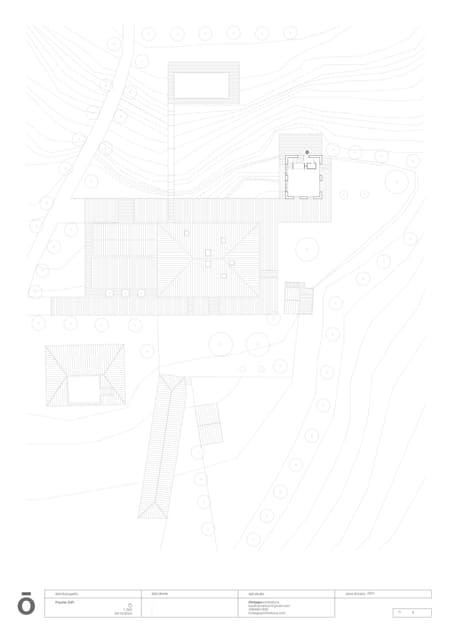
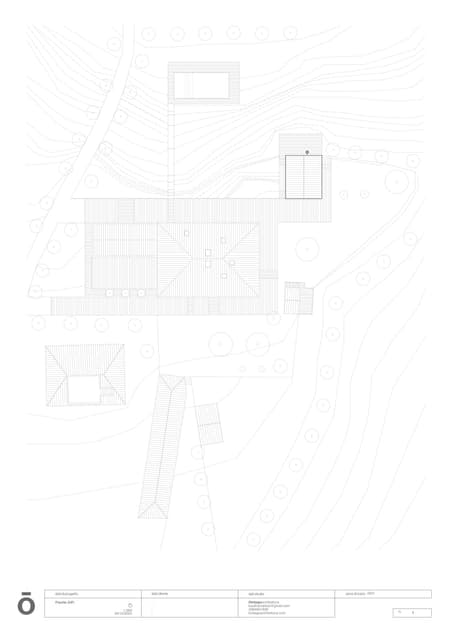
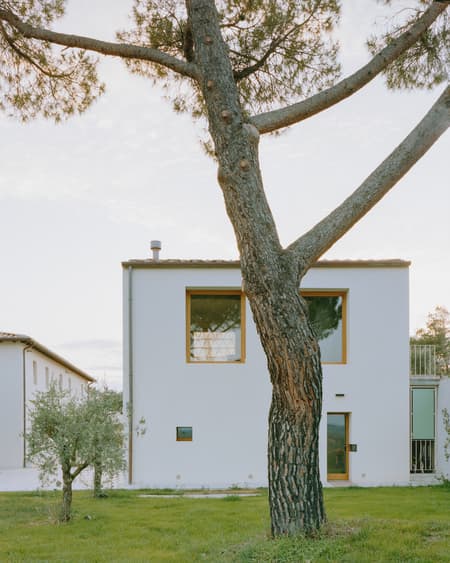
Fienile N is part of a small private hamlet nestled in the Florentine countryside. Before the intervention that transformed it into a residential building, the structure had always served as a storage facility for the surrounding rural complex.
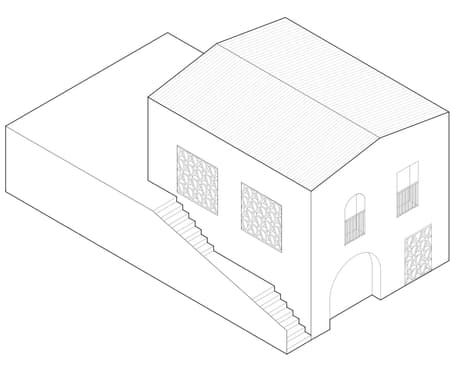
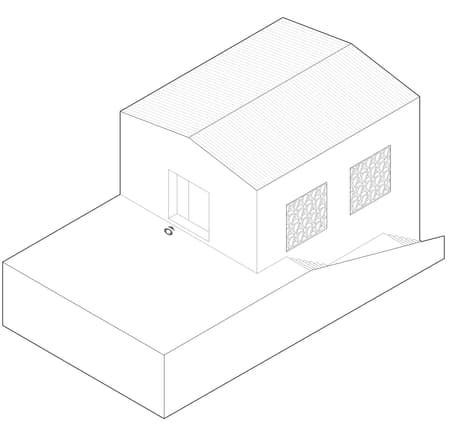
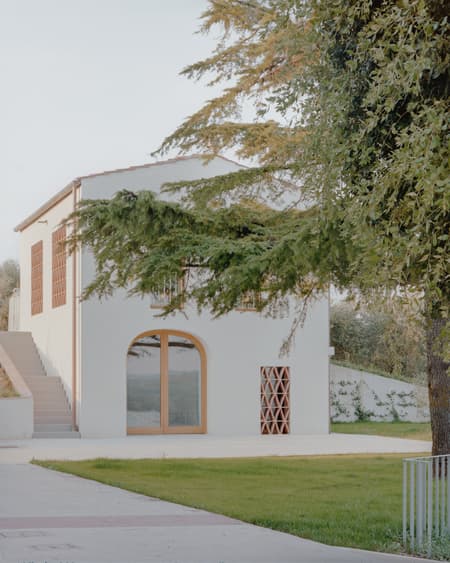
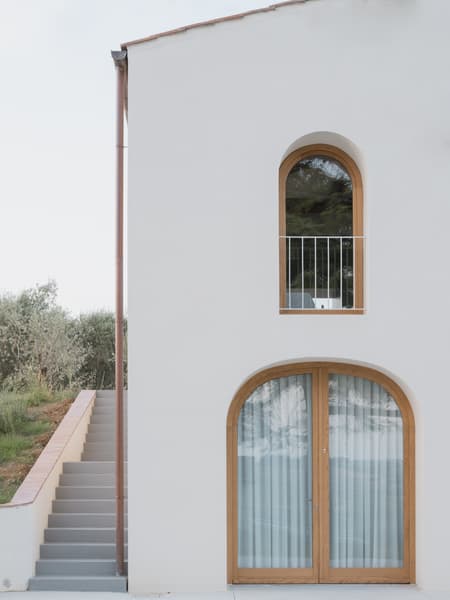
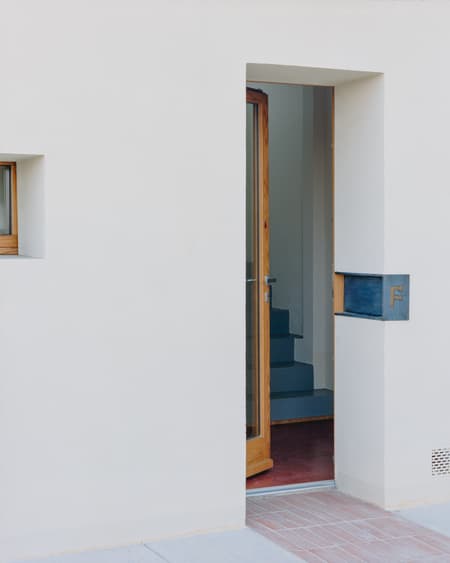
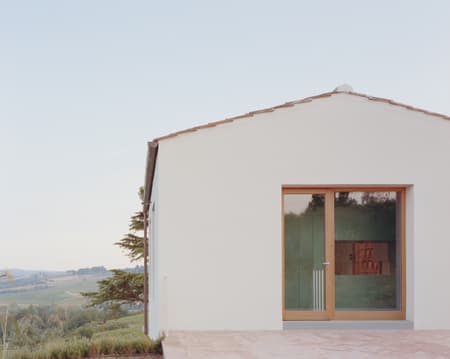
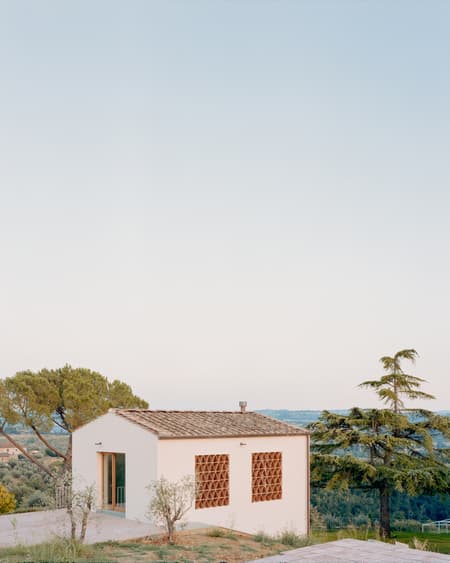
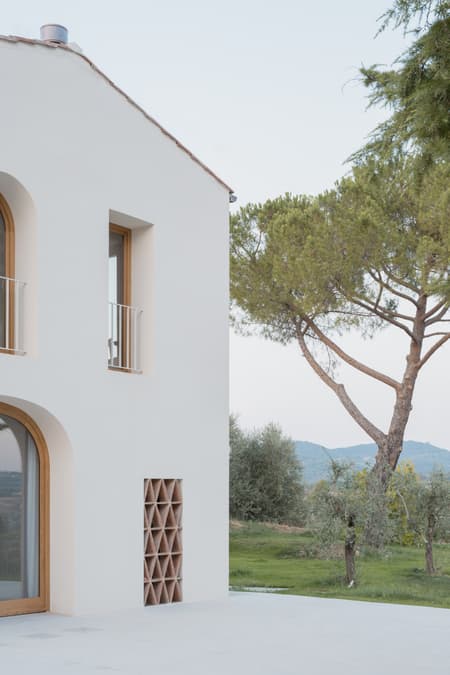
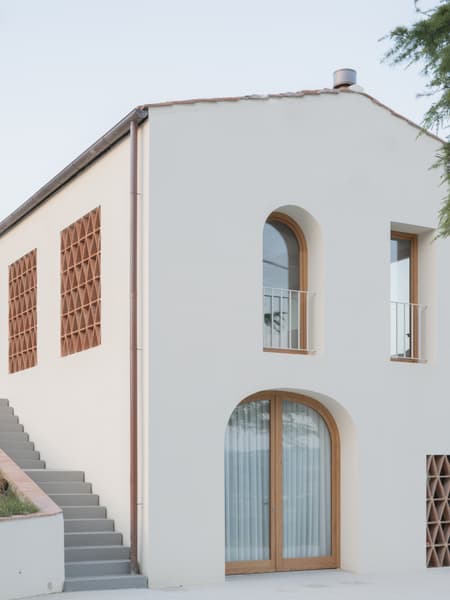
The building features architectural elements typical of barns in this region of Italy: a solid, compact volume; two levels; a large—often solitary—ground-floor opening to allow access for agricultural vehicles; and wide, partially screened upper-floor openings designed to ventilate hay. In this case, as the structure is embedded into the hilly terrain, the upper floor also benefits from a separate entrance.
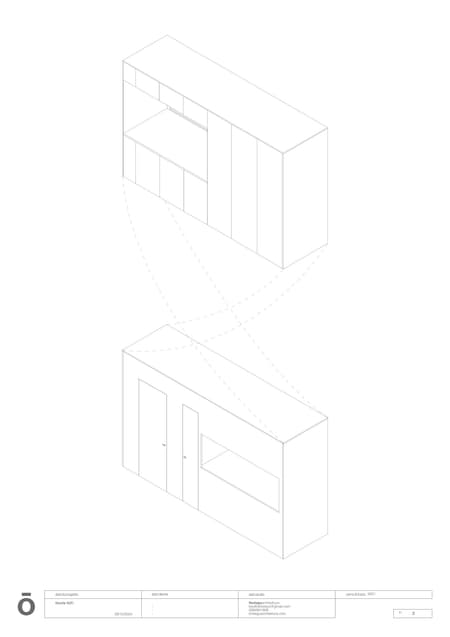
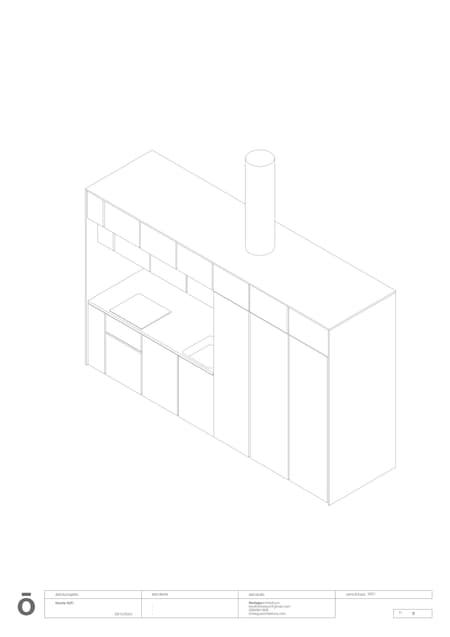
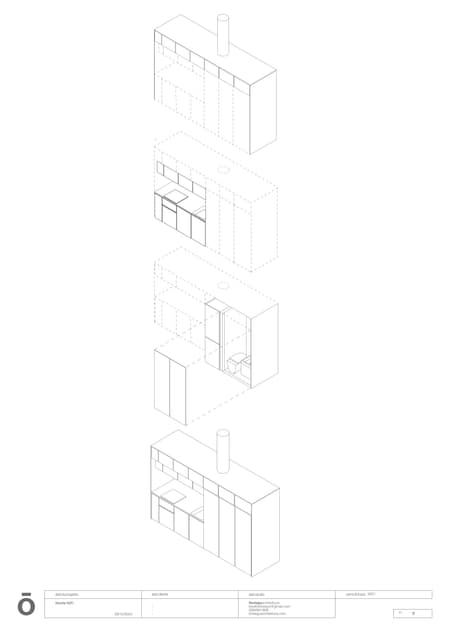
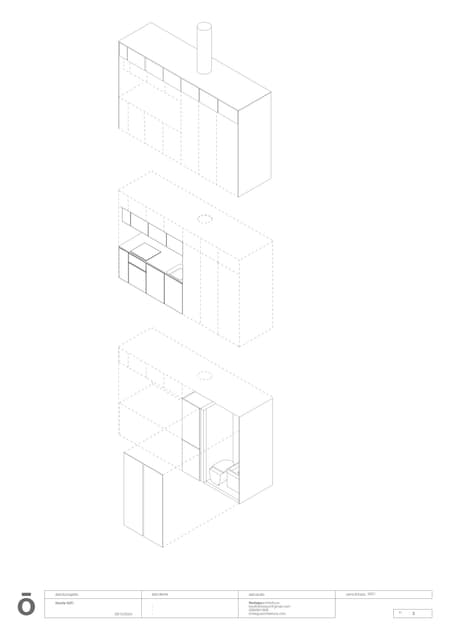
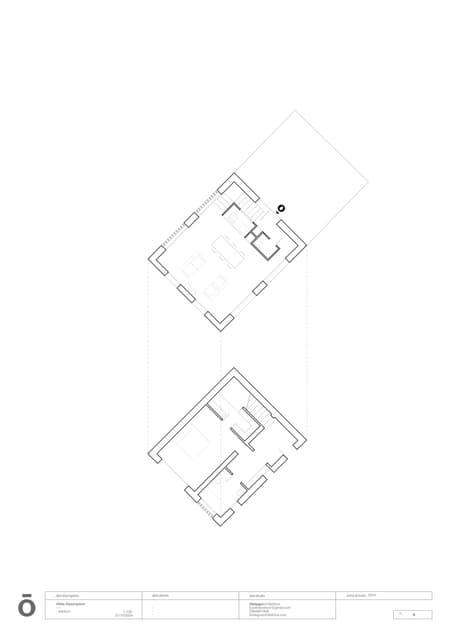
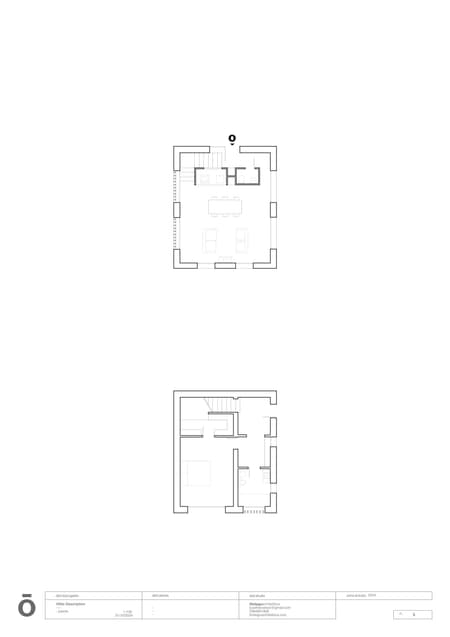
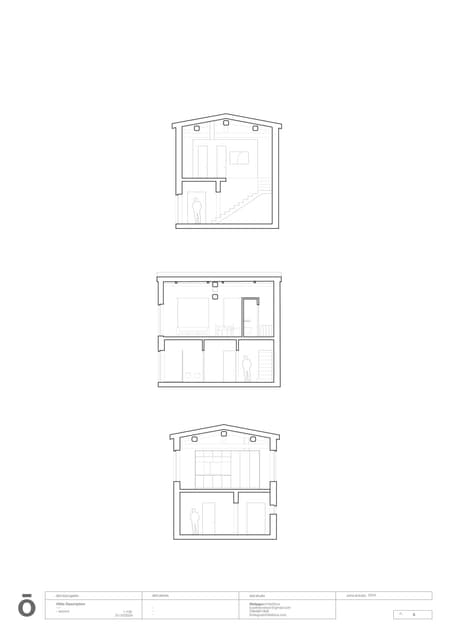
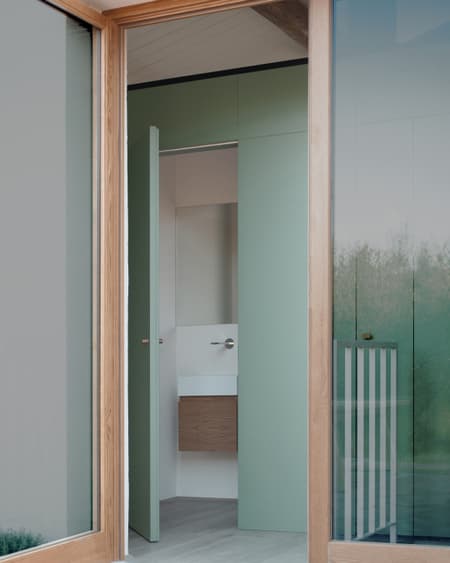
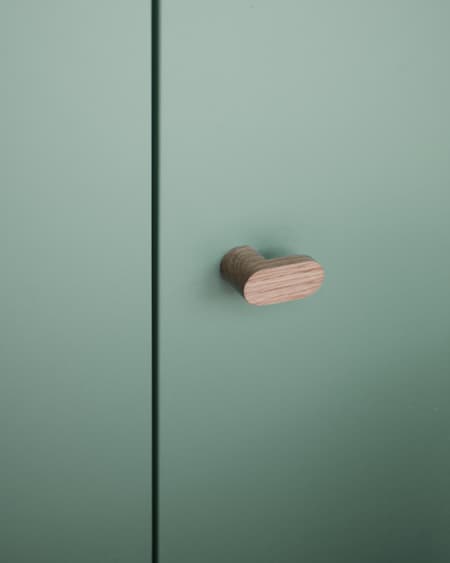
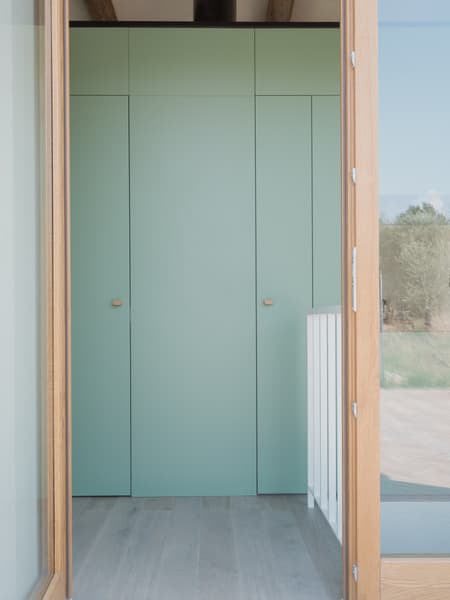
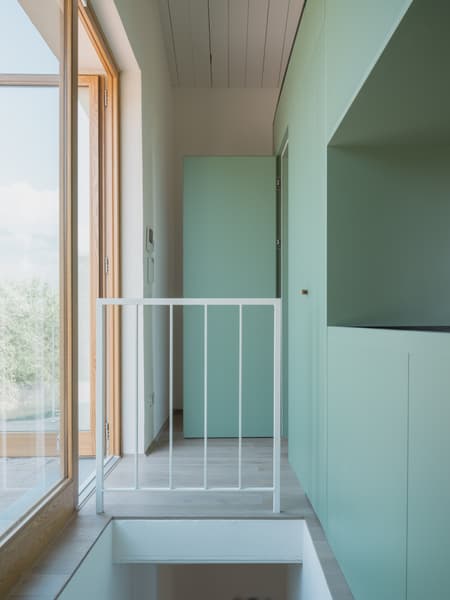
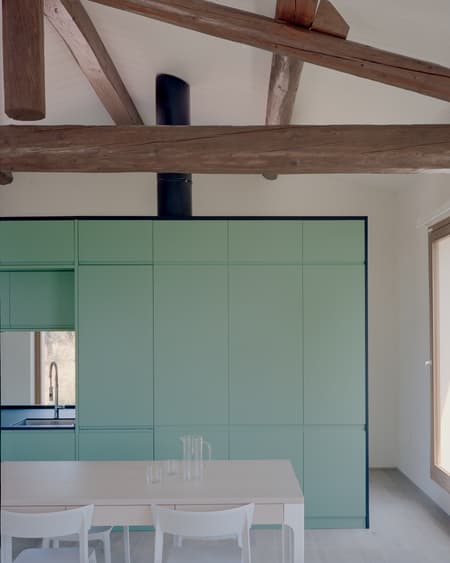
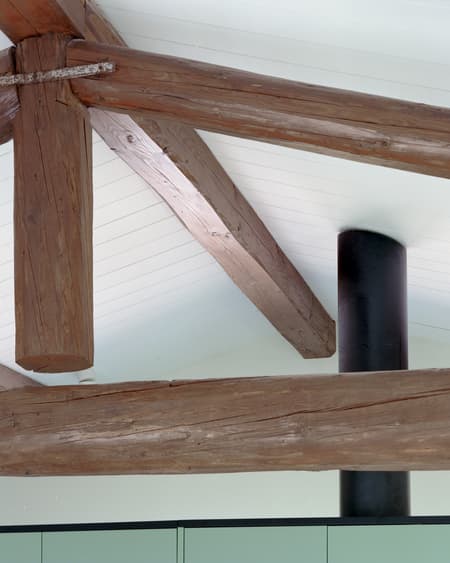
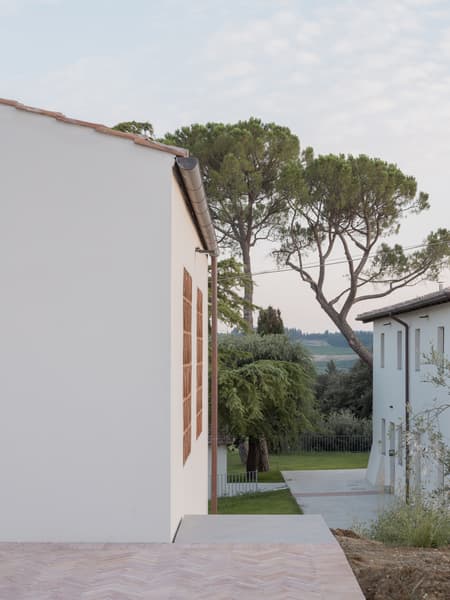
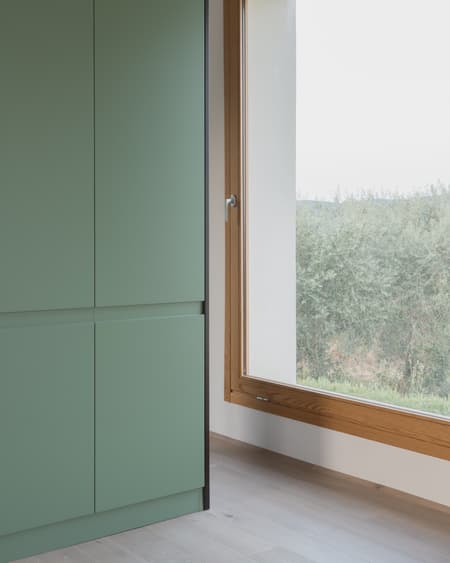
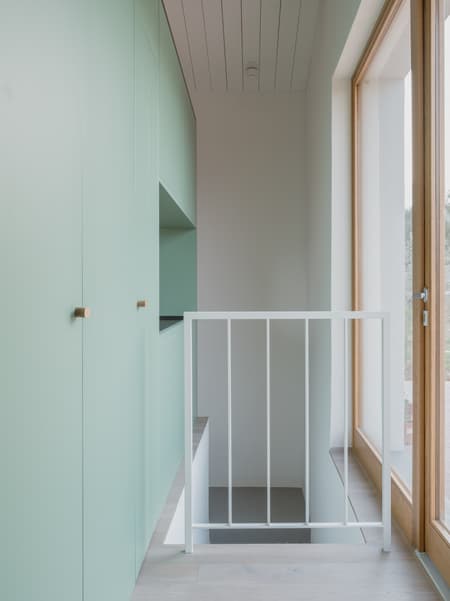
The design challenge lay in organizing the interior living spaces without altering or impacting the existing structure, in order to preserve the recognizability of the building’s original function. To uphold this intent, the design centered around an added volume—a "box"—capable of fulfilling multiple roles and addressing, with a simple gesture, the need to divide the interior into distinct functional areas without compromising the existing masonry. Positioned in front of the upper entrance, this box separates the entryway from the rest of the space, provides guest storage, conceals and protects the internal staircase, houses a bathroom, and incorporates the kitchen. The only point of contact between the new intervention and the original building envelope is a technical pipe, which extends from the inserted volume up to the roof to accommodate service systems.
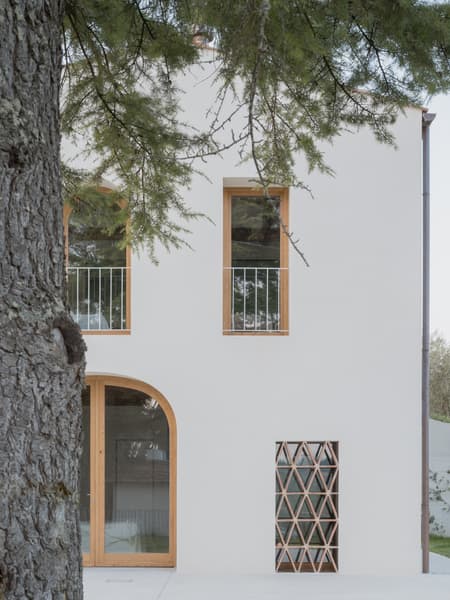
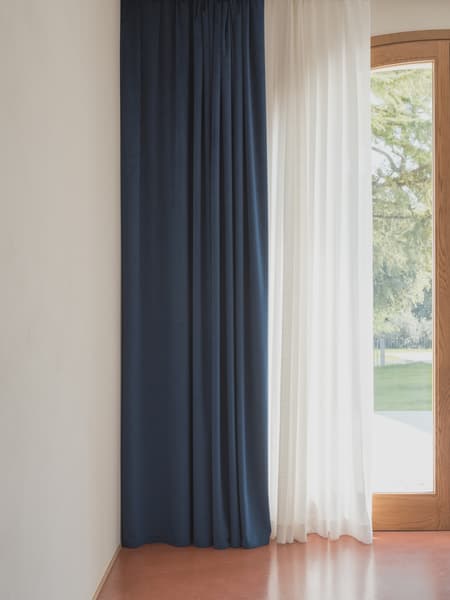
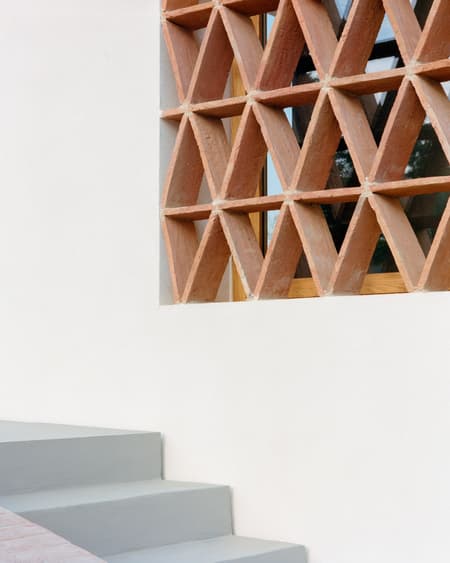
From the outside, the original openings remain unchanged in size and position, though their infills have been adapted. Barns in this area are characterized by semi-permeable brick infills known as gelosie, which regulate air flow and light penetration. Building on this, the project introduced an inversion of the conventional residential layout: the living area is placed on the upper floor, while the sleeping quarters occupy the ground level. This arrangement allows the bedroom to be more intimate and enclosed, while the upper floor benefits from a more open, panoramic quality. Here, seven openings frame expansive, picturesque views of the surrounding hills. Only two of these are filtered by gelosie, offering privacy and a sense of introspection given the nearby structures in the hamlet.
Fōntego Architettura was founded in Florence in 2014, following a meeting between Francesco Busi and Mario Ambrogi at the IUAV University of Venice. Their strong friendship and ongoing collaboration throughout their university years led instinctively and naturally to the establishment of a practice, born out of a shared vision of architecture and a continuous pursuit of design solutions.
The concept of the fondaco—or fōntego in Venetian—perfectly embodies the idea of a closed space, like the physical setting of an architecture studio, yet one that remains open to research and permeable to external influences. These influences are always filtered—like at a border or customs checkpoint—through the foundational idea of the space itself. In this case, that idea is rooted in a belief in simplicity, clarity, and a contemporary approach to architectural design.
Over the years, as the scale of projects has grown, so too has the studio itself. Yet the goal has consistently remained the same: to pursue design through the fundamental principles that initially brought the two architects together. In particular, there is a constant intention to reduce, to remove—not in the interest of aligning with a minimalist style, but rather to move away from stylistic classifications altogether. Each project is viewed as a compelling set of problems to be solved, with the aim of addressing as many of these as possible through the fewest possible architectural gestures.


-1.jpg?w=450&q=75&dpl=dpl_76Rq87wxQwFvSi96M2iBpo5TN6QL)