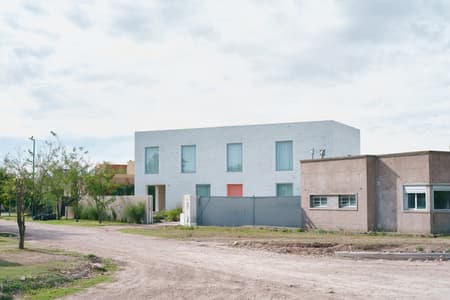
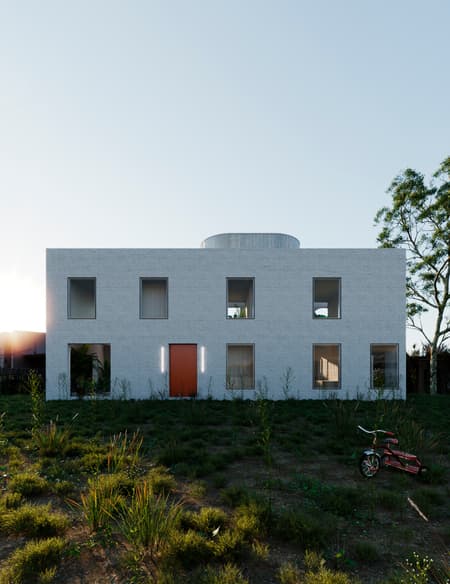
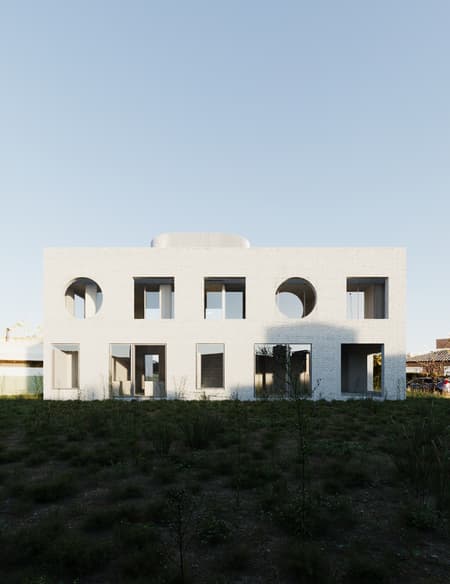
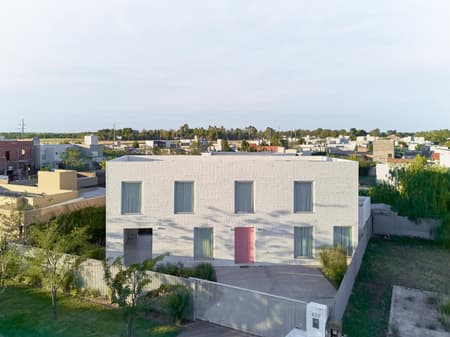
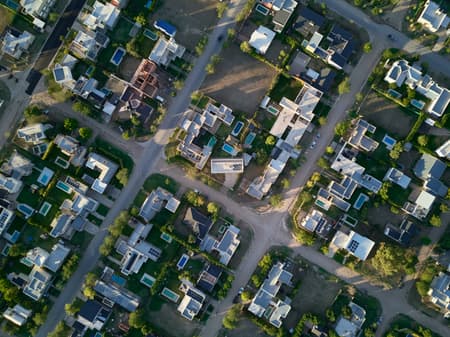
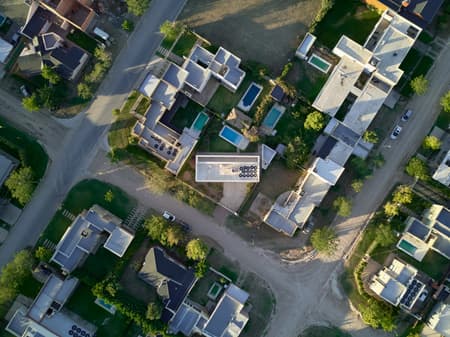
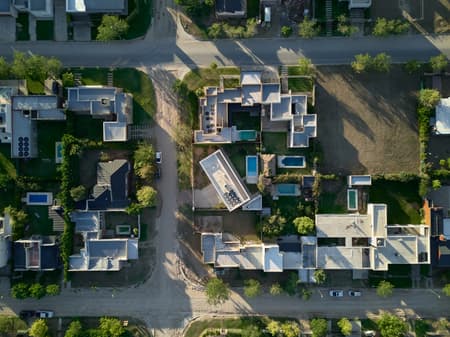
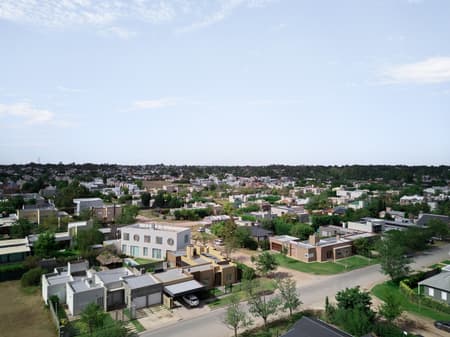
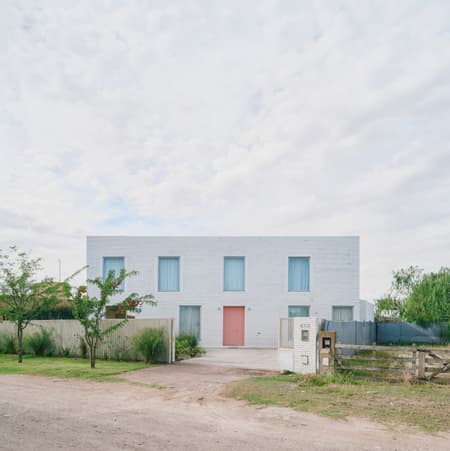
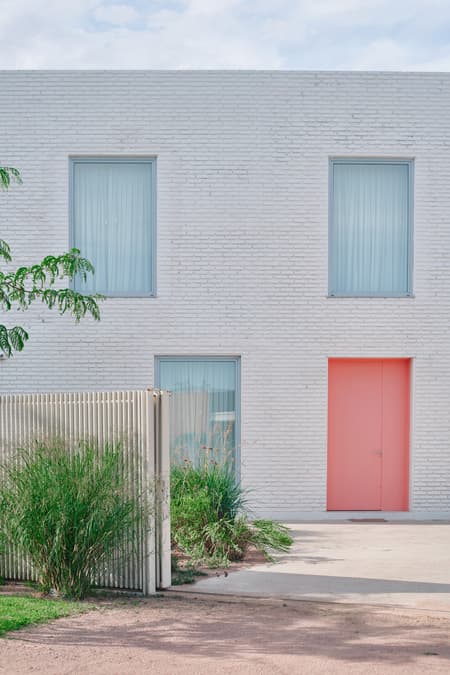
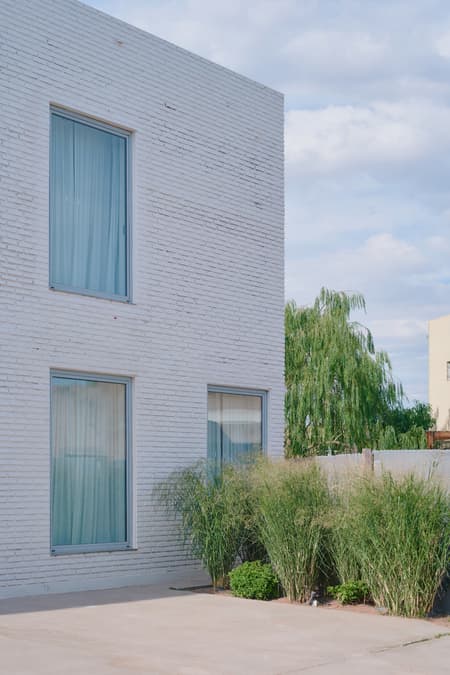
The residence, designated as House 110 and designed by FLORA Architecture Studio, is located in Las Acacias, a suburban neighborhood on the outskirts of the city of Bahía Blanca, in the southern region of Buenos Aires Province, Argentina. Las Acacias is characterized by its low-density urban fabric, predominantly composed of low-rise single-family homes that define a harmonious and tranquil residential environment.
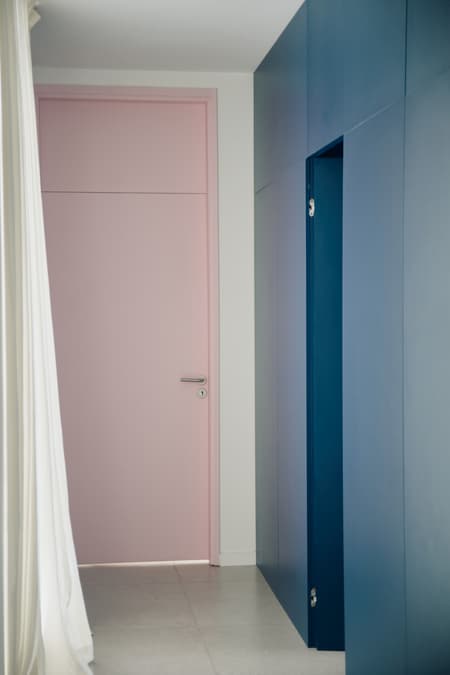
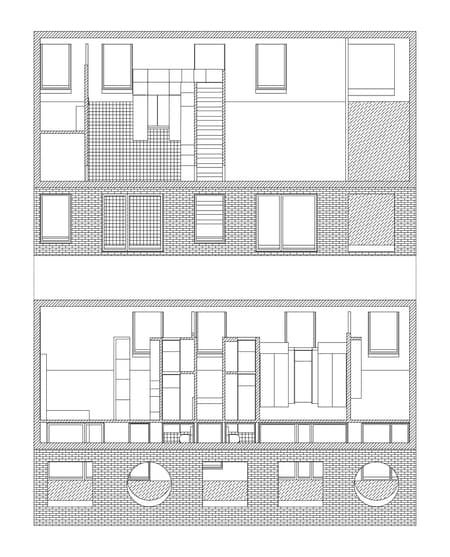
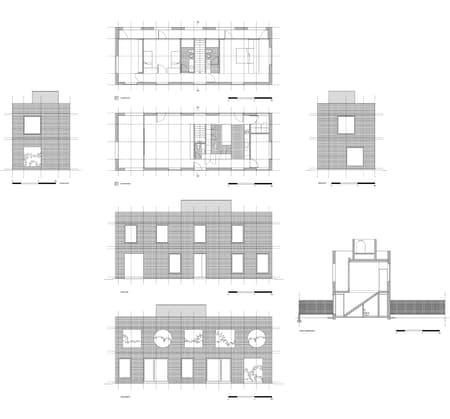
The house features a distinctive structure that stands out for both its functional and aesthetic approach. It is organized around a central core that concentrates all service areas, leaving the perimeter free for circulation and the expansion of living spaces. Acting as the organizing element of the project, this core accommodates the main services—including the kitchen, bathrooms, staircase, and storage areas—allowing for an efficient distribution of utilities while optimizing the use of the surrounding space.
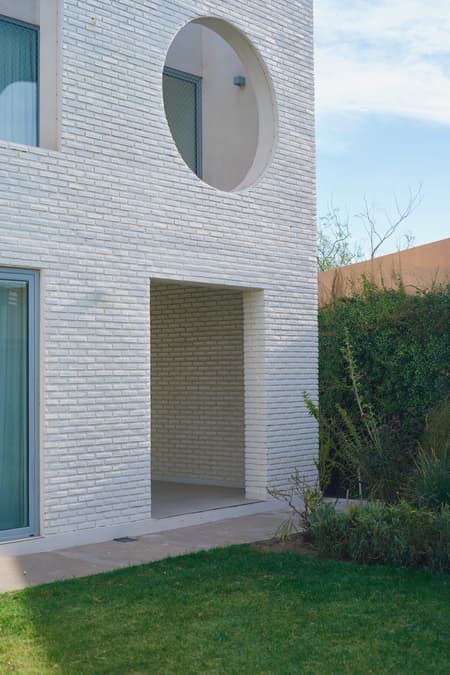
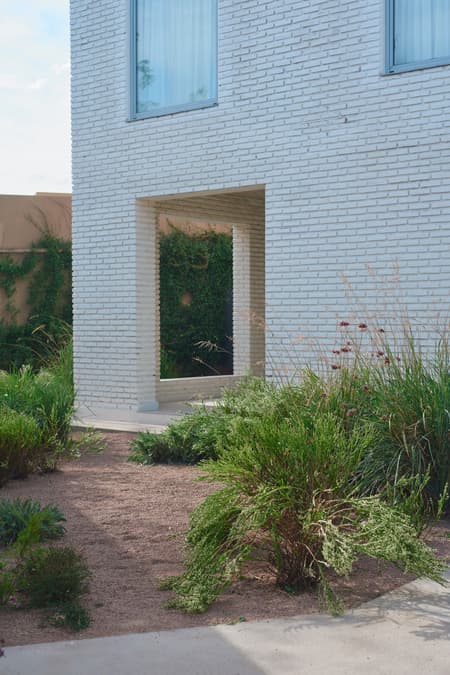
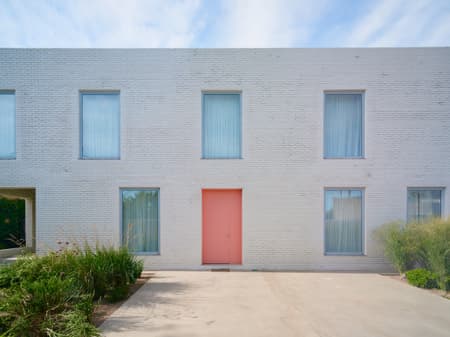
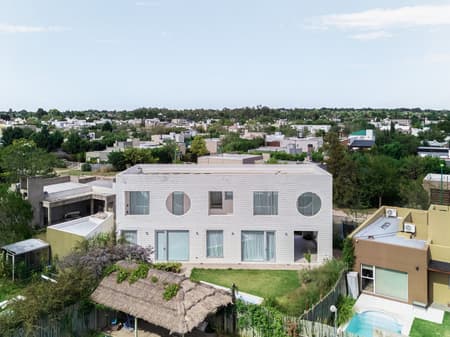
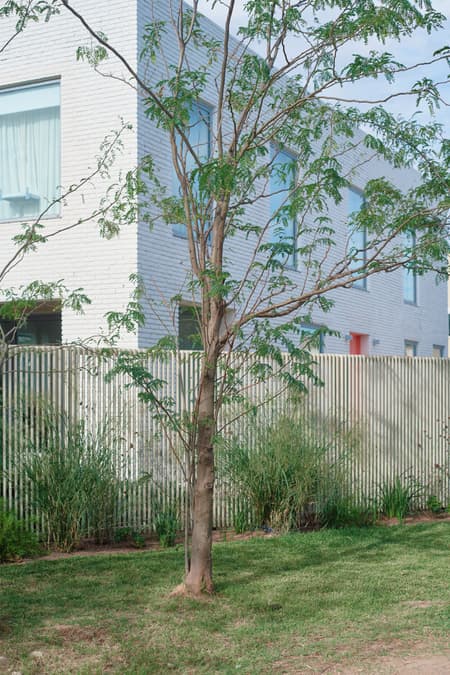
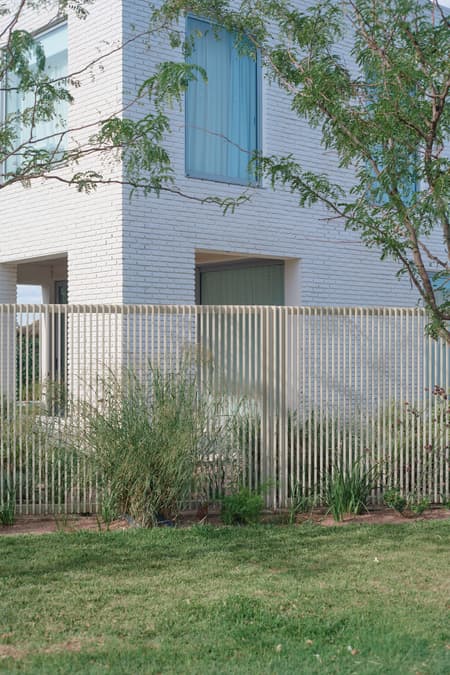
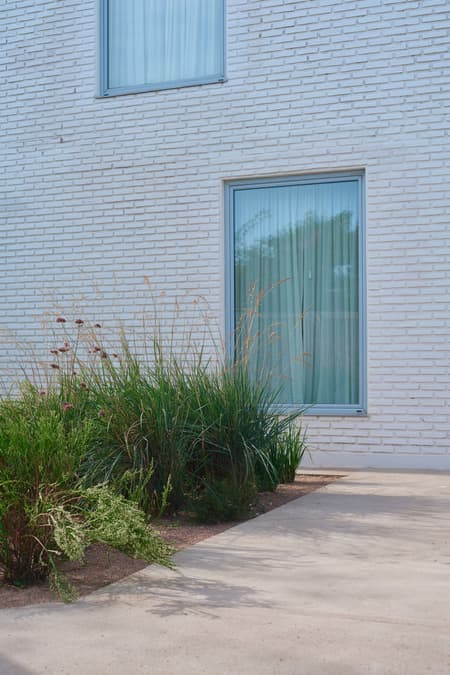
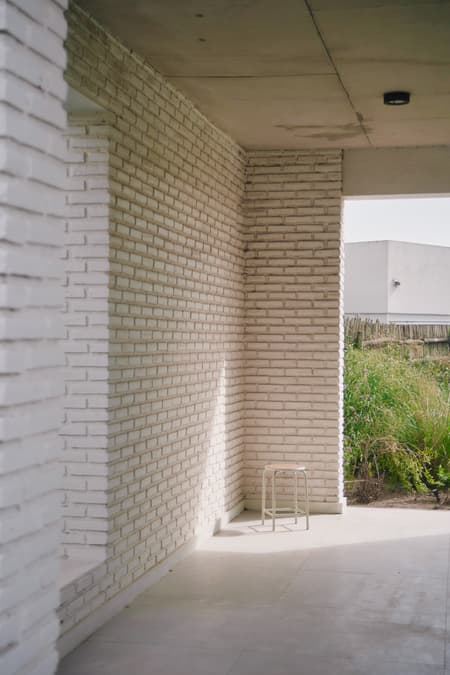
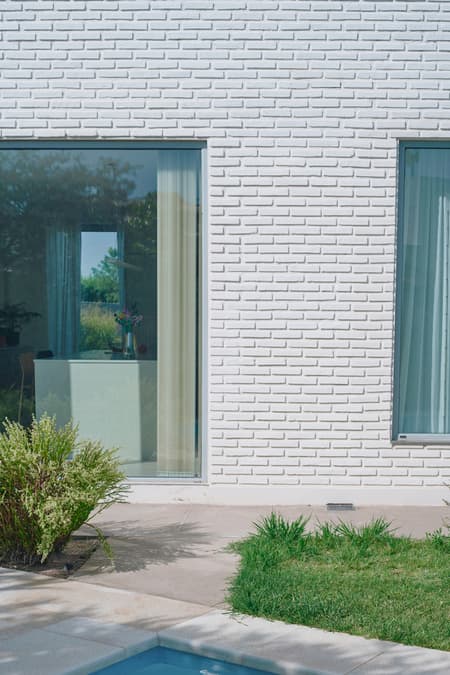
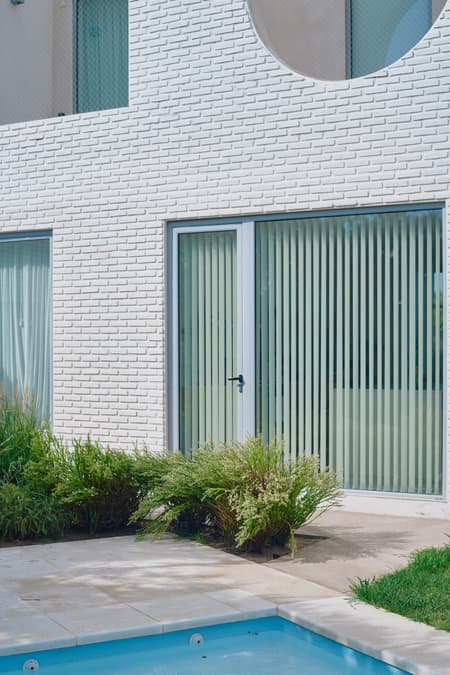
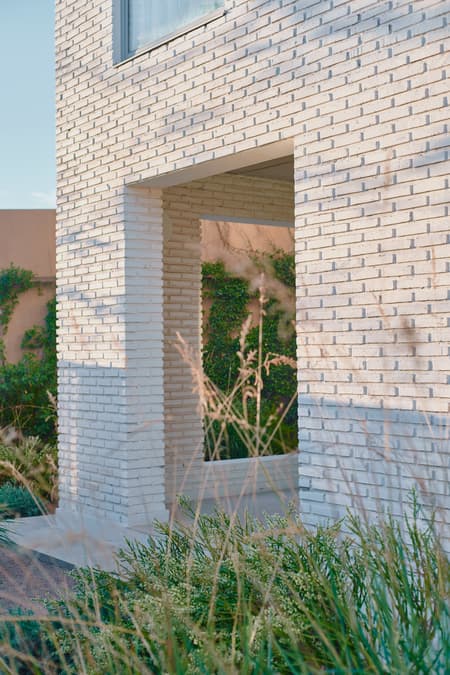
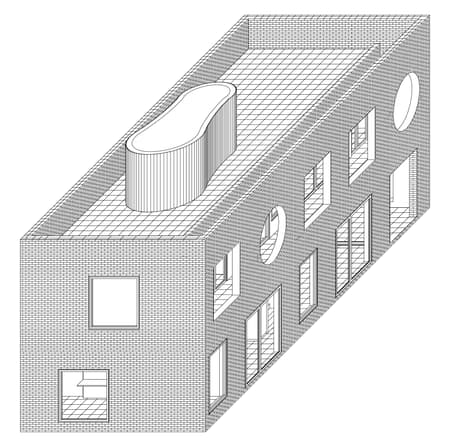
In terms of materiality, the house is conceived as a solid exposed-brick volume. Its façades are composed of double masonry walls with an air cavity and 40 mm expanded polyurethane thermal insulation. The building was designed to protect its interior spaces from the extreme climatic conditions characteristic of Bahía Blanca during both winter and summer.
The studio opted for a traditional construction system, relying on detailed technical specifications that allowed the project to be executed remotely. Technical supervision was carried out throughout the construction process, certifying progress and ensuring coordination between the professionals based in Bahía Blanca and the FLORA office in Buenos Aires.
The architectural design benefits from a square-shaped lot, enabling the house to be optimally positioned with its primary orientation facing north at the rear. This orientation ensures excellent solar exposure throughout the day, maximizing energy efficiency, natural lighting, and interior comfort. With all four sides of the site remaining open, the design achieves an even distribution of façades around the house, allowing for enhanced views, cross ventilation, and multiple points of access from the exterior.
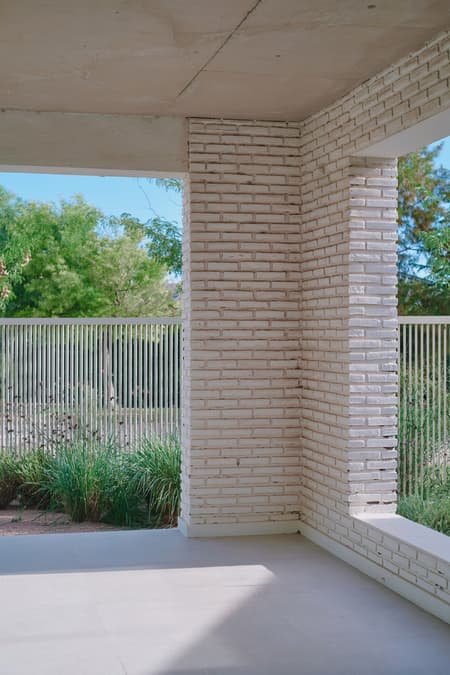
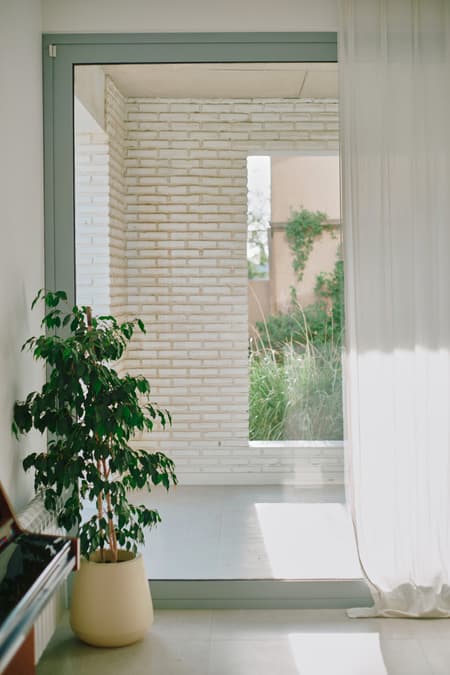
The house incorporates a semi-covered outdoor expansion area that seamlessly connects to the interior through triple-track sliding glass doors, creating a direct transition between indoor and outdoor spaces. This feature offers flexibility in the use of outdoor living areas while maintaining the comfort and protection provided by the covered space. Its connection to the side garden further enhances the design, generating a sense of openness and a strong relationship with the natural surroundings.
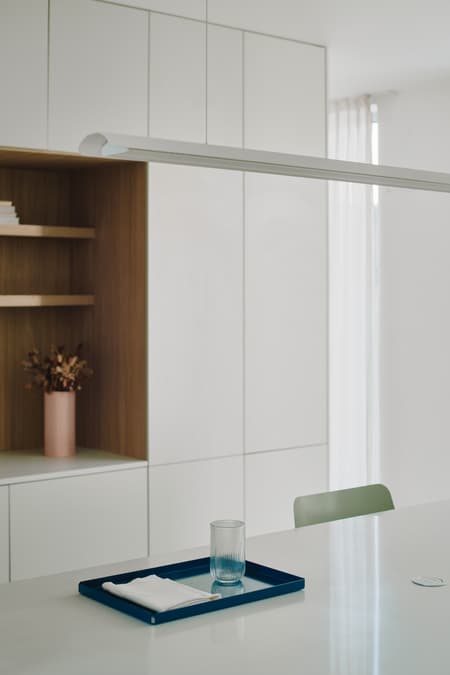
The kitchen and laundry room are designed to meet the practical needs of everyday living. The generous living and dining area provides a versatile environment intended for both social gatherings and daily activities.
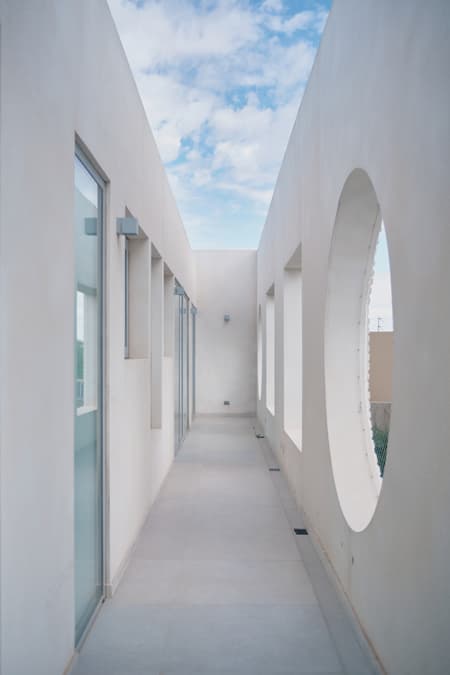
On the upper floor, privacy becomes the primary focus. The layout includes a master bedroom with an en-suite bathroom, a children's bedroom designed for both rest and recreation, and a home office. These spaces are connected by an outdoor terrace extending along the north façade, offering elevated views over the surrounding built environment.