The Spanish Pavilion at the global exhibition draws inspiration from the ocean—a vital resource for the planet and a historical link between Spain and Japan;
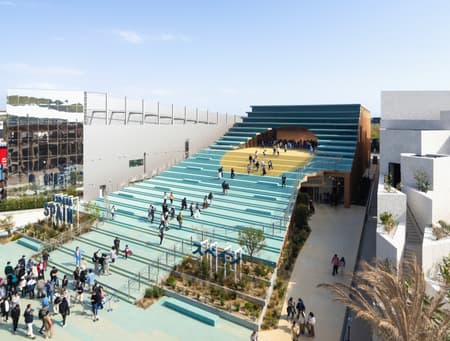
The design breaks away from the typical monumentality of world fairs and instead offers a fluid, open space informed by Mediterranean squares;
Fully demountable and reusable, the project adopts a circular construction system in which every element is designed to have a second life after the Expo concludes.
16 May 2025, Madrid, Spain. The 2025 World Expo began on 13 April under the theme “Designing Future Society for Our Lives,” bringing together nearly 160 countries in Osaka, Japan. Located on the artificial island of Yumeshima, the Expo site is laid out as a dense urban grid, with most buildings surrounded by a vast wooden ring structure designed by Sou Fujimoto Architects: The Grand Ring, which houses the fair’s main facilities.
Designed by EXTUDIO, ENORME Studio, and Smart & Green Design under the theme “The Kuroshio Current,” the Spanish Pavilion is the result of a design selected through a competition organised by Acción Cultural Española. The ocean serves as the narrative thread through which Spain presents itself at the Expo: an element that refers to national identity while also standing as a universal symbol and one of the planet’s most vital resources.
Covering 3,500 square meters, the pavilion offers visitors a unique architectural and exhibition experience, showcasing the country’s innovation, culture, and productive activity. Over six months, companies, regional authorities, and other institutions will use its spaces for meetings, presentations, and forums. In this way, architecture becomes a strategic tool for international visibility.
The Spanish Pavilion blends local character with a collective experience of global reach, where every visitor feels welcomed. It also highlights one of the historical ties between Spain and Japan: in the 16th century, the Basque navigator Andrés de Urdaneta established a prosperous maritime route between the Japanese archipelago and the Viceroyalty of New Spain, aided by the Kuroshio current flowing through the North Pacific. This legacy inspires and gives meaning to the pavilion’s motto.
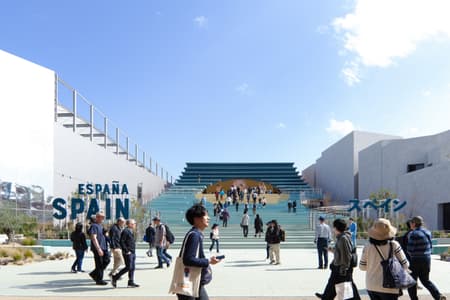
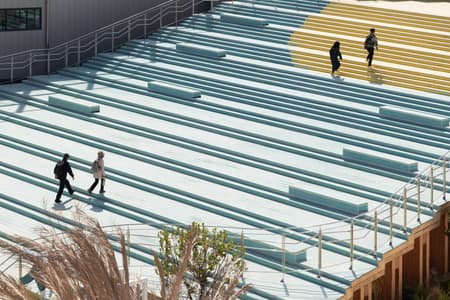
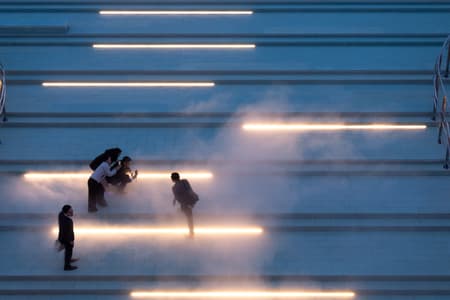
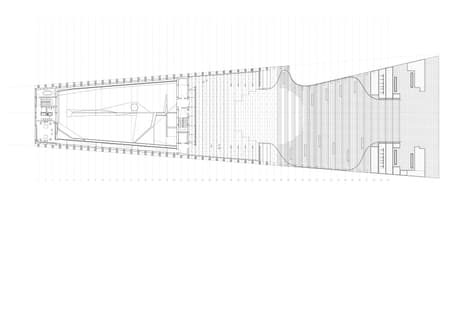
Unlike other pavilions that rely on imposing façades, Spain’s contribution proposes an open and welcoming architecture. It is designed as a landscape that invites visitors into a spacious front void—a square inspired by the Mediterranean spirit, encouraging play, rest, and interaction. “We wanted people to sit, relax, meet... almost like sitting by the seashore,” explains the design team.
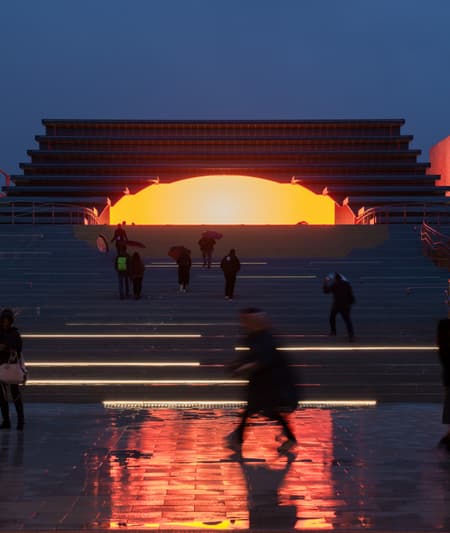
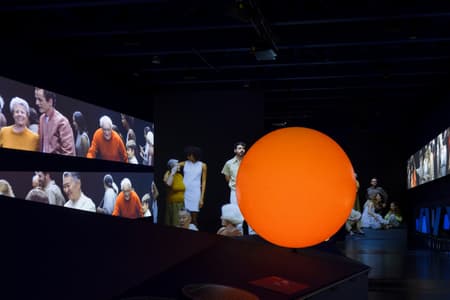
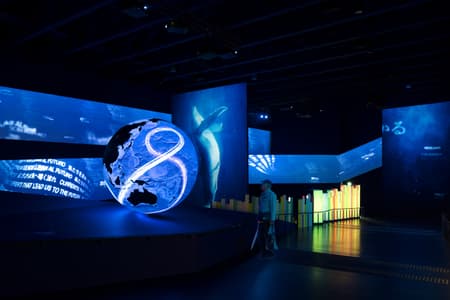
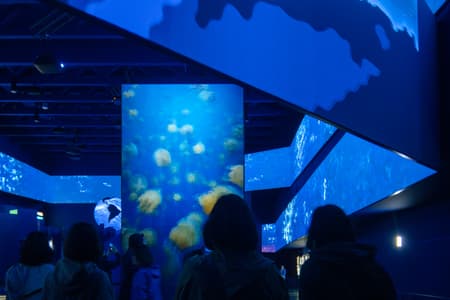
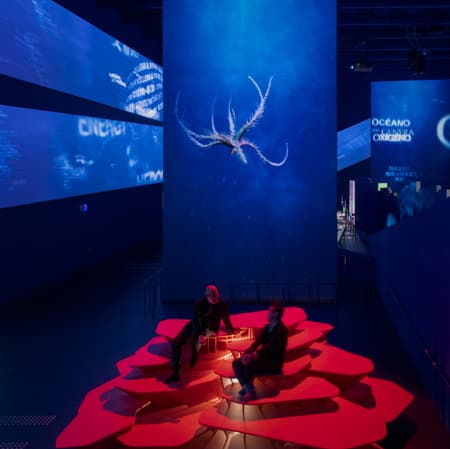
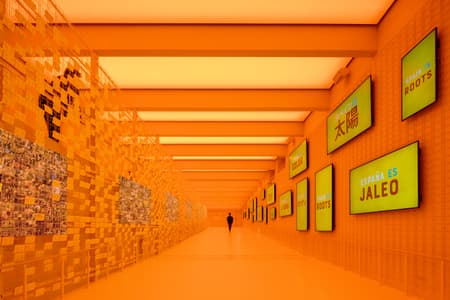
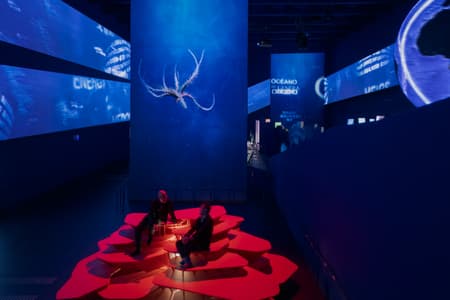
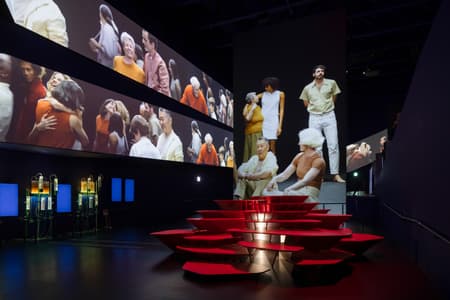
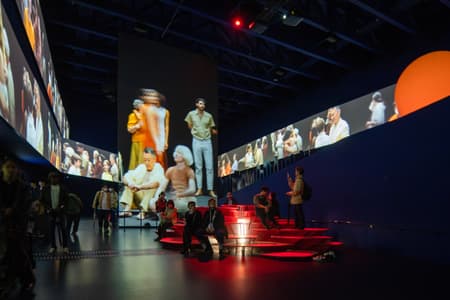
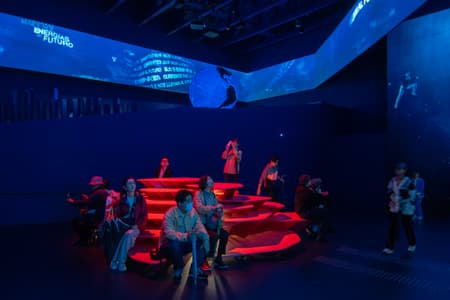
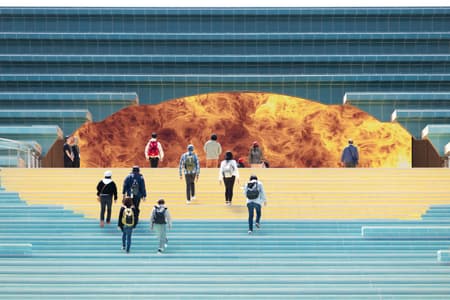
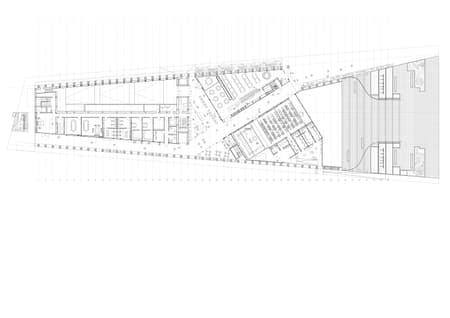
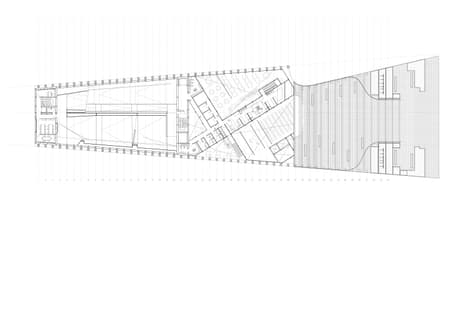
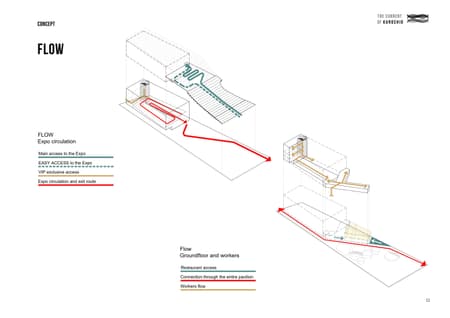
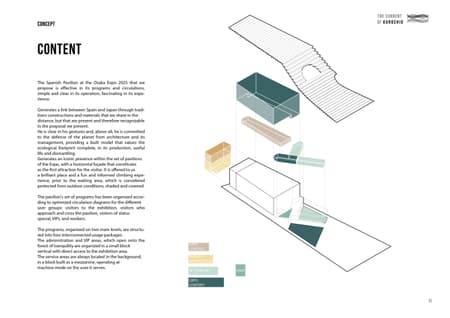
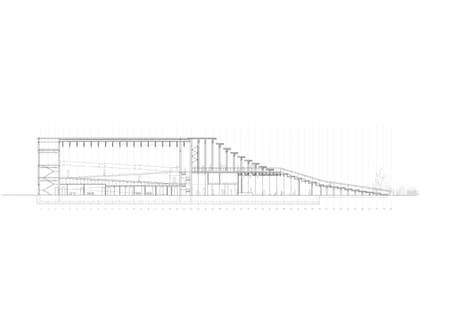
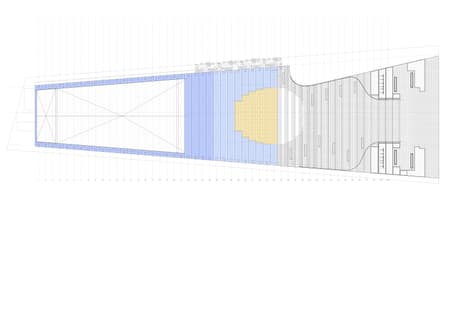
After gentle steps that simulate sea waves, visitors arrive at the anteroom of the exhibition: the Plaza del Sol. This space is presided over by an LED screen displaying seven video artworks that explore the symbolism of the sun—its role in sustaining the planet’s balance and its potential to spark the imagination of a more sustainable future. Behind this "digital façade", the exhibition unfolds along a descending ramp, evoking the sensation of a dive. Wrapped in ultramarine tones, the route simulates an immersion into the ocean’s depths, leading to the exit, where a multipurpose room, a shop, and a seafood restaurant are located. Positioned at street level and connected to the Grand Ring, the exit features a more vivid colour palette and a 360º audiovisual installation that captures the festive spirit of Spain and its people—a symbolic return to the light.
Sustainability and Circularity This edition in Osaka will be the first Expo that leaves no built legacy in the city, as all the structures will be dismantled once the exhibition ends to allow the island to resume its port function. In response, the Spanish Pavilion has been conceived as a model of circularity, mirroring the oceans, where nothing is wasted, and every resource finds a second life. Every element has been designed with future disassembly and possible reuse in mind, whether to be reconstructed elsewhere or reintegrated into the production chain.
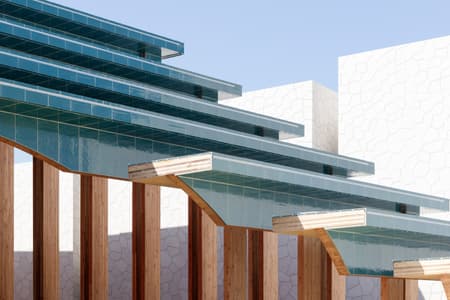
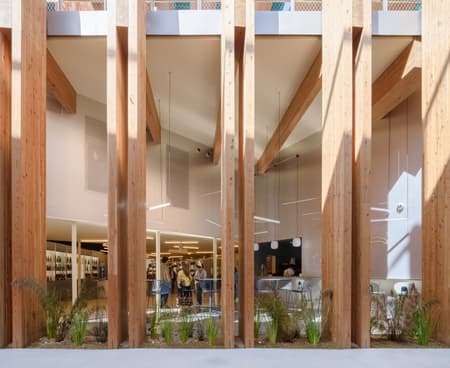
The construction system relies on natural, locally sourced materials such as Japanese red cedar wood, simple dry-assembled joints, and the use of a single element to address multiple needs. Wood is thus employed throughout the portico structure, composed of a double pillar at each end and T-shaped beams, repeated up to forty times at varying heights to shape the sequence of interior volumes.
The choice of material facilitates assembly and reduces the weight of the structure, simplifying the foundation on the artificial island. As a result, the building has almost zero environmental footprint. Like the water cycle itself, it embodies a continuous process that anticipates the reuse of components and the incorporation of recycled materials.
The design team has collaborated with expert craftsmen, such as Ceràmica Cumella for the coloured façade pieces or Ondarreta, which supplied furniture made from certified wood and recycled fabrics. Sustainability guidelines were defined with the support of companies specialising in waste management: CoCircular, whose advice informed the entire process; and the manufacturers Honext and Gravity Waves, who provided, respectively, partition panels made from recycled paper and interior finishes made from plastic recovered from fishing nets.
The architecture of the pavilion evokes both the ocean and the sun reflected in it. These elements—two of the planet's most important resources and universal symbols—refer, on one hand, to a certain national identity rooted in Spain’s condition as a Mediterranean peninsula and its particular way of understanding life. On the other hand, they also speak to a shared, global identity, allowing any visitor to the World Expo to connect with the proposal. These same elements have been used in the design of the graphic identity and official logo, following an art direction that brings together architecture, exhibition, and branding.
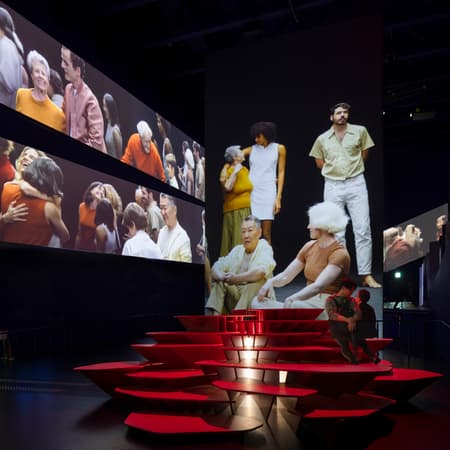
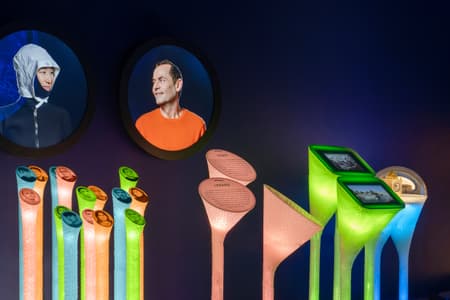
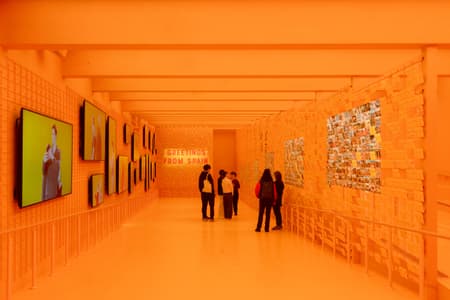
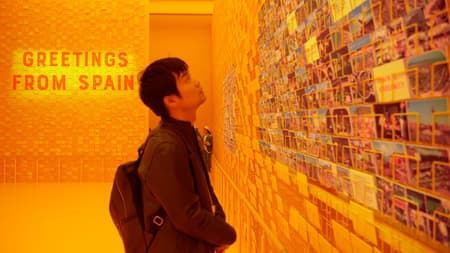
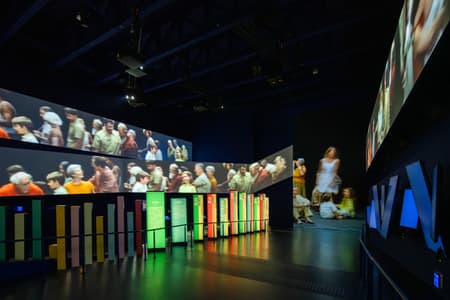
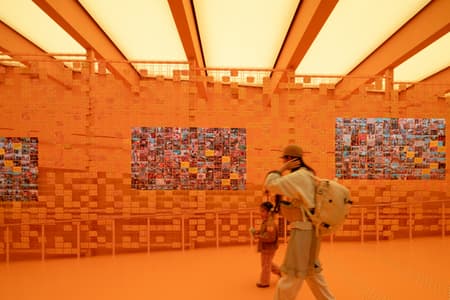
The visitor experience is divided into four sections: - Plaza del Sol: Representing the sun reflected in the water, this is a waiting area animated by an audiovisual montage and live performances. - Corrientes hacia el futuro: As if diving into the depths of the sea, the interior of the pavilion features audiovisual installations and interactive devices that explore blue economy and Spain's relationship with the ocean. - Greetings from Spain: This immersive experience brings the journey to an end by capturing the festive and colourful character of Spain’s landscapes and traditions. - Una España diversa: a walkthrough that highlights the country’s regional diversity.
The waiting area is designed in the style of a Spanish square: a place beneath the symbolic sun where the flow of people merges with a familiar, communal space. To enhance its welcoming atmosphere, a large LED screen displays audiovisual works by artists engaged with sustainability and the 2030 Agenda, created specifically for the occasion. Additionally, a stage hosts daily performances as an introduction to the country’s vibrant and outgoing lifestyle.
The concept of the pavilion is inspired by the Kuroshio, or “Tornaviaje,” current, a natural flow that, since its discovery in the 16th century, has facilitated economic and cultural exchanges between the Far East and the Spanish colonies in America.
Having reached the seabed, the visitor returns to the surface in search of light. The pavilion thus concludes with an installation that portrays Spain as a dynamic, creative and friendly country. This is conveyed through a dialogue between postcards— traditionally used to share travel experiences with those far away—and the modern practice of taking selfies, offering a reflection on mass tourism and its environmental impact. The immersive experience invites attendees to take a look into the country and its cultural expressions.
Designed as a passageway leading to the shop, the restaurant, and the multi-purpose rooms, the exit is a large space that, due to its direct connection with the Grand Ring, can serve as an alternative entrance to the exhibition. An LED screen is installed, providing further insights into the reality of each of Spain’s seventeen autonomous communities.