

The traditional houses of Valencian villages—such as those in l'Horta, la Ribera, or la Safor—share a humble yet deeply meaningful architecture. With a recognizable layout —entrance for the cart, main hall, cool room, kitchen, and attic— they were conceived as places to live, work, and coexist. Their value lies in repetition, functionality, and adaptation to the environment, built with local materials such as rammed earth, lime, clay, or reed, the result of knowledge passed down through generations.
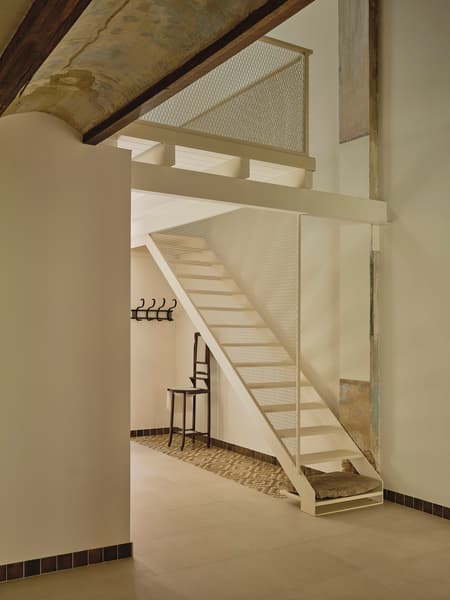
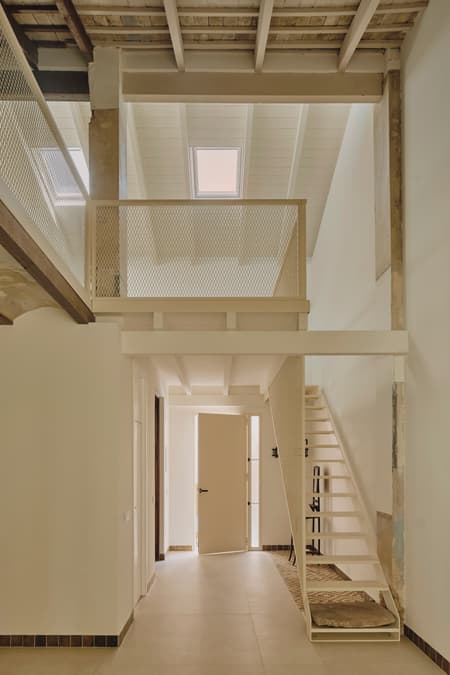
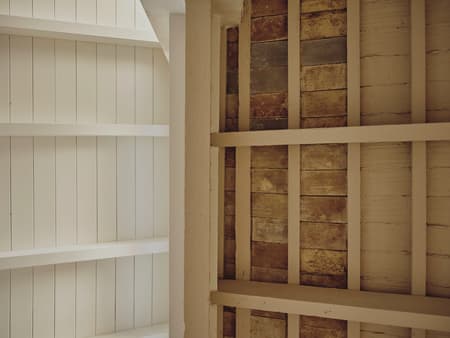
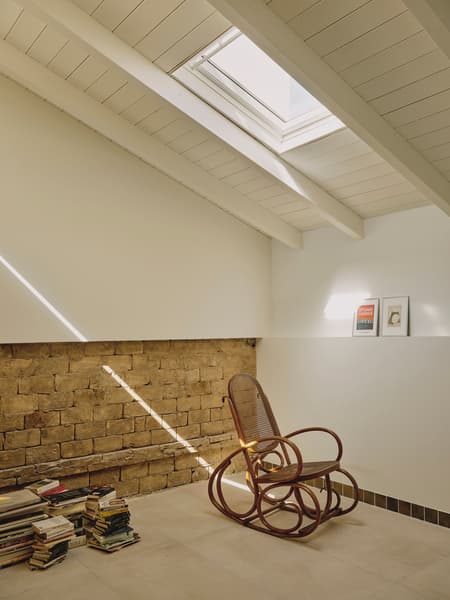
A particularly significant space is the andana, located beneath the roof. Once used as a storage room, drying area, or shelter, it is now often perceived as a place full of potential. Its atmosphere, imbued with memory, makes it a key element in many restoration processes.
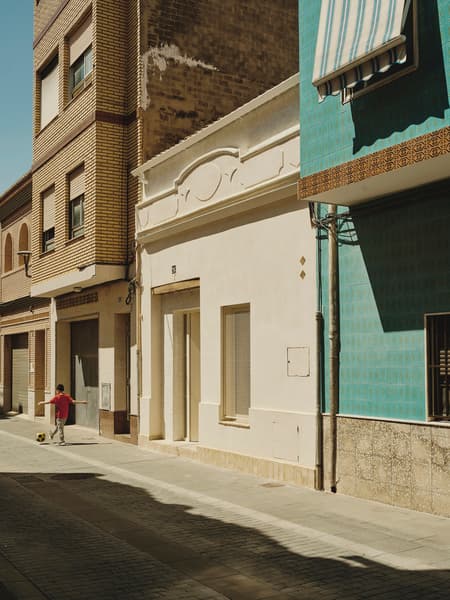
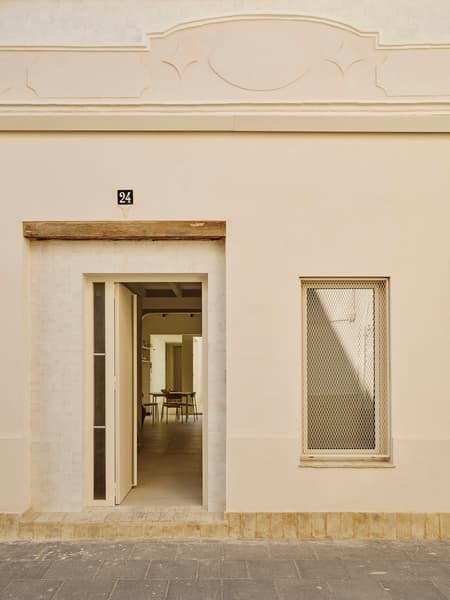
Within this context stands Casa dels Estels, a dwelling located in Albal (l'Horta Sud, València), which follows this traditional model. With a double-bay structure, central staircase, courtyard with a lemon tree, and an old barn (pallissa), it was built using rammed earth, solid brick, and a gabled roof. Before its rehabilitation, the house was in a severely deteriorated state and had been uninhabited for years.
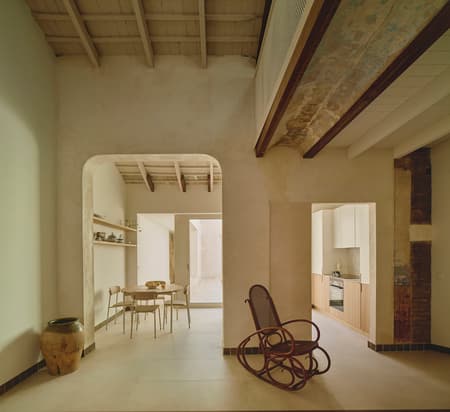
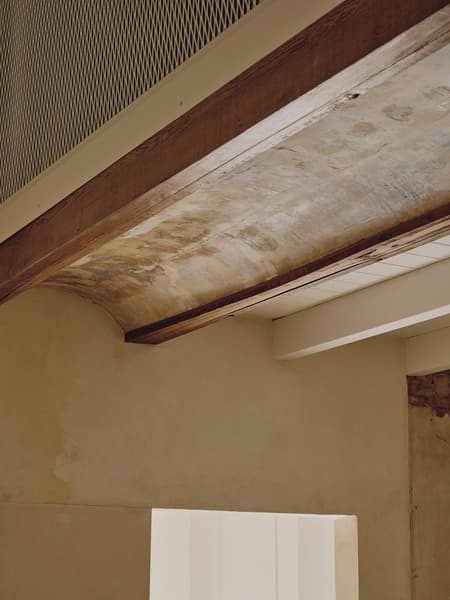
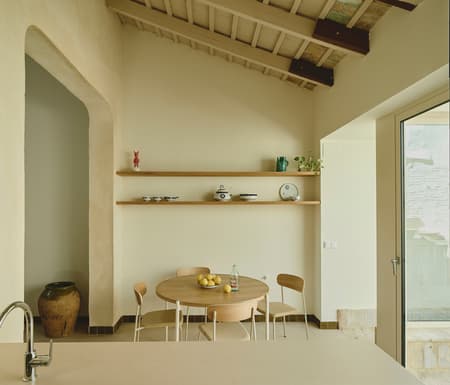
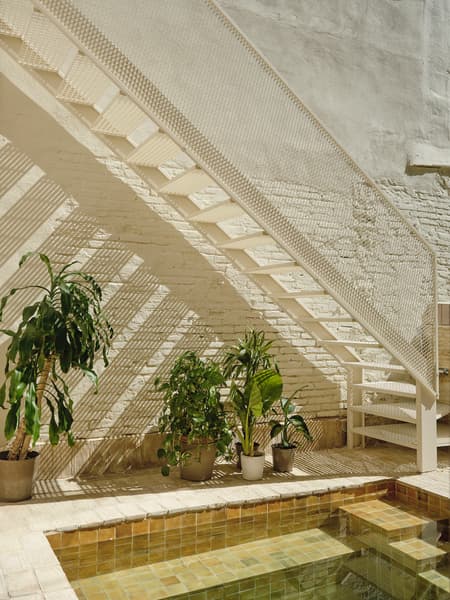
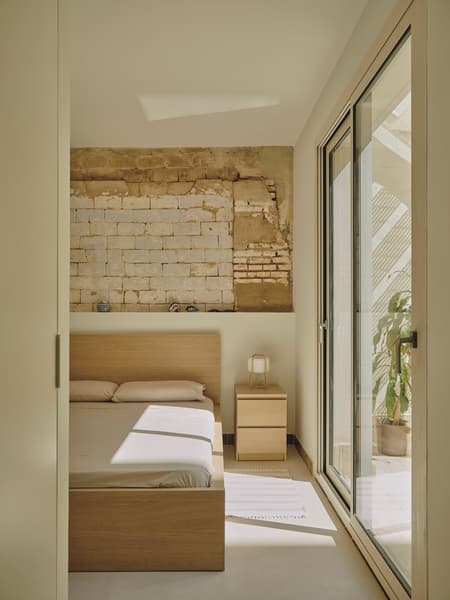
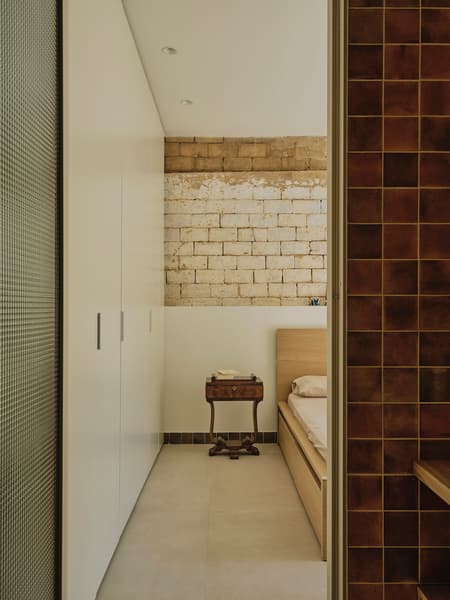
The intervention proposed a respectful yet transformative restoration. The goal was not to preserve uncritically or to turn it into a museum piece, but to recover its essential character and adapt the home to contemporary living —bright, efficient, and comfortable. The most valuable elements —beams, rammed earth walls, and vaulted ceilings— were restored, cross ventilation was improved, and new relationships between interior and exterior spaces were established. The andana, previously underused, became a versatile area with a small extension and a partially raised roof.
The rehabilitation did not aim to transform but to reveal—to bring to light a new life without breaking from the old one. It is an architecture that listens and accompanies, extending the past with naturalness and functionality.
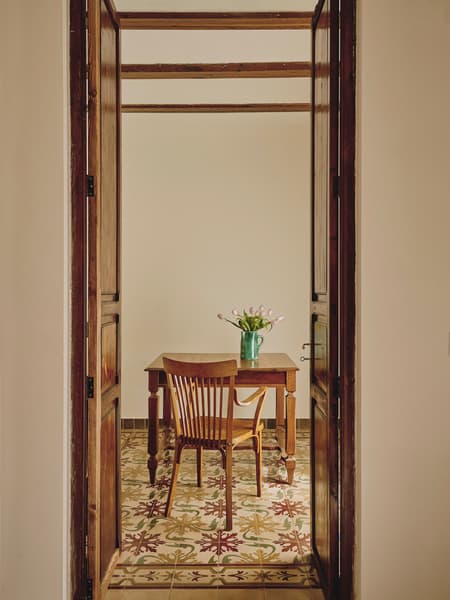
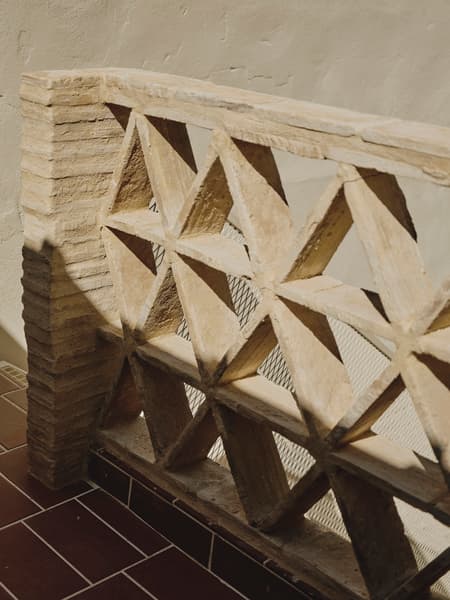
One of the project's main commitments was the reuse of materials: bricks from the old roof for the flooring, reclaimed beams, lime, ceramics—all following principles of sustainability and coherence with the vernacular language. The new construction elements engage in dialogue with the traditional ones, maintaining formal and material continuity.
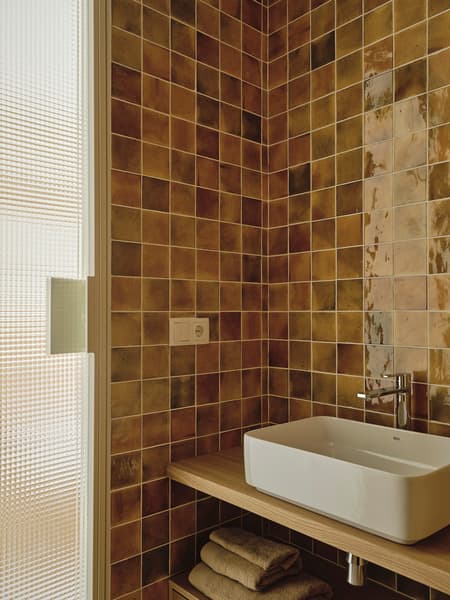
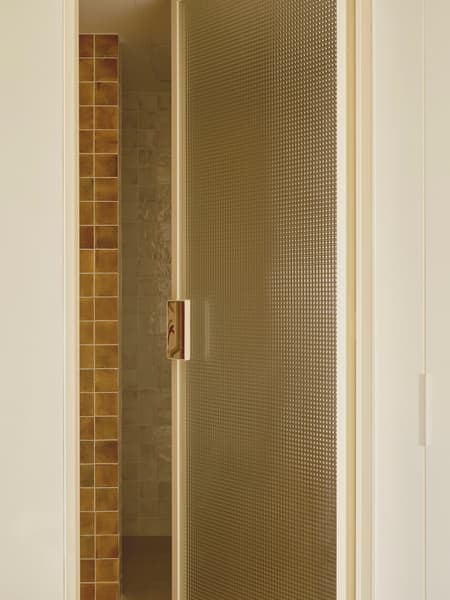
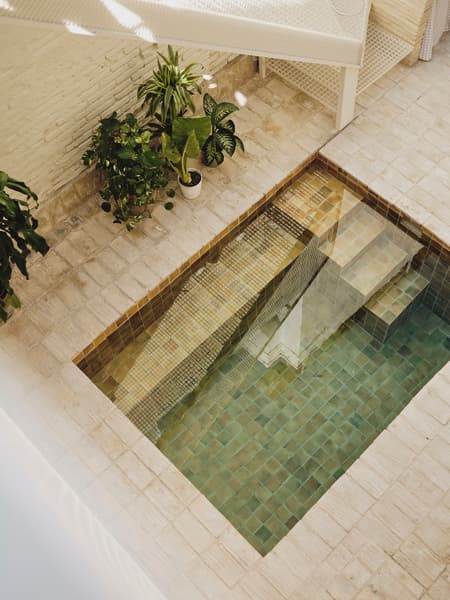
Colors, finishes, and selected materials evoke rural memory: green tiles recalling the original baseboard, yellow tones blending with the water in bathrooms and the pool, and terracotta preserving the craftsman's touch. Where animals once rested, now their owners sleep; where grain was stored, books are now kept.
Casa dels Estels stands as an example of a third path between abandonment and folklorization of rural heritage: a way of inhabiting rooted in respect, functionality, and belonging.


.jpg?w=450&q=75&dpl=dpl_76Rq87wxQwFvSi96M2iBpo5TN6QL)
.jpg?w=450&q=75&dpl=dpl_76Rq87wxQwFvSi96M2iBpo5TN6QL)
.jpg?w=450&q=75&dpl=dpl_76Rq87wxQwFvSi96M2iBpo5TN6QL)
.jpg?w=450&q=75&dpl=dpl_76Rq87wxQwFvSi96M2iBpo5TN6QL)
.jpg?w=450&q=75&dpl=dpl_76Rq87wxQwFvSi96M2iBpo5TN6QL)
.jpg?w=450&q=75&dpl=dpl_76Rq87wxQwFvSi96M2iBpo5TN6QL)