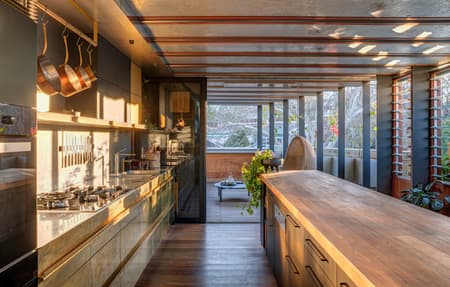
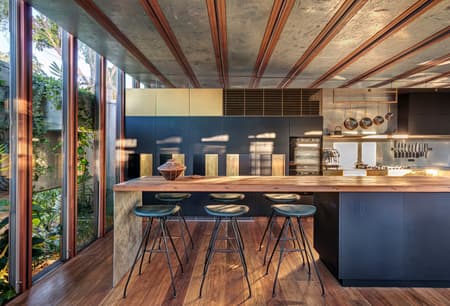
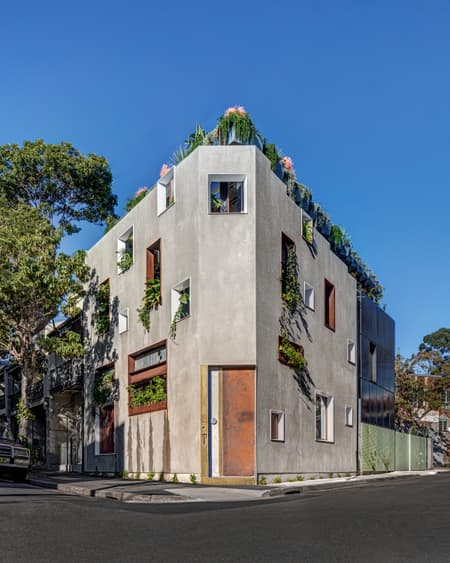
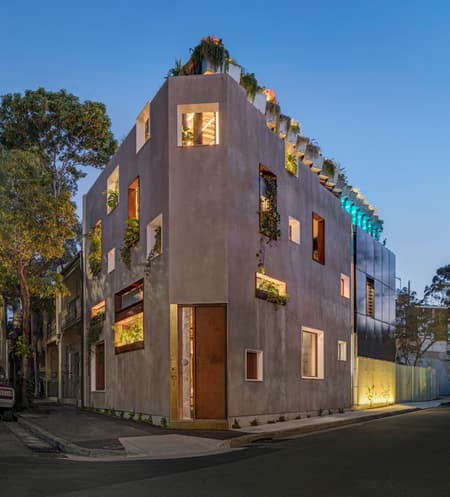
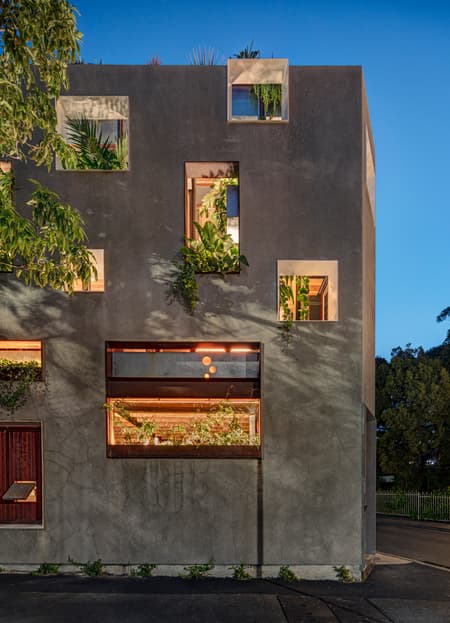
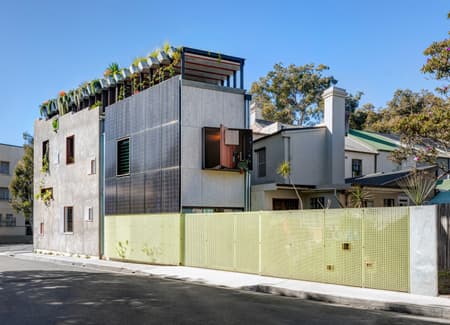
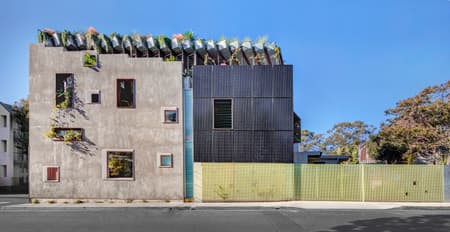
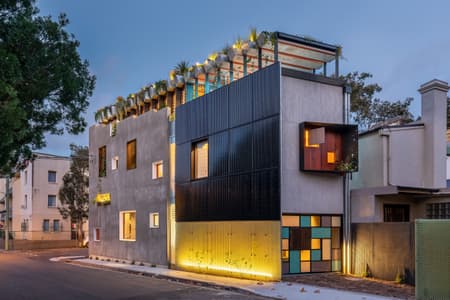
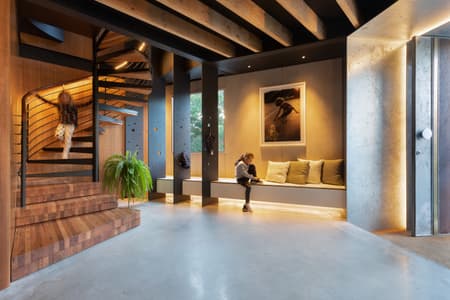
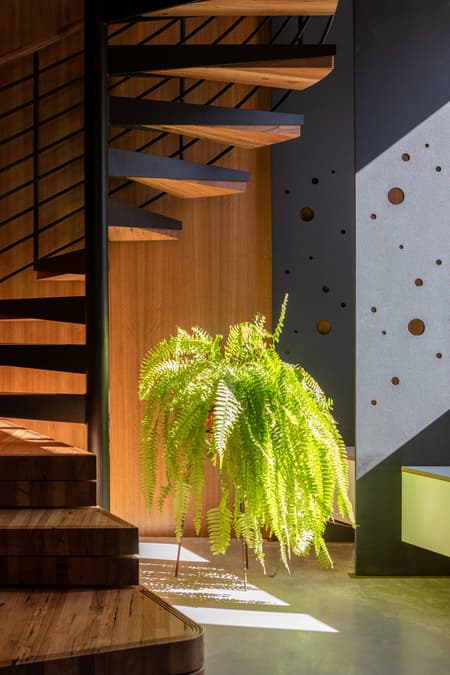
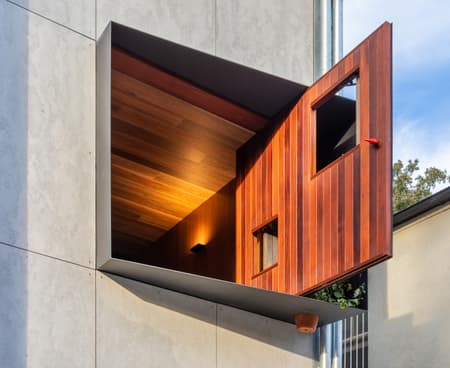
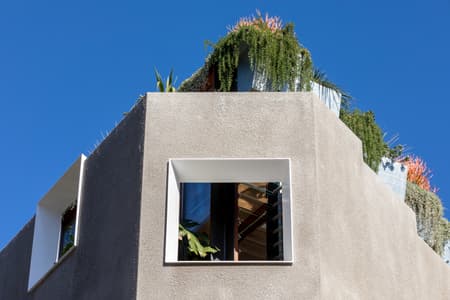
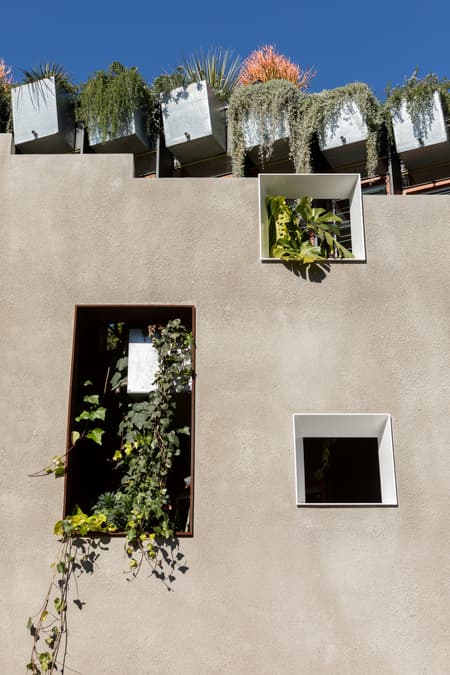
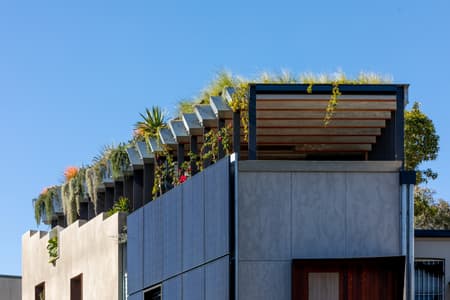
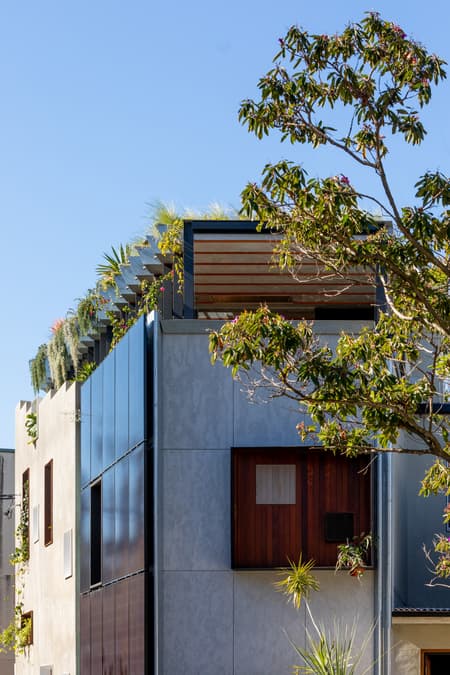
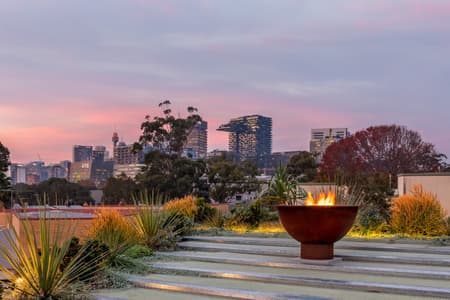
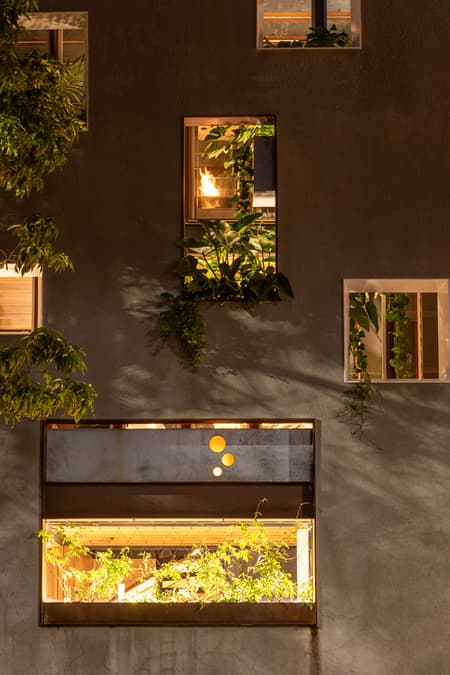
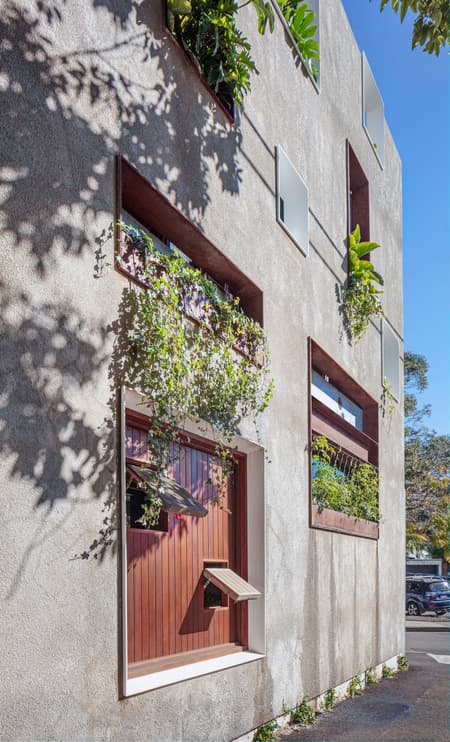
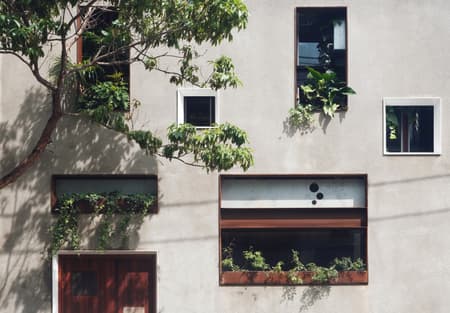
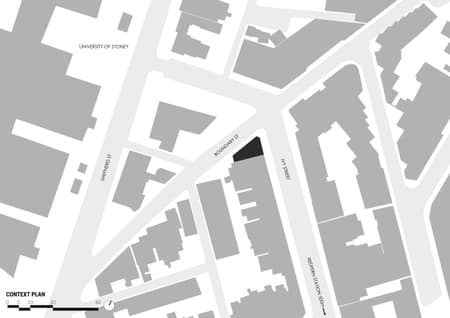
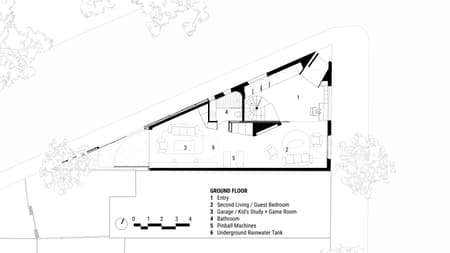
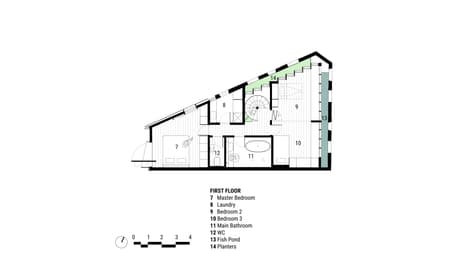
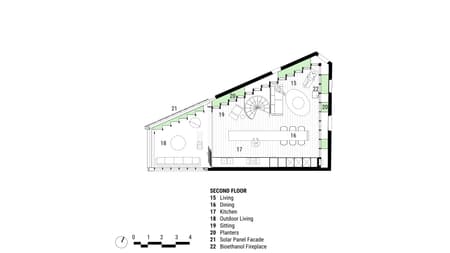
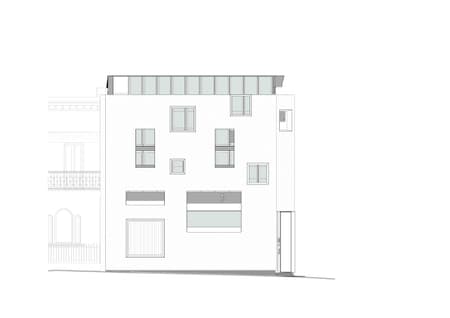
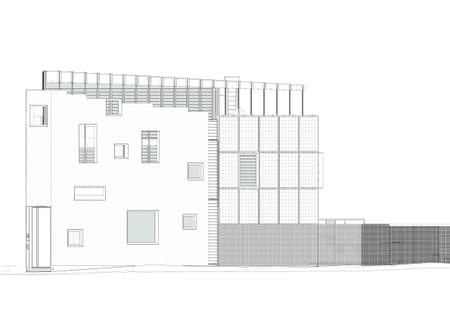
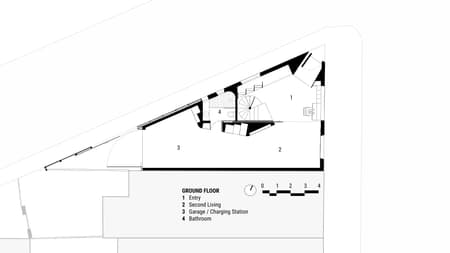
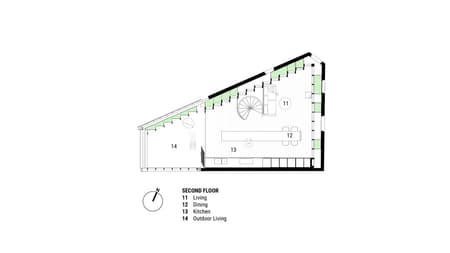
Welcome to the Jungle House is the holistically sustainable home of CplusC Architectural Workshop’s director Clinton Cole. The three-story home is built within a rejuvenated heritage façade of a long-unoccupied two-storey shop-top house sitting on a 98sqm triangular shaped corner site with north, east and west solar access and outlook. Existing openings are framed in pre-rusted Corten steel, juxtaposing new perforations through the outer rendered masonry façade framed in gloss white powder coated steel.
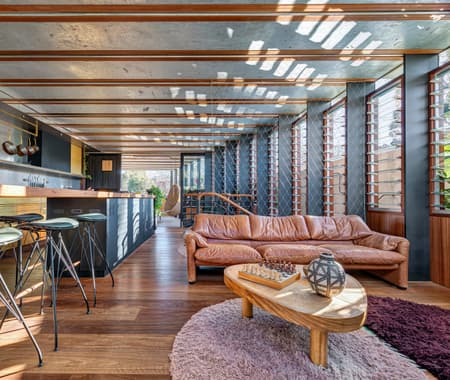
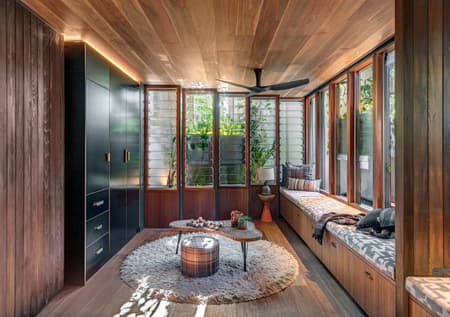
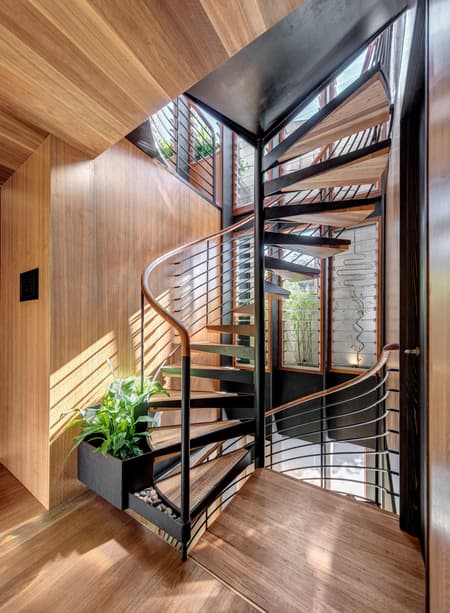
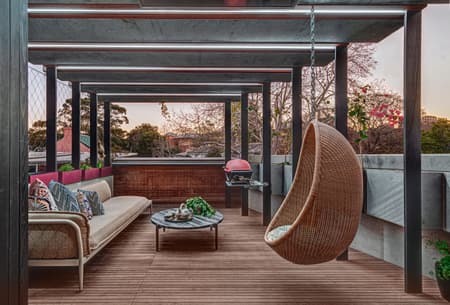
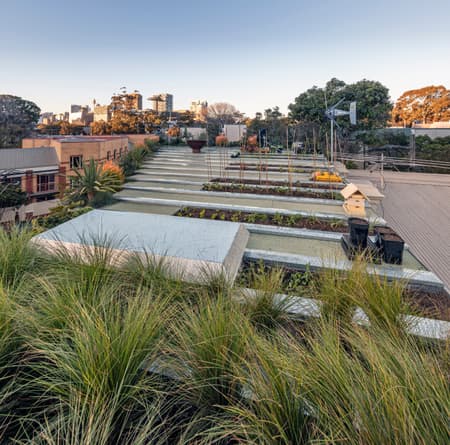
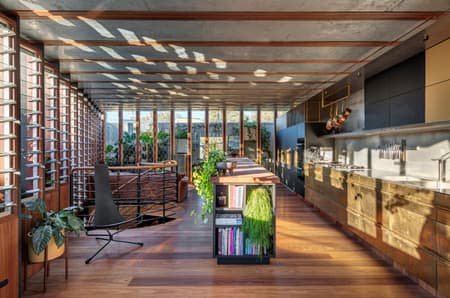
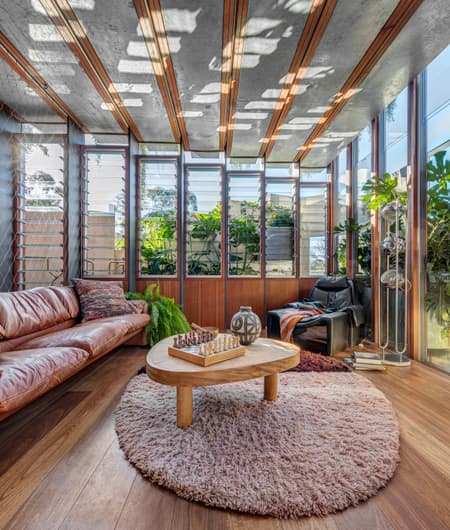
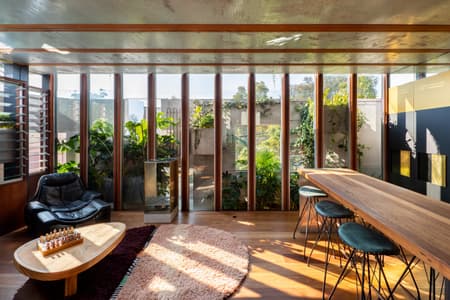
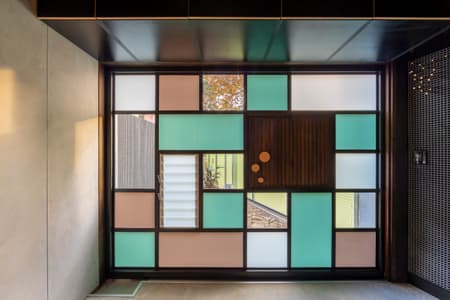
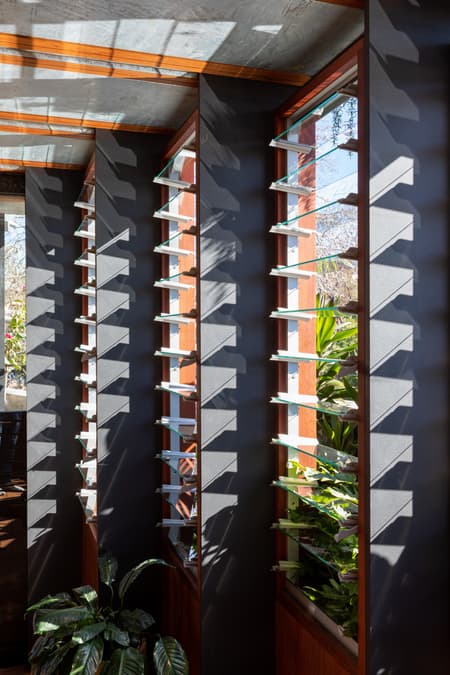
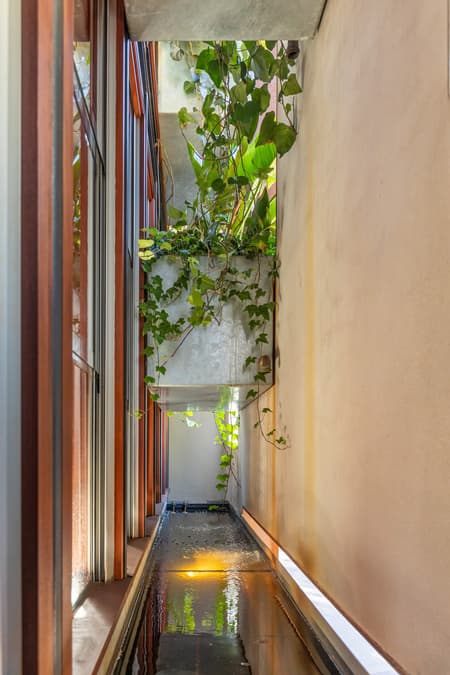
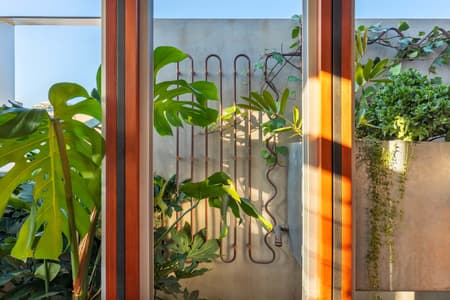
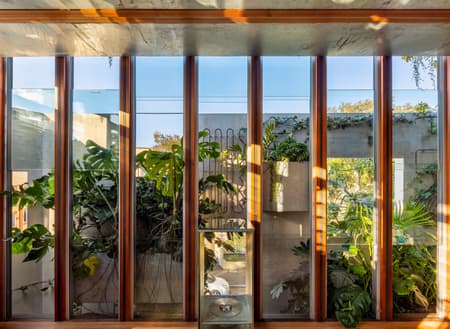
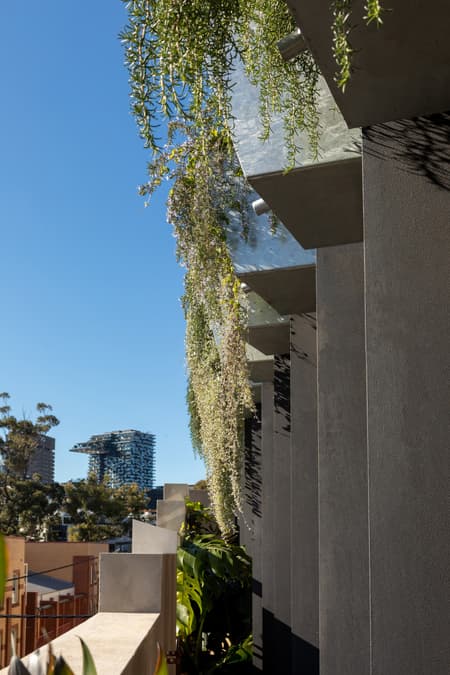
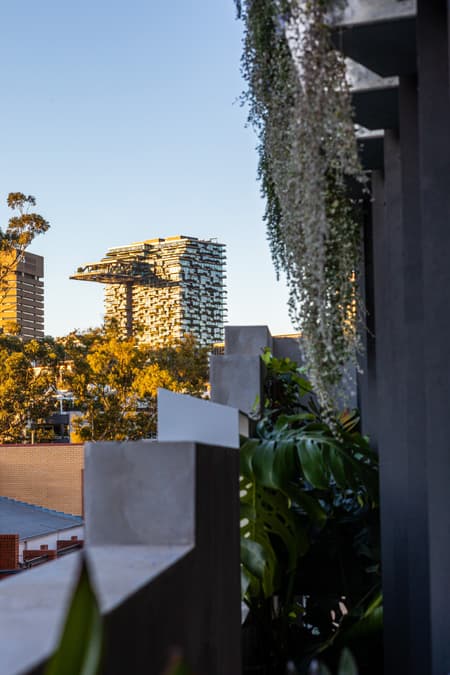
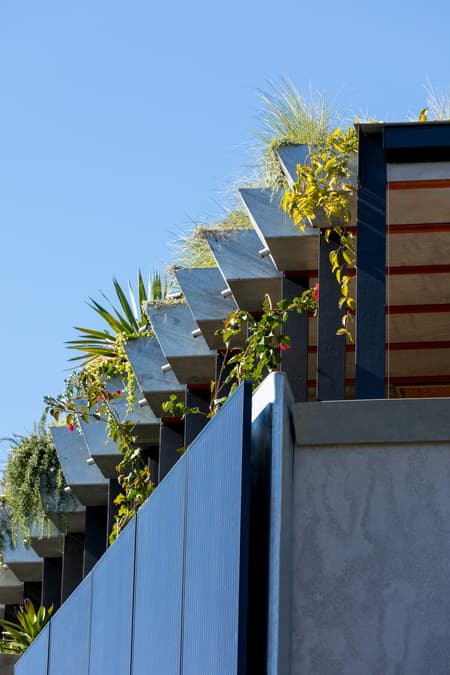
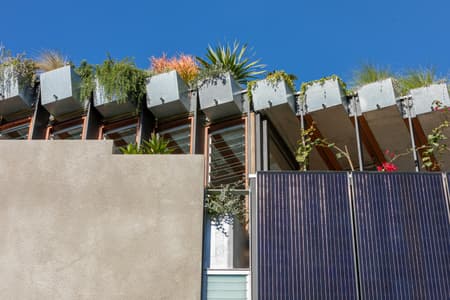
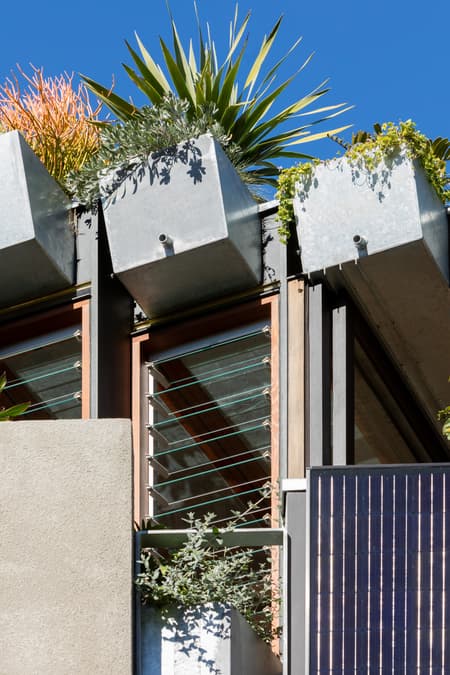
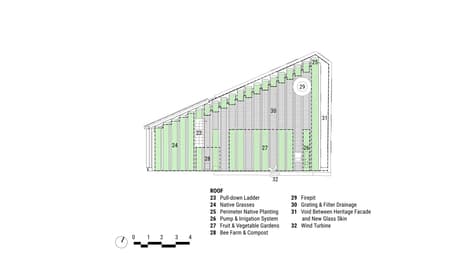
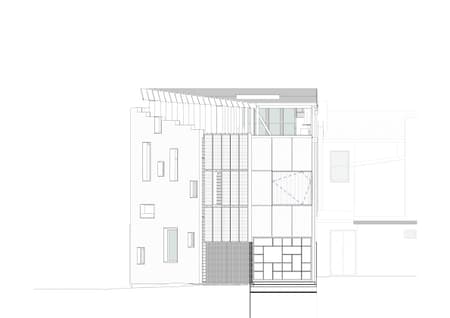
The interstitial cavity between the outer masonry and inner glass skin of the home provides an abundance of light, outlook, privacy and thermal regulation to the upper living floors. Galvanised steel planter beds provide the structural bracing between the two skins and are filled with plants that cool the incoming breezes via transpiration. A 1600L aquaponics fishpond is linked in a cyclical system to the accessible rooftop of planter beds, providing the native Australian plants and fruit and vegetables nutrient enriched water caused by the edible silver perch (fish) that inhabit the pond.
Clinton and his family have always been advocates of good design, architecture and sustainable living practices. They purchased the site with a vision of creating a home that would fulfil their lifestyle, ethical and emotional needs and be able to educate the public on how sustainable design and building practices can be adopted symbiotically with respect to architectural design, no matter how small the home may be.
The project was always going to embody the pure ethos of CplusC; holistically sustainable, educational to the public and perfectly liveable. The home needed to be flexible enough for a growing family and sustainable in all aspects; environmentally, socially and economically, without having to sacrificing the creature comforts that good architecture typically enjoys. The home also needed to be low-maintenance, and home automation played a key factor in ensuring the active sustainable systems could be maintained and implemented without imposing on day-to-day life.
Strict heritage controls restricted the modifications to the existing façade. This meant that instead of being a blank slate of a site, CplusC had to work with this existing façade to create a home that met all criteria of the brief while also satisfying Council’s heritage requirements.
The heavy masonry outer façade and inner glazed façade with a 600mm cavity containing an array of planter beds and vegetation proved very challenging regarding industry standard sustainability measuring software such as NatHERS and BASIX, designed as simple-to-use programs to gauge the passive and thermal performance of a standard brick or timber framed home as opposed to architecturally complex buildings with intricate passive and active sustainability principles and systems.
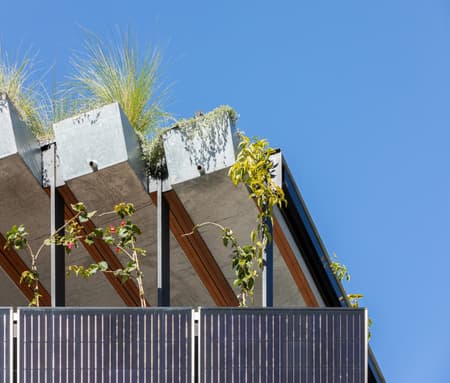
The photovoltaic panel façade was designed with consultation from the sub-contractor, ensuring that the installation would be without issue. Having the solar panels on the façade frees up roof space (vitally important on such a small site) for the rooftop native and vegetable garden.
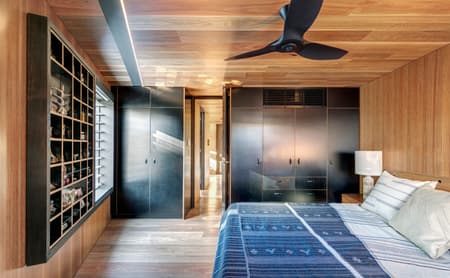
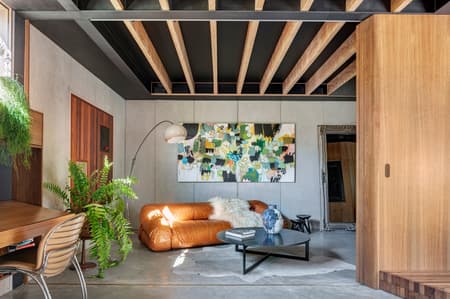
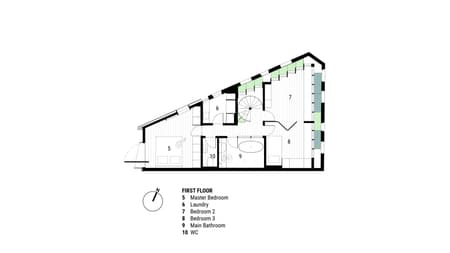
The project is littered with bespoke details that when considered collectively, create an incredibly sustainable house with an exceptional architectural outcome. The house is designed with flexible living spaces, adapting to the family’s growth in the house without needing significant renovations in the future - ensuring the home will last generations without need for demolition.
Designed with the building’s lifespan in mind, Welcome to the Jungle House is built to last. The steel structure, although higher in initial embodied energy, requires less maintenance and will long outlive the alternative timber structural elements. With careful orientation, the building intelligently reacts to the micro-climate of the location, heating the spaces with passive solar heating and thermal mass when needed, and cooling with transpiration-cooled predominant breezes when needed. The façade oriented photovoltaic system is fixed in place with a clip system, allowing panels to be serviced and/or replaced with future models that may have higher efficiency, meaning the home can adapt to the newest technologies in the future. Provisions are made for electric car charging as the popularity of electric cars continues to rise and reliance on non renewably fuelled vehicles lessens. Flexible spatial planning allows the house to be adaptable to the occupants’ lifestyle, however it may change, as the family grows. The rooftop garden and beehive provide abundant food for the family, who share the excess with friends and neighbours.
Welcome to the Jungle House was always going to be a project at the forefront of sustainability. The site is situated between both the University of Sydney Architecture and Engineering faculties and Redfern train station, meaning it sees thousands of passers-by a week, making it a perfect opportunity to design a building that not only functions as a house but as an educational tool to promote sustainable practices and concepts to those who will shape our future cities. The project was a successful experiment to see how a house on a small site (98sqm) could adopt as many sustainable principles and practices as possible without surrendering the luxuries of an architecturally designed home, and serves as an example to future clients how effortless sustainable practices can be in a properly designed and built home.