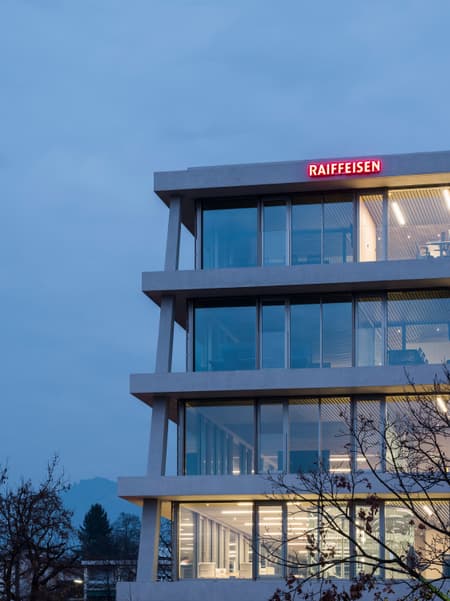
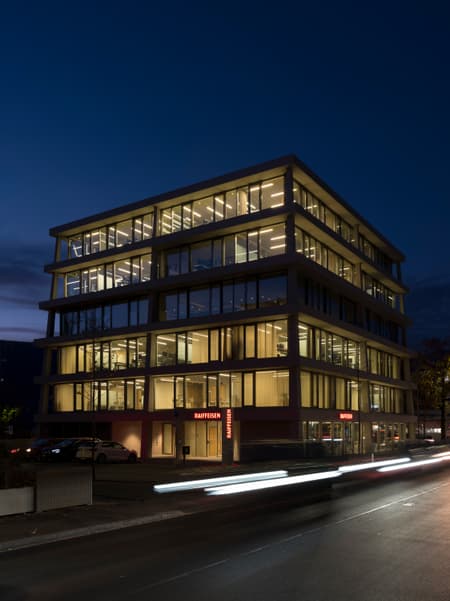
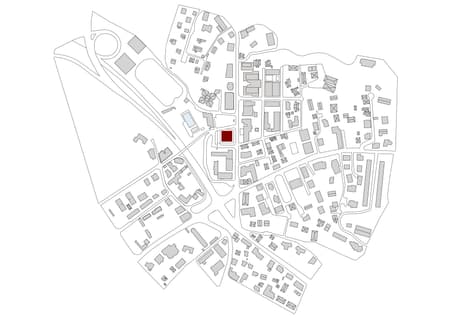
In Savosa, a municipality adjacent to Lugano, the new building of Raiffeisen Bank Colline del Ceresio has been completed, marking a significant milestone in the urban regeneration of the town center.
The project acts as a catalyst for a broader territorial transformation, reshaping traffic patterns, freeing the northern area from vehicular circulation, and restoring space and safety to pedestrians, thereby generating a new quality of urban life.
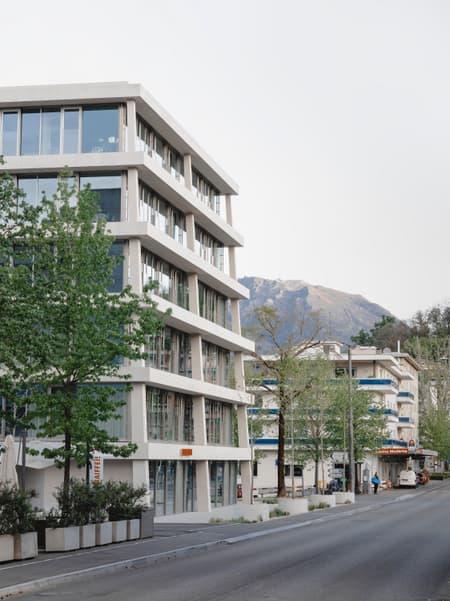
The building rises on an urban platform that will be extended in the future to accommodate the new town square, conceived as a hinge between the built fabric and the natural landscape. Within this balance between architecture and territory, the bank assumes the role of a civic landmark and place of encounter.
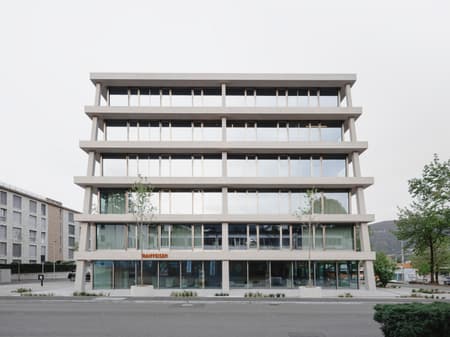
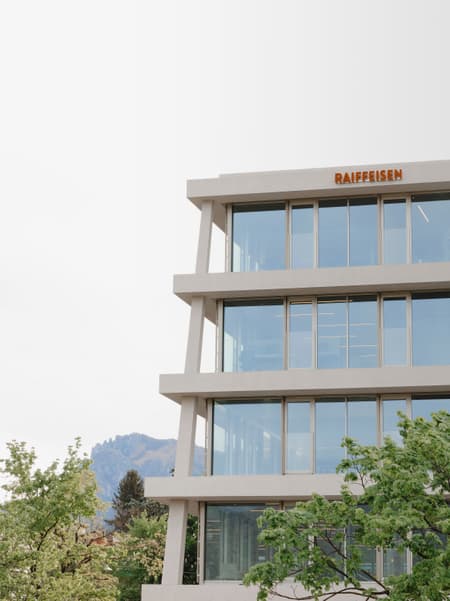
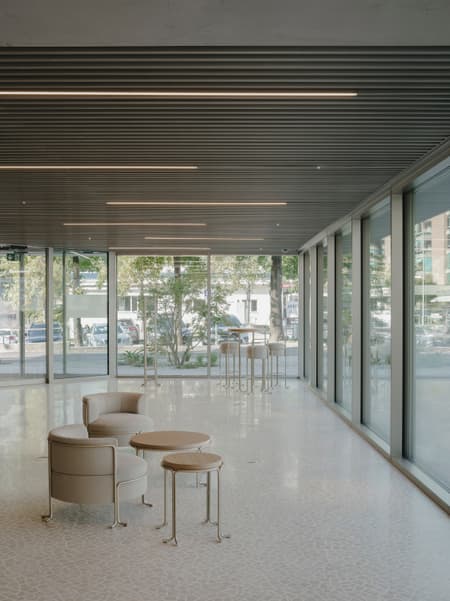
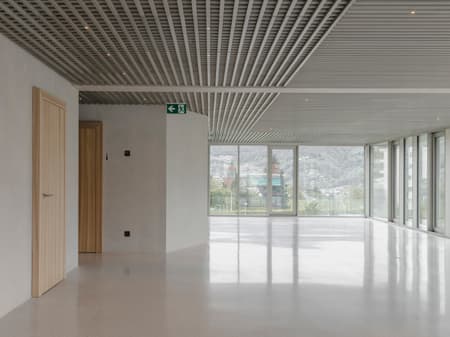
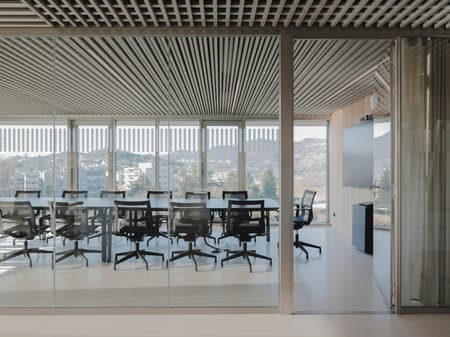
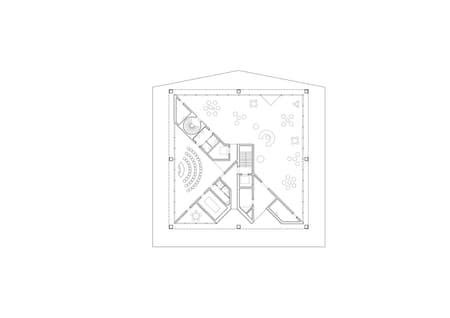
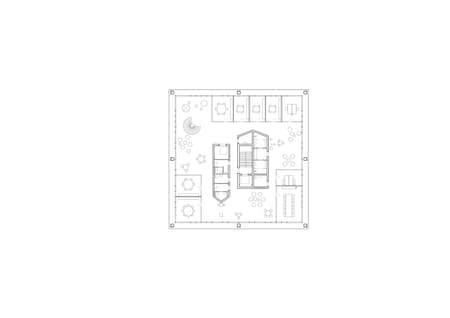
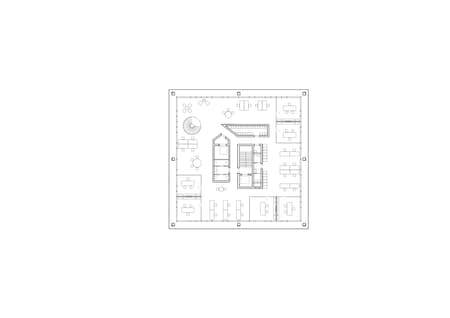
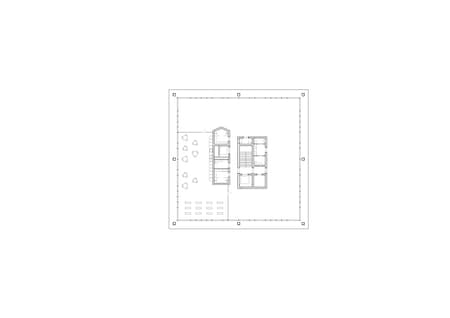
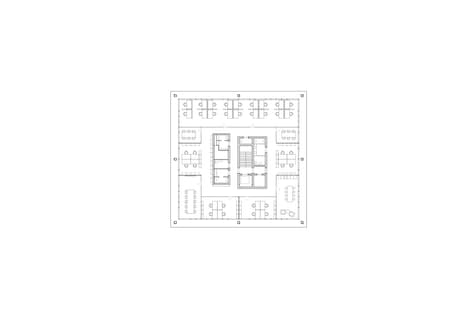
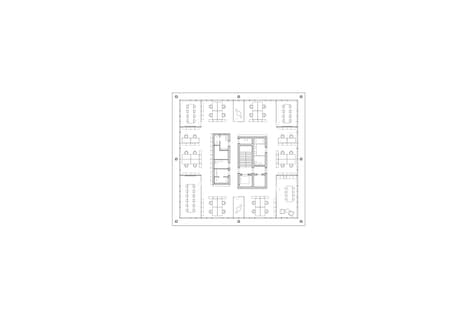
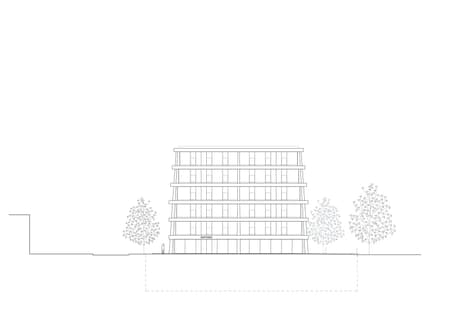
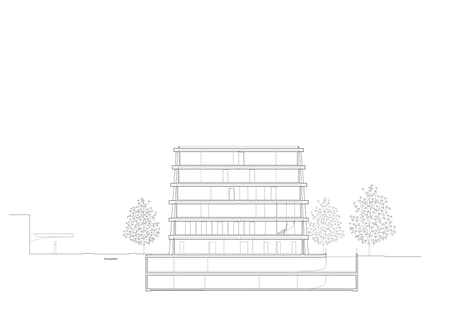
The square floor plan establishes a 360-degree relationship with its surroundings, engaging in continuous dialogue with the surrounding urban fabric. Eight inclined perimeter columns, tapering as they rise, support a volume that progressively lightens, as if reaching toward the sky. The structural frame, independent of the interior layout, ensures maximum functional flexibility, allowing spaces and uses to evolve over time. The ground floor, conceived as an extension of public space, dissolves the boundary between inside and outside, strengthening the bond between the building and the community.
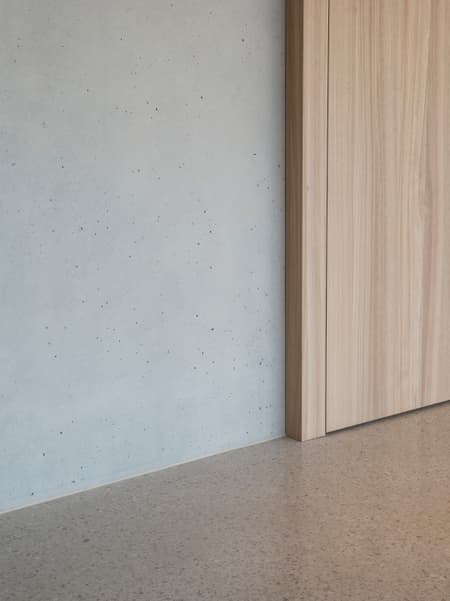
The construction approach is rooted in the idea of a material given new life. A key element of the project is the use of recycled concrete, recovered from demolitions and transformed into new building material. This choice, combined with a structural concept calibrated for material efficiency, has enabled a drastic reduction in embodied energy and the achievement of Switzerland’s highest ecological certifications: SNBS Gold and Minergie P-Eco.
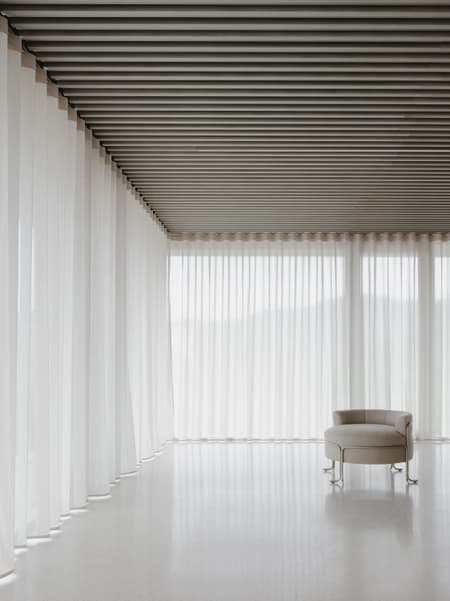
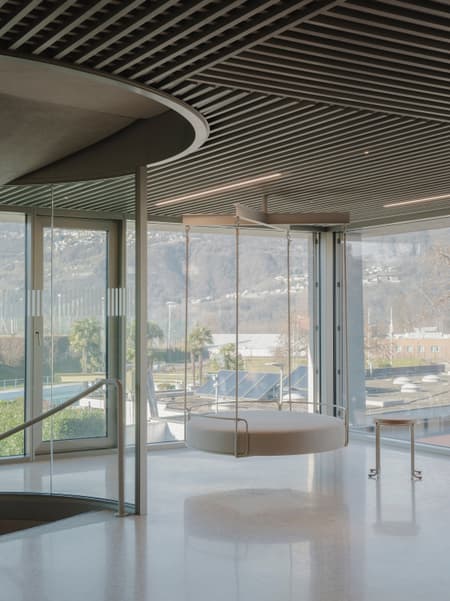
The SNBS system currently represents the most comprehensive sustainability standard in Switzerland, integrating environmental, social, and economic aspects. In this sense, the building is not only an example of sustainable architecture, but also a space of well-being: welcoming, luminous, efficient, and in harmony with the territory and the people who inhabit it.
Awarded for its vision, including recognition such as Best Architects 26 and inclusion in the Atlas of Sustainable Architecture 2024, the new Raiffeisen building in Savosa redefines the paradigm of the contemporary bank: no longer a closed enclosure, but a transparent, permeable organism in constant dialogue with the city.