Architecture Assemble + BC architects & studies Local architect ODA Material development Atelier LUMA + BC materials Bioclimatic Concept SYNEFF Consult Structure Betrec HVAC Betrec Contractors Atelier Kara, La pierre au carrée, Leem niscaat, Menuiserie Correze, Tanzi, CVI, Guintoli, Novacier, Calvo, Fernandez & fils, CKAT, Le village, Tonello Interior elements atelier blam, Lukas Wegwerth, Etablissement Brissaud, Association Le Village, Plâtre Vieujot, Atech, CSTB, CTTM, Ets Carré Construction site companies Tanzi, Guintoli NGE, Atelier Kara, SCOP La Pierre au Carré, Brique Technique Concept, Rachid Mizrahi, NOVACIER, Menuiserie Corrèze, CKAT Aménagement, CVI, CLP, CALVO, SNEF, SARL Fernandez & Fils, Het Leemnis caat, Briseno, Tonello, Citynox, Apte, Associati Building labelling Envirobat BDM, Scop DOMENE, Estenea, Adret, TERAO Garden Chris Posma SYNEFF Consult, COLDEP, TPF-I, Marie Marquet, Florent Valentin, Dominique Cardon, Véronique Mure, Genre, Agence PAYSAGE
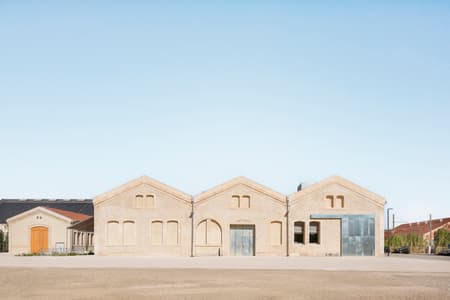
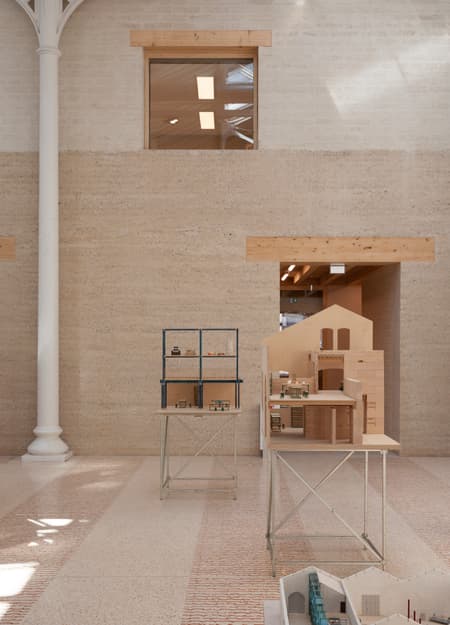
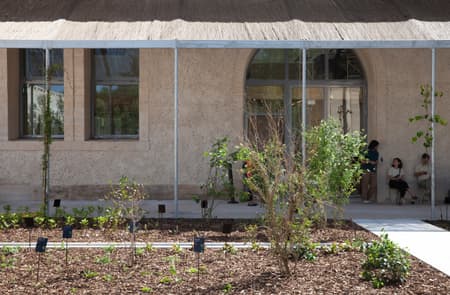
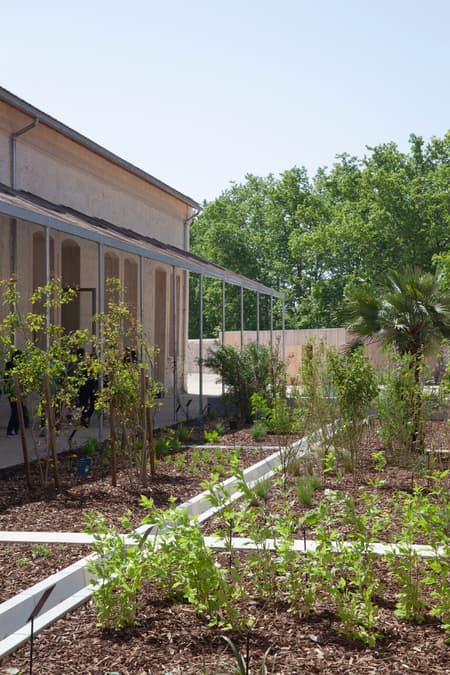
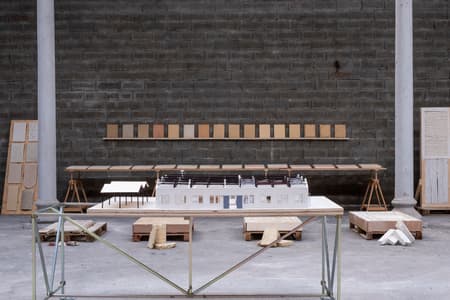
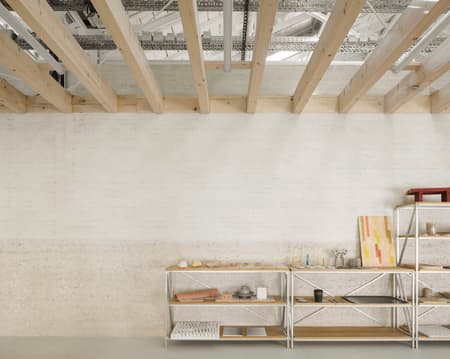
The Lot 8 project is a collaboration between BC architects & studies & materials, Assemble and Atelier LUMA. The "Magasin Electrique is a 2100m2 former 19th century train depot building, and has been renovated to provide a new workspace for the design and research laboratory Atelier Luma, including workshops for timber, metal, ceramic, and textile, alongside dedicated algae and mycelium laboratories, meeting rooms, desk and production space, library and resource centre.
Atelier LUMA is the design research program of LUMA Foundation. Based in the Parc des Ateliers in Arles, France, since 2017, it is deeply connected to its geographic and cultural environment: the Camargue region, the Alpilles mountains, and the Crau plains
"Through investigating the resources and know-how in our bioregion, and connecting different fields of expertise, Atelier Luma develops local solutions for ecological, economic, and social transition
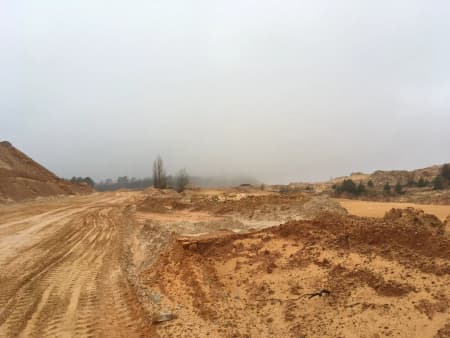
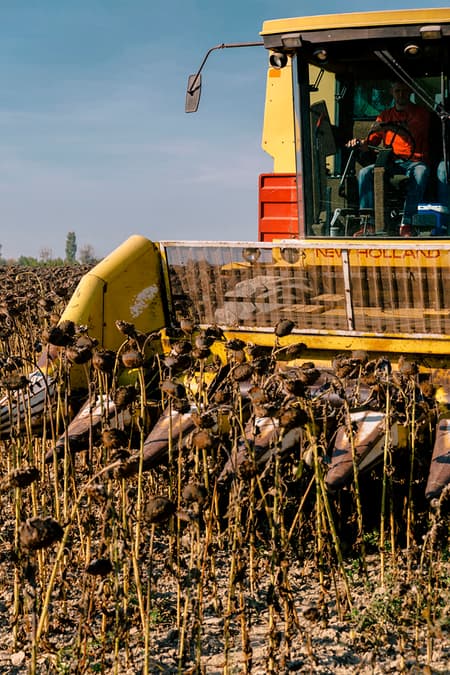
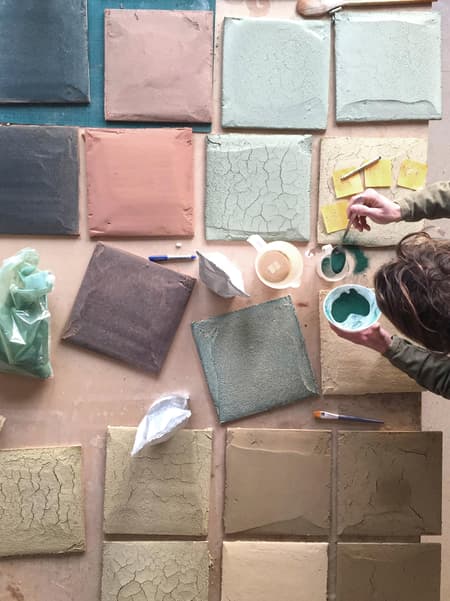
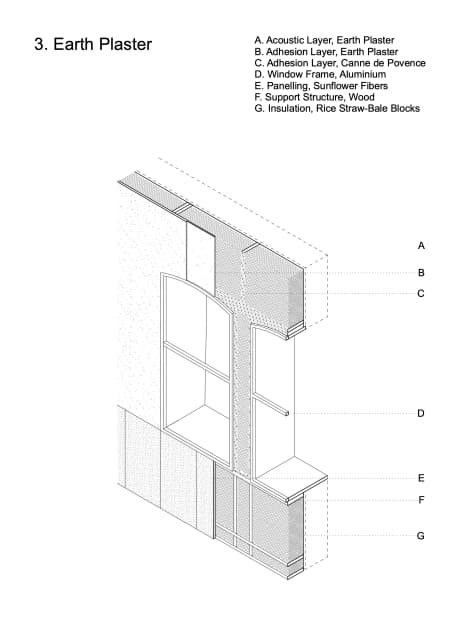
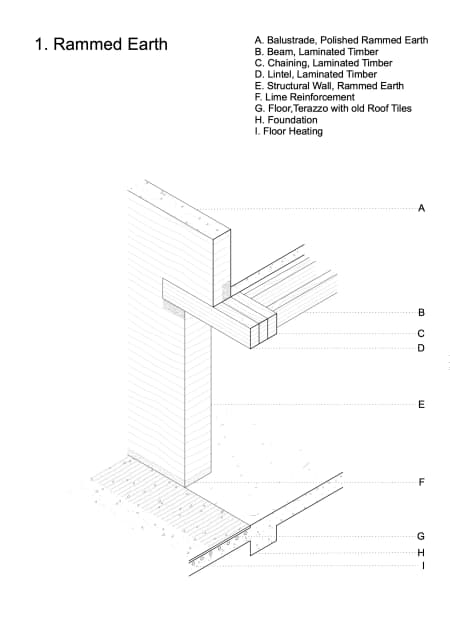
Working in close collaboration, the team set out an ambition to create a flagship piece of bioregional design, presenting a new attitude towards materials, promoting and highlighting innovation in bioregional design practice. The project is developed in collaboration with local stakeholders, it is drawing from regional know-how and resources, and it aims to create lasting impact through training programs and transmission projects