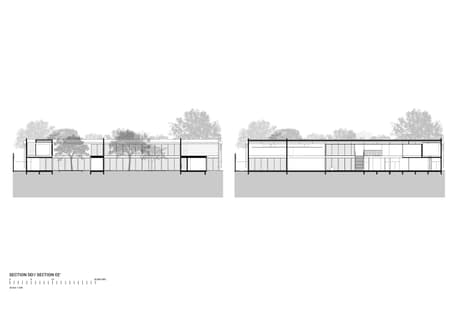
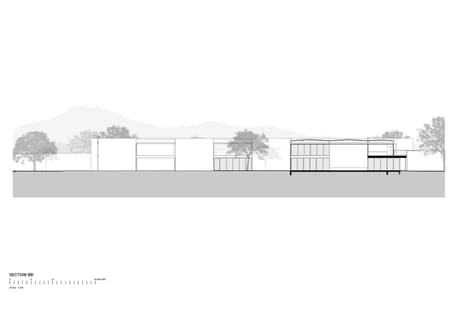
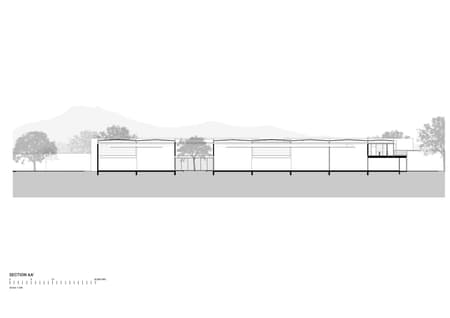
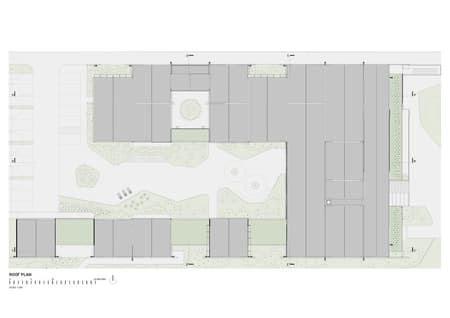
Located in Rio de Janeiro, the Casa do Pontal Museum houses the largest and most significant collection of popular art in Brazil, arrayed through more than four decades worth of research done by its founder, Jacques Van de Beuque, a French designer. For many years, the Museum was settled in an old house in the Recreio dos Bandeirantes neighborhood, transformed into an exhibition space with remarkable geography and amid exuberant natural landscapes.
In 2014 the Museum began to suffer the impacts of the urbanization and densification processes of its immediate surroundings, notably due to the construction of a large vertical condominium built in view of Rio’s Olympic Games. This operation modified the natural landscape and filled the delicate system of drainage channels, causing new roads and neighboring constructions to be built 1.5 meters above the museum’s site which was, as an effect, threatened with the risk of flooding. Thenceforward, said scenario became frequent. After years of struggles and efforts of protecting its facilities and precious collection from imminent risk, Rio’s City Hall granted the Pontal Museum a new plot at Barra da Tijuca, along part of the resources for constructing a new building, which was made possible both through partnerships with companies and crowdfundings.
Pontal Museum: strategies for reinventing the landscape
The original buildings that used to house the Museum presents an architecture of delicate figure, one which relates to different instances of the landscape. Its main character is expressed in the way it establishes a graceful synthesis between remarkable landscaping and austere buildings of non-monumental scale, conceiving a sense of respect and carefulness towards the powerful delicacy of the institution’s collection. The integration between a simple and almost vernacular construction, and a landscape, partially natural, partially built, that takes place through different scales - the garden and surrounding mountains -, is the ground principle of the ambience that characterizes the Museum and distinguishes it from other museums of similar scale. Thus, the simultaneous reinvention of the landscape that takes place during the construction of the new Museum is just as important as the new building itself, for it redefines all its attributes in order to build a Museum that not only houses the collection, but also reinvents its relationship with the place.
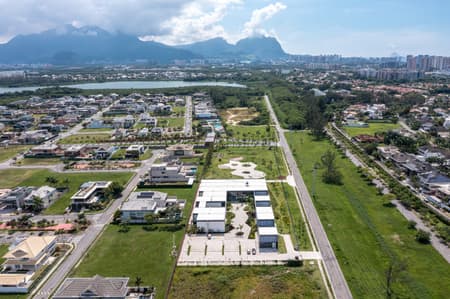
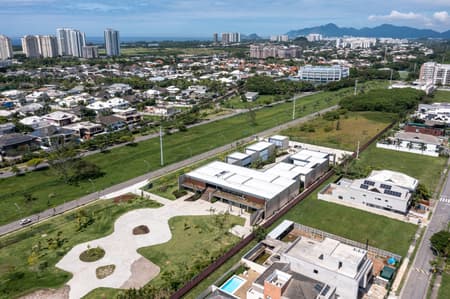
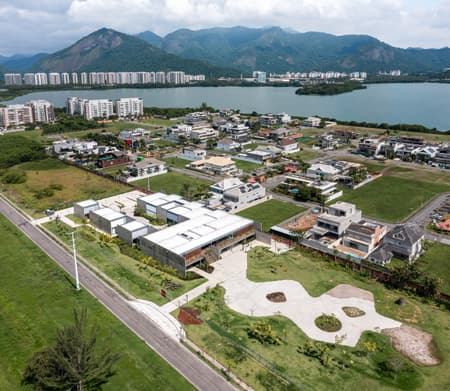
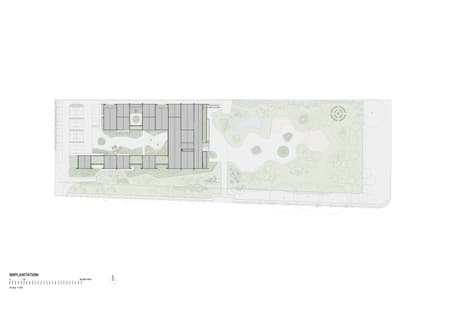
Unlike the original headquarters in Recreio dos Bandeirantes, the new site at Barra da Tijuca grants a support of neutral condition, or a blank slate: regular geometry, flat topography, absence of significant vegetation, uninteresting immediate views, but farther views seen from higher points that could, in fact, be interesting. Thus, it is an abstract flat site where there is hardly any notable landscape. This meant that building a new Museum there would require a simultaneous construction of the place itself, or a new interweaving of reinvented landscapes, at their most various scales. As a result, the new Pontal Museum design is defined through the recognition of particularities that portray, on one hand, the original museum’s ambience at its original site and, on the other hand, the landscape and geography of the institution's new address.
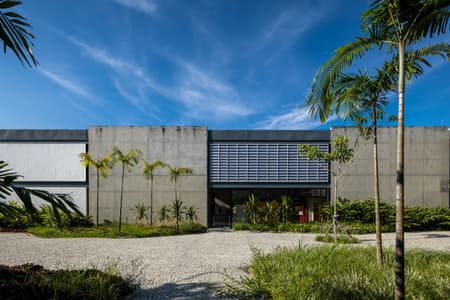
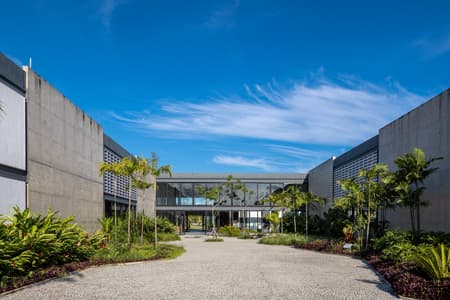
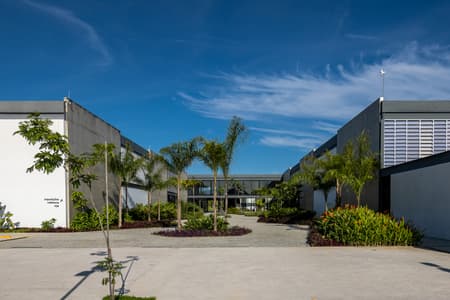
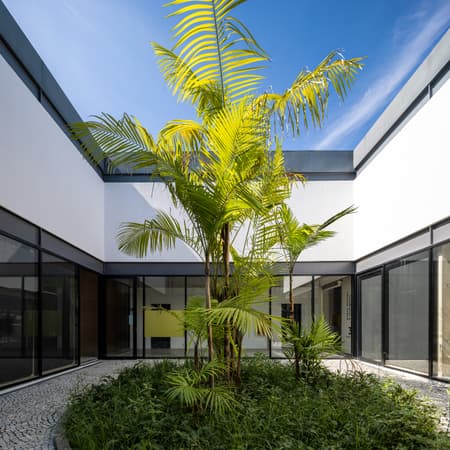
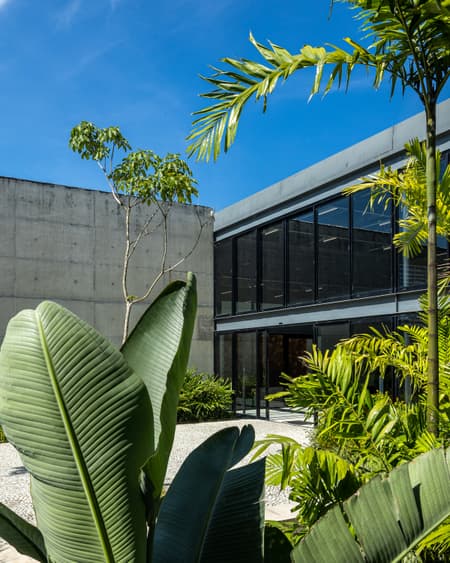
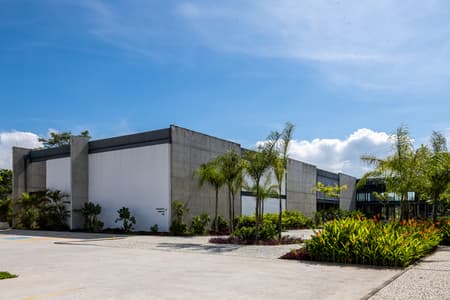
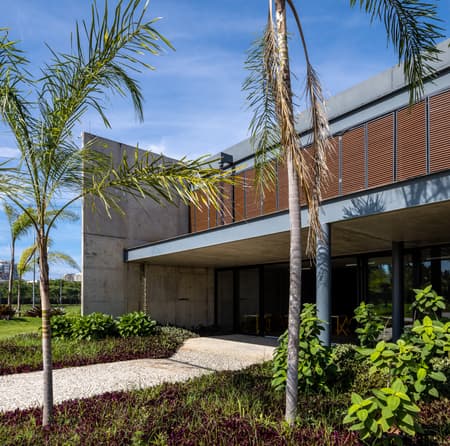
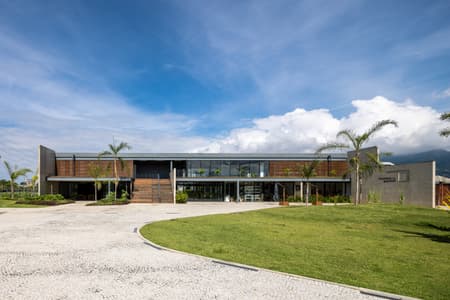
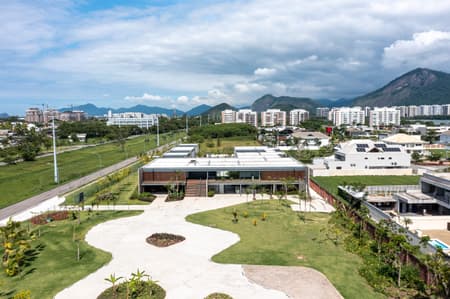
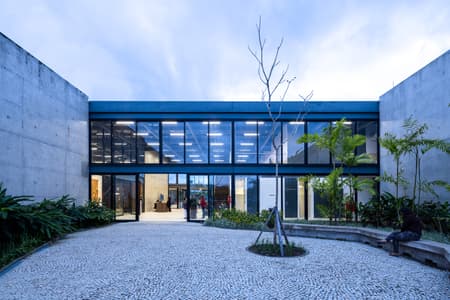
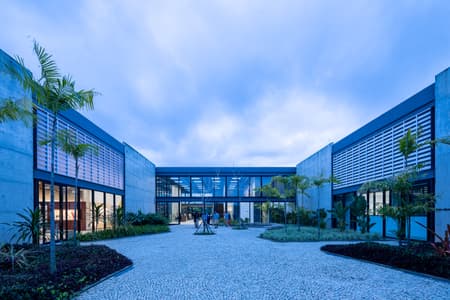
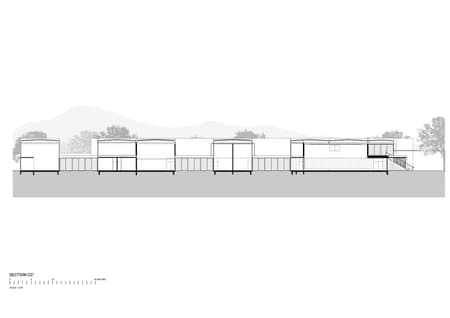
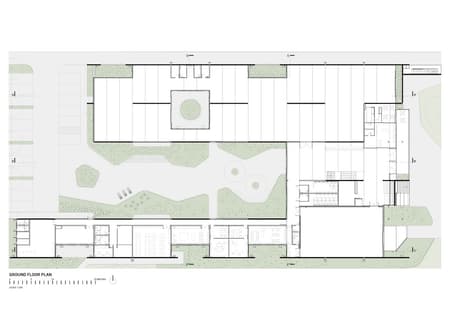
The new project reinterprets said interaction between architecture and landscape through a careful control of the new building’s scale, when viewed from a distance, as well as a thoughtful study of the internal spaces sequence which alternates indoors and outdoors, introducing patios and gardens amidst the built volumes in order to provide a qualified experience of the exhibition and its permanence spaces. The new building and its gardens are conceived from the intertwinement of these different landscapes: the building itself, on a welcoming scale; the gardens, that constitute open-air non-programed spaces, perceived rather as a park; and the connection to Rio de Janeiro’s remarkable geography through intentional views of the surrounding extensive landscapes, chief amongst them the set of mountains known as the Sleeping Giant.
The architecture: brute delicacy, intervals and discoveries
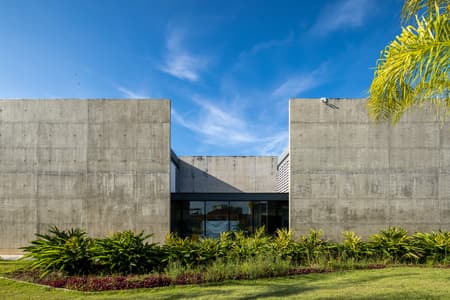
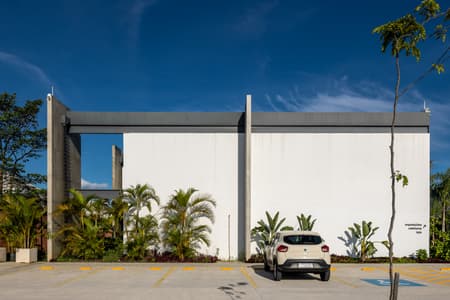
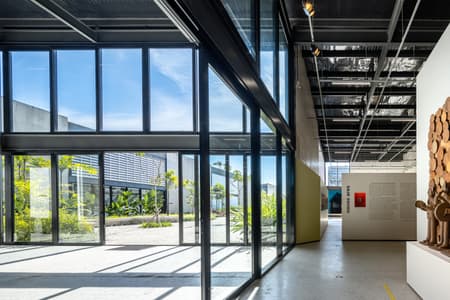
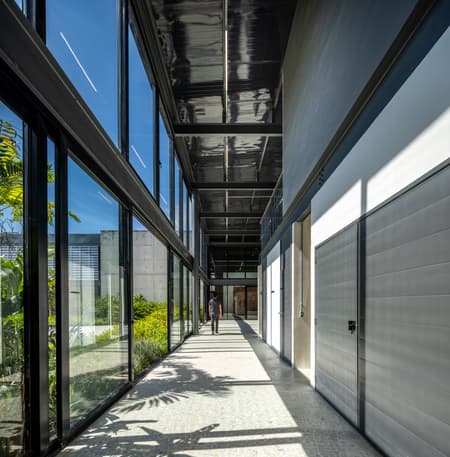
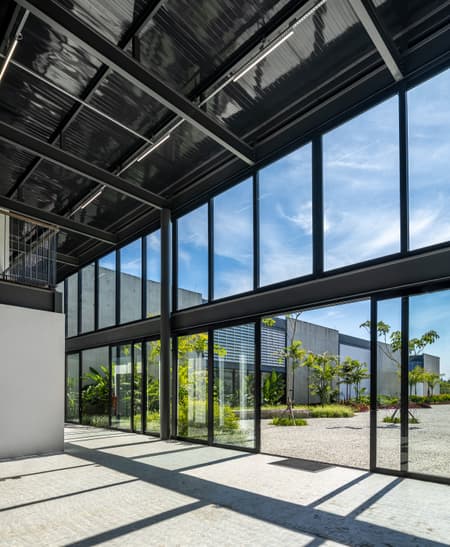
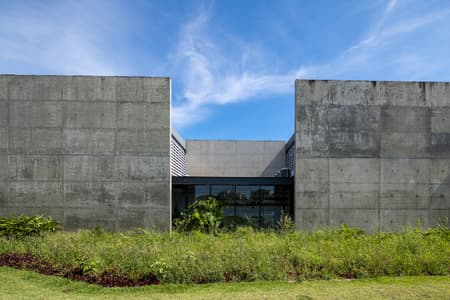
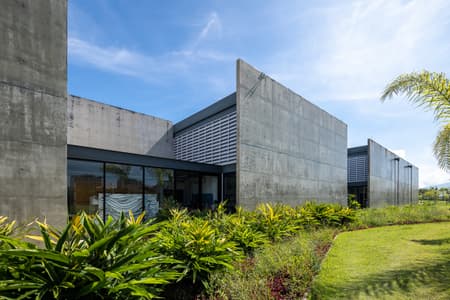
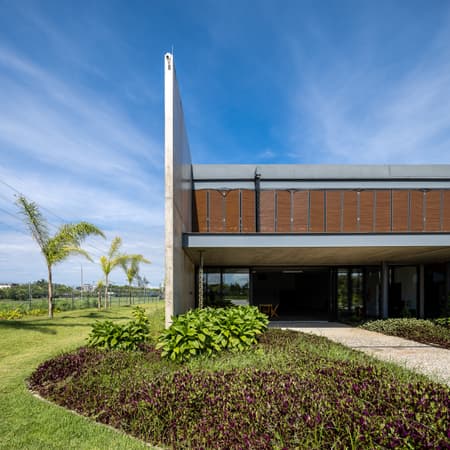
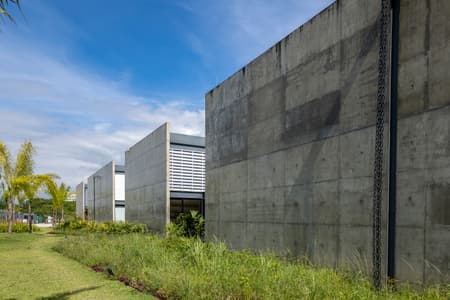
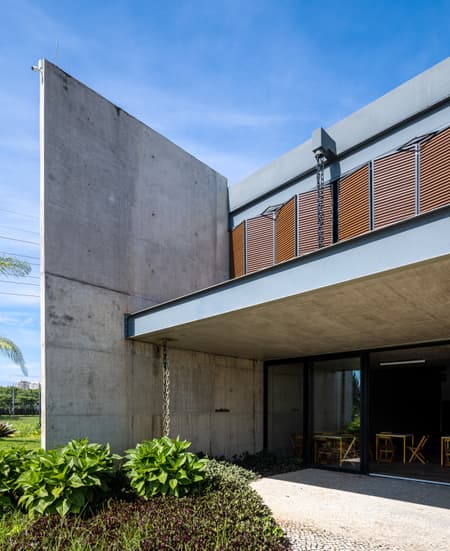
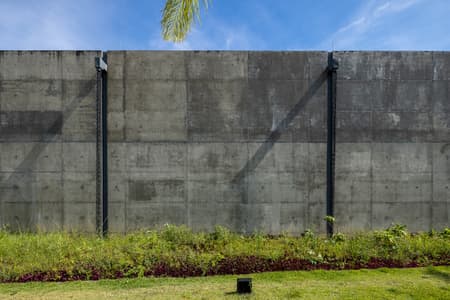
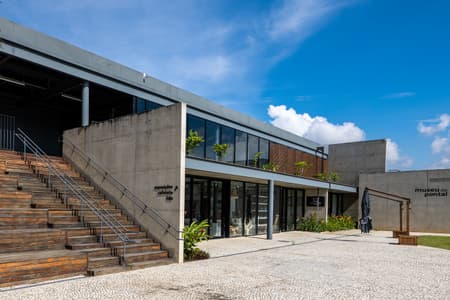
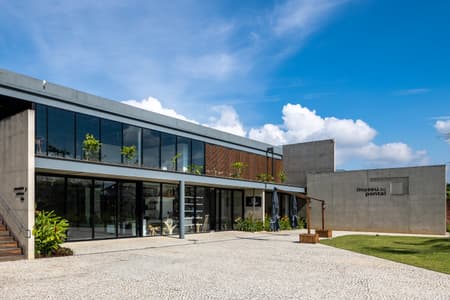
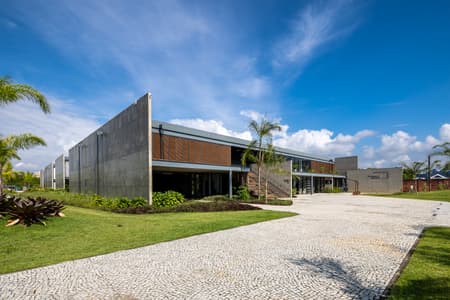
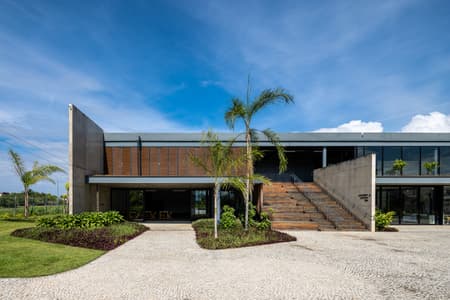
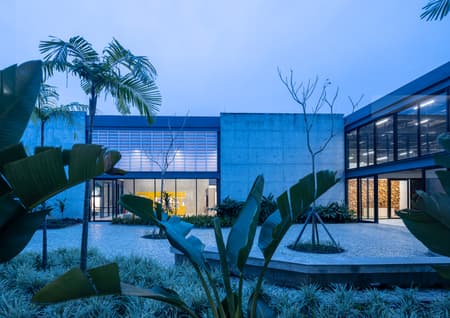
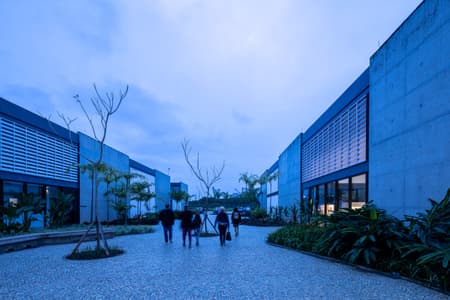
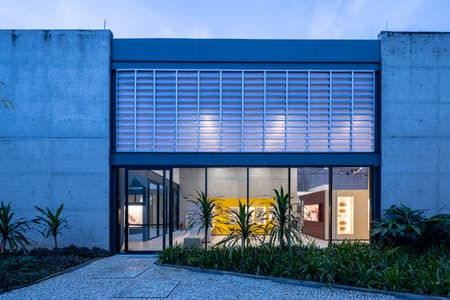
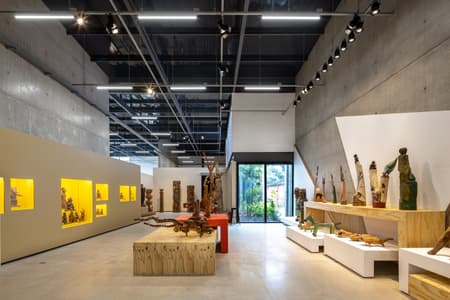
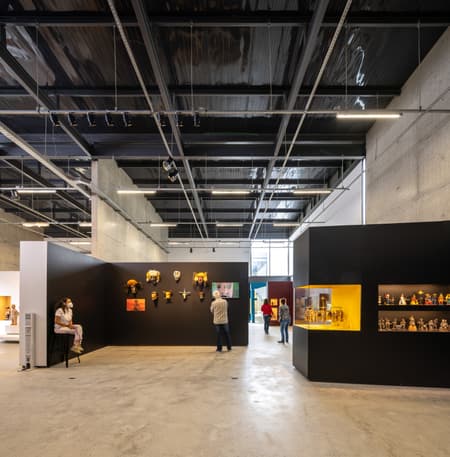
Added to this scenario of interweaved landscapes, a materially simple and straightforward architecture was proposed in order to reinforce the delicacy of the collection, whilst still being striking and powerful enough to not disappear amid the pulverized surroundings of single-family houses. For this reason, the facades are fragmented, alternating built volumes with gardens that improve the exhibitions ambiance and granting intervals along the exhibition narratives to serve as glimpses of the exterior world. On the other hand, the scarce palette of materials - concrete, wood, glass, Portuguese stone pavement and vegetation - reinforces a sense of intimacy for those experiencing the collection.
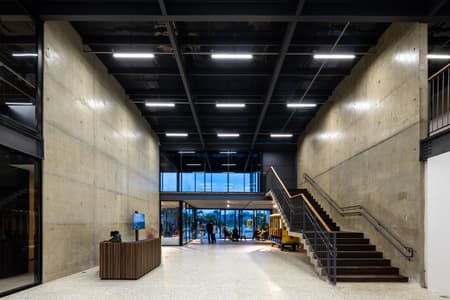
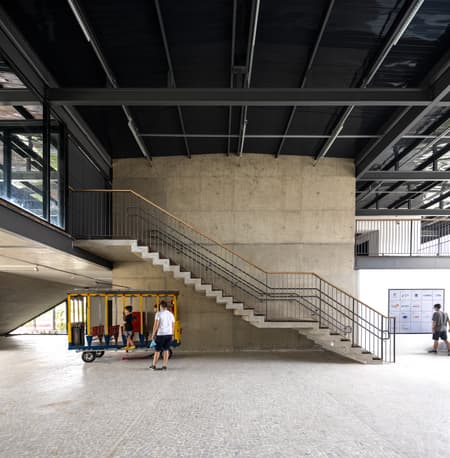
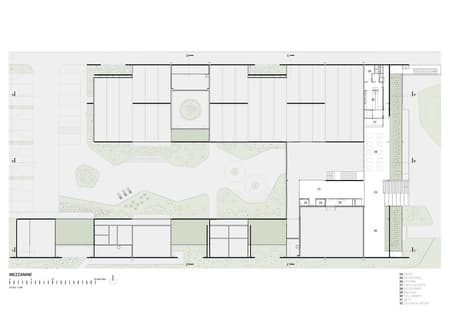
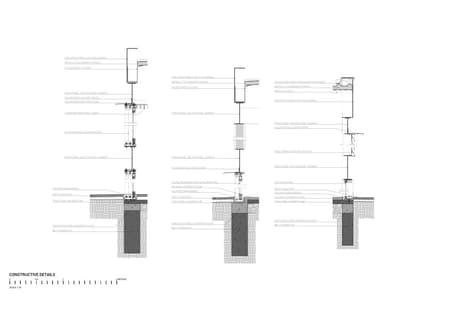
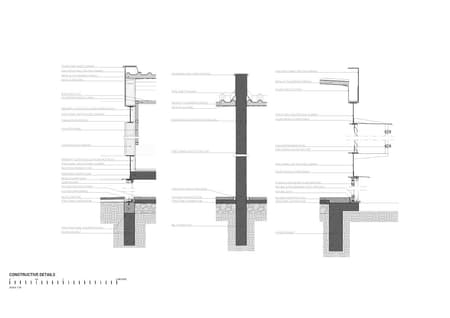
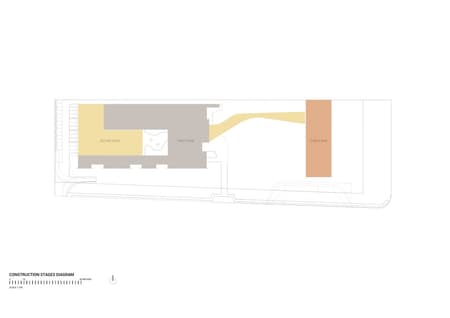
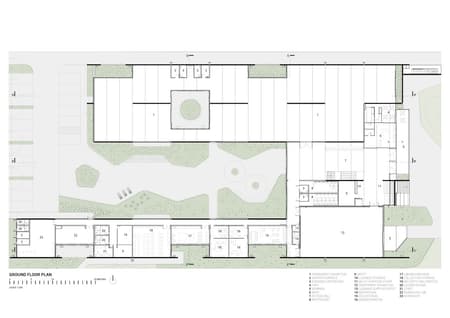
The entire building is conceived through a modular constructive logic that articulates reinforced concrete walls, steel beams and lightweight enclosures, creating an environmental system that not only houses the current program foreseen by the Museum, but can also easily adapt to new demands. These elements are arranged on a 9x9m grid creating a controlled alternation between indoor spaces and outdoor gardens, single-height and double-height rooms, serviced and servant areas. Conceiving the building as a system rather than an object expands its possibilities of use, its margins of freedom explored by its user and consequently its lifespan. This way of reasoning also allows the construction to be modulated through time, thought through stages that can keep up with the development of the institution itself. Thus, the new building now open to the public is just the first stage of a living structure and a changing landscape.
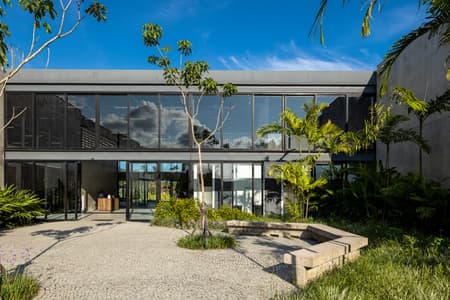
Both in this phase and in its final completion, the central courtyard acts as protagonist, and is integrated to the reception to temporary exhibitions. The exhibition route, punctuated by moments of controlled interaction with the gardens, foresees a great diversity of spaces in terms of proportion, light, height, introspection and openness. Multiple doors allow the institution to pick different curatorial strategies and different organizations of exhibit spaces. The concentration of administrative and technical spaces along the south and west facades provides an optimization of flows, qualifying the workspaces by granting them direct interactions with the garden. The technical flows for warehouses, assembly and loading and unloading areas are equated through wide accesses that allow direct connection to the exhibit rooms.
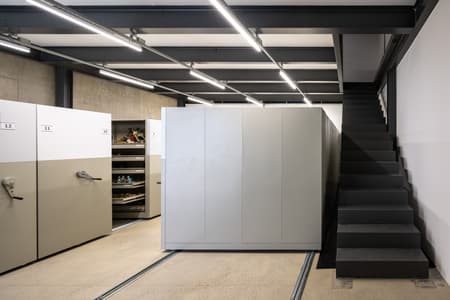
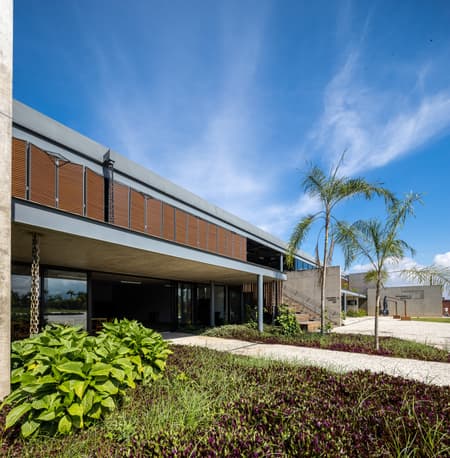
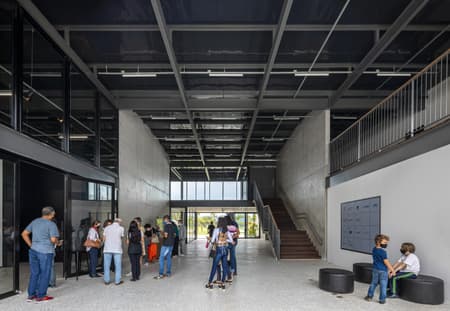
The high-ceiling deposit space seeks to enable future expansion of deposit and technical areas in simple and economical ways through the implementation of metallic mezzanines, a resource that can also be applied to other areas around the Museum. The central location of welcoming spaces articulates different accesses to exhibition and infrastructural spaces. The reception’s floor, a semi-polished Portuguese stone pavement, acts as a continuation of the pavement from the arrival square, emphasizing the continuity between interior and exterior realms. In the second floor, a generous balcony that works as an extension of both the restaurant and the playroom, improves the visual interaction with the gardens and the distant landscape, mediated by panels of movable louvers that control sunlight and also contribute to the characterization of the Museum’s external image.
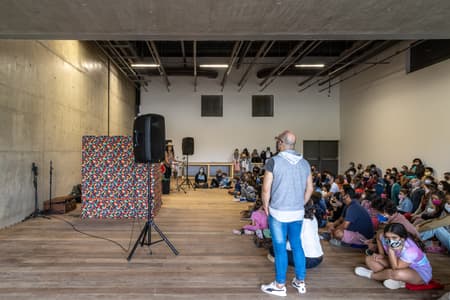
Throughout the first months of its operation, an intense visitation positively changed the place, which was up until that point characterized by a very low density and predominantly residential occupation. The intense activities are transforming the complex into a new cultural destination in the city of Rio de Janeiro. The implementation of the gardens, as well as several cultural actions of the museum, have been carried out through crowdfundings, which also play a part in contributing to the construction of an affectionate relationship between the public and this new place, permanently under construction. This museum, through its intertwinement between architecture and landscapes, pays homage to the words of Roberto Burle Marx: “Time completes the ideas.