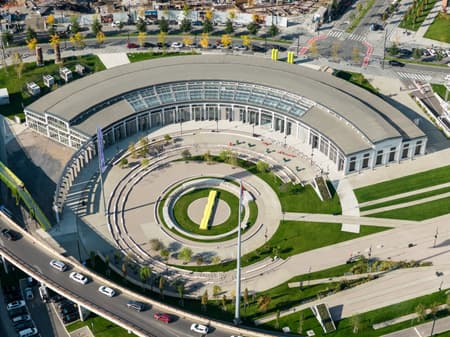
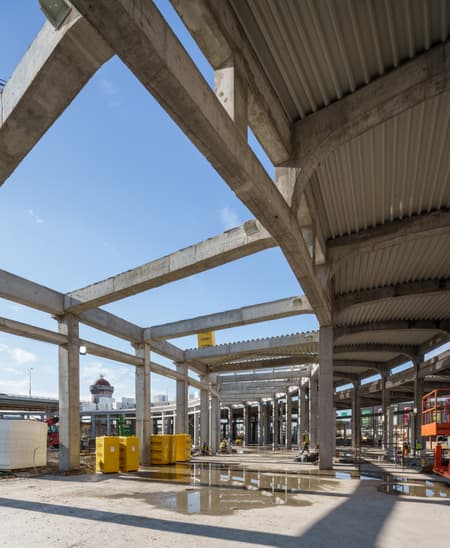
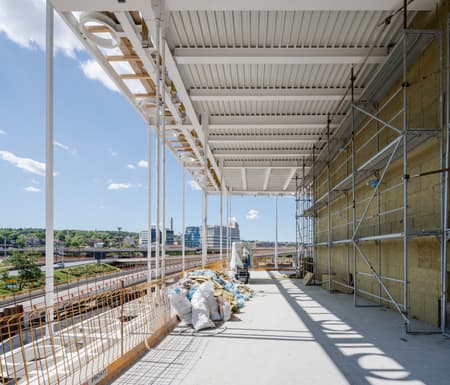
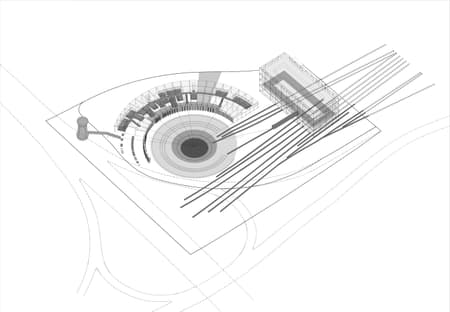
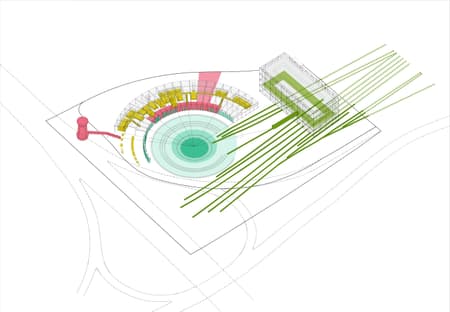
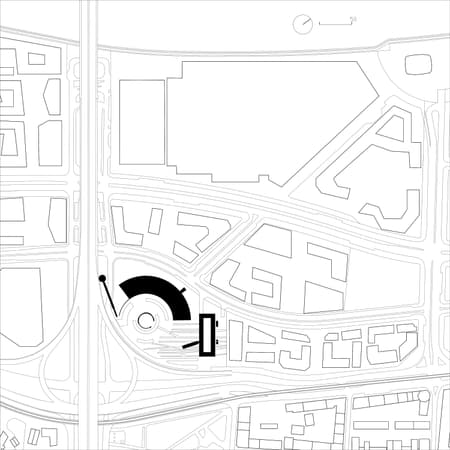
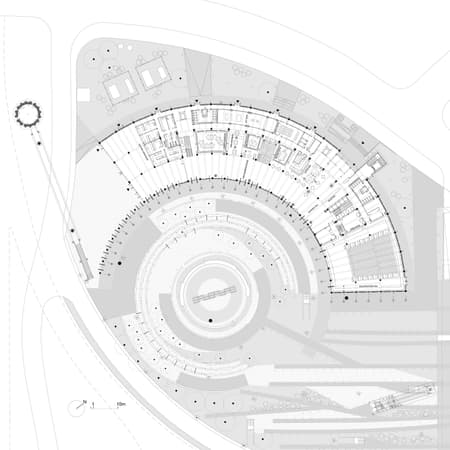
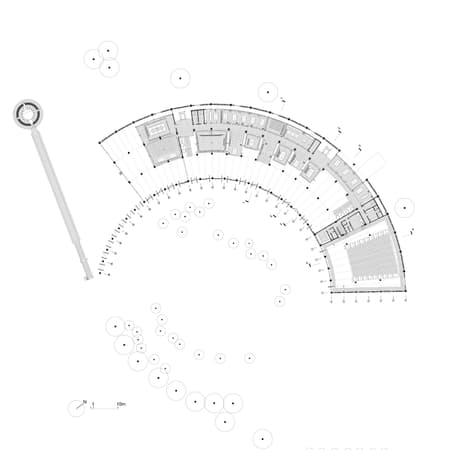
Ložionica’s revitalization project transforms Belgrade's historic railway site through adaptive reuse and new structures, offering a unique mix of offices, public spaces, and cultural programmes within a challenging urban context. The site represents a few of the remaining industrial heritage mementos of Belgrade riverfront area that has been undergoing significant urbanization during the past few decades. This led to the announcement of an open architectural competition in 2021 by the Office for IT and eGovernment of the Republic of Serbia and the national platform Serbia Creates, organized by the Association of Architects of Serbia. The brief asked for a new home for all creative industries to meet under one roof, a multifunctional open public space, and the addition of one new mixed-use office building.
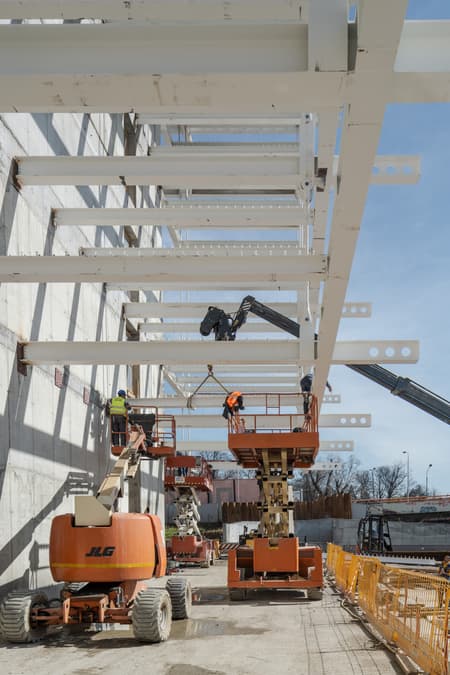
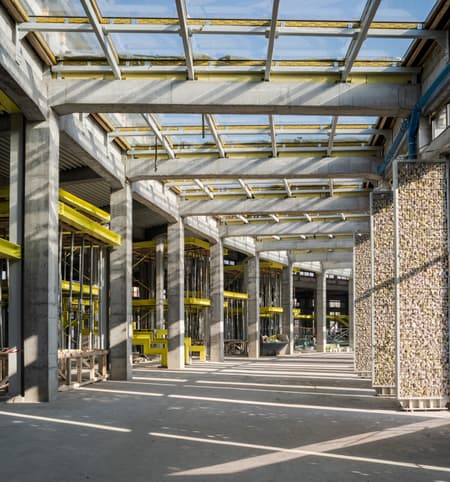
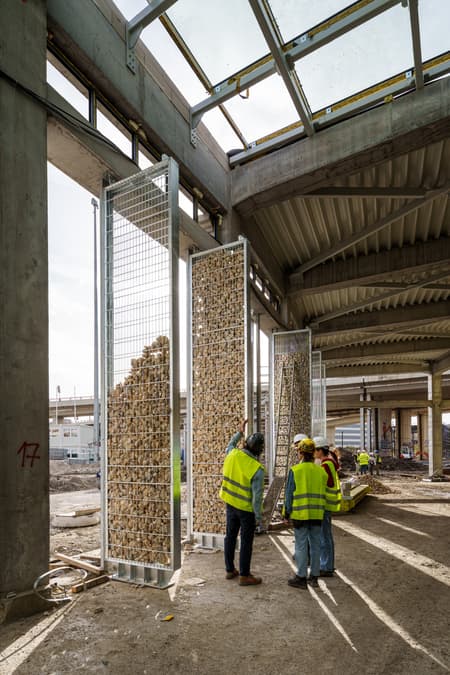
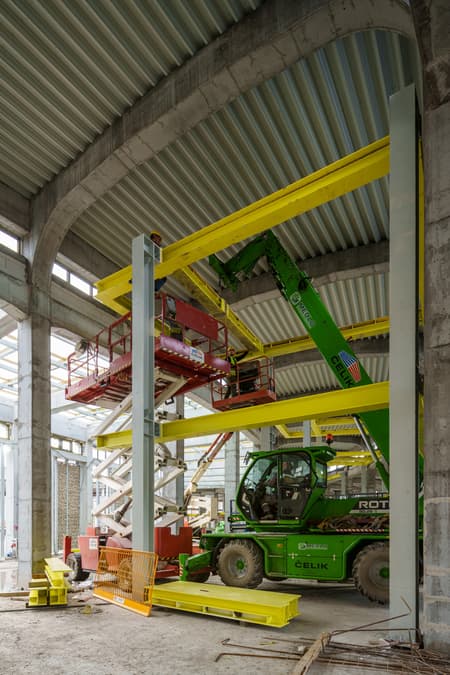
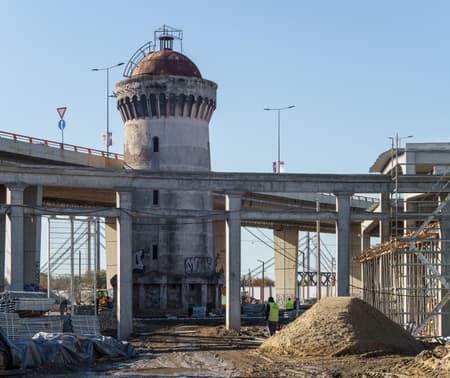
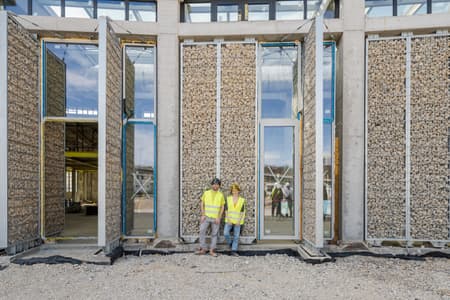
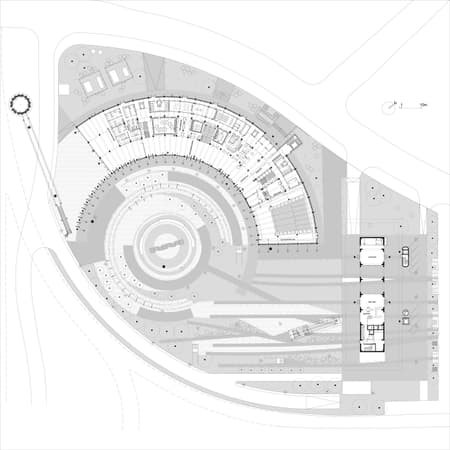
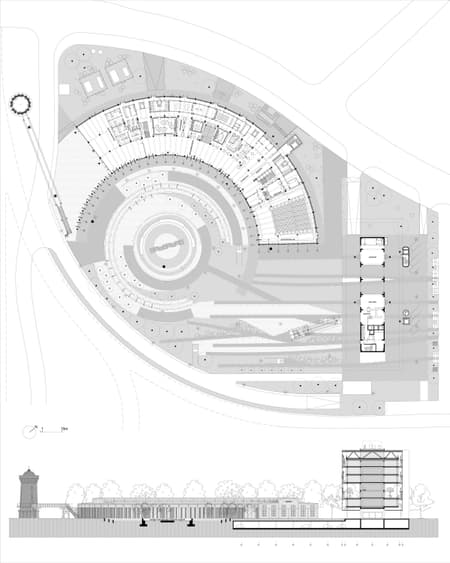
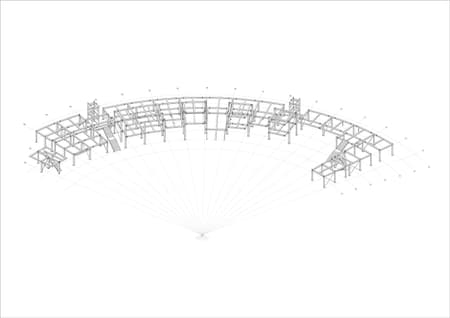
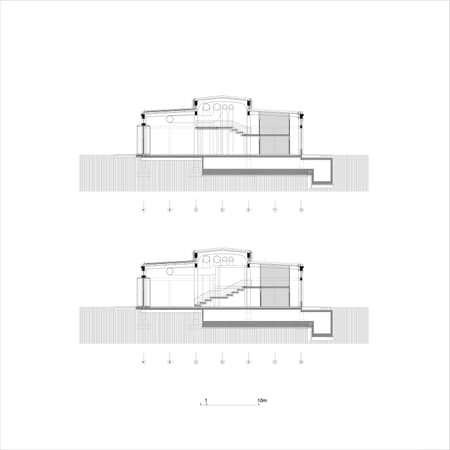
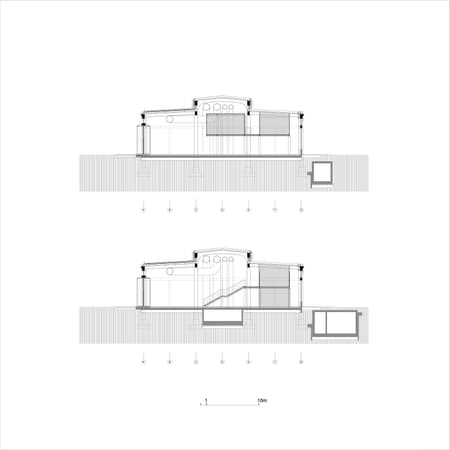
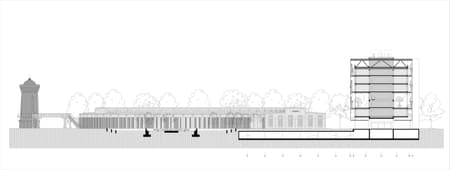
The winning competition design by AKVS architecture envisioned new architectural elements that, like modern implants, contribute to the healing of the whole. The original space of a one-hundred-year-old boiler room is preserved in its full height and authentic proportions, without divisions. It features three key interventions by the architects: an independent yellow-steel gallery for additional working areas, large gabion panels at multiple entry points, and a glazed roof at the heart of the building. Steel terraces of the new gallery levitate at different heights within the voluminous industrial space, creating a unique co-working landscape with a strong sense of togetherness among Ložionica's creative community. Slender, 5m high gabion panels, filled with railway rocks, filter sunlight, creating magical plays of sun and shadow inside. The repurposed spaces of Ložionica include a multifunctional black-box hall, a community restaurant, a large exhibition space under the glazed roof in the centre, and a variety of co-working spaces on the gallery overlooking the public space ahead. The old Watertower is repurposed for immersive exhibitions and painted in terracotta red, like the nearby Gazela bridge, which largely determined its fate in the past. It is connected to Ložionica park via a 33m-span steel pedestrian bridge. The new multifunctional park builds upon the rich historical mental map of the old railway site – previous locomotive routes now become routes of its visitors. The refurbished central Turntable becomes the focal point of pedestrian circulation, with the newly added 16-meter-long community table rotating in its center.
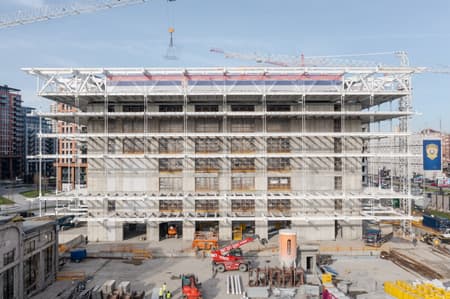
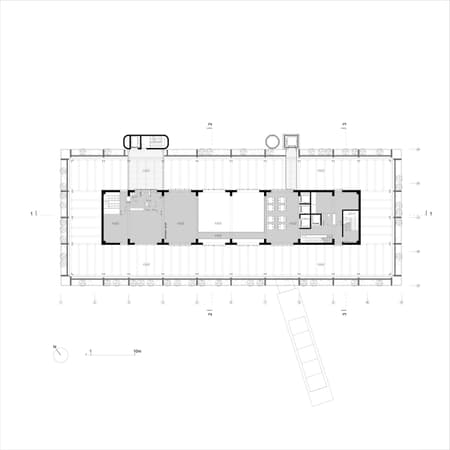
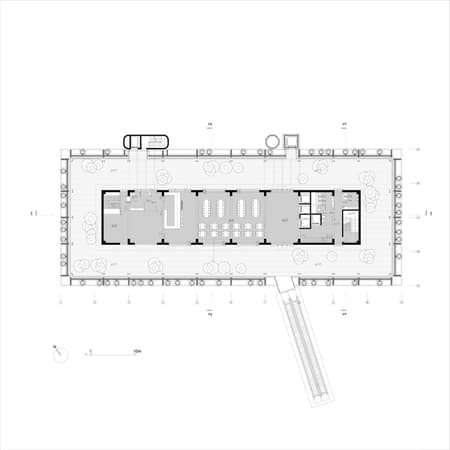
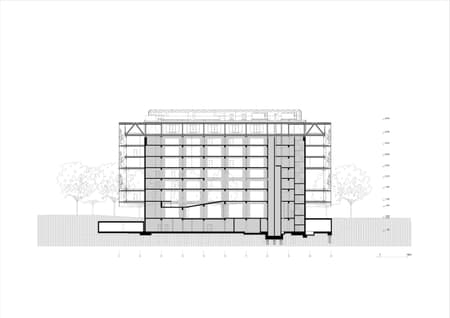
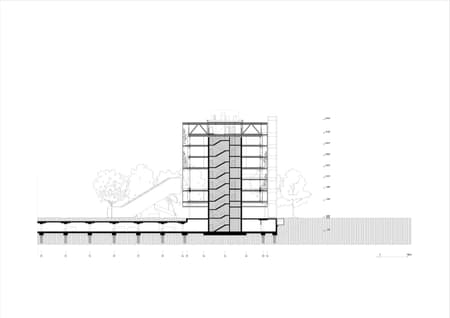
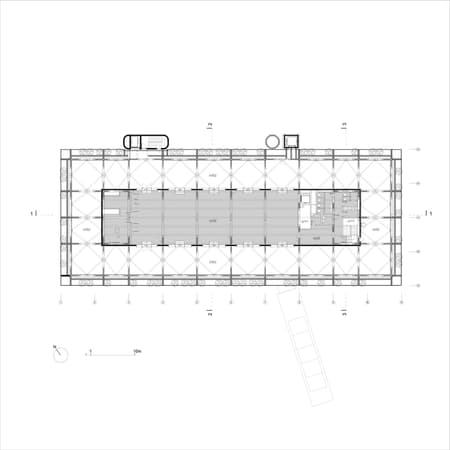
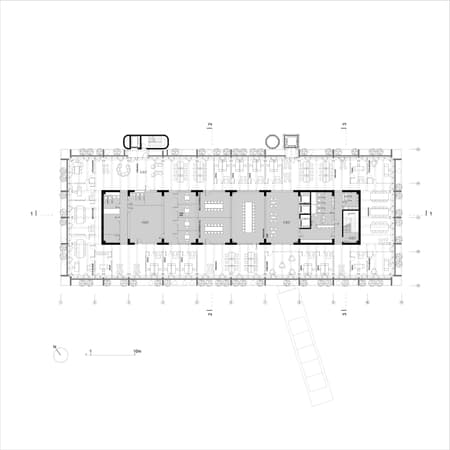
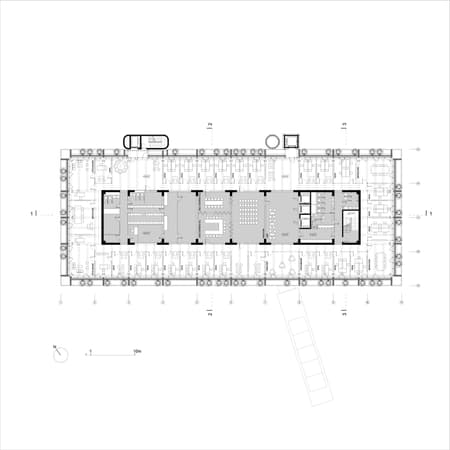
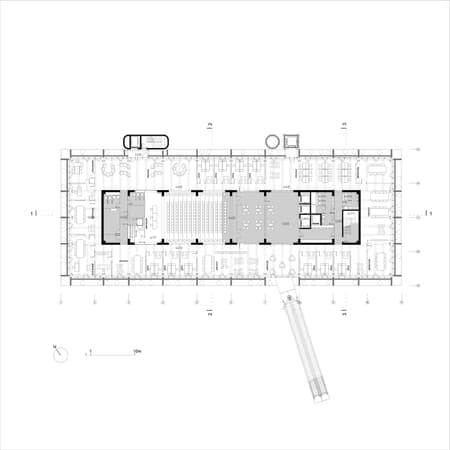
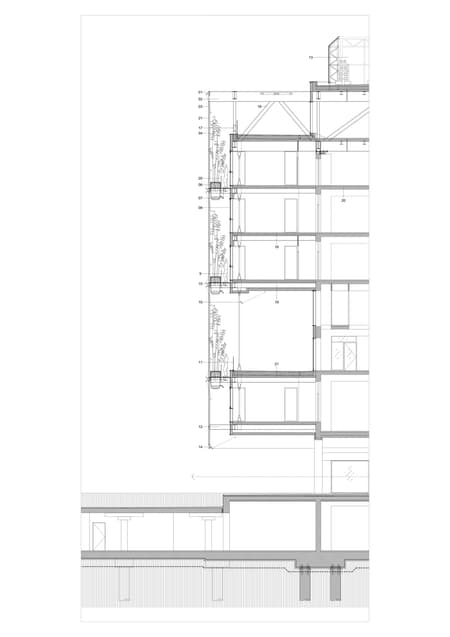
The new House for e-Government is an architectural and structural milestone for the entire region, being suspended in thin air around the central 11-meter-wide reinforced concrete core, with an 8.5-meter cantilever all around it. It features a panoramic public terrace on the 2nd floor, fully accessible via an open-air escalator, a gesture that dramatically extends the site's public area and strengthens its social bonds with the city. Its oxygen envelope – a vertical bamboo forest – was carefully developed by the architects to improve the working conditions within one of the most contaminated aerial environments in Belgrade. With smart suspended planters and a thin steel wire mesh all around, it is expected to grow a thick green buffer all around the building in the future.