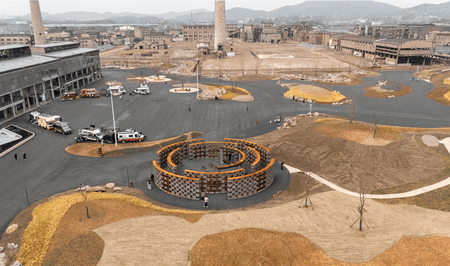
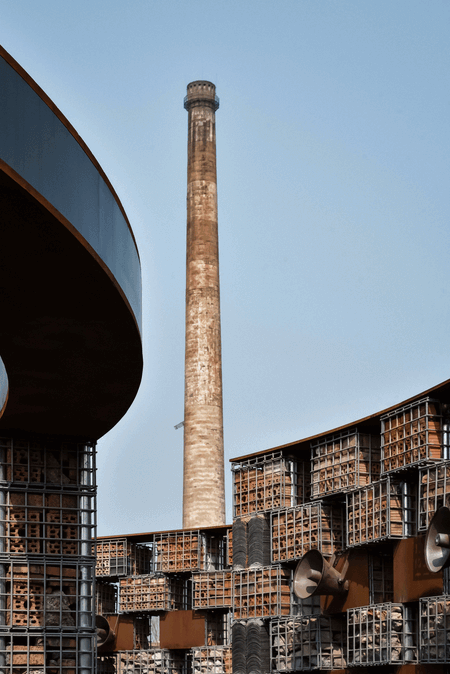
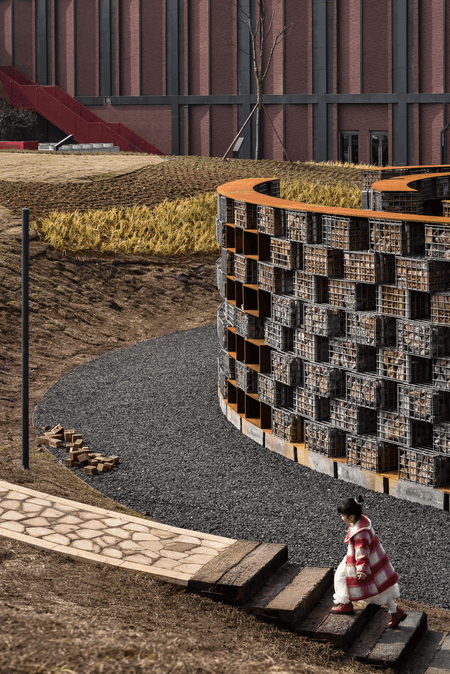
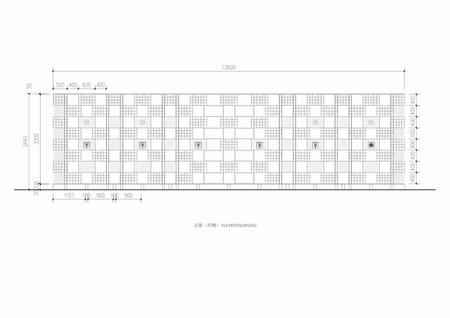
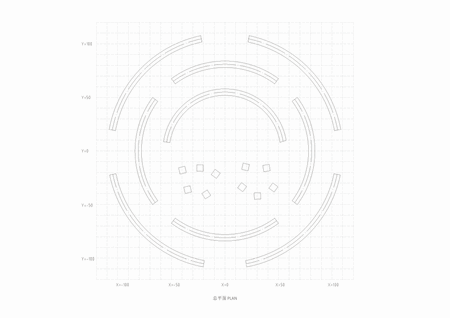
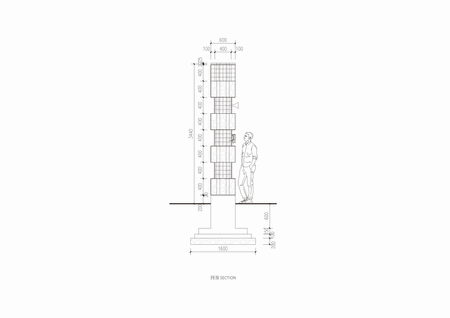
In February 2026, the “Echo of the ruins” Sound Museum was completed in Qingshuitan—this old industrial area which had lain silent for years.
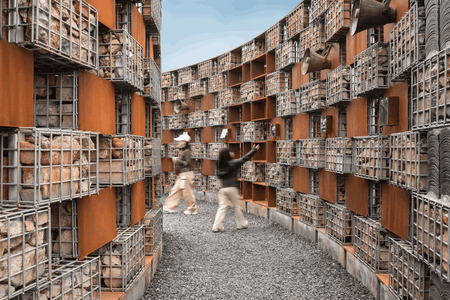
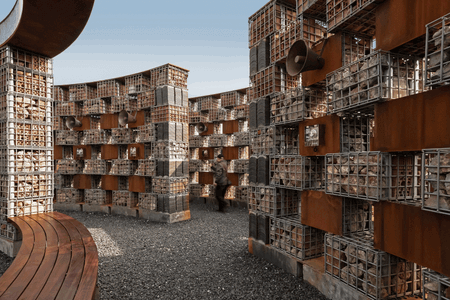
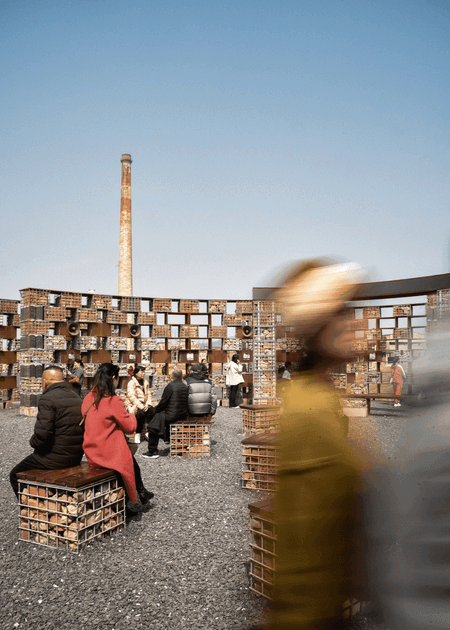
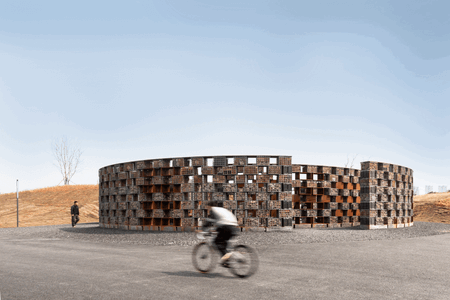
Free from the white cubes and glass display cases of traditional exhibition space. Instead, it is a structure that grows directly from the ruins. An open-air Museum built from every discarded brick and tile of the old factory buildings. It is an urban public space open to all, a place where people can enter, listen, and share their stories.
"Ruins"—a word tinged with decay—became precisely the starting point of our thinking. Every discarded brick, every fragment of rubble is a unique entity refined by time. They are the most honest gift this land has left to history.
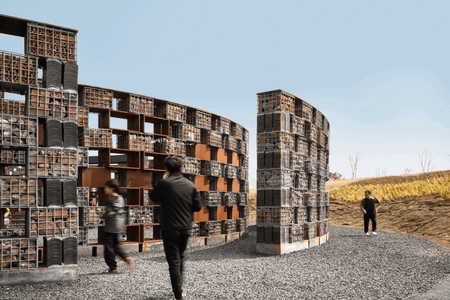
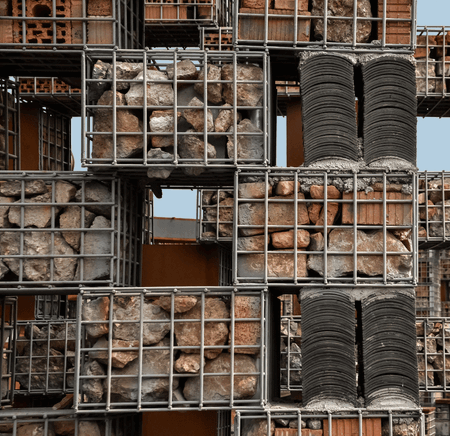
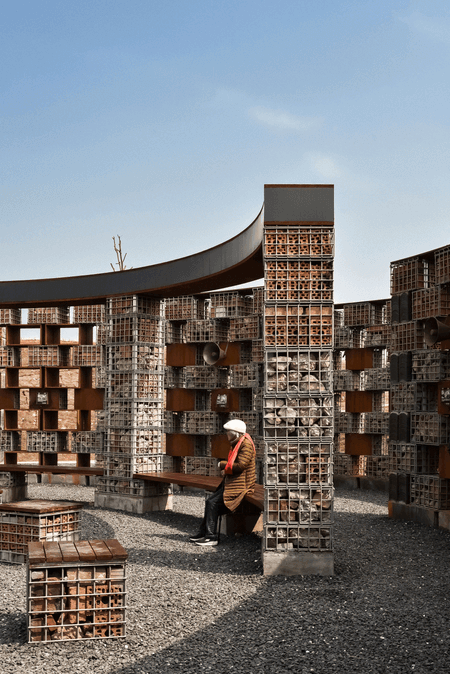
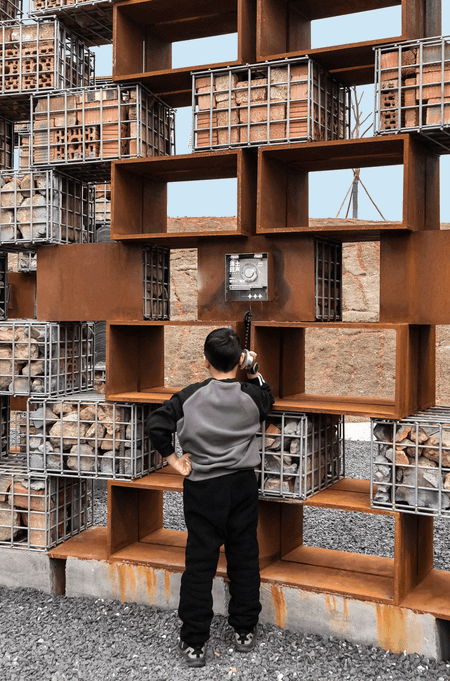
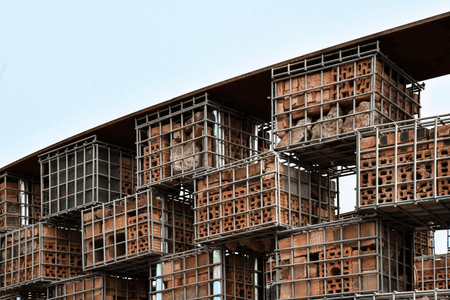
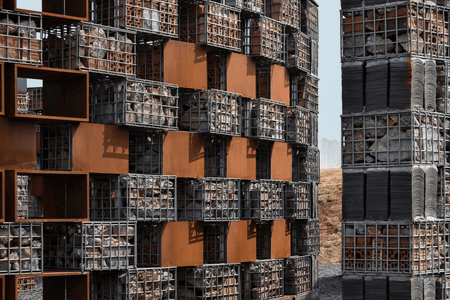
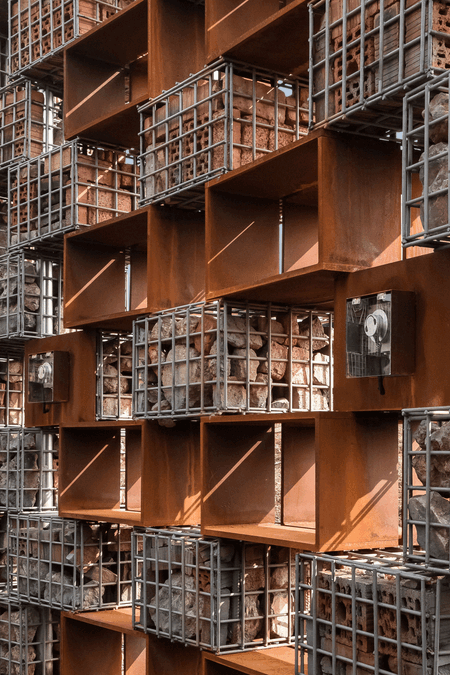
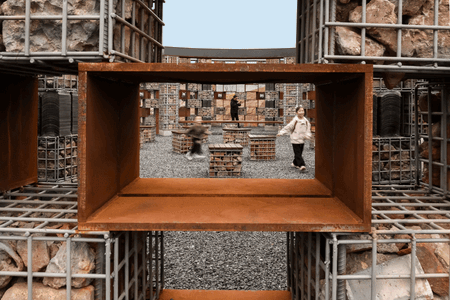
We chose gabion mesh cages as the basic modular unit to form the main structure. we filled the gabions with discarded bricks and tiles from Qingshuitang, stacking them layer by layer to form the main walls.
The second step is to truly bring history to life. We introduced sound as a medium,
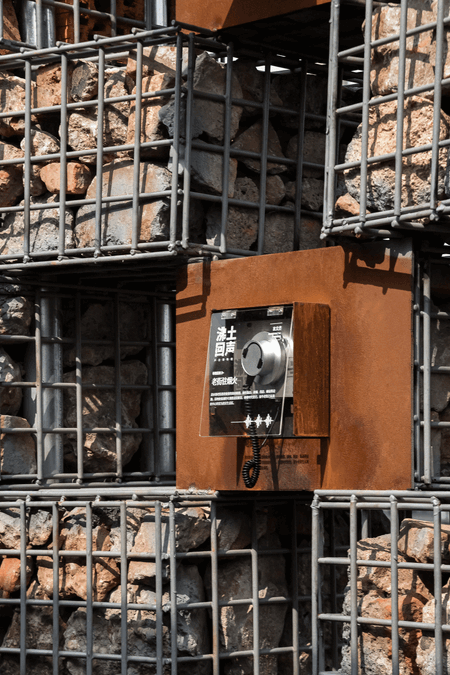
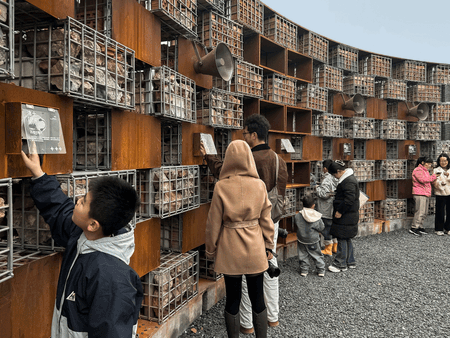
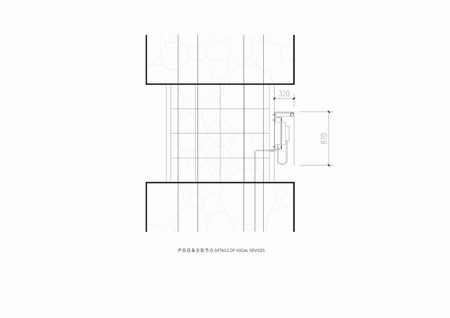
I. Listening to Stories: Embedded inside the circular walls are 20 groups of speakers. They play oral records from people of Qingshuitang. Visitors can also listen closely to these memories through 40 sets of magnetic headphones.
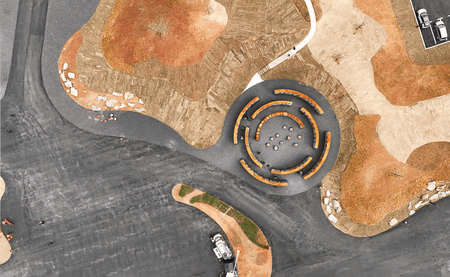
II. Telling Stories: Intervention and Accumulation of the Present Recording stations are placed at the end nodes of each circular passage. Visitors are invited to record their own stories. After processing, these recordings are added to the oral history archive.
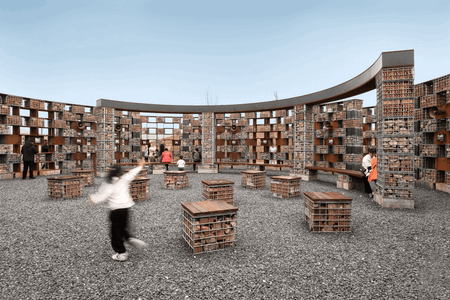
III. Sharing Stories: Gathering and Resonance on Site At the heart of the concentric circles lies the Echo Plaza, an amphitheater with a diameter of approximately 16 meters. It can be a spontaneous stage for storytelling, a venue for small readings or musical performances. People gather here, sharing their stories face to face.
Since its opening in February 2026, "Echo of the Ruins" has become a new urban landmark for Zhuzhou city—an urban public space for all ages:
For the older generation of Qingshuitang people, it is a field of memory to revisit history.
For the younger generation, it is an entrance to understanding their parents and the city's history.
For children, it is a labyrinth formed by circular pathways. They run between the walls, making their first contact with this land through play.
Above the ruins, there is still an echo.